Author: sitemill

  • Wasteland Outpost and the Art of the 40-Minute Chaos Loop

    Wasteland Outpost and the Art of the 40-Minute Chaos Loop

    Luring a towering mutant boss straight into a rival team’s base just as a toxic radiation storm rolls in is the exact brand of chaotic, high-stakes opportunism that defines Wasteland Outpost. Developed by Tarakan Game Studio, this multiplayer top-down PvPvE shooter doesn’t just ask you to aim straight; it demands that you build fast, think on your feet, and embrace the absolute madness of a strict, 40-minute match timer.

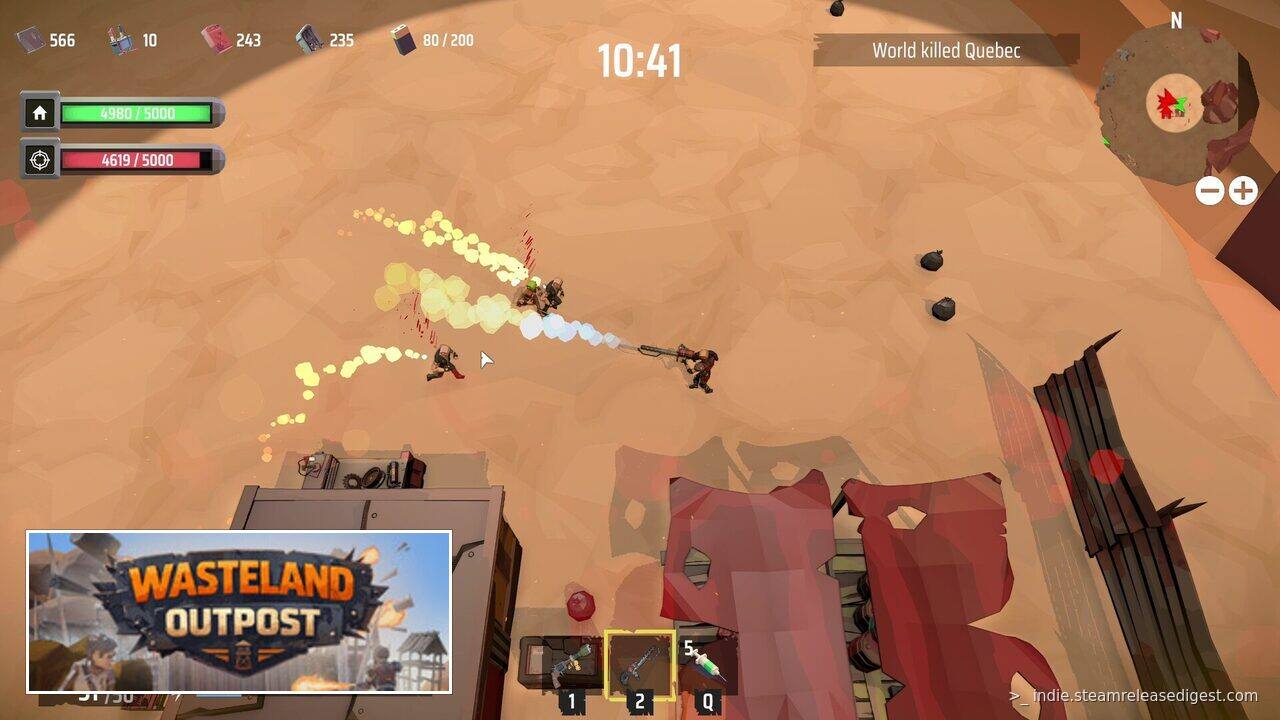
    At its core, Wasteland Outpost is structured around a tense “Scavenge-Build-Siege” loop. Every match drops you and your team into a radiation-scorched wasteland where time is your most brutal enemy. During the daylight hours, the focus is on frantic resource gathering and construction. This isn’t a game where base-building is a superficial afterthought; you are actively placing defensive walls, wiring up automated turrets, laying deadly traps, and setting up mid-match Production Workshops to upgrade your weaponry before the sun goes down.

    When night falls, the game shifts gears entirely. Mutant hordes emerge from the ruins, forcing teams to defend their custom-built fortifications. But you aren’t just fighting the environment. Rival player teams are out there in the dark as well, scavenging the same limited resources and looking for weaknesses in your defenses. The presence of dynamic events—like sudden radiation storms that mask player movements, unpredictable anomalies, high-value airdrops, and wandering traders—means that your carefully planned defensive strategy can be thrown into complete disarray at a moment’s notice.
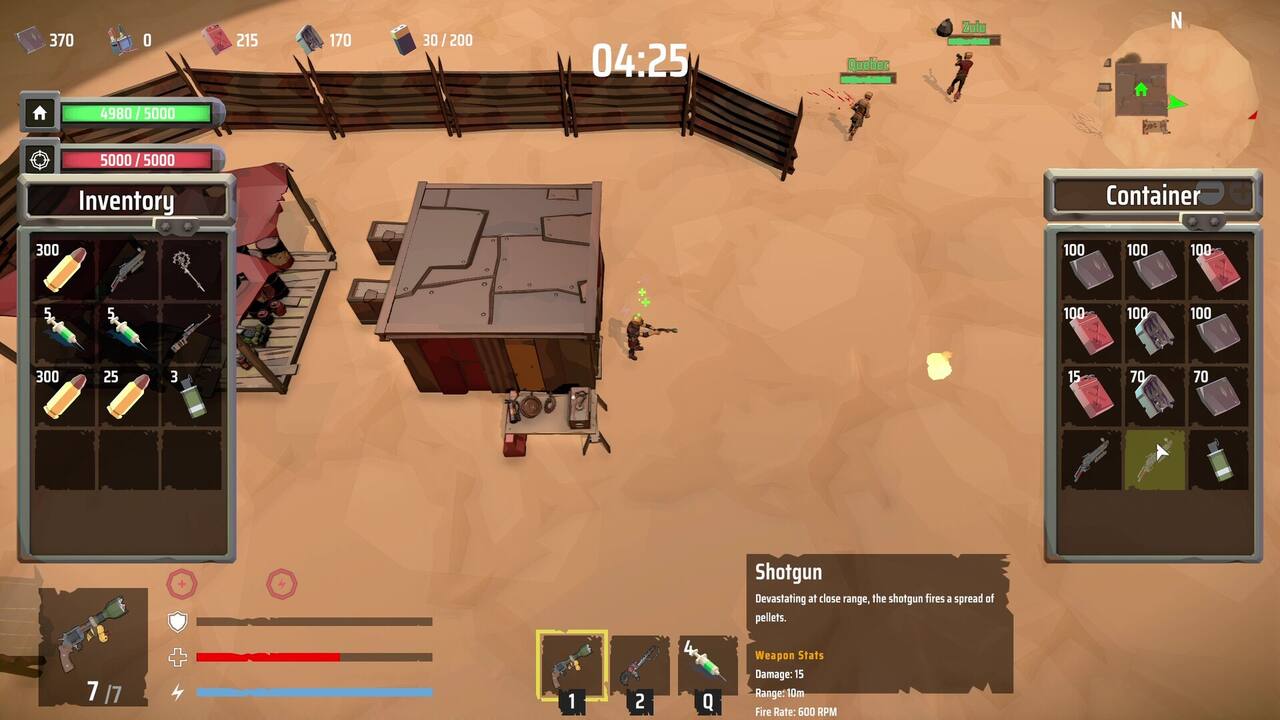
    Wasteland Outpost gameplay screenshot
    Image courtesy of Tarakan Game Studio via Steam

    Early player reception for Wasteland Outpost is highly positive, with community reviews praising the game’s snappy combat controls and surprisingly deep strategic layer. Players are particularly fond of how organic and alive the world feels. Rather than feeling like a standard arena shooter with a few walls bolted on, the environment, storms, and mutant hordes actively influence how competitive encounters play out. The ability to use the PvE elements aggressively against other players—like baiting hostile bosses into an enemy’s front yard—has quickly become a favorite “big-brain” tactic among early adopters.

    However, it is worth noting that Wasteland Outpost is unapologetically a “chaos simulator.” Reviewers describe the experience as highly stressful, though they quickly follow up that it is “stressful in the best way.” The pacing is relentless. You might be calmly farming materials one minute, only to have a radiation storm roll in while an enemy player smashes through your wall and a mutant begins chewing on your turrets. If you prefer slow-paced, meticulous survival games where your progress is saved overnight, the fast, high-pressure wipe-outs of these 40-minute sessions might feel overwhelming. But for those who find fun in the scramble, even losing a match in a spectacular explosion of gunfire and mutant teeth feels rewarding.

    Wasteland Outpost is a perfect fit for competitive players who are tired of formulaic military shooters and want a game where brains and building matter just as much as reflexes. It is also an excellent entry point for survival fans who love the tension of resource management and base defense but do not have the time to commit to hundreds of hours on a persistent server. For $10.99, it offers a remarkably polished, replayable, and distinct PvPvE experience that punches well above its weight class.

    Key Facts

    • Developer: Tarakan Game Studio
    • Publisher: Tarakan Game Studio
    • Release Date: Jun 2, 2026
    • Price: $10.99
  • Remorses and the Terrifying Art of Letting Players Get Hopelessly Lost

    Remorses and the Terrifying Art of Letting Players Get Hopelessly Lost

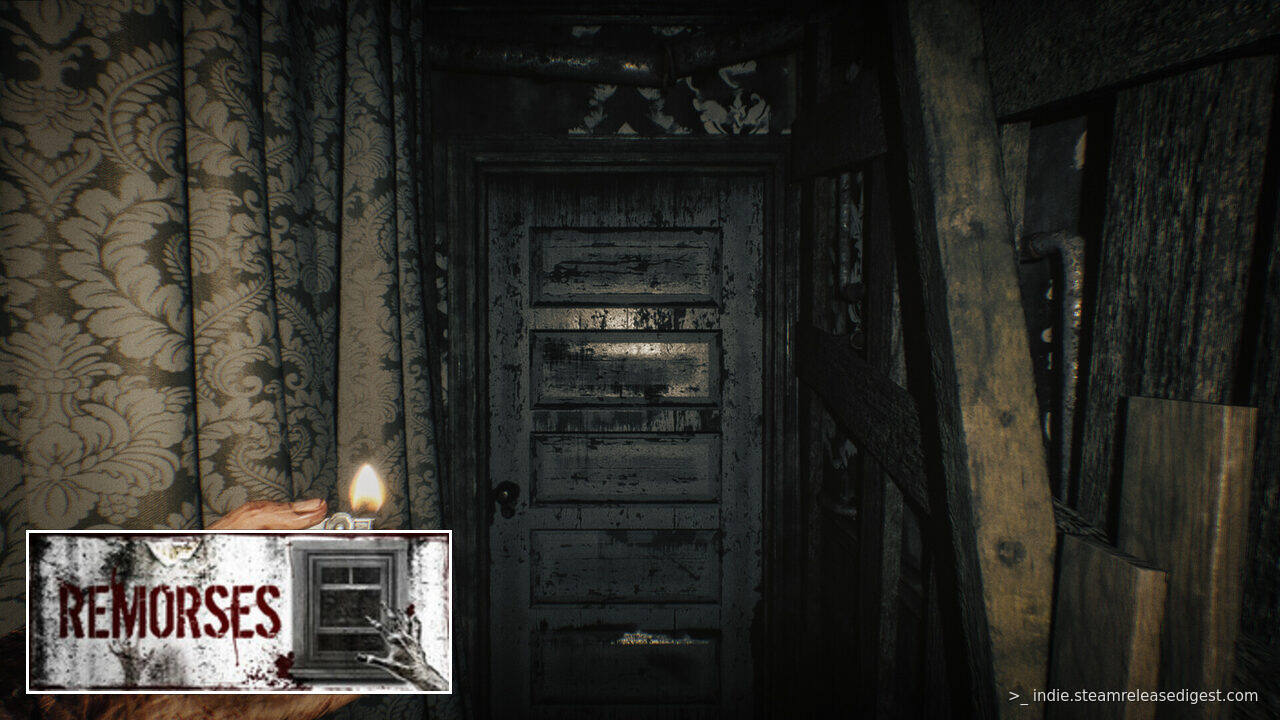
    To survive the suffocating halls of Westbrook Mansion, you must periodically find a window, slide it open, and gulp down the cold fresh air of Rivervalley, Lakota Territory. If you neglect this simple necessity, the heavy, malevolent atmosphere of the house begins to rot your mind. This window-opening mechanic is the beating heart of Remorses, a slow-burn psychological horror game that forces you to balance your physical survival with your fading sanity while investigating rumors of witchcraft in 1991.

    You play as Jake Lepistow, an investigator hailing from Beaver Hills, Minnesota. Jake is a man who has spent his career chasing supernatural legends and urban myths, always managing to escape without ever having to face real consequences. That luck runs out the moment he steps foot inside Westbrook Mansion. The core loop of the game revolves around exploration, puzzle-solving, and hunting for ingredients to brew a potion capable of fighting back the dark forces. It is a slow, methodical experience where tension builds not through cheap jump scares, but through a creeping sense of vulnerability and isolation. The very first scene of the game delivers a shocking moment that immediately sets a grim, heavy tone, mentally preparing you for the psychological gauntlet ahead.

    Remorses gameplay screenshot
    Image courtesy of Twistedline Games via Steam

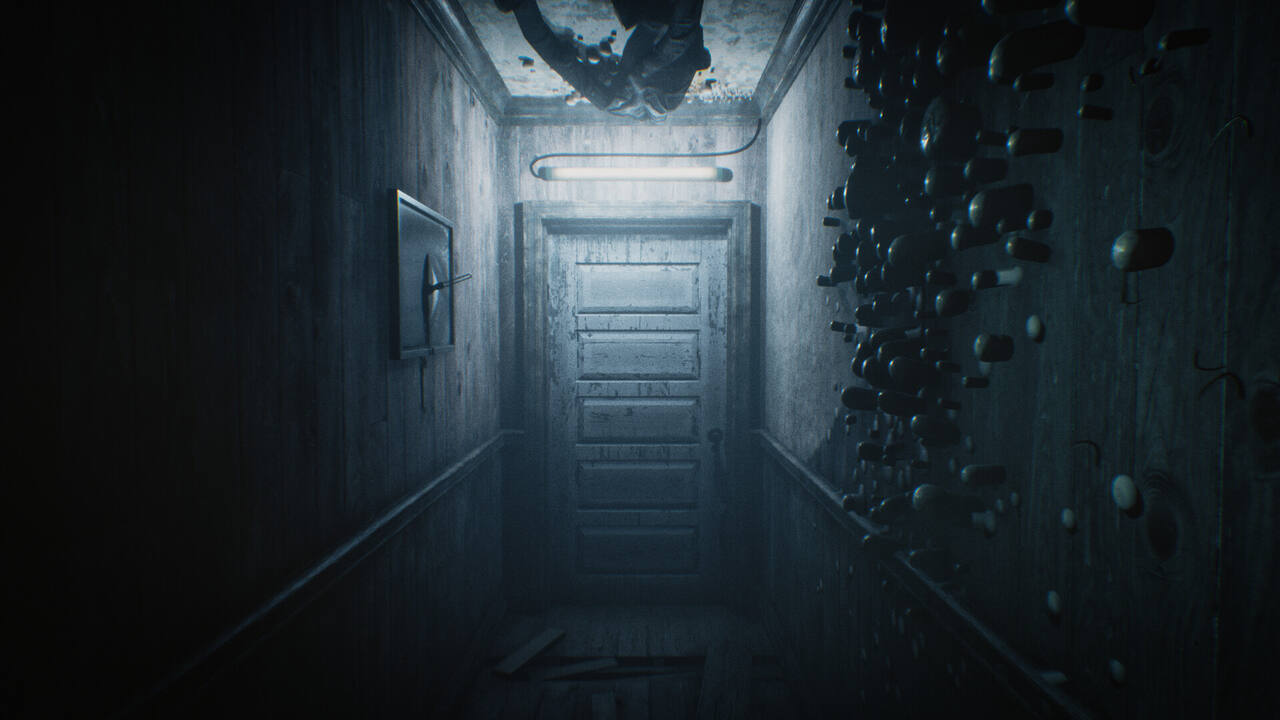
    A massive part of what makes this atmosphere work is the game’s exceptional audio design and presentation. With a soundscape shaped by the sound designer of Outlast and the composer of Visage, the mansion feels alive and deeply hostile. The lead voice actor delivers an amazing, grounded performance that elevates the narrative, making Jake’s descent into madness feel painfully real. Players report a constant, nerve-wracking paranoia while exploring, feeling as though someone is standing directly behind them in the dark. Creepy, sudden environmental shifts—like security cameras turning themselves on and off in empty rooms—keep you perpetually on edge, transforming what could have been a standard haunted house walk into a deeply unsettling psychological trip.

    Yet, despite these triumphs of atmosphere, Remorses has divided its audience, sitting on a “Mixed” reception on Steam that its most ardent defenders claim is entirely undeserved. The primary source of this friction is the game’s absolute refusal to hold your hand. The puzzles here are complex, visual, auditory, and logic-driven challenges that require genuine patience and deduction. For some players, this lack of guidance is a badge of honor, resulting in incredibly satisfying, mind-blowing moments of revelation. For others, it is a source of immense frustration. There are several key moments in the game where players are left with absolutely no direction or indication of what to do next, leading to pacing-killing roadblocks where progress grinds to a halt and leaves you feeling genuinely stuck.

    The game also sports a few rough edges typical of ambitious, small-scale indie projects. On a technical level, the graphics settings menu is notoriously barebones, forcing tech-savvy players to manually edit the game’s .ini files just to enable 4K resolutions or adjust basic texture settings. Furthermore, while the journey is deeply unsettling, some players have noted that the sanity system’s underlying rules can feel a bit vague, and that the story’s ending feels somewhat abrupt or unfinished. Fortunately, a save-anytime system prevents these roadblocks from becoming completely infuriating, allowing you to back up your progress whenever you need to step away and clear your own head.

    If you are a horror enthusiast who misses the uncompromising, terrifying puzzle design of games like Visage or MADiSON, Remorses is easy to recommend. It is a deeply atmospheric, highly creative, and genuinely creepy experience with a lot of heart, provided you don’t mind occasionally getting lost in the dark and working out the answers for yourself.

    Key Facts

    • Developer: Twistedline Games
    • Publisher: Twistedline Games
    • Release Date: Jun 2, 2026
    • Price: $14.99
  • Ward X: The Budget Hospital Horror You Can Beat Before Breakfast

    Ward X: The Budget Hospital Horror You Can Beat Before Breakfast

    Ward X is an indie horror game so compact that you can navigate its twisted corridors, solve its logic puzzles, survive its jumpscares, and escape its decaying hospital ward in less time than it takes to cook breakfast and wash the dishes. In a landscape where horror games often bloat themselves with endless crafting loops, massive empty maps, and artificial playtimes, this release from developer Ni9htByteX aims for something far more focused. It is a lean, budget-friendly puzzle-box of a game that doesn’t overstay its welcome, even if it leaves some rough edges exposed in the process.

    Surviving the Corridor

    At its core, the game drops you into a classic, well-worn genre setting: an abandoned medical facility that should have stayed forgotten. Your goal is a simple, desperate escape, but the path forward is blocked by a series of environmental and logic-based puzzles. Instead of giving you weapons to fight back against the dark, Ward X demands that you rely on your observation skills. You will spend your time navigating shadowy hallways with a flashlight, scouring decayed rooms for hidden notes, and translating those clues into solutions for locked doors and security terminals.

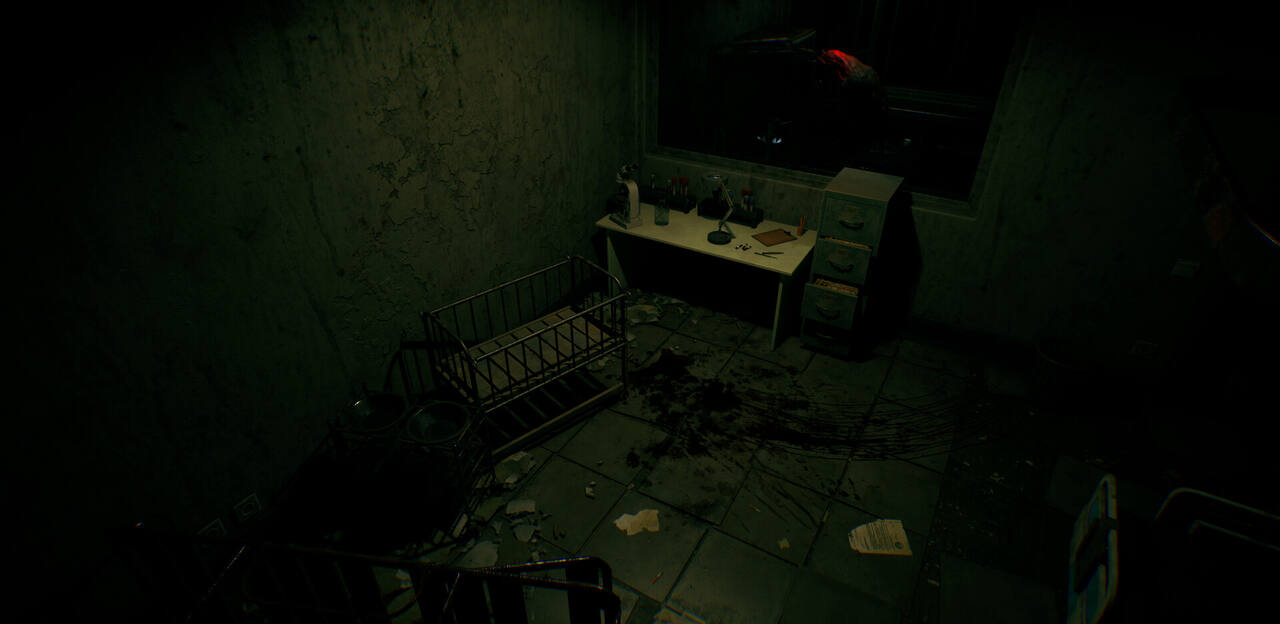
    What makes the experience work is its heavy reliance on tension rather than cheap tricks. The developer has constructed an environment that feels damp, heavy, and claustrophobic. The level design forces you to backtrack through areas you’ve already cleared, keeping you on edge as you wonder if the layout has subtly shifted behind your back. It does not try to reinvent the puzzle-adventure wheel, but it executes the fundamental mechanics of exploration and lock-and-key progression with an admirable level of focus.

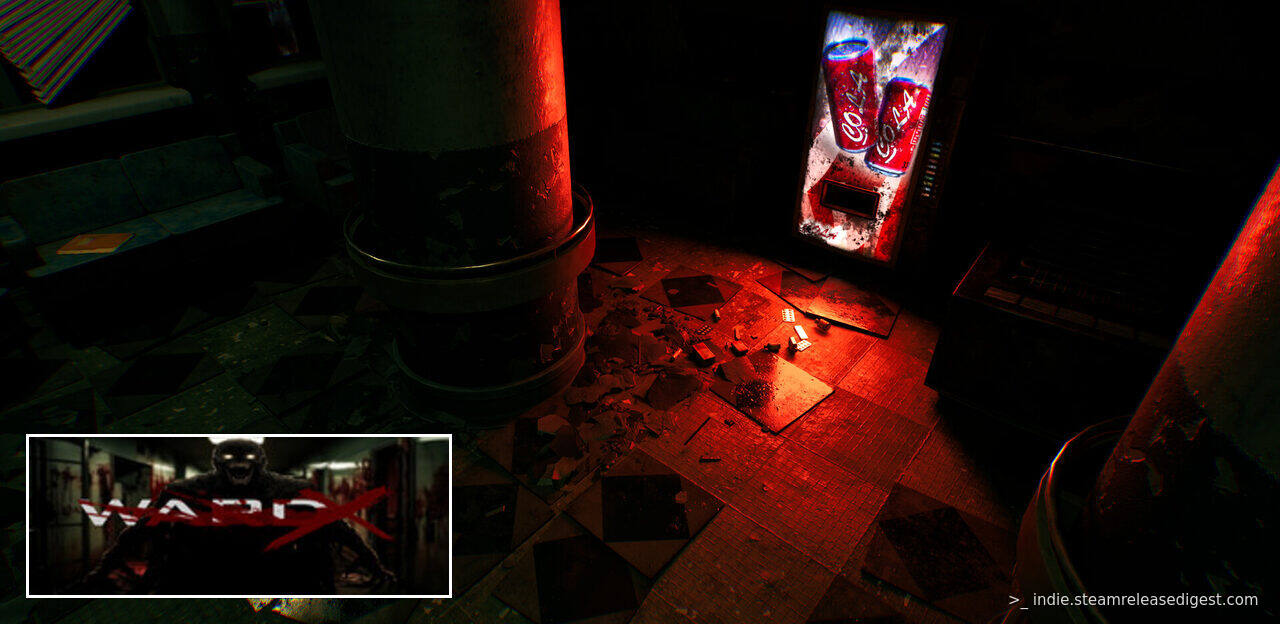
    Ward X gameplay screenshot
    Image courtesy of Ni9htByteX via Steam

    Where the Polish Shines—and Where It Fades

    The reception from players who have braved the ward highlights a striking contrast between the game’s presentation and its technical execution. On the positive side, the visual design is surprisingly high-end for a game in this price bracket. Steam reviews consistently praise the detailed environmental art, noting that the decay of the hospital feels tangible and the creepy atmosphere is genuinely effective. The puzzles themselves receive high marks for being engaging and “mind-challenging” without crossing the line into frustration. It is a game that looks and feels like a premium horror experience at first glance.

    However, once you dig into the settings menu, the budget realities of Ward X become impossible to ignore. The most glaring issue is a total lack of basic quality-of-life features. Players cannot remap any of the keys, a decision that has already caused some frustration. The game locks the “E” and “Q” keys to a leaning mechanic rather than using them for standard environmental interaction, forcing players to fight muscle memory throughout their short playthrough. Furthermore, the audio options are nonexistent. You cannot turn off or even lower the volume of the in-game music. For players who prefer to mute in-game soundtracks to listen to their own podcasts or ambient music, this is an annoying oversight. There are also reports of un-toggleable motion blur that can cause visual fatigue during quick turns.

    Finally, there is the question of length. One player noted that their 95-minute play session included a lengthy break to cook breakfast and wash dishes, meaning the actual active playtime of Ward X sits closer to an hour. While some might find this disappointingly brief, others will appreciate a game that can be started and finished in a single sitting without any filler.

    The Verdict

    So, who is this game for? Ward X is a highly specific recommendation. It is custom-built for the budget-conscious horror enthusiast who wants a quick, atmospheric scare on a quiet evening. If you have three dollars and an hour to spare, the game offers a visually polished, satisfyingly creepy puzzle experience that punches well above its weight class. However, if you are a player who requires robust accessibility settings, custom keybindings, or a deep, multi-hour narrative to feel satisfied, you will likely find the technical limitations too frustrating to overlook. For everyone else, it is a bite-sized nightmare well worth the pocket change.

    Key Facts

    • Developer: Ni9htByteX
    • Publisher: Ni9htByteX
    • Release Date: Jun 2, 2026
    • Price: $2.99
  • Unlucky Mummy: The Beautiful, Agonizing Quantum Gambling Machine

    Unlucky Mummy: The Beautiful, Agonizing Quantum Gambling Machine

    One player called Unlucky Mummy an “awful game” before immediately admitting they couldn’t stop playing it; another described it simply as a test of self-control that they miserably, thankfully failed. This is the central friction of Karaclan’s budget-priced incremental clicker: it is a beautifully wrapped, agonizingly basic simulation of a gambling addiction. It takes the quantum concept of superposition—the idea that a state exists in multiple realities until observed—and weaponizes it into a digital coin flip that will either trigger a rush of endorphins or leave you staring blankly at your screen in disbelief.

    The Physics of Frustration

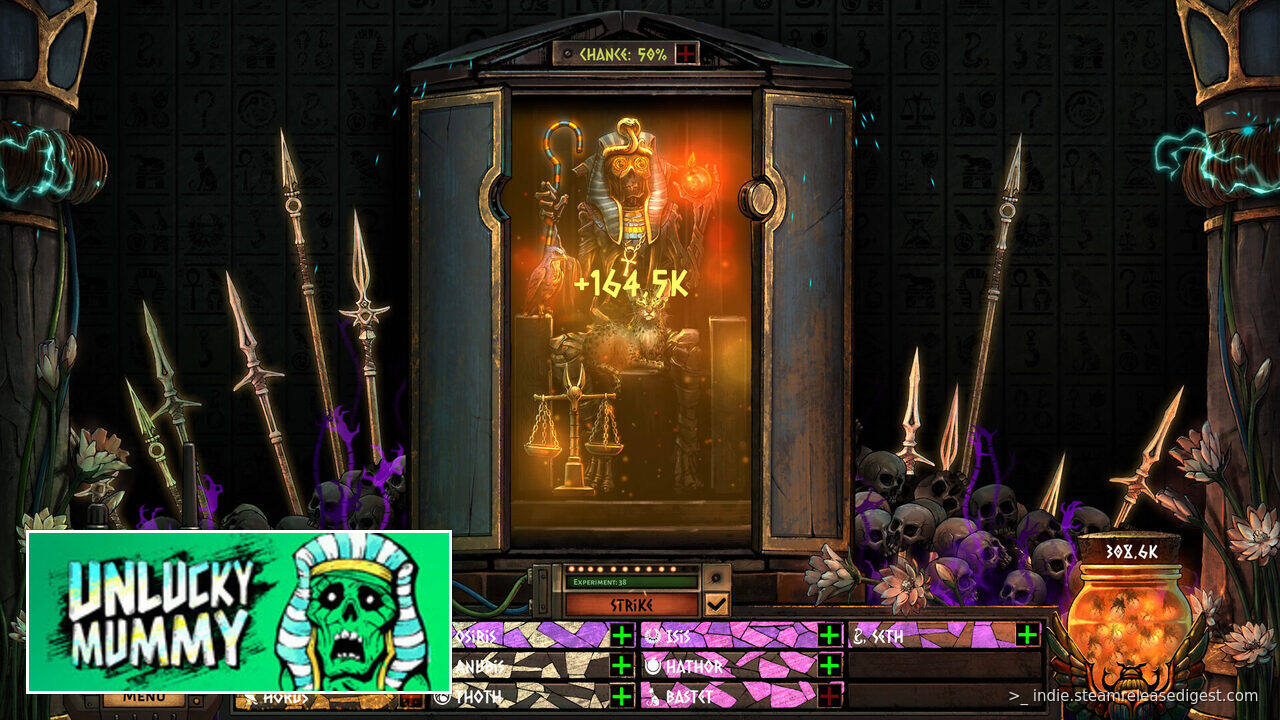
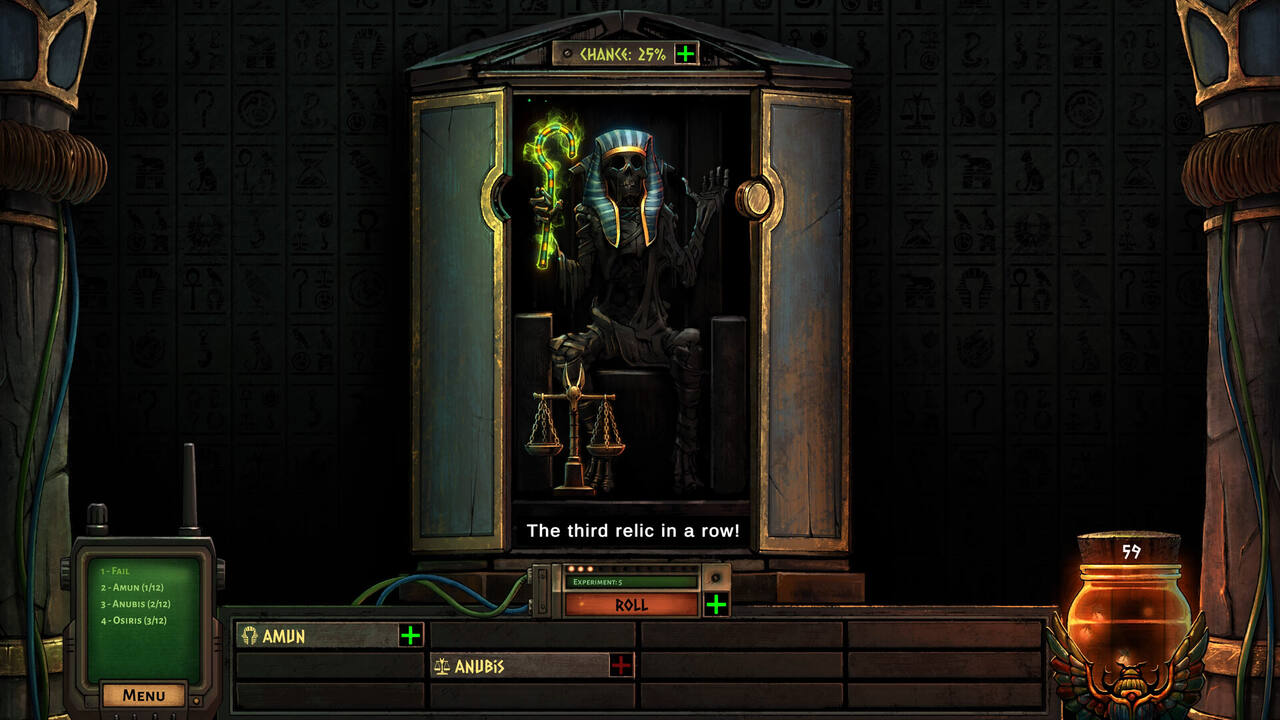
    The premise of Unlucky Mummy is stark in its simplicity. Before you stands a sarcophagus containing a mummy and twelve slots for ancient relics of the Egyptian gods. When you click to open the sarcophagus, you have a baseline 25% chance of successfully finding a relic. If you succeed, you get a relic and some golden scarabs. If you fail—which, at the start, you will do three times out of four—the sarcophagus is empty, and every single relic you have collected on this run vanishes instantly, resetting your progress to zero. To beat a run and resurrect the mummy, you must successfully find all twelve relics in a row. At default odds, the mathematical chance of pulling this off is a staggering 1 in 16,777,216.

    To tilt the cosmic scales in your favor, you spend those golden scarabs on permanent upgrades. You can increase your baseline success chance, speed up the opening animations, or boost the rewards you get from each successful discovery. Succeeding also unlocks one of six unique narrative endings, each gifting you a permanent “Glyph” that alters the rules for future runs, slowly unraveling a larger story in the process.

    Unlucky Mummy gameplay screenshot
    Image courtesy of Karaclan via Steam

    What Players Love (and What Drives Them Mad)

    Steam reviews reveal a player base caught in a tight loop of aesthetic charm and mechanical irritation. On the positive side, players frequently highlight the game’s surprisingly high production values. The art is striking, the voiceover work is genuinely high-quality, and the animations are excellent. There is also a quiet appreciation for the game’s atmospheric writing and clever pop-culture nods, including a reference to the sci-fi series Dark. For players who get a good run, especially if they unlock a powerful glyph early on—like the Marie Curie glyph—the game quickly transitions from a brutal slog to a satisfying power trip.

    But Unlucky Mummy does not hide its rough edges, and its design has drawn some sharp criticism. The primary culprit is the complete lack of automation. Unlike most modern incremental games that eventually let you sit back and watch numbers go up on their own, this game demands manual clicks. Some players find themselves hitting the button over 450 times with very little progression to show for it, describing the loop as a tedious grind that can wear out its welcome in minutes.

    Furthermore, the game’s random number generator (RNG) has drawn some suspicious side-eyes. Multiple players have reported bizarre, frustrating streaks of bad luck, such as failing a 94% success rate four times in a row. Because of how the “all-or-nothing” mechanic works, a single streak of bad luck completely wipes your active progress. This frustration is compounded by uneven meta-progression. The Glyphs you unlock are meant to make subsequent runs faster or more interesting, but players note that their balance is highly erratic. Some Glyphs are incredibly powerful, while others feel entirely useless, meaning a new run might actually feel slower and more tedious than your last one depending on what you unlocked.

    The Verdict

    So, who is Unlucky Mummy actually for? It is certainly not for the idle-game purist looking for complex spreadsheets, deep automation trees, or a passive background experience. This is a game for the hands-on clicker enthusiast who enjoys the raw, high-stakes tension of pure probability. If you can appreciate beautiful artwork, charming animations, and are willing to tolerate the occasional devastating streak of mathematical cruelty, it is a fascinating, bite-sized experiment in risk and reward. Just be prepared to have your patience thoroughly tested by the cold, impartial laws of quantum randomness.

    Key Facts

    • Developer: Karaclan
    • Publisher: Karaclan
    • Release Date: Jun 2, 2026
    • Price: $2.99
  • Gaming Burnout Treatment Center is a Brutally Honest $0.99 Solution to Your Backlog Paralysis

    Gaming Burnout Treatment Center is a Brutally Honest $0.99 Solution to Your Backlog Paralysis

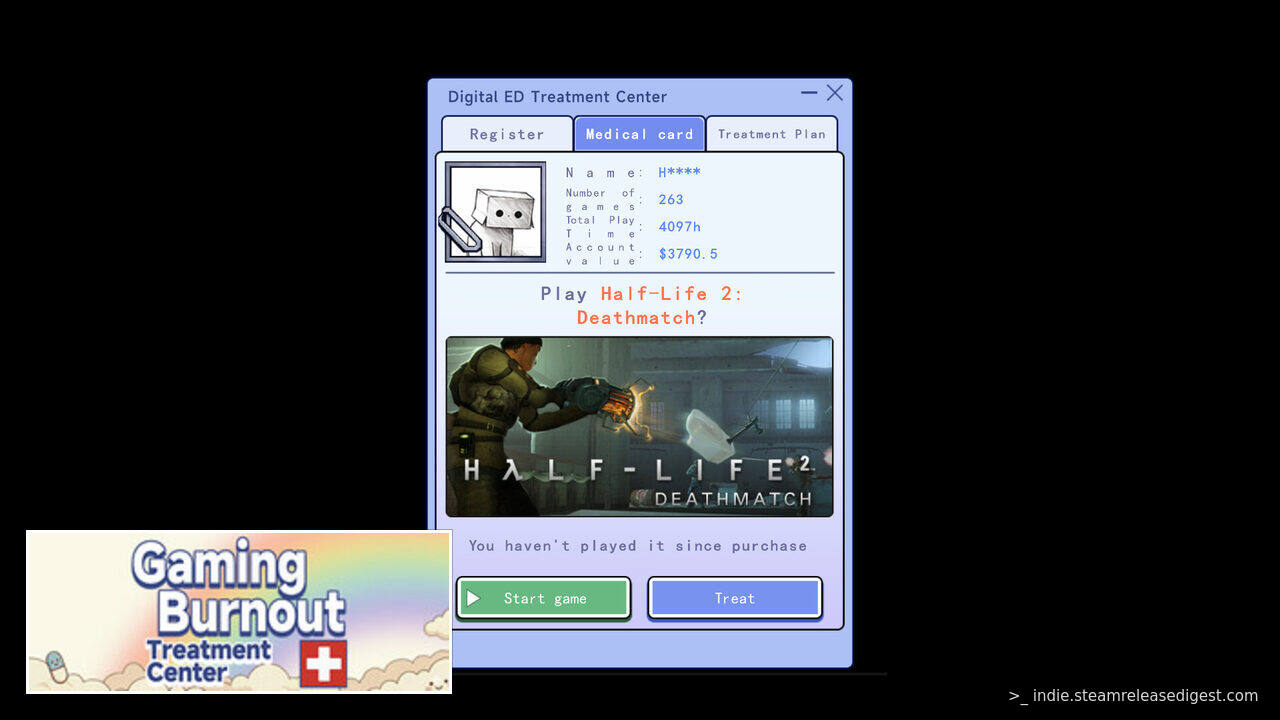
    The “Account Value” screen in Gaming Burnout Treatment Center is designed to make you flinch. Before it even attempts to solve your gaming paralysis, this software forces you to look at the cold, hard math of your own digital consumer habits: the total cash value of the game library you have amassed, and the vast, unplayed valleys within it. It is a fittingly blunt start for an application that aims to cure what its developers call “Digital ED”—that frustrating state where you own hundreds of games, spend forty minutes staring at the Steam search bar, and then go to sleep without playing a single one.

    The Diagnosis and the Cure

    At its core, Gaming Burnout Treatment Center is less of a traditional game and more of a specialized utility wrapped in a tongue-in-cheek medical theme. To get started, you must adjust your Steam privacy settings to public, allowing the software to scan your library and analyze your play-time data. Once the initial diagnosis is complete, the loop is incredibly simple: you click “Start Treatment,” and the program spins the wheel, selecting a random, forgotten title from your digital archives for you to play tonight. It is a game launcher functioning as a digital clinical intervention.

    To keep the experience from feeling like a sterile spreadsheet, developer Wave Games has dressed the interface up with playful, gamified progression. There are achievement-like titles to unlock as you engage with your prescribed games, and the software even features a light management simulation layer with steady upgrades to make the tool itself feel rewarding to interact with. It turns the exhausting chore of choosing what to play into a randomized mini-game, complete with humorous commentary on your hoarding habits.

    Gaming Burnout Treatment Center gameplay screenshot
    Image courtesy of Wave Games via Steam

    What Players Love (and What Frustrates Them)

    The player response highlights a clear division between those who embrace the novelty and those who find it redundant. On the positive side, players suffering from severe backlog fatigue have called it a “godsend,” praising its ability to strip away choice overload and force them into action. Users love the comedic presentation and the clever achievement titles, finding that delegating the choice to a virtual “Hand of Fate” relieves the mental friction of starting a new game.

    However, the tool’s simplicity is also its primary point of criticism. Some users have pointed out that you can achieve the exact same result for free using external database sites like SteamDB, or simply by sorting your Steam library manually. For players with gargantuan libraries numbering in the thousands, the purely random selection process can actually feel counterproductive. Because the application lacks robust filtering options—you cannot currently sort by specific genres, tags, or easily restrict the pool to only unplayed titles—it is just as likely to recommend a forgotten piece of software utility as it is your next favorite RPG. For those expecting a deep, analytical recommendation engine, the bare-bones nature of the randomizer can feel like a letdown.

    The Verdict

    At its pocket-change price of $0.99, Gaming Burnout Treatment Center is best understood as a cheap, charming psychological trick. If you are someone who regularly gets stuck in the scroll-and-quit loop every weekend, having a dedicated, humorous launcher to make the choice for you might be exactly the nudge you need to actually play the games you bought. It won’t curate your library with the precision of an AI, but it will look you in the eyes, remind you of how much money you spent on games you have never touched, and tell you to finally go play them.

    Key Facts

    • Developer: Wave Games
    • Publisher: Wave Games
    • Release Date: May 31, 2026
    • Price: $0.99
  • The Legend of You: Building a Tactical Fantasy Epic Word by Word

    The Legend of You: Building a Tactical Fantasy Epic Word by Word

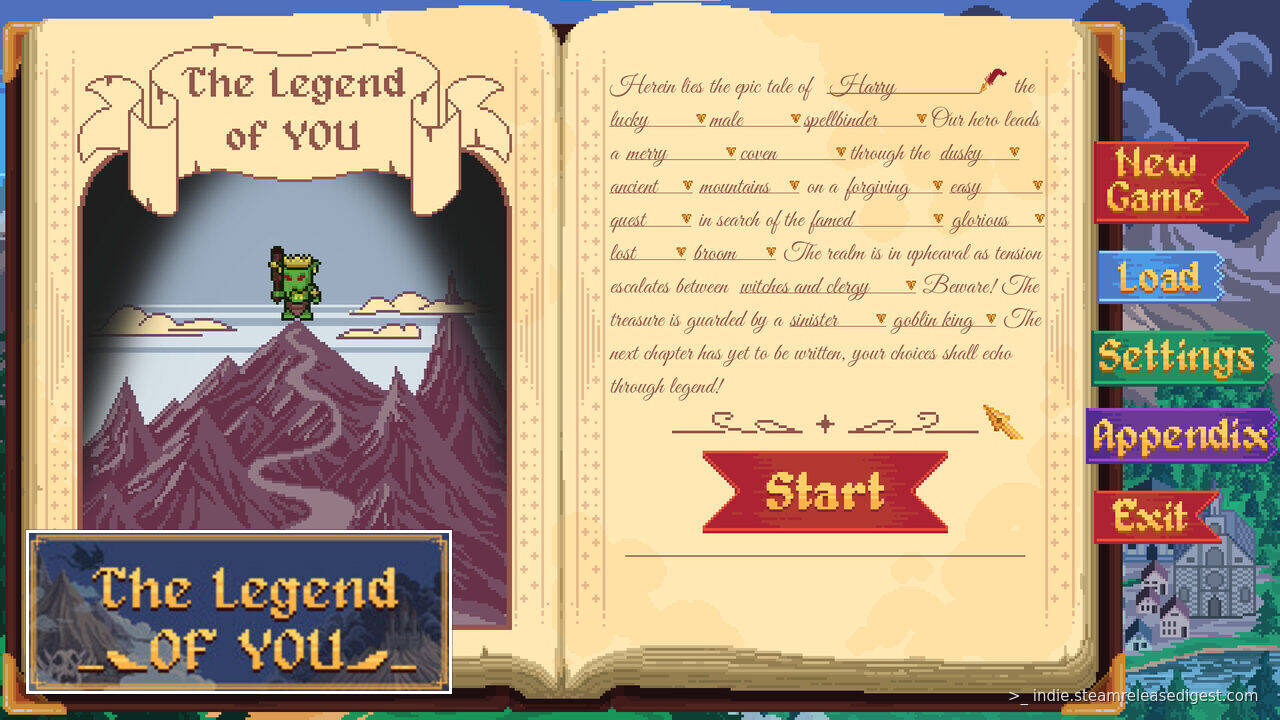
    You build the world of this game with your own words, guiding a custom party through branching story paths that evoke the playful text-manipulation of classics like Scribblenauts fused with deep, turn-based grid combat. It is an ambitious, highly customizable sandbox where your decisions alter everything from faction alliances to the actual abilities your enemies wield in battle. By blending the open-ended nature of text adventures with the mathematical crunch of tactical RPGs, it offers a remarkably fresh take on fantasy world-building.

    The Mechanics of a Self-Made Myth

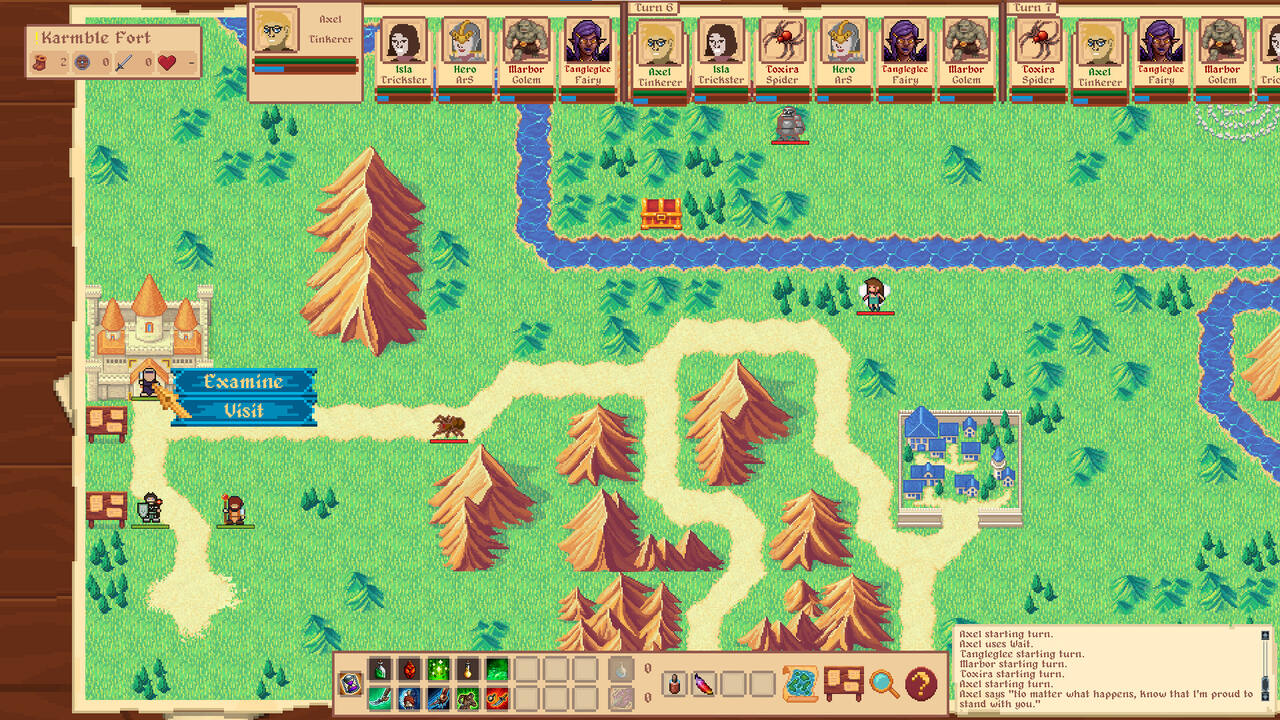
    At its heart, the game is a massive turn-based tactical RPG with an unprecedented level of player agency. Instead of following a pre-written path, you shape your journey through a series of choices that dictate where you go and who you fight. You might choose to hunt goblins, dragons, or tyrants, side with humble peasants against the nobility, or attempt a delicate balance between magic and technology. With 60 different story paths and over 50 dynamic events boasting 750 distinct outcomes, the narrative branches organically based on your decisions, earning you unique rewards and long-term consequences.

    The tactical layer is just as customizable. You build a party of up to eight heroes selected from a massive roster of 45 classes. Each class comes with its own skill tree and talent options, allowing for deep theorycrafting across 240 talent options and 10 unique skill trees. To complement your builds, the game features over 100 relics and dozens of consumables that can fundamentally alter how your characters function on the battlefield. Combat requires careful resource management and strategic unit positioning. If a strategy isn’t working, the game allows you to easily respec your party, encouraging constant experimentation as you face increasingly deadly, turn-based encounters of your own design.

    The Legend of You gameplay screenshot
    Image courtesy of One Car Games via Steam

    What Players Love (And What Frustrates Them)

    Steam reviews highlight the game’s staggering depth and replayability as its primary strengths. Players report getting lost in the character progression, with one reviewer noting they were 19 hours into their first playthrough and still hadn’t reached the halfway point. The sheer variety of classes, combined with starter skills and customizable perk trees, offers a dream playground for RPG enthusiasts who love to optimize party builds. The unique concept of shaping a fantasy world through text-based choices has earned high praise for bringing something genuinely fresh to the strategy genre, keeping players engaged across dozens of hours.

    However, the game’s launch has been marred by notable technical issues. The most glaring problem lies in its display settings: the game currently only supports two resolutions, which can stretch off-screen, cut off critical UI elements, and refuse to respond to standard windowed shortcuts. For some players, this has made the game virtually unplayable right out of the gate. Others have reported occasional crashes to the desktop (CtDs) that disrupt the game flow. Finally, the early game is heavily menu-driven and requires a significant amount of reading. If you prefer to jump straight into the action without wading through paragraphs of text and setup screens, the opening hours might feel like a chore.

    The Verdict

    This game is a treat for patient strategy fans who prioritize mechanical depth and narrative agency over visual polish. If you love theorycrafting party compositions, reading branching storylines, and having direct control over how your world generates, the $10.00 entry price offers an incredible amount of value. However, if you are sensitive to resolution bugs, UI clunkiness, or heavy reading in the early game, you may want to wait for a few patches before diving in.

    Key Facts

    • Developer: One Car Games
    • Publisher: One Car Games
    • Release Date: May 30, 2026
    • Price: $10.00
  • Deck-A-Doodle Solitaire and the Tactile Joy of a Premium Card Reset

    Deck-A-Doodle Solitaire and the Tactile Joy of a Premium Card Reset

    A great solitaire game doesn’t need to reinvent the deck; it just needs to feel like a comfortable room you want to spend hours in. For players diving into BumWobble Games’ debut title, that comfort comes in the form of soothing music you can peacefully fall asleep to, tactile sound effects that fit naturally with every card snap, and a total lack of the predatory monetization that plagues almost every other digital card game on the PC and mobile markets today. It is a quiet, deeply personal project built by two British Columbians who simply wanted to craft a beautiful space to play cards, and players have responded with pure affection for its cozy, low-stress atmosphere.

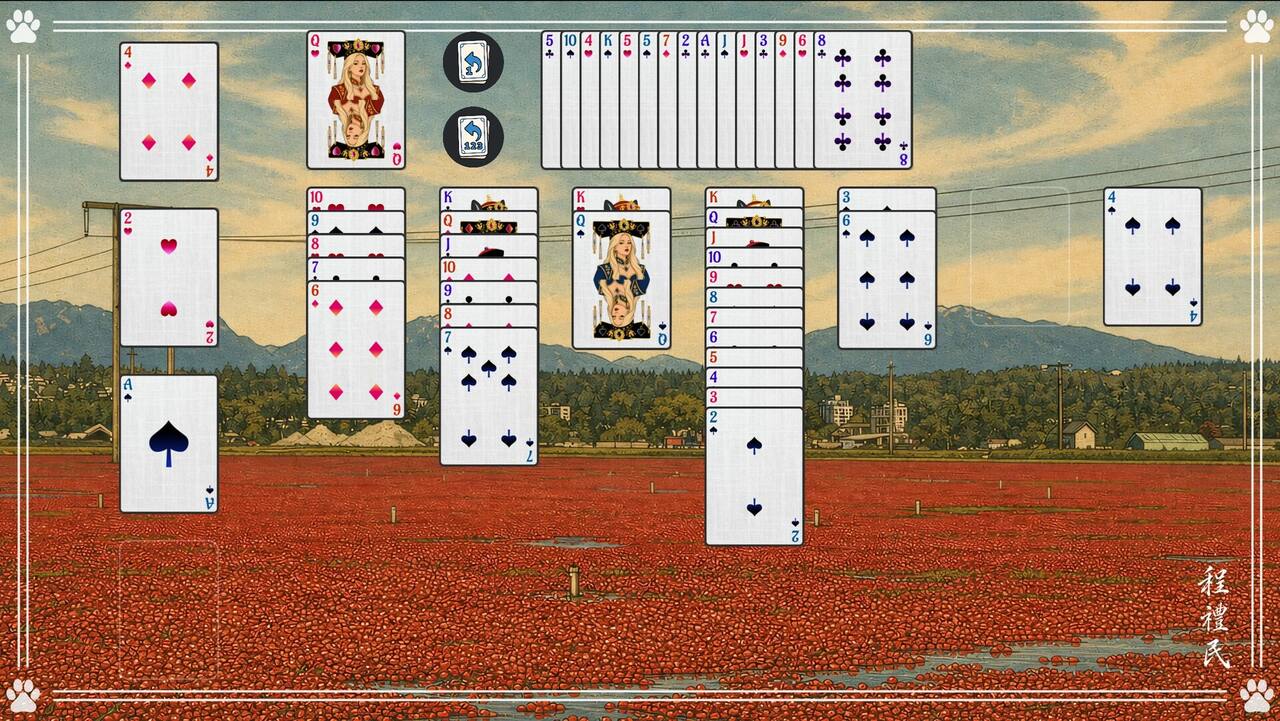
    At its heart, the game is a clean, premium compilation of solitaire variants. You get six distinct modes, each playfully renamed to honor the landscapes of British Columbia. “Golden Trails” offers classic Klondike (with Draw 1 or Draw 3 options), named after the multi-use paths along the Fraser River in Richmond. “North Shore Peaks” serves up fast-paced Tripeaks, a nod to the mountains standing watch over the West Coast. “Stillwater” delivers the open-information brain-teaser of FreeCell, capturing the calm of BC’s interior lakes. For those seeking more complexity, “Lynn Canopy” covers Spider (playable with 1, 2, or 4 suits), “Chief’s Rise” presents Pyramid (named after the Stawamus Chief monolith), and “Crosswinds” blends the rules of Klondike and FreeCell into a salty, coastal hybrid. The game moves entirely at your own pace, offering unlimited undos, adjustable difficulty, and a completely mouse-driven interface that gets out of your way.

    Deck-A-Doodle Solitaire gameplay screenshot
    Image courtesy of BumWobble Games via Steam

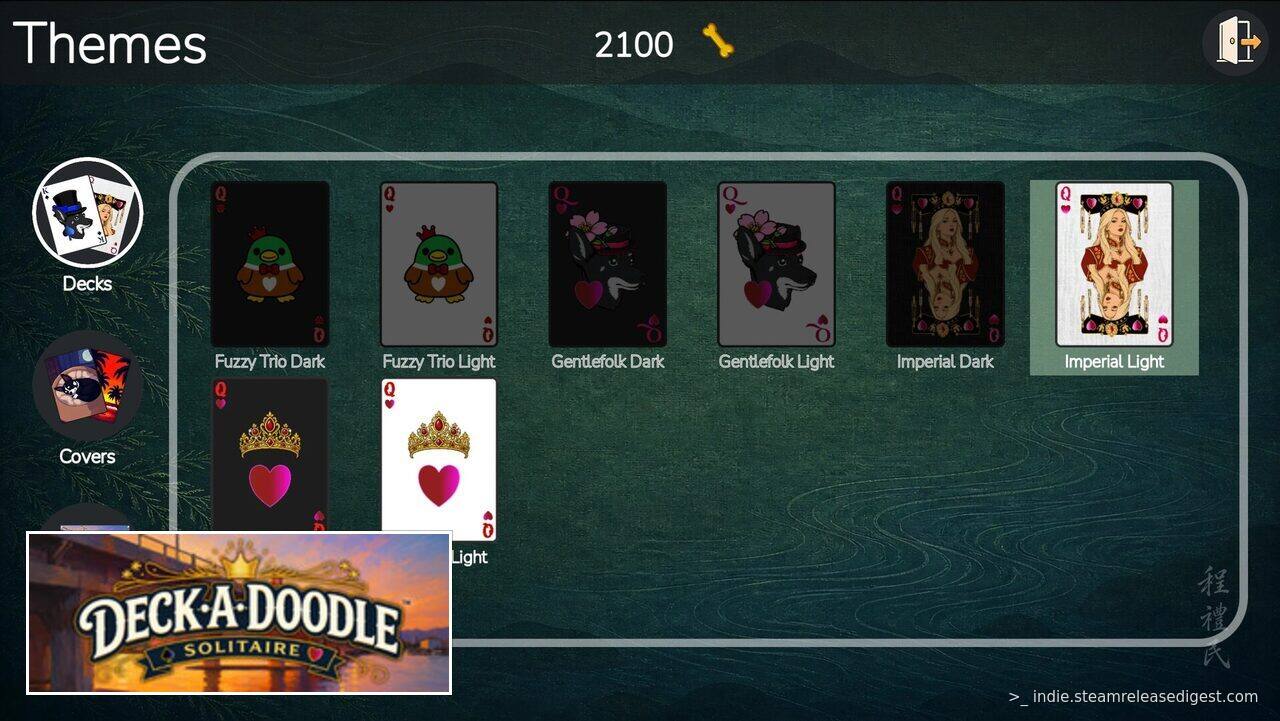
    What elevates the experience beyond a basic card simulator is its tangible sense of progression. Instead of trickling out unlocks through paid battle passes or artificial daily gates, the game rewards wins with “Snacks.” Players use these Snacks to unlock an impressive vault of cosmetics: 30 hand-crafted tables, 76 card covers, and four original illustrated decks (each featuring both light and dark versions). The artwork spans from cozy pixel art to sweeping painted landscapes, and if you look closely, you will even find a few heartwarming tributes to the creators’ own pets hidden among the face cards. The aesthetic is incredibly cohesive, tying the physical beauty of the Pacific Northwest into the tactile pleasure of flipping cards.

    The player response to the game has been overwhelmingly positive, but it isn’t entirely without a minor rough edge. One point of friction for newcomers is the complete absence of an in-game tutorial. If you aren’t already familiar with how to play Pyramid or Spider solitaire, you will have to rely on trial-and-error or look up the rules externally to find your footing. Fortunately, the interface is clean and intuitive enough that most players report getting the hang of things after just a few minutes of experimenting, but a simple rules sheet would have gone a long way for absolute beginners.

    Beyond that small omission, player feedback is glowing, specifically praising how the game respects the user’s time and wallet. Steam reviews highlight the game’s steady, respectful progression loop. One reviewer noted how satisfying it is to browse the unlockable themes, pick out a specific deck, and know exactly how to earn it without facing a grueling, endless grind. Others point to the audio design, praising the chill soundtrack and the satisfying crunch of the cards as the perfect remedy for winding down after a stressful workday. It’s a challenge that occupies the mind just enough to keep you engaged, but never enough to spike your heart rate.

    Ultimately, this game is for a very specific crowd: players who love cards but are tired of the aggressive advertising, constant pop-ups, and subscription models of modern card apps. If you want a clean, buy-once-play-forever package filled with beautiful, localized art and a relaxing atmosphere, this is an easy recommendation. It’s a love letter to the rainy, forested landscapes of the Pacific Northwest, packaged in a humble digital deck that easily justifies its modest price tag.

    Key Facts

    • Developer: BumWobble Games
    • Publisher: Honeypaw Co.
    • Release Date: May 29, 2026
    • Price: $7.99
  • Finding Harmony in the Clutter: Why 100 Music Cats is the Ultimate Micro-Sized Distraction

    Finding Harmony in the Clutter: Why 100 Music Cats is the Ultimate Micro-Sized Distraction

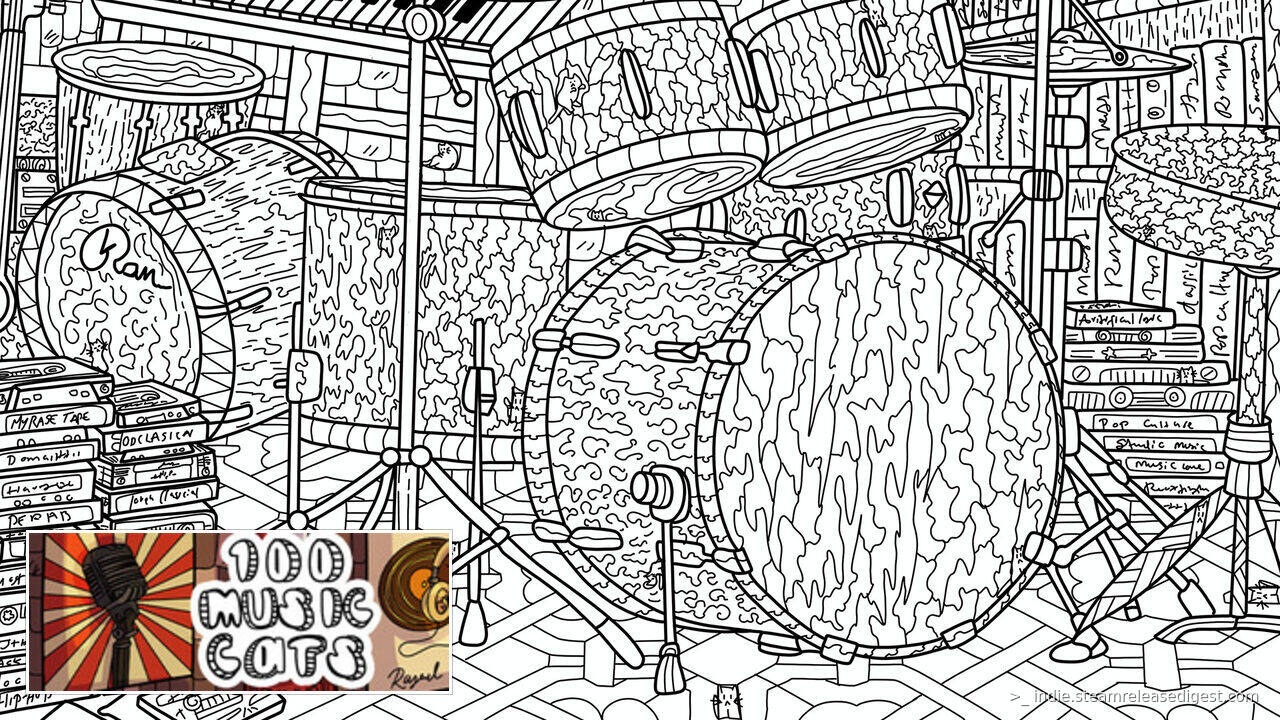
    “Music and cats. I could not be clearer about my interests.” This brief, deadpan line from a Steam player review perfectly distills the exact appeal of 100 Music Cats. It is a game that does not bother with elaborate framing devices, complex tutorials, or sweeping narrative arcs. Instead, it places a single, highly detailed, hand-drawn illustration in front of you, populates it with one hundred hidden felines, and tasks you with finding them while an upbeat, mood-lifting soundtrack plays in the background. It is a hyper-focused, low-stakes digital equivalent of a cozy activity book, designed to be cleared in a single, peaceful sitting.

    At its core, 100 Music Cats is a pure hidden-object game stripped of any unnecessary friction. The entire experience takes place within just one level. Your screen is filled with a dense, whimsical, monochrome landscape of themed locations where cats lounge, peek, and squeeze into the most improbable spaces. Armed with only your mouse and your observational skills, you zoom in and sweep across the screen, hunting for the telltale curves of pointy ears or curling tails. Clicking a successfully spotted cat triggers a real, satisfying “meow” sound effect and increments a combo counter, slowly bringing the hand-drawn world to life as you narrow down the remaining targets.

    100 Music Cats gameplay screenshot
    Image courtesy of 100 Cozy Games, Cats via Steam

    The developers, 100 Cozy Games and Cats, have tuned the mechanics specifically for relaxation. There are no punishing timers ticking down to a “Game Over” screen, nor are there penalty clicks for guessing wrong. If a particularly elusive feline manages to blend perfectly into the background architecture, a built-in hint system is readily available to gently guide your eye without making you feel penalized. It is a design philosophy that prioritizes decompression over challenge, encouraging you to simply drift through the artwork and enjoy the tactile feedback of finding each hidden creature.

    Player reception is unanimously positive, though it reflects the game’s incredibly modest scope. What players love most is the sheer, unpretentious joy of the presentation. Reviewers consistently praise the upbeat, cheerful music, noting that the soundtrack works in tandem with the visual style to actively lift their mood after a stressful day. The artwork itself receives high marks for its quality and cleverness, with players enjoying how some cats are hidden in plain sight while others require a keen eye and a bit of zooming to detect. It is described as a “visually stunning” and “cozy” escape that delivers exactly what it promises on the tin.

    However, that focus on simplicity is also where the game’s limitations become clear. This is an incredibly brief experience. With only one level to explore, most players will find all one hundred cats in a matter of minutes—a reality reflected in the “0 hours played” tags on many of the launch-week reviews. While one player dryly scored the game a “3.5/10” while still leaving a thumbs-up recommendation, the broader consensus is that the brevity is fair given the micro-budget pricing. It is not a game designed for replayability or deep mechanical mastery, but rather a delightful, fleeting distraction that you play once, smile at, and perhaps keep installed for a quick hit of cozy aesthetics.

    Ultimately, 100 Music Cats is for a very specific mood and audience. If you are looking for a complex puzzle game to sink dozens of hours into, this is not it. But if you have two dollars to spare, love hand-drawn art, appreciate a cheerful soundtrack, and want a completely stress-free way to unwind for half an hour, this charming little title is well worth your time. It is a bite-sized piece of interactive comfort food that understands exactly what it wants to be and delivers it without any fuss.

    Key Facts

    • Developer: 100 Cozy Games, Cats
    • Publisher: 100 Cozy Games, Cats
    • Release Date: May 30, 2026
    • Price: $1.99
  • Statecraft: Corrupted Democracy and the Art of the 1970s Political Heist

    Statecraft: Corrupted Democracy and the Art of the 1970s Political Heist

    Try to run an honest, clean campaign in Statecraft: Corrupted Democracy, and you will get absolutely pulverized in the polls.

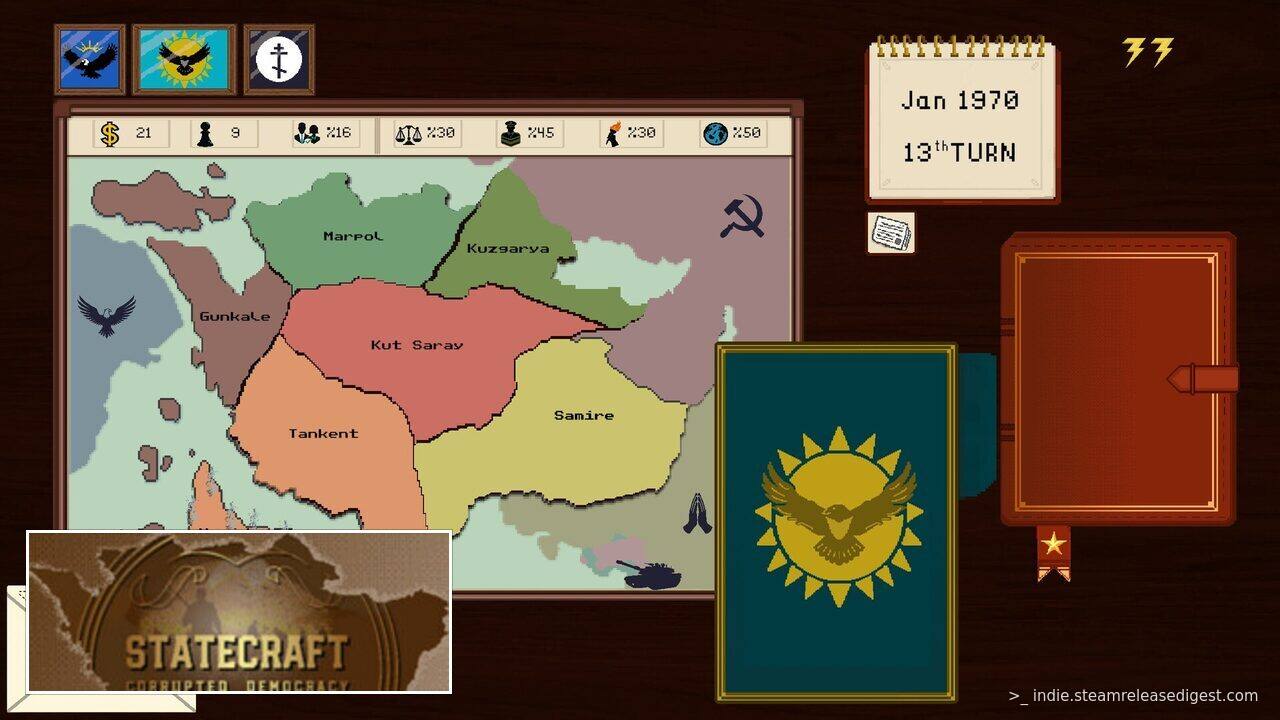
    This is not a game about idealistic public service; it is a dark, cynical, and highly condensed simulator where running a political party feels closer to running a mid-century crime syndicate. Set in a fictionalized, volatile country reminiscent of Cold War-era Turkey, the game drops you into a landscape of economic collapse, street violence, and deep social divides. Your goal is simple: win the upcoming election by any means necessary. If you cannot win through the ballot box, the game expects you to tear the ballot box apart, invite a military coup, or ignite a civil war to seize power anyway.

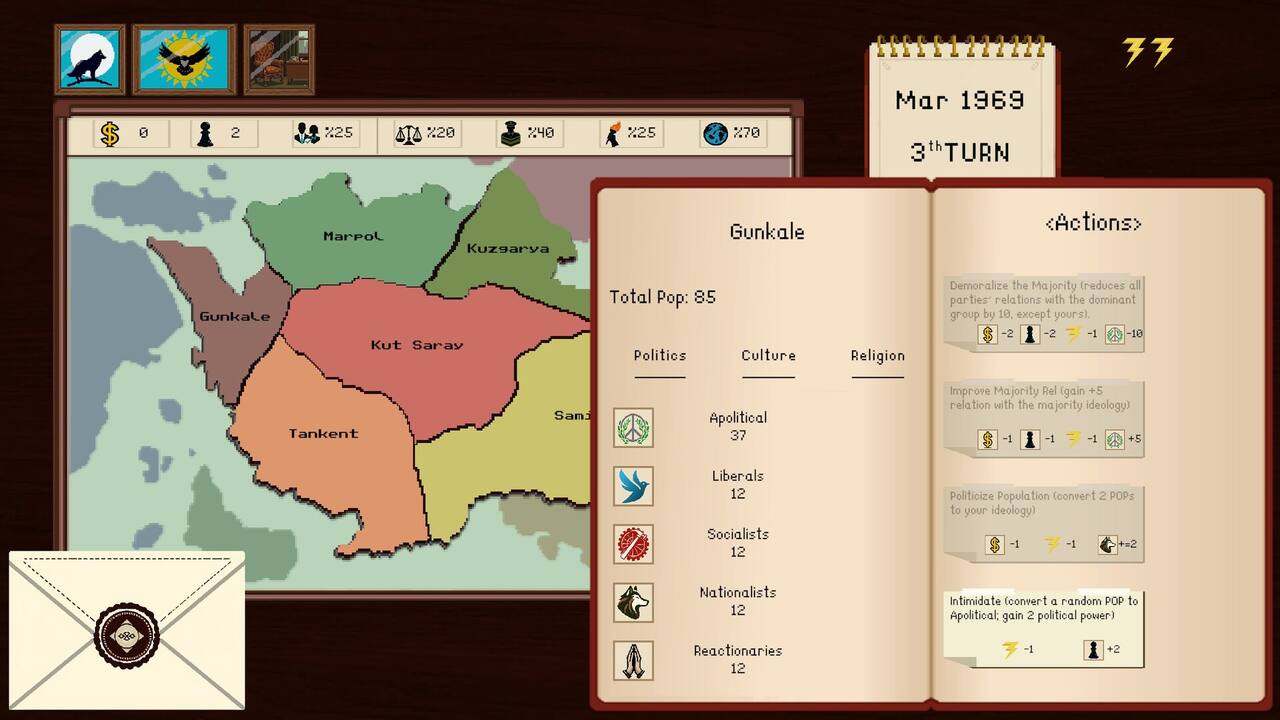
    At its heart, Statecraft treats voters not as citizens with dreams, but as demographic numbers to be mathematically manipulated. You scan country data to identify ideological weak points, finding ways to scare liberals, lie to conservatives, or politicize neutral citizens into fanatical partisans. A core pillar of the gameplay is media control. When crises inevitably strike, you do not solve them; you spin them. If a famine occurs on your watch, the newspaper headline system lets you rebrand it as a state-sponsored “diet program.” If you lose an election, you can pivot to dirty diplomacy, form alliances with radical shadow organizations, or burn the democratic system down entirely to establish a socialist dictatorship or a theocracy.

    With an 89% positive rating across its early reviews, the game has clearly struck a chord with niche strategy fans, though player feedback highlights a distinct split between what the game promises on paper and how it feels in practice.

    Statecraft: Corrupted Democracy gameplay screenshot
    Image courtesy of Engincan Çiçek, Bad Engine Studio via Steam

    What players love is the game’s brisk pacing and its sharp sense of dark humor. Unlike dense political giants like Suzerain or Democracy, which can require hours of reading and spreadsheet management to understand, Statecraft is highly approachable. Reviewers note that the core mechanics take less than fifteen minutes to grasp. It strips away the bloat of a million sub-systems, offering a streamlined, board game-like flow that makes it easy to run multiple scenarios. The dark, satirical tone successfully captures the chaotic machinations of machine politics, making catastrophic failures just as entertaining as corrupt victories.

    However, players are equally vocal about the game’s rough edges. The user interface is currently a major point of frustration. One reviewer pointed out a particularly ironic UX oversight: while the developer thoughtfully added a text-resizing option for accessibility, turning it on causes the text to completely overflow and run out of its designated UI boxes. This clunkiness gives off distinct “single-developer vibes,” requiring players to occasionally fight the interface to enjoy the underlying game.

    More critically, players looking for a deep, mechanically distinct grand strategy game may walk away disappointed. Some reviewers have warned that Statecraft behaves more like a simple digital board game than a complex political simulator. Currently, all political parties play identically, meaning the ideological differences are largely a thin veneer of flavor text rather than distinct mechanical systems. Some players have also expressed a desire for more gradual paths to authoritarianism—such as slowly eroding democratic norms from within the assembly—rather than relying so heavily on sudden, violent revolutions to transition to one-party rule.

    Ultimately, Statecraft: Corrupted Democracy is a promising, budget-friendly political playground. It is not a sprawling, hyper-realistic government simulator, nor is it a polished AAA experience. It is a quick, chaotic, and wonderfully cynical strategy game meant for players who want to scheme, lie, and manipulate their way to the top of a fragile state without getting bogged down in hours of tutorials.

    Key Facts

    • Developer: Engincan Çiçek, Bad Engine Studio
    • Publisher: Engincan Çiçek, Bad Engine Studio
    • Release Date: May 26, 2026
    • Price: $9.99
  • Lacrosse 26: A Passionate, Rough-Around-the-Edges Return to the Crease

    Lacrosse 26: A Passionate, Rough-Around-the-Edges Return to the Crease

    When players first boot up Lacrosse 26, they are greeted not by the polished glitz of a high-budget sports franchise, but by a raw, earnest attempt to capture the physical reality of the sport. Fans of lacrosse have waited nearly a decade for a dedicated simulation, and many expected a slick, seamless return to the field. What they actually got is a game with a split personality: a deeply mechanical, physics-driven simulation that boasts impressive animation tech, running side-by-side with glaring rule omissions and physics bugs that can make a match feel like a wild-west brawl.

    At the heart of Lacrosse 26 is its motion-matching animation system. Rather than relying on rigid, canned sequences triggered by button presses, the game blends speed, stick position, and player input dynamically. When you execute a split dodge, snap off a quick-stick finish, or scoop up a contested ground ball, the physics feel heavy and grounded. The game also features a full Dynasty Mode, giving players the reins of a program to handle recruiting, roster development, and scheduling over multiple seasons as they try to turn underdogs into powerhouses.

    For those who love the sport, these “good bones” are a major triumph. Real-life lacrosse players have praised the game for capturing the genuine feel of the sport, noting that once you master the controller-heavy layout, the gameplay becomes highly rewarding. With a positive review rating hovering around 87%, the community is rallying behind the game largely because of the developer’s apparent passion. Players feel that Crosse Studios is actively listening, pushing updates, and genuinely caring about refining the experience. To many, it represents a solid foundation that is only going to get better with time.

    Lacrosse 26 gameplay screenshot
    Image courtesy of Crosse Studios via Steam

    However, that foundation currently has some glaring cracks. The most frequent complaint from the community centers on the game’s rules—specifically, the crease. Currently, opposing players can walk directly into the goalie’s crease, shoot without penalty, and even check the goalie while they are inside the protected zone. For a simulation, this is a massive oversight that completely disrupts the flow of competitive play. Additionally, players have noted that defensive movement feels “slippery,” and the lack of a dedicated sprint button makes chasing down attackers frustrating.

    The passing mechanics also need a tighter grip. Right now, players can effortlessly heave the ball across the entire length of the field to their attackers with minimal risk of interception or inaccuracy, even while contested. Reviewers have called for more nuanced passing options, such as distinct lob or bullet passes, alongside a passing rating system that punishes unrealistic, full-field throws. There are also quirky complaints about the game feeling “weird” when you actually win a match, and some players have pointed out that despite the new animation tech, the game occasionally feels less cohesive than its decade-old predecessors, Lacrosse 16 and 18.

    The price tag of $34.99 is another sticking point. While players want to support the developer’s dedication, several reviews note that the current state of the game—buggy rules and limited move sets—doesn’t quite justify the cost of admission. Many who left positive reviews still advised prospective buyers to wait for a sale or for a few more major patches to drop before diving in.

    Ultimately, Lacrosse 26 is a game for the faithful. If you are a lacrosse enthusiast who has been starving for a simulation and you want to support an active developer who is actively shaping the game based on community feedback, there is a lot of fun to be had here. But if you are looking for a complete, bug-free sports package where the rules of the crease are strictly enforced, you might want to bench this one until it spends a bit more time in development.

    Key Facts

    • Developer: Crosse Studios
    • Publisher: Crosse Studios
    • Release Date: May 23, 2026
    • Price: $34.99