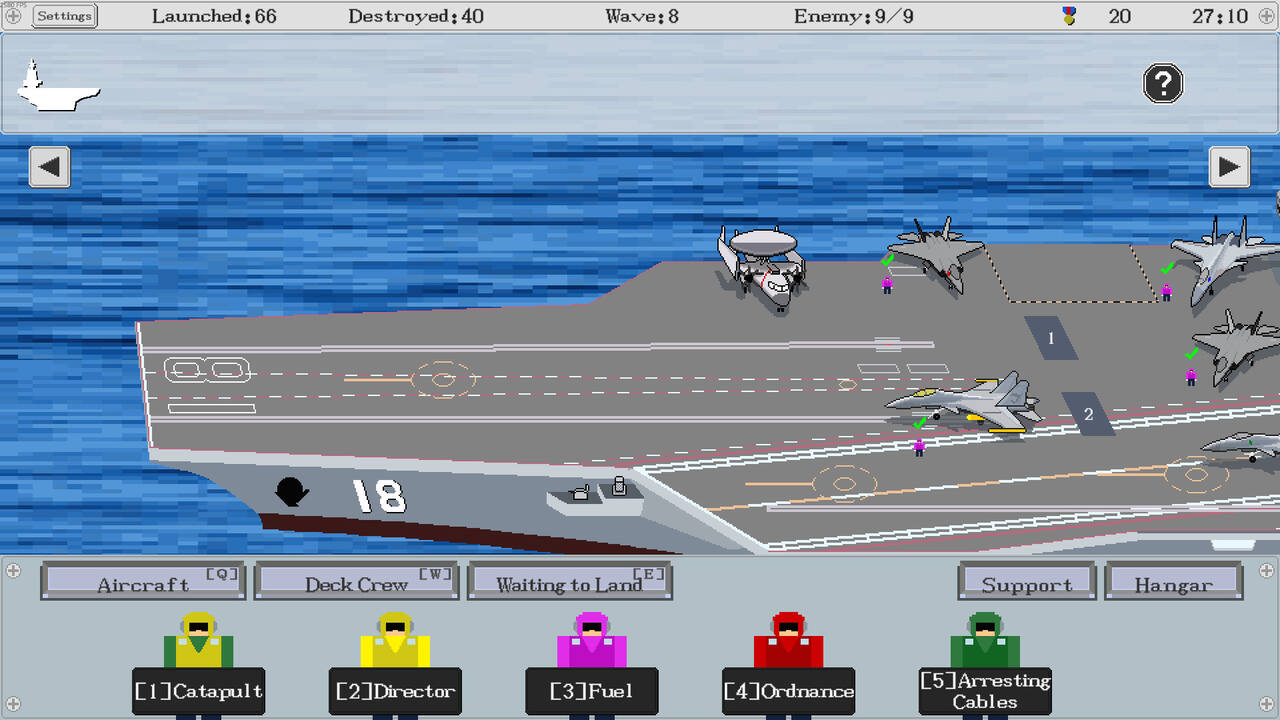
Author: sitemill

  • Cauldron Craft: A Handcrafted Recipe for Cozy, Nostalgic Alchemy

    Cauldron Craft: A Handcrafted Recipe for Cozy, Nostalgic Alchemy

    Playing as a tiny wizard named Lemon, you spend your days wandering through quiet, hand-drawn biomes, gathering odd ingredients like carrots and charcoal to feed into a talking cauldron. Developed and published entirely by solo creator ByePidgeon, this cozy RPG strips away the stressful survival mechanics of modern crafting games, replacing them with a gentle, self-paced loop of exploration and discovery.

    The core of the game is centered around six distinct, explorable areas where you forage for raw materials. Once your backpack is full, you head back to your cauldron to experiment with over 200 unique and magical recipes. Guiding your journey is a magical tome that acts as your quest-giver, requesting specific items and rewarding you with the blueprints and resources needed to progress. What you craft isn’t just for show, either; you can customize Lemon with new shirts, capes, and hairstyles, or even wear your newly crafted trophies as companions that follow you on your travels.
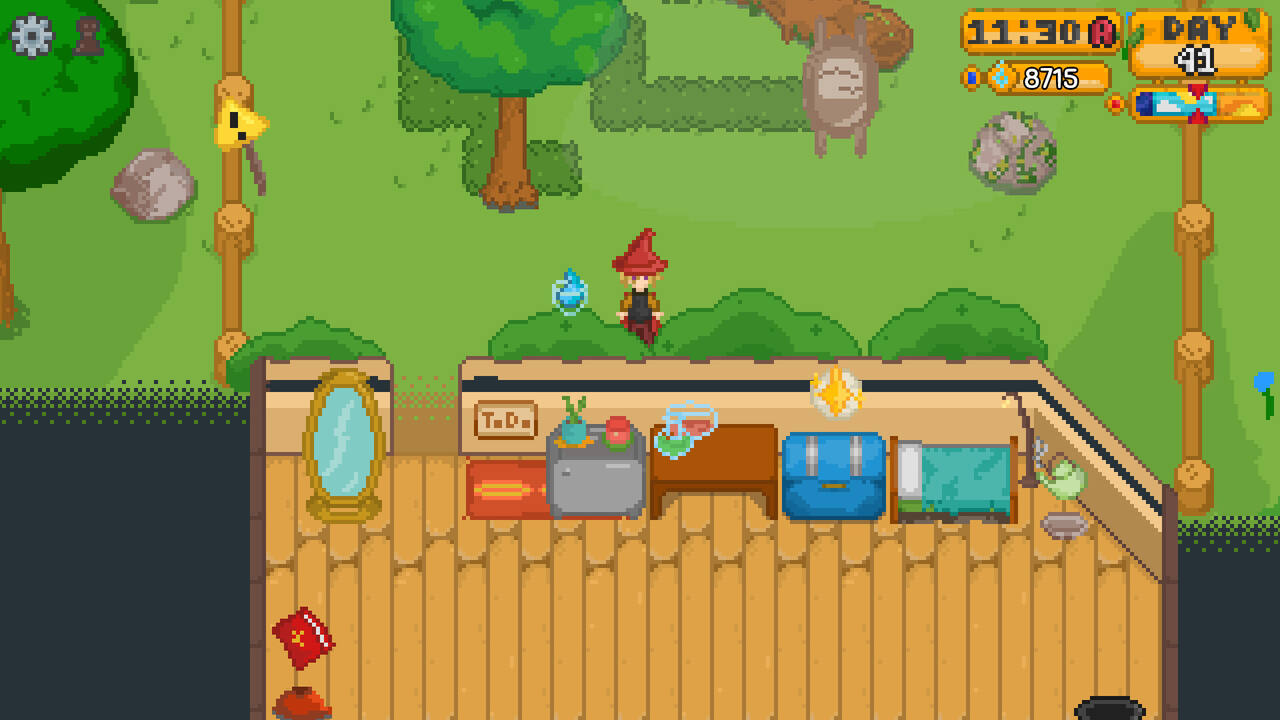
    Cauldron Craft gameplay screenshot
    Image courtesy of ByePidgeon via Steam

    Players who have spent time with the game highlight its distinct, handmade aesthetic. Because the developer built everything from the ground up—including the retro-style graphics and animations—the world feels personal and cohesive. A recurring point of praise is the game’s instrumental soundtrack, which several players noted carries a warm, nostalgic quality reminiscent of classic MMORPGs like Maplestory. It is a slow-paced experience designed to let you zone out, click away, and enjoy the simple satisfaction of watching a collection log fill up.

    Part of the charm lies in the game’s whimsical, sometimes absurd recipe logic. Figuring out what happens when you combine a carrot, charcoal, and a snowman is part of the fun, and the game rewards curiosity rather than punishing failure. There are even playful nods to the mechanical simplicity of the genre, such as an achievement awarded simply for click-spamming an item. With features like saving anytime, custom volume controls, and a complete lack of timed inputs, it is designed to be played at whatever speed fits your life.

    However, players looking for a deep, challenging RPG or complex crafting trees should adjust their expectations. The recipes are relatively straightforward, and the gameplay loop is intentionally simple. This is a small-scale, intimate project rather than a massive, hundred-hour epic. Its playtimes range from a quick, relaxing hour with a child to a dozen hours for completionists who want to unlock every single recipe and achievement.

    Ultimately, this is a game for anyone who wants to unwind with a low-stress gathering loop, appreciate some lovely solo-developed pixel art, and listen to a great soundtrack. It is a gentle, unpretentious toybox of a game that respects your time and offers a warm, whimsical escape.

    Key Facts

    • Developer: ByePidgeon
    • Publisher: ByePidgeon
    • Release Date: Jun 9, 2026
    • Price: $6.99
  • Sliding on Thin Air: Why Exo Rally Championship is the Sci-Fi Racer You Need to Play

    Sliding on Thin Air: Why Exo Rally Championship is the Sci-Fi Racer You Need to Play

    Hurtling over a low-gravity alien ridge at eighty miles an hour, you tap your rover’s RCS thrusters to pitch the nose down, ensuring all four tires bite the dust simultaneously before the next razor-sharp turn.

    This is the heart of Exo Rally Championship, an intensely physical sci-fi racing simulation that swaps the smooth asphalt of traditional motorsport for the jagged, untamed expanses of hostile exoplanets. Taking cues from grueling real-world endurance events like the Dakar Rally, the game tasks you with piloting advanced, thruster-equipped rovers across wilderness where roads simply do not exist. You are not just managing throttle and steering here; you are managing momentum, gravity, and a limited tank of thruster fuel that lets you jump obstacles, correct your orientation mid-air, and stick tricky landings on terrain that actively wants to rip your suspension apart.

    The simulation demands constant mechanical awareness. The physics engine is unforgiving, featuring realistic tire models, drive-trains, and a highly sensitive damage system. Stages are littered with extreme weather, wild temperature swings, and howling winds that threaten to push you off-course. To survive, you must engage with a deep career mode where you tune and repair your vehicle between stages, slowly rising from a back-of-the-pack underdog to a seasoned champion. Beyond the built-in career, the game features a robust stage editor allowing players to carve out custom routes up to 10 square kilometers. These custom tracks, alongside procedural daily and weekly stages, feed into an asynchronous online multiplayer system where you chase global leaderboards on your own schedule.

    Exo Rally Championship gameplay screenshot
    Image courtesy of Exbleative via Steam

    With a stellar 92% positive rating on Steam, players have deeply connected with the game’s uncompromising physical presence. Reviewers frequently praise the physical weight and audio design, noting that it genuinely feels like driving a heavy, complex machine on another celestial body. The feedback loop of planning your path, reacting instantly to sudden drops, and keeping your foot down on the “bleeding edge” of control is described by players as both thrilling and highly original. For many, the daily and weekly challenges combined with the track editor offer almost infinite replayability.

    However, this alien safari is not without its rough edges. The most common complaint centers around the game’s handling on specific wet surfaces. Some players feel the developers went a step too far with low-traction physics, noting that certain specialized tires feel almost useless outside of extremely narrow niches, making rainy stages feel like sliding on grease. Furthermore, those who prefer to drive from the cockpit will find their immersion broken. The first-person view lacks a properly modeled dashboard and instruments, and environmental effects like rain and dust pass right through the windshield to splatter directly onto your helmet. The replay system is similarly barebones, lacking the camera options that simulator veterans expect.

    Despite these quirks, Exo Rally Championship stands out as a triumph of conceptual execution. It is a must-play for sim-racing veterans looking for a brand-new mechanical challenge that tests their spatial awareness in three dimensions. While it includes adjustable difficulty settings to accommodate beginners, the real joy here belongs to those who love the grit of off-road driving and want to master a machine that is half-rover, half-rocket. If you can forgive a slightly undercooked cockpit camera, this is one of the most mechanically interesting and rewarding racing games to launch in years.

    Key Facts

    • Developer: Exbleative
    • Publisher: Future Friends Games
    • Release Date: Jun 7, 2026
    • Price: $24.99
  • The Sinking City 2: Frogwares Trades the Detective Trench Coat for Pure, Damp Survival Horror

    The Sinking City 2: Frogwares Trades the Detective Trench Coat for Pure, Damp Survival Horror

    A pair of headphones clamped over your ears in the opening hours of the game reveals a masterclass in wet, oppressive dread: the low, watery groan of a drowning 1920s city, the sloshing of rising tides against rotting Art Deco facades, and the skittering of unseen horrors lurking just beyond your lantern light. This is Arkham, Massachusetts, but not as we have seen it before. In this sequel, developer Frogwares has largely abandoned the dry, slow-paced detective investigations of the original game, choosing instead to plunge headfirst into the dark, resource-starved waters of classic survival horror.

    Drowning in the Roaring ’20s

    The core of the experience is a deliberate, tense, and deeply atmospheric loop that borrows heavily from the classic Resident Evil playbook. You navigate a waterlogged port city on foot and by skiff, weaving through dark speakeasies, a hospital where science has clearly abandoned its post, and a fish market where the daily catch is more likely to bite you than the other way around. Progression is built on the satisfying rhythm of survival: you push into dangerous territory, manage a strictly limited inventory, solve environmental puzzles, and unlock shortcuts behind collapsed seawalls to link back to safe havens.

    While the first game merely flirted with survival elements, this sequel leans in entirely. Combat has received a massive overhaul. The stiff, awkward gunplay of Frogwares’ previous titles—including their Sherlock Holmes games—has been replaced with slicker character controls and punchier firearms. However, the developer has not completely abandoned its narrative roots. Detective work is still present, but it has been cleverly repurposed as a risk-versus-reward mechanic. Engaging in optional investigations throughout the flooded city serves as a way to self-regulate the difficulty; the more secrets you unearth, the more weapons, supplies, and ammo recipes you unlock to help you survive the horrors below.

    The Sinking City 2 gameplay screenshot
    Image courtesy of Frogwares via Steam

    The Player Verdict: Atmospheric Triumph Marred by Technical Rust

    The reception among early players is overwhelmingly positive, with a 97% approval rating, but that high praise comes with some heavy caveats. What players love is the game’s incredibly thick atmosphere. Fans of Lovecraftian fiction are celebrating the game as a highly faithful tribute to cosmic horror, praising the sound design, the grim aesthetic, and the tighter, more focused world design. Players note that by reigning in the bloated scale of the first game, Frogwares has delivered a much more cohesive, personal, and frightening experience.

    However, the game’s technical state is currently a major point of frustration. Many players report that the game is plagued by the same severe stuttering issues that hobbled The Callisto Protocol at launch. Every time the game is booted up, players are met with incredibly long shader compilation times. Worse still, a segment of the player base is experiencing frequent, progress-blocking crashes, with some reporting crashes every few minutes during the opening chapter. Additionally, some survival horror purists find the enemy respawn mechanics a bit annoying, and notes have been made that the controls—while a massive leap forward for the studio—still feel slightly stiff when compared to modern, big-budget AAA horror giants.

    The Verdict: Who Is This For?

    This game is a must-play for fans of cosmic horror who want a game that captures the “apocalypse pulp” feel of classic Arkham stories without the bloat of a massive open world. If you love inventory management, dark corridors, and tension-fueled resource management, the atmosphere here is unmatched. However, if you are highly sensitive to micro-stutters, long load times, or launch-week technical instability, you may want to wait for Frogwares to deploy a few performance patches before you take the dive into Arkham’s flooded streets.

    Key Facts

    • Developer: Frogwares
    • Publisher: Frogwares
    • Release Date: Aug 18, 2026
    • Price: $49.99
  • Maku: Nostalgic Bullet-Hell Charm Meets 1.0 Growing Pains

    Maku: Nostalgic Bullet-Hell Charm Meets 1.0 Growing Pains

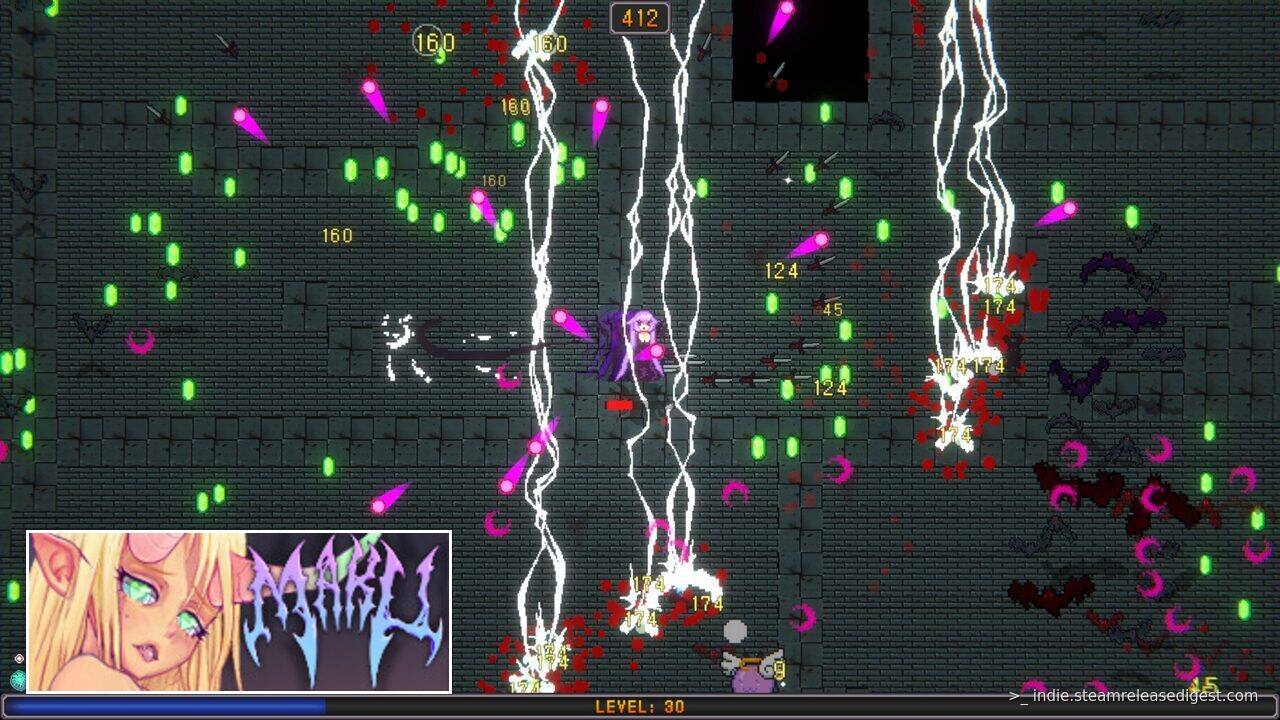
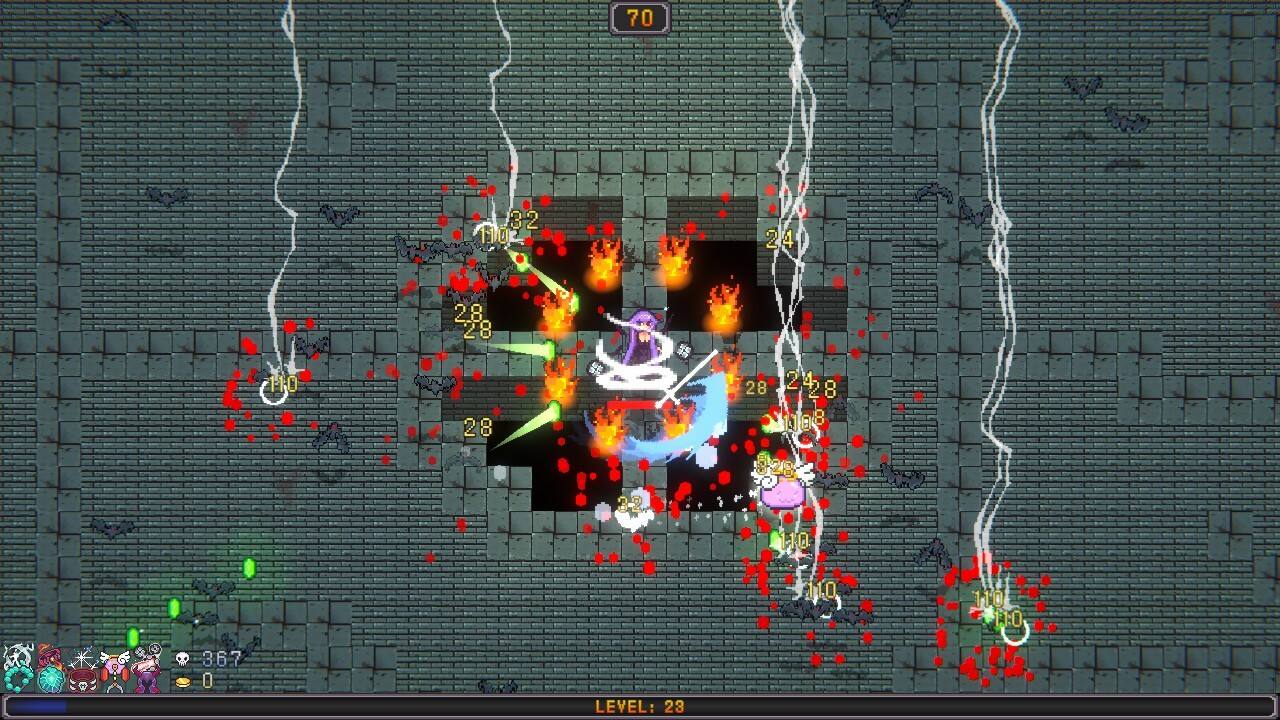
    At first glance, Maku looks like the kind of game you’ve played dozens of times before: a simple, retro-styled arena where you drift around a screen-filling horde of monsters while your character auto-attacks. But the moment you step into its arenas, the illusion of passive survival breaks. Instead of letting you mindlessly drift, Maku requires you to actively coordinate your positioning to align with specific firing patterns and weapon timings. It is a game of tight margins, demanding that you weave directly through enemy bullet patterns rather than just running away from them.

    The Core Gameplay Loop

    Developed as a solo project without the use of AI assets, Maku brands itself as an “inverted bullet hell.” The fundamentals will be familiar to any fan of the horde-survival genre: you pick a character, drop into a world, and attempt to survive against increasingly aggressive waves of monsters. As you defeat enemies, you gather coins and power-ups to assemble synergistic builds, all with the goal of defeating the world boss before the clock runs out.

    Where Maku attempts to carve out its own space is in its pacing and mechanical variety. Outside of the standard survival mode, the game includes a “Turbo” mode designed to test your reflexes with shorter run times, and an “Endless” mode meant for farming permanent upgrades. For players looking for a stiffer challenge, “Hardcore” and “Demon” modes ramp up the difficulty significantly, forcing you to master the unique firing arcs of your chosen character.

    Maku gameplay screenshot
    Image courtesy of whelp via Steam

    What Players Love

    For a game with a modest $2.99 price tag, Maku has found a receptive audience. Many players praise its nostalgic, retro-themed pixel art and a chiptune soundtrack that doesn’t feel repetitive even after multiple runs. It has earned a reputation as a great “shut your brain off” game, offering quick bursts of satisfying gameplay that feels especially at home on the Steam Deck.

    Reviewers have also highlighted the steady progression of bosses and enemies per level, noting that it provides a genuine sense of accomplishment even on your very first run. The variety of unlockable characters and the solid fusion of twin-stick shooting mechanics with traditional “bullet heaven” design give the game a distinct flavor that many community members find highly addictive.

    What Frustrates Them

    However, Maku is not without its rough edges, and the player base is split on whether it was truly ready for a full release. Several reviews point out that the game feels unfinished, with some players questioning its “1.0” status due to persistent bugs—though some note these are minor enough to be resolved with a quick restart.

    Another major point of contention is the progression system, which some players find frustratingly dependent on luck. Because the current pool of abilities is relatively small, succeeding on a tough run often comes down to RNG—hoping the game hands you the right items in the exact order you need them to finish a level. While many players forgive these shortcomings because of the incredibly low price point, more critical voices have labeled the game a lazy clone of Vampire Survivors, with one frustrated reviewer claiming the game was abandoned by the developer only five months after launch.

    The Verdict

    So, is Maku worth your time? If you are looking for a highly polished, deep, and revolutionary entry in the survivor genre, you will likely be disappointed by its limited pool of abilities and occasional bugs. But if you want a cheap, charming, and challenging retro distraction to play on your Steam Deck, Maku offers excellent value. It’s a rough-around-the-edges solo project that, despite its flaws, delivers a fun, nostalgic dose of bullet-hell action for the price of a cup of coffee.

    Key Facts

    • Developer: whelp
    • Publisher: whelp
    • Release Date: Jun 7, 2026
    • Price: $2.99
  • BCKSPCE: Unpacking the Beautiful, Unsettling Melancholy of SPECTRE OS

    BCKSPCE: Unpacking the Beautiful, Unsettling Melancholy of SPECTRE OS

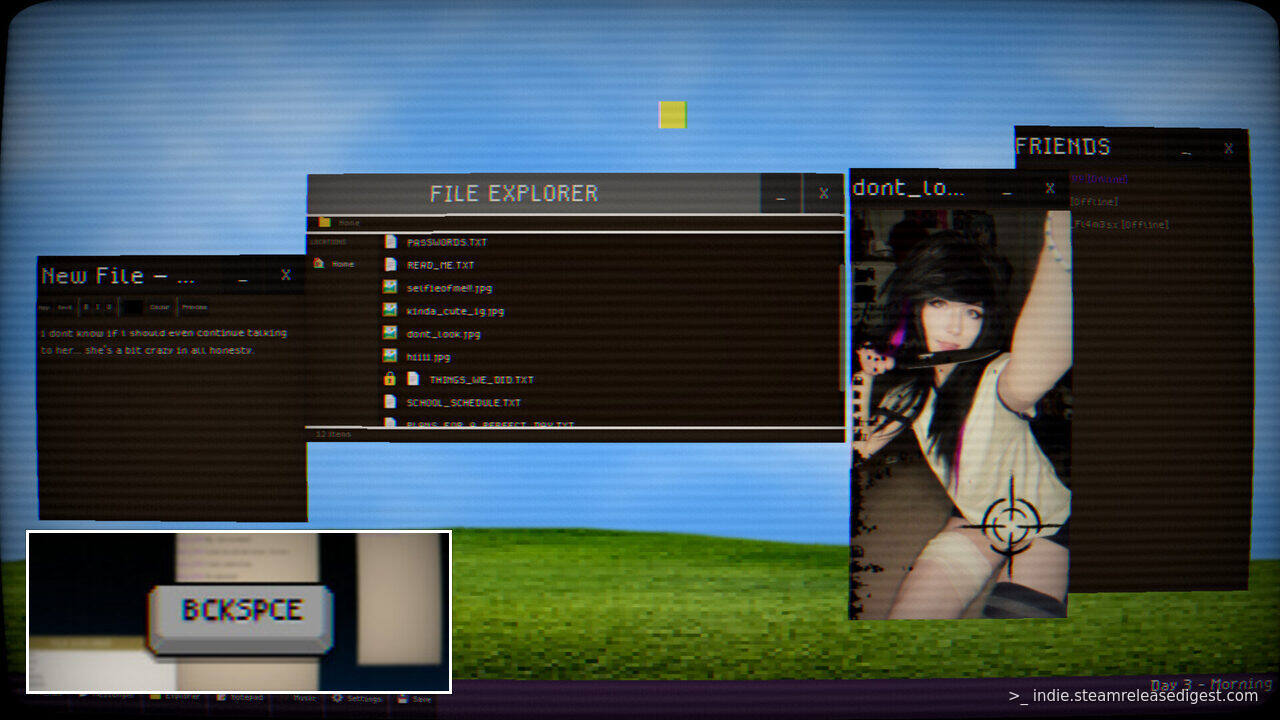
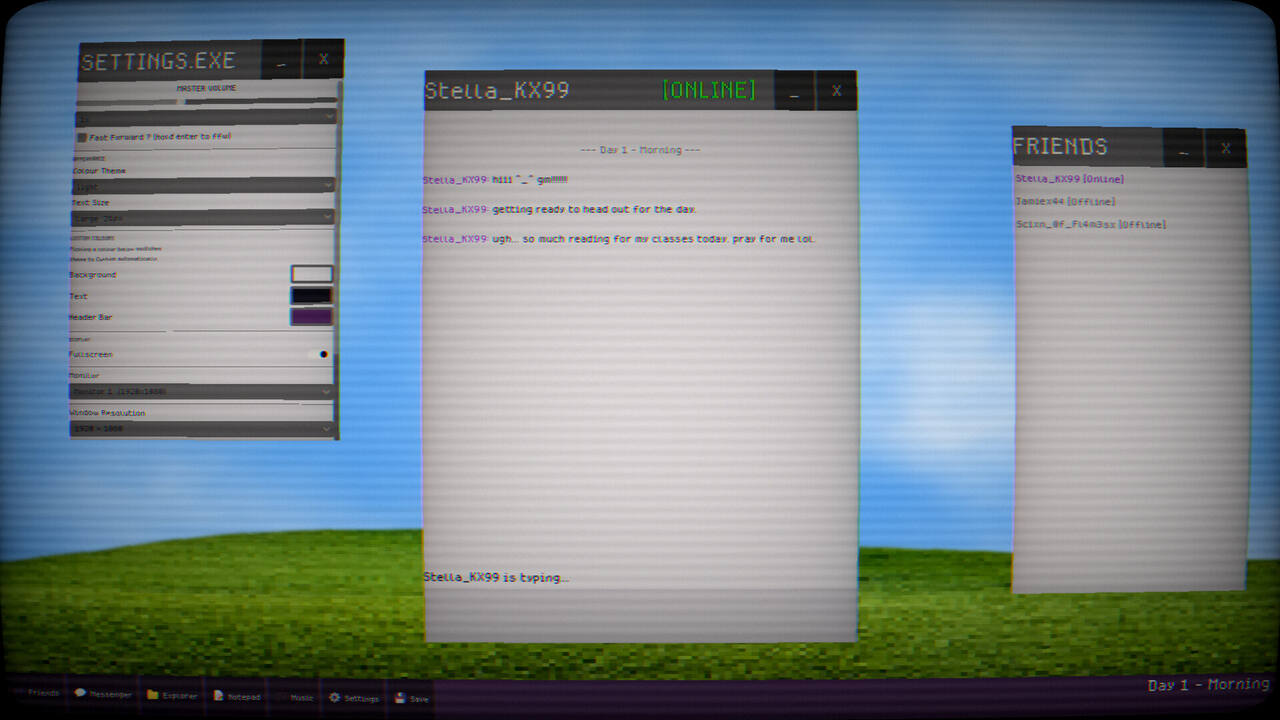
    A fictional, decades-old operating system called SPECTRE OS is your only window into the mind of Stella, a friend whose cheerful guiding voice slowly decays into something deeply unsettling. Launching quietly on Steam for a mere $1.49, BCKSPCE is a psychological thriller masquerading as a retro desktop simulator. It is an impressive, albeit rough-edged, debut from developers Lunavia and Oxiqa that pulls you into a hazy, glitch-ridden week where your own memories are failing, and the girl on the other end of the screen is hiding far more than she lets on.

    The core loop of BCKSPCE tasks you with navigating the folders, command lines, and forgotten applications of the simulated SPECTRE OS. At first, it feels like a digital archaeology project as you piece together your connection to Stella. You will solve classic desktop-style puzzles—like decrypting password-protected archives such as “birthday.zip”—and play simple, interactive minigames. However, the game refuses to stay confined to a flat 2D interface. As the days progress, BCKSPCE shifts, pulling you into a fully 3D space designed to disorient and unnerve. It relies heavily on environmental storytelling, forcing you to poke around the operating system to trigger the next narrative beat, creating a claustrophobic sense that you are trapped inside a digital cage with someone who does not want to let you go.

    BCKSPCE gameplay screenshot
    Image courtesy of Lunavia, Oxiqa via Steam

    What players are championing most is the game’s rich, nostalgic aesthetic and the restraint of its writing. The developers have crafted a beautifully authentic CRT television filter, complete with a dedicated adjustment slider that lets players fine-tune the visual scanlines to their liking. This visual wrapper perfectly suits a story that refuses to spoon-feed its audience. Instead of explicitly detailing Stella’s trauma, BCKSPCE trusts the player to piece together her mental state through subtle environmental cues, hidden text, and brief, quiet interactions. Many players have noted that this slow-burn tension gives off heavy Doki Doki Literature Club vibes, offering a sweet yet hauntingly rewarding payoff for those who stick it out to the end of its brief, two-hour runtime.

    However, BCKSPCE is a debut project, and its budget price tag comes with some noticeable mechanical friction. Players have reported getting completely blocked by a fast-clicking virus minigame that suffers from a lack of clarity; it is never quite obvious what score you need to pass, and the required clicking speed can be a frustrating accessibility barrier. Furthermore, while the visual style is highly praised, the game’s font can be incredibly small and difficult to read, even when tweaking the color palettes. There are also technical hiccups, such as “enter to skip” prompts failing to work, and confusing progression triggers where simply reopening a program you have already completed can cause events to loop or fire unexpectedly.

    Potential players should also be warned that BCKSPCE does not pull its punches when it comes to psychological horror. Some sequences deal directly with heavy themes of self-harm, which some players found incredibly uncomfortable and distressing to sit through. A sudden, intensely loud voice call segment also caught players off guard, transitioning the game’s quiet, creeping dread into jarring, heart-pumping panic. It is a game that deliberately aims to make you feel unsafe at your own keyboard, meaning those sensitive to self-harm themes or sudden loud audio spikes should approach with caution.

    Ultimately, BCKSPCE is a fascinating, budget-friendly gem for fans of psychological horror, desktop simulators, and retro-tech mysteries. If you can forgive a few clunky minigames, a tiny font, and some intense thematic spikes, it offers an emotional and deeply atmosphere-driven experience that punches well above its weight class. It is a genuine passion project that respects your intelligence, proving that you do not need a massive budget to deliver a lingering, unsettling chill.

    Key Facts

    • Developer: Lunavia, Oxiqa
    • Publisher: Lunavia, Team INNERMINDS
    • Release Date: Jun 6, 2026
    • Price: $1.49
  • Blendkins: The Eco-Conscious Creature Finder That Wants You to Stop Collecting

    Blendkins: The Eco-Conscious Creature Finder That Wants You to Stop Collecting

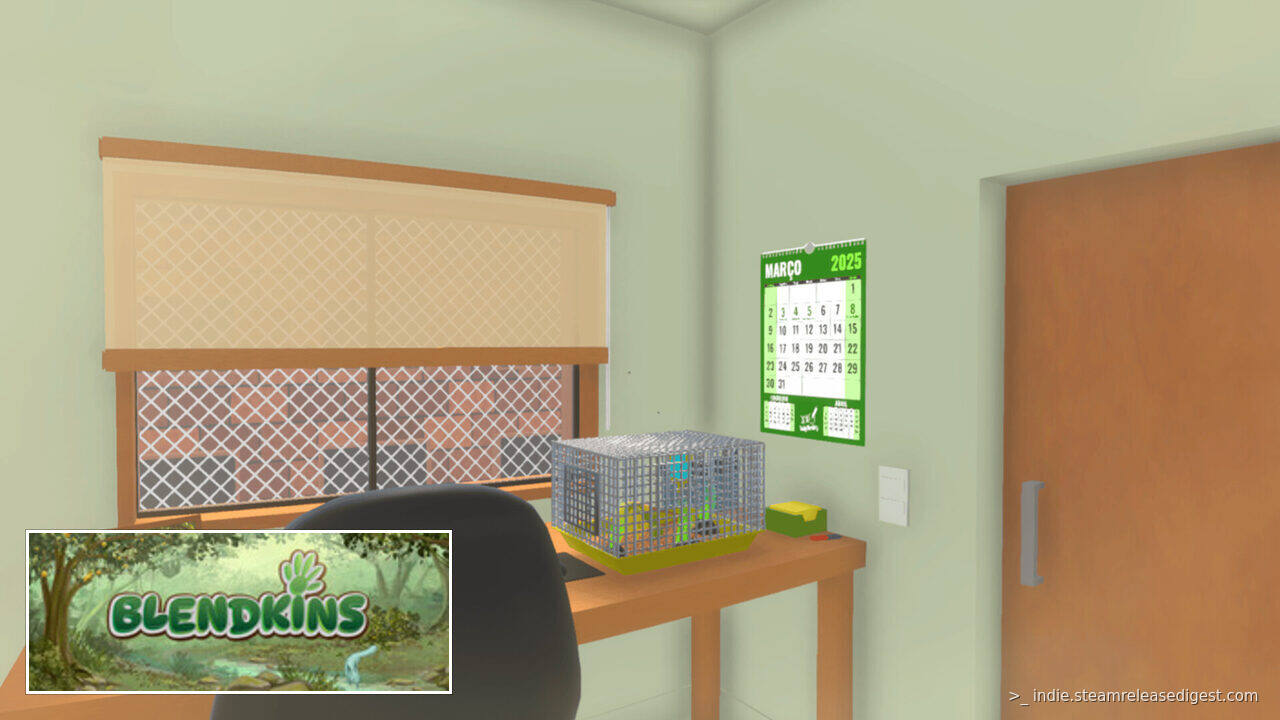
    Spotting a Blendkin in the dense underbrush of the virtual Atlantic Forest requires genuine, focused observation. They do not pop out with glowing outlines or loud audio cues; instead, these fictional creatures live up to their name, melting yard-by-yard into the vibrant green foliage. At first glance, this setup suggests a cozy, low-stakes game about cataloging cute woodland friends. Yet, the moment you transition from finding these creatures to bringing them home, the experience shifts from lighthearted exploration to a quiet, sobering critique of the exotic pet trade.

    The Forest and the Feed

    The core loop of the game is split into two distinct halves: the wild and the domestic. In the first-person exploration segments, you navigate a lush 3D jungle heavily inspired by the Brazilian Atlantic Forest. Developers TRINAC Studio have infused the environment with a distinct regional texture, eschewing generic woodland assets for flora that feels specific and alive. Hunting for the expertly camouflaged Blendkins is a slow, satisfying process. You have to learn the contours of the environment to distinguish a leaf from a living creature.

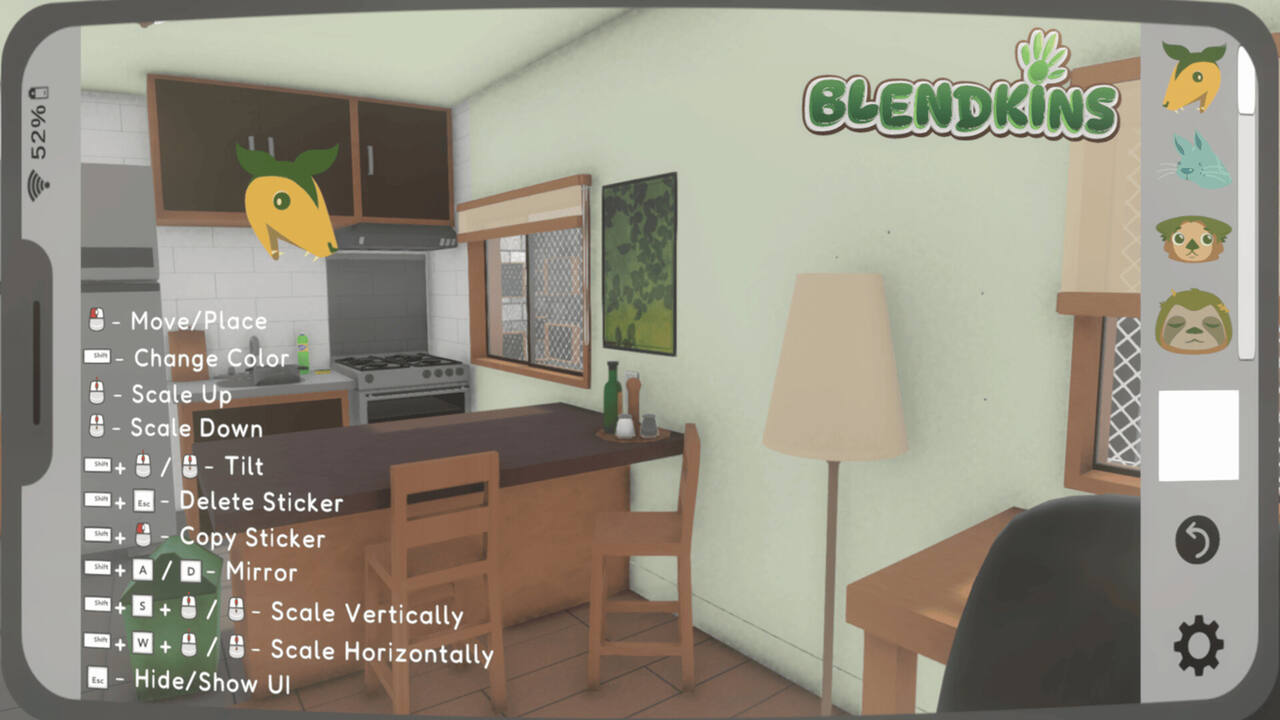
    Once you capture a Blendkin, however, the game introduces its central, uncomfortable tension. You bring the animal back to the city to care for it. Here, the game introduces “Starrygram,” an in-game social media platform. You are encouraged to take cute photos of your new pets, chase online trends, and post them for clout. It is a sharp, clever parody of the real-world internet culture that turns exotic, wild animals into viral domestic status symbols. But as the game’s description warns, your actions have consequences, and taking these wild creatures out of their natural habitats is not the victimless hobby that social media feeds make it out to be.

    Blendkins gameplay screenshot
    Image courtesy of TRINAC Studio via Steam

    A Heavy Message in a Small Package

    Player reception highlights a game that punches well above its weight class in terms of thematic ambition, even if its mechanical depth is still growing. Steam reviewers have praised the game’s art style, noting that the creature designs perfectly capture the initial awe of seeing a wild animal up close for the first time—the exact feeling that often drives people to inappropriately try and own them. The “unpredictable consequences” of bringing them to the city land with a melancholy weight, prompting players to reflect on conservation and animal welfare.

    However, players are also realistic about the game’s current scope. Blendkins is in the early stages of its development lifecycle, currently featuring a modest selection of five creatures to find. The pet care mechanics, while functional, are relatively simple. Some players have expressed a desire for more expansive gameplay loops, suggesting that the game could eventually allow players to work at a sanctuary or a zoo to properly rehabilitate the animals, rather than just keeping them in a domestic setting. Because the experience is currently quite brief, it functions more as a playable essay or a narrative vignette than a robust simulation game.

    The Verdict

    This is not a game for players looking to sink fifty hours into a complex animal husbandry simulator. It is a short, focused project with a distinct point of view and a deep respect for the natural world. If you are charmed by beautiful, region-specific environmental art, and you appreciate games that use their mechanics to deliver a meaningful, bittersweet message about our relationship with nature, Blendkins is well worth its modest price tag. It is a gentle reminder that some beautiful things are best left exactly where we found them.

    Key Facts

    • Developer: TRINAC Studio
    • Publisher: TRINAC Studio
    • Release Date: Jun 4, 2026
    • Price: $5.99
  • Just One More Link: The High-Wire Act of Click-and-Drag Economic Horror

    Just One More Link: The High-Wire Act of Click-and-Drag Economic Horror

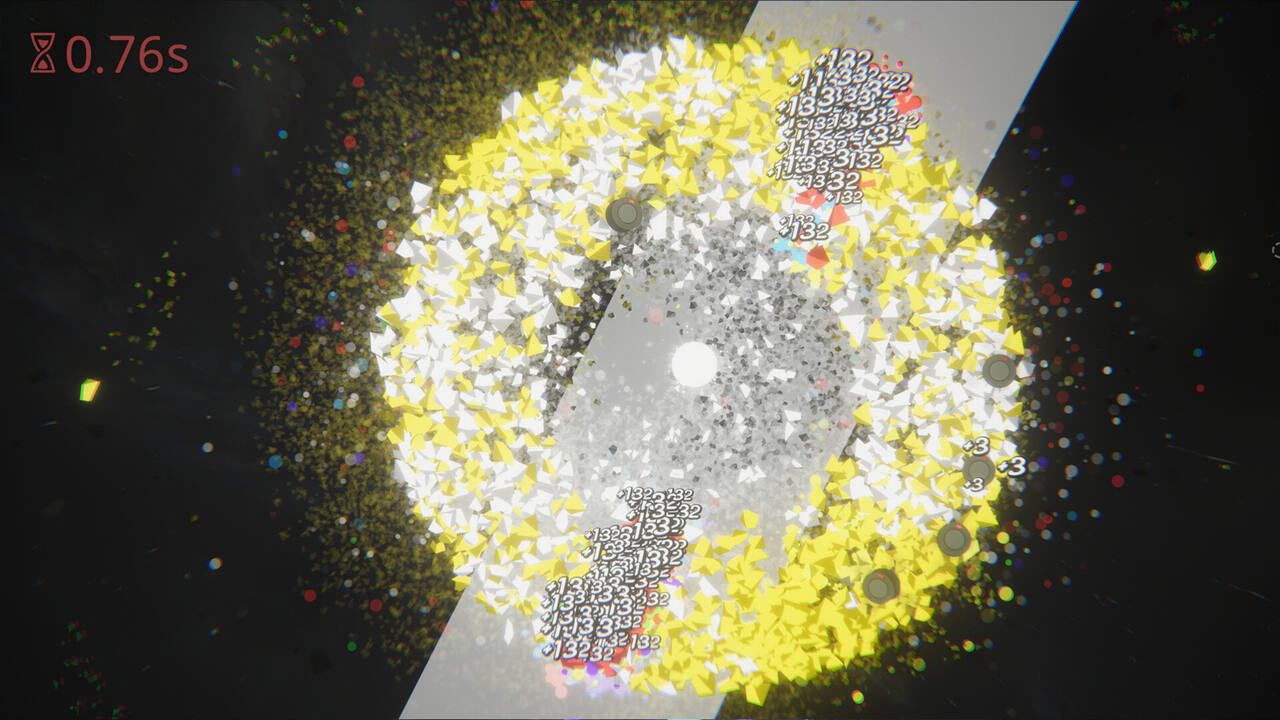
    The timer is ticking down toward zero, and you are greedily dragging a line across a cluster of glowing crystals. You know you should release the mouse button and secure your payout, but the urge to snag one more node is paralyzing. You stretch the chain just a millimeter too far; it snaps with a crisp, tactile shudder, the clock hits 0.00, and your entire run’s earnings vanish. This high-wire act of greed and risk is the mechanical heartbeat of this unique incremental roguelite, a game that weaponizes your own lack of self-control against you.

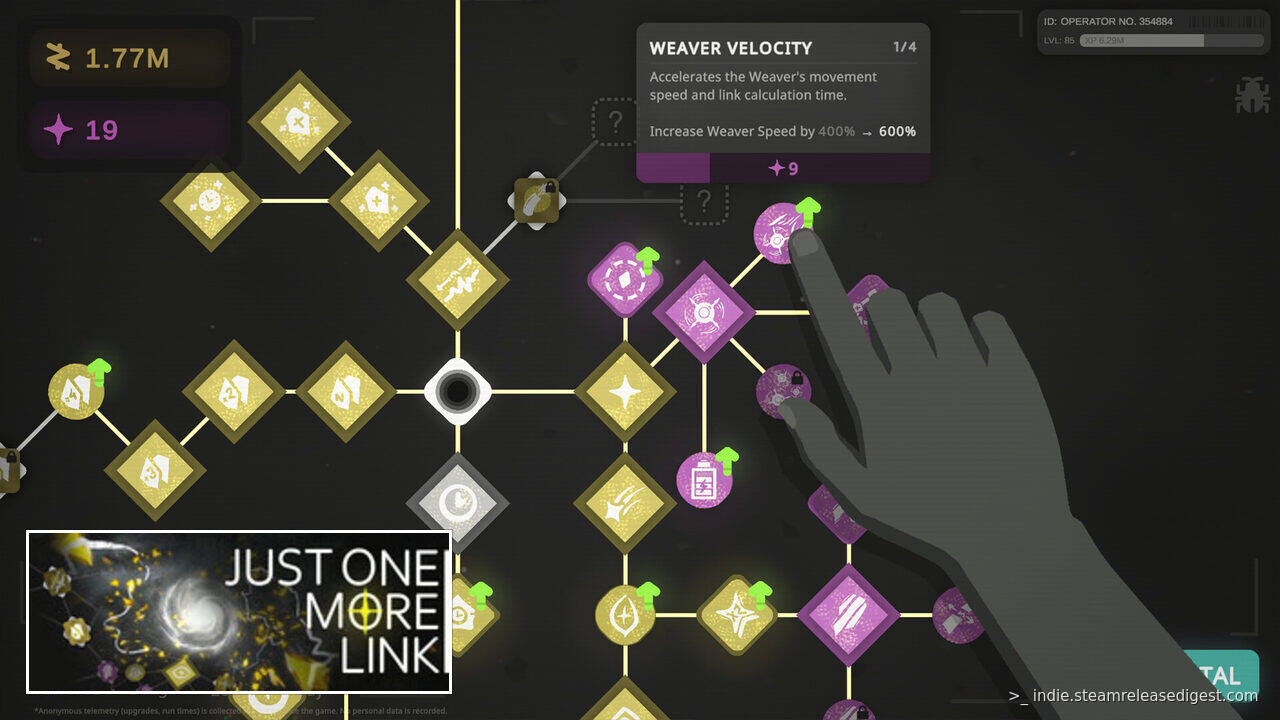
    The core loop is built around a stressful, pay-to-play economy. Before you even begin a run, you must purchase your time on the clock using Zek, the game’s primary currency. Because the cost of this time scales exponentially, each run begins as a literal wager: you must earn more than you spent just to stay afloat. Once the clock starts, the game becomes a frantic, mouse-only harvest. You click and drag to connect crystals, creating massive, screen-clearing chain reactions and lasers. The physics here are remarkably snappy and tactile, completely avoiding the floaty, sluggish feel common to lesser physics-based games. The longer your chain, the higher your exponential profit multiplier climbs. But because the chains have physical weight and instability, stretching them too far results in an instant snap. Anything you successfully cash in before the timer expires is invested back into a sprawling Constellation Tree, where you can buy upgrades like increased grab sizes, greed multipliers, and entirely new resources.

    Just One More Link gameplay screenshot
    Image courtesy of Blagine via Steam

    Steam players have responded with absolute delight to this kinetic loop, praising its flashing, clean visuals and highly addictive quality. It is a game that perfectly captures the “one more run” mentality, with some reviews describing it as a beautifully chaotic, ADHD-fueled experience. The sense of progression is initially incredibly satisfying, as the talent tree opens up new mechanics and currencies that change how you approach the board, offering a surprising amount of depth for the price.

    However, the community is equally vocal about the game’s rougher edges. The primary criticism lies in its late-game pacing. While early progression feels meaningful, the endgame arrives in a sudden, dizzying rush. Several players noted that newly unlocked currencies, each with their own unique mechanical gimmicks, are utilized for only three to five minutes before becoming completely obsolete. An abrupt, absurd profit spike in the main currency, Zek, effectively trivializes the challenge late in the game. Furthermore, there are minor bugs to contend with, and some players expressed frustration with the tutorial delivery, wishing for an option to disable instructions entirely and figure out the game’s oddities—like a certain purple bastard of an NPC—on their own. There is also a quiet consensus that the price point is a bit steep compared to some of its more bloated, spreadsheet-heavy genre competitors, despite the sheer quality of its core mechanics.

    Ultimately, this is a game for players who want their incremental progression delivered with a shot of adrenaline and a highly tactile feel. If you are looking for a passive, slow-burn idle game to run in the background, this is not it. But if you want a fast, flashy, and intensely rewarding strategy game that makes every second feel like a high-stakes gamble, it is well worth your time. It may peak too early and suffer from pacing issues in its final hours, but the journey to get there is an absolute blast.

    Key Facts

    • Developer: Blagine
    • Publisher: Blagine
    • Release Date: Jun 4, 2026
    • Price: $6.99
  • Elementalist: The Clever, Brain-Melting Logic of the Movement Stack

    Elementalist: The Clever, Brain-Melting Logic of the Movement Stack

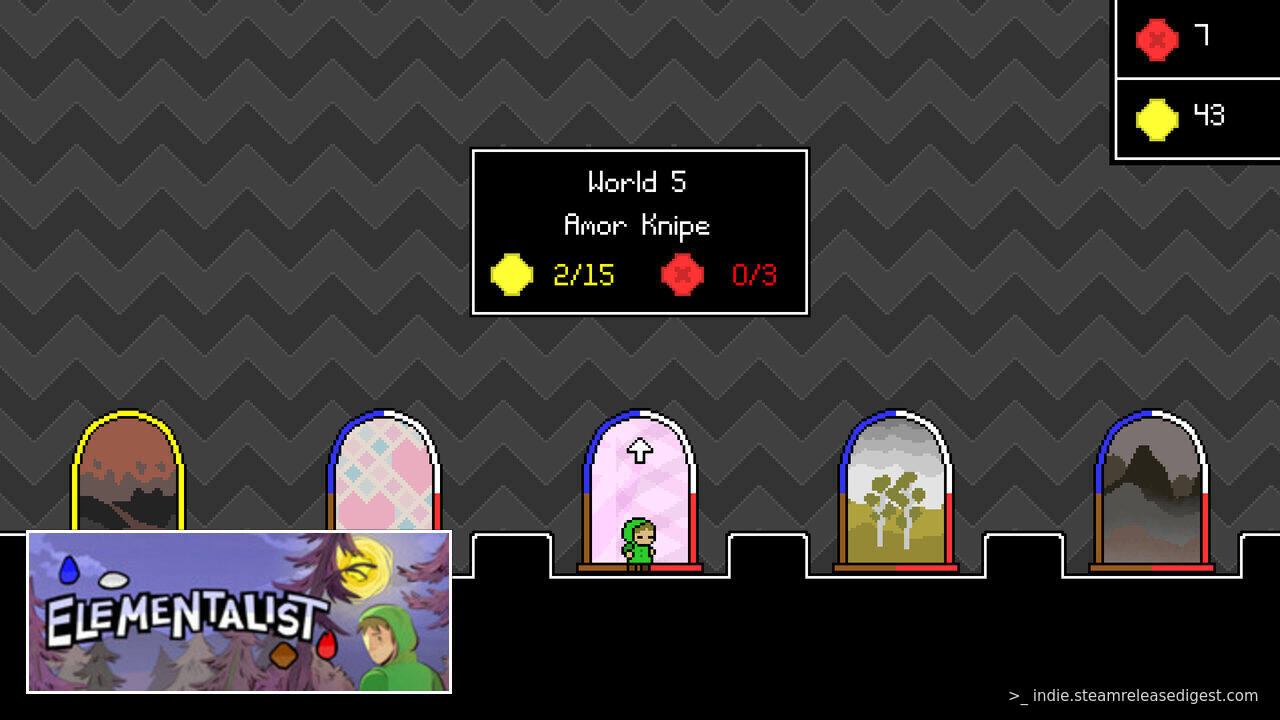
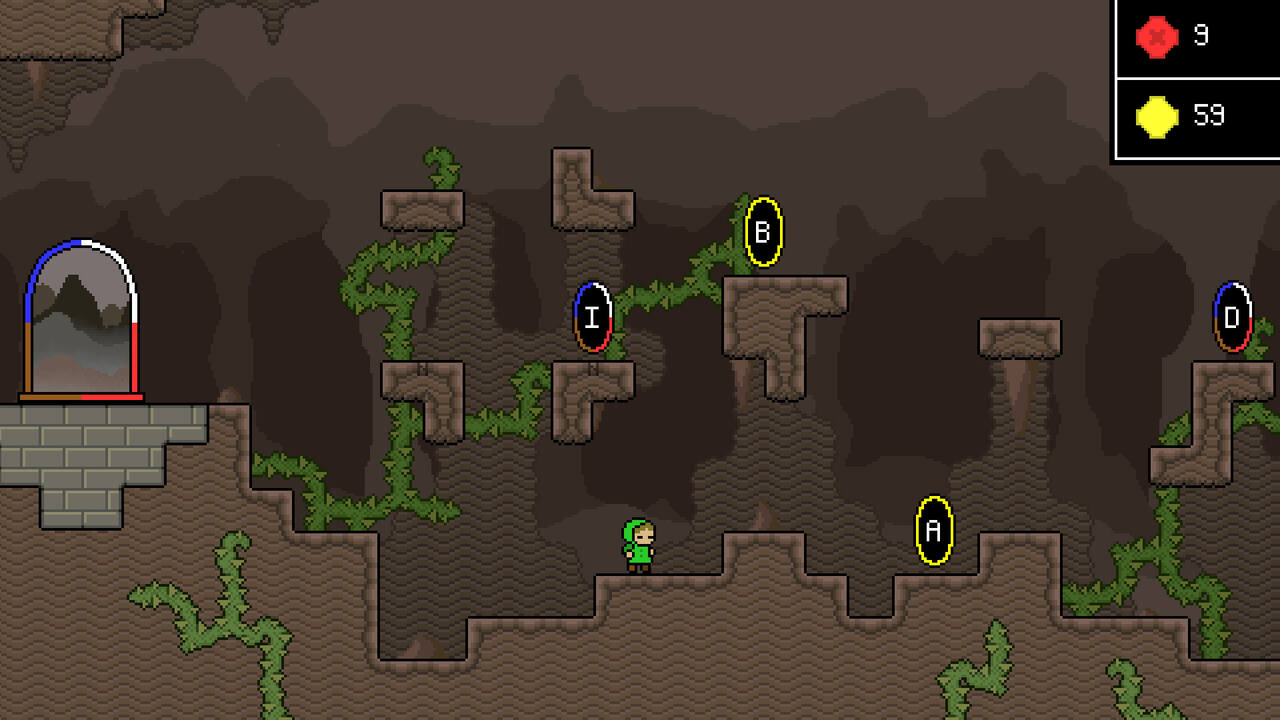
    In Elementalist, platforming is stripped of twitch reflexes and rebuilt as a strict sequence puzzle where grabbing a double-jump, dash, or teleport orb locks you into using that exact ability next to navigate a treacherous room.

    You play as Zoe, an adventurous young Elementalist who wakes up in a strange, sprawling library after a teleportation accident. To help her find her way home, you must guide her through a series of peculiar worlds. However, you cannot simply run and jump your way to the exit of each screen. Instead, you must collect movement abilities in a strict “Elemental Stack” that is deployed one by one. Your goal is to work out the exact route required to retrieve a sun fragment and safely carry it back to your starting portal, using only the limited toolbox the level geometry allows.

    The core gameplay is a delicate dance of spatial resource management. The levels are tight, geometric rooms filled with classic platforming power-ups—including horizontal dashes, double jumps, ground slams, and teleportation shots—scattered as floating orbs. The catch is that your stack operates on a rigid order of operations. If you pick up a dash and then a double-jump, your very next button press must be the double-jump. The platforming elements here are not meant to test your reaction times; instead, they serve as physical obstacles. The game forces you to route your movements around gravity, jump distance, and momentum, turning a traditional action genre into a pure cerebral exercise.

    Elementalist gameplay screenshot
    Image courtesy of Dawid Maziarski via Steam

    According to its players—who have given the game a flawless 100% positive rating on Steam—the level design is exceptionally tight and rewarding. Players praise Elementalist as a stellar entry in the sequencing puzzle subgenre, drawing comparisons to logic-heavy platforming titles like I wanna lockpick and the intricate, momentum-routing challenges found in modded Celeste. The sheer satisfaction of making logical inferences is the game’s greatest strength. When you finally deduce a solution, it often relies on a brilliant “outside-the-box” trick that leaves you marveling at how simple the answer was all along, even if you spent twenty minutes staring blankly at the screen to find it.

    However, that uncompromising logic means Elementalist is designed to trick you, which can occasionally cause some friction. This is a game where the most obvious, intuitive path is almost always a designed trap meant to lead you into a fail state. For some, this constant subversion of expectations can feel exhausting, especially when tackling the highly challenging optional “S-puzzles” that require wild lateral thinking. While the developer has included a helpful hint system to keep you from getting permanently stuck, the puzzle design can occasionally polarize; one player noted that while almost all of the lateral challenges are brilliant, an occasional room can feel slightly lackluster compared to the stellar design of the rest. Furthermore, the game features deeply integrated meta-puzzles—particularly in World 6—which will delight fans of secrets but might frustrate players who prefer straightforward grid-based logic.

    Ultimately, Elementalist is a game for players who love spatial reasoning, routing puzzles, and games that respect their intelligence. If you want a platformer that tests your thumb speed, look elsewhere. But if you want to trade raw reflexes for pure logic, this finely tuned $8.00 indie is an absolute must-play.

    Key Facts

    • Developer: Dawid Maziarski
    • Publisher: Dawid Maziarski
    • Release Date: Jun 3, 2026
    • Price: $8.00
  • An Automaton’s Journey: A Snarky, High-Value Tribute to Classic Handheld Zelda

    An Automaton’s Journey: A Snarky, High-Value Tribute to Classic Handheld Zelda

    Cecilia Immergreen is an ancient, coffee-hating automaton who is deeply annoyed by the sheer absurdity of classic quest tropes. When a mysterious curse sweeps across the land and turns her friends and their mascot-like fans into aggressive threats, she doesn’t embark on a silent, stoic march to save the world. Instead, she complains, snarks, and actively questions why adventure-game protagonists have to put up with so many ridiculous obstacles. It is a highly specific, charmingly self-aware core for an action-RPG, and it sets the tone for a game that is far more mechanically robust than your average fan project.

    Classic Top-Down Exploration

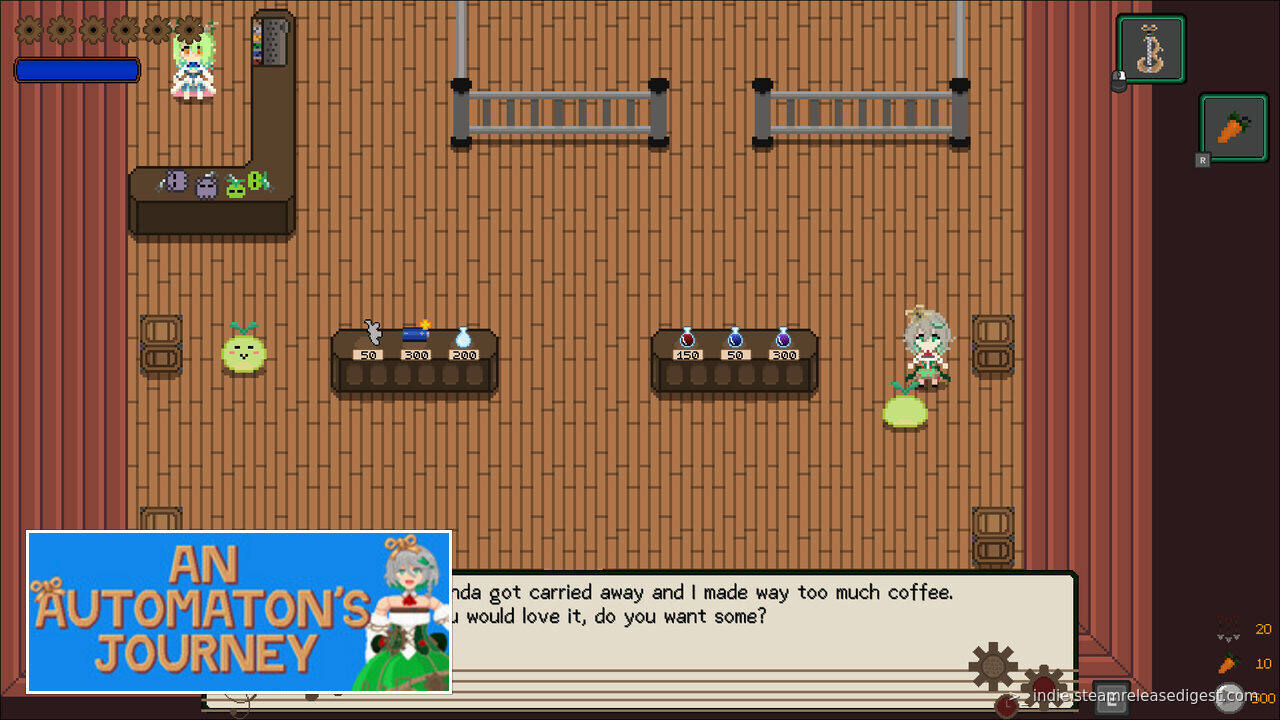
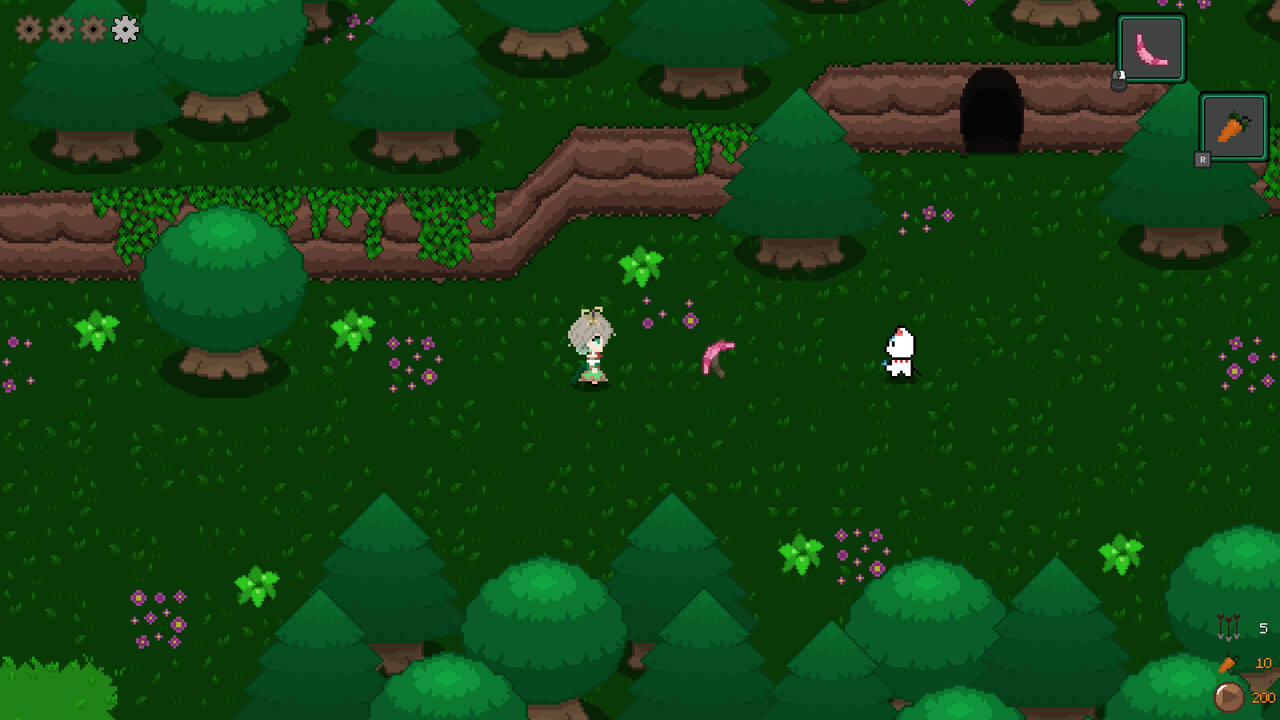
    At its heart, An Automaton’s Journey is a direct homage to the Super Nintendo and Game Boy Advance eras of the Legend of Zelda series. Developed by Xyros Games and published under the holo Indie banner, the game features a large open world that gradually peels back its layers as you acquire new equipment. Progression is gated by design; you explore, discover obstacles you cannot yet bypass, and return later once your inventory expands.

    The game features eight distinct dungeons, each packed with its own unique puzzles and themed enemies. To navigate these depths, you will collect up to 15 unique items. These items do not just sit in your inventory to be used once for a specific lock-and-key puzzle; they double as combat tools and exploration utilities, offering new ways to traverse the map and fight off hostile creatures. This loop of unlocking tools, backtracking to find hidden secrets, and clearing puzzle-heavy dungeons provides a satisfying sense of progression that keeps the gameplay loop feeling fresh.

    An Automaton's Journey gameplay screenshot
    Image courtesy of Xyros Games via Steam

    The Combat and the Grind: What Players Think

    With a 94% positive rating on Steam, An Automaton’s Journey has clearly struck a chord with its audience, but players are quick to point out that it is not a walk in the park. The combat relies heavily on spacing and timing. Cecilia has access to a reliable moveset, including a satisfying “spin to win” style of attack, but the margins for error are slim. Multiple players have noted that the contact damage from enemies is highly unforgiving. Monsters frequently rush directly at you, getting “in your face” when you are simply trying to navigate the overworld. Without careful practice, you will find yourself taking damage constantly, making the early hours of the game a bit of a trial-by-fire learning process.

    On the positive side, players are highly impressed by the sheer volume of content on offer. For a budget-friendly title, the game offers a surprisingly hefty campaign, with some players logging 15 to 20 hours to achieve 100% completion. The puzzle difficulty is widely praised as being well-balanced—challenging enough to make you think, without causing outright frustration. While the main campaign’s final boss is a fair challenge, completionists will find a steep spike in difficulty with the secret final boss, a grueling encounter that requires players to fully master Cecilia’s toolkit and manage their ammo resources carefully.

    The writing also deserves credit. Players who are deeply embedded in the Hololive community will appreciate the authentic characterizations and inside jokes, but the dialogue is witty enough to carry the experience even for those who have no familiarity with the source material. It also runs flawlessly on the Steam Deck, making it an excellent candidate for portable, pick-up-and-play sessions.

    The Verdict

    An Automaton’s Journey is far more than a cheap novelty or a simple visual novel masquerading as an adventure game. It is a mechanically sound, content-rich Zelda-like with sharp writing and a biting sense of humor. While the aggressive enemy contact damage and occasionally punishing combat spacing might frustrate players looking for a purely casual experience, those who appreciate classic GBA-style exploration and tight, puzzle-focused dungeons will find incredible value here.

    Key Facts

    • Developer: Xyros Games
    • Publisher: holo Indie
    • Release Date: Jun 3, 2026
    • Price: $7.99
  • FuJianStrike: High-Stakes Flight Deck Logistics That Will Kick Your Ass

    FuJianStrike: High-Stakes Flight Deck Logistics That Will Kick Your Ass

    You are standing on the 2D pixel-art flight deck of the Fujian, China’s third aircraft carrier, watching a fighter jet stall out because you forgot to clear the arresting cables. At its budget price of $6.99, you might expect FuJianStrike to be a breezy, passive idle game where you occasionally click to watch planes take off. Instead, solo developer Mithril_055 delivers a high-tension, fast-paced time management simulator that demands rapid-fire tactical decisions. It is a game that deliberately punishes hesitation, forcing you to run a highly coordinated military flight deck where five minutes of indecision can cost you the entire fleet.

    The Chaos of Carrier Operations

    The gameplay of FuJianStrike centers on the frantic, highly complex dance of carrier deck scheduling. As a member of the ground crew, your job is to prepare fighter jets for intercept missions before oncoming waves of enemies overwhelm your ship. This requires manual control over the entire logistical chain. You must taxi aircraft to their designated spots, manage their refueling pipelines, select and mount specific ammunition loadouts to counter diverse enemy threat profiles, and safely guide them through launch and landing sequences.

    The game structured its challenges across a 4-chapter campaign featuring 26 alternate history combat missions. These levels act as an extended tutorial, gradually introducing you to a deeper tech tree that unlocks advanced weaponry and upgrades for your aircraft. The campaign tasks you with protecting special friendly units while fending off increasingly aggressive enemy forces. Once you survive these scripted encounters, the game opens up into three different difficulty levels of endless mode, testing exactly how long you can sustain operations against infinite, unrelenting waves of hostile units.

    FuJianStrike gameplay screenshot
    Image courtesy of Mithril_055 via Steam

    What Players Love (And What Frustrates Them)

    Among players, FuJianStrike has carved out a dedicated following due to its incredibly rare subject matter. It stands out as one of the very few modern military simulators to tackle a fictional conflict relating to Taiwan, and it enters a “carrier commander” subgenre that is historically starved for new releases. Players praise the sheer satisfying pressure of juggling weapons and loadouts on the fly, finding that the game requires real tactical skill despite its seemingly simple 2D pixel-art presentation. The consensus is that the developer has significantly undervalued their work, with reviews noting that the deep tactical loop is easily worth more than the current asking price.

    However, running a flight deck by hand can wear on your patience. Players have pointed out that the core loop can become highly repetitive over longer sessions. Because every action must be triggered manually, some of the micro-management begins to feel like busywork. Several reviews express a strong desire for quality-of-life upgrades—such as automatic cable management or automated refueling options—to smooth out the late-game chaos. The difficulty is also unapologetically steep; it will comfortably “kick your ass” if you lose track of your queues, and military buffs have jokingly lamented that they cannot launch iconic Western fighters like the Tomcat from the carrier’s deck.

    The Verdict

    FuJianStrike is a highly focused, budget-friendly simulation built specifically for players who find genuine joy in high-stress logistics. If you love military hardware, modern warfare scenarios, and the frantic multitasking of time-management games stripped of their cartoonish whimsy, this is an easy recommendation. It may lack the massive scale of a 3D simulator, but its mechanical depth and tight design make it a standout title for anyone willing to master the chaotic art of flight deck command.

    Key Facts

    • Developer: Mithril_055
    • Publisher: Mithril_055
    • Release Date: Jun 2, 2026
    • Price: $6.99