Author: sitemill

  • Candy Box U: From ASCII Art to Unreal Engine Absurdity

    Candy Box U: From ASCII Art to Unreal Engine Absurdity

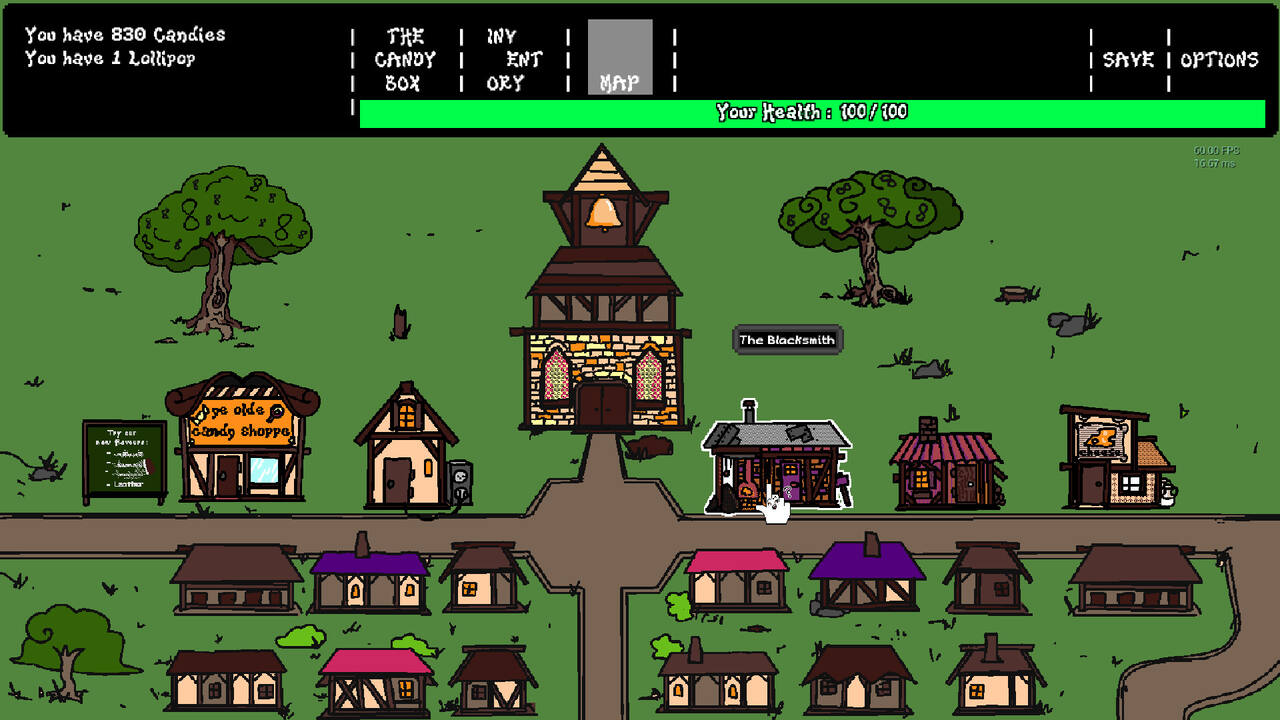
    Your pockets are steadily filling with candy, and your immediate options are bafflingly simple: you can eat them, throw them on the ground, or save them up to purchase magical gear. This is the starting point of Candy Box U, an improbable remake of the legendary 2013 ASCII-art web game Candy Box 2. But instead of the stark black-and-white text characters of the browser original, this version has been rebuilt from the ground up in the Unreal Engine, complete with customizable volumetric lighting, futuristic lighting effects, and a graphics quality slider meant to handle “insane” visual details.

    The Shift to Unreal Absurdity

    At its core, Candy Box U is a genre-blending experiment. It starts with the familiar, passive tick of an incremental game, watching a candy counter slowly increase second by second in a quiet village setting. But as soon as you step outside, the game rapidly mutates. It becomes a hybrid of a point-and-click adventure, a puzzle game, and a 3D autobattler, interspersed with surprise 2D platforming levels where you navigate retro-inspired environments using the arrow keys and spacebar.

    Combat in Candy Box U is a delightfully chaotic affair. While your character moves through battle stages automatically, you are not merely a spectator. You control the tide of battle through a keyboard-bound spellbook, actively reacting to the enemies on screen. When a horde of monsters blocks your path, you find yourself frantically tapping hotkeys to drop a [F] Black Hole, summon [S] Demons, call down [E] Acid Rain, or raise a protective [D] Obsidian Wall. Success is less about grinding numbers for thousands of hours and more about figuring out the right combinations of these spells and managing your potion inventory.
    Candy Box U gameplay screenshot
    Image courtesy of CopacetiCat via Steam

    The developer has also tucked plenty of quality-of-life toggles into the options menu. If the Unreal Engine decides your PC is too old for the game’s volumetric lighting, you can dial down the graphics quality. There is also a toggle to swap out the stylized pixel font for a highly legible system font, ensuring that players who struggle with pixelated text can easily read the interface.

    What Players Love (And Where the Jank Creeps In)

    Steam players have responded to this reimagining with unanimous praise, landing it a 100% positive rating across its initial reviews. The overwhelming sentiment is one of delight at the game’s sheer eccentricity. Reviewers frequently highlight the game’s overflowing charm, its quirky visual designs, and a cast composed entirely of cute, stylized girls. One player went so far as to compare its distinct, tongue-in-cheek humor to Homestar Runner’s classic web game Peasant Quest—high praise for anyone who remembers the golden era of bizarre flash-game comedy.

    The soundtrack, which famously consists of just a single, highly-praised song on loop, somehow manages to enhance the hypnotic, chill vibe of the experience rather than grate on the nerves. Players also appreciate that Candy Box U is respectful of their time. Unlike modern idle games designed to keep you clicking for months, this remake is a concise, digestible package. You can comfortably hunt down its secrets, solve its potion-brewing puzzles, and achieve a 100% completion run in under ten hours.

    However, that eccentricity comes with a few rough edges. Players note that the game can occasionally feel “a little bit janky and difficult to understand” if you are not paying close attention. Because it translates a text-based ASCII system into a graphical interface, certain mechanics, menus, and puzzle solutions can feel counterintuitive or obtuse at first glance. It is a game that expects you to experiment, fail, and embrace the weirdness rather than follow a polished, hand-held tutorial path.

    The Verdict

    Candy Box U is not a massive, endless spreadsheet simulator, nor is it a high-budget action RPG. Instead, it is a loving, incredibly cheap tribute to an internet relic. If you have a soft spot for the oddball era of early 2010s web design, or if you simply want a lighthearted, funny adventure that costs less than a literal candy bar, this is an easy recommendation. It is a game designed to be played at your own pace, offering just enough challenge, platforming, and spell-slinging to keep you smiling from start to finish.

    Key Facts

    • Developer: CopacetiCat
    • Publisher: CopacetiCat
    • Release Date: May 23, 2026
    • Price: $0.99
  • Sword & Siege Age of Longbow: Volume I: The Brutal, Brilliant Reality of Hundred Years War Hexes

    Sword & Siege Age of Longbow: Volume I: The Brutal, Brilliant Reality of Hundred Years War Hexes

    You can march a line of historically accurate Welsh longbowmen across the mud of Crécy, but if you do not consult the manual first, the sheer tactical depth under the hood of this hex-based simulation will leave your vanguard in ruins.

    Recreating Medieval Warfare, Hex by Hex

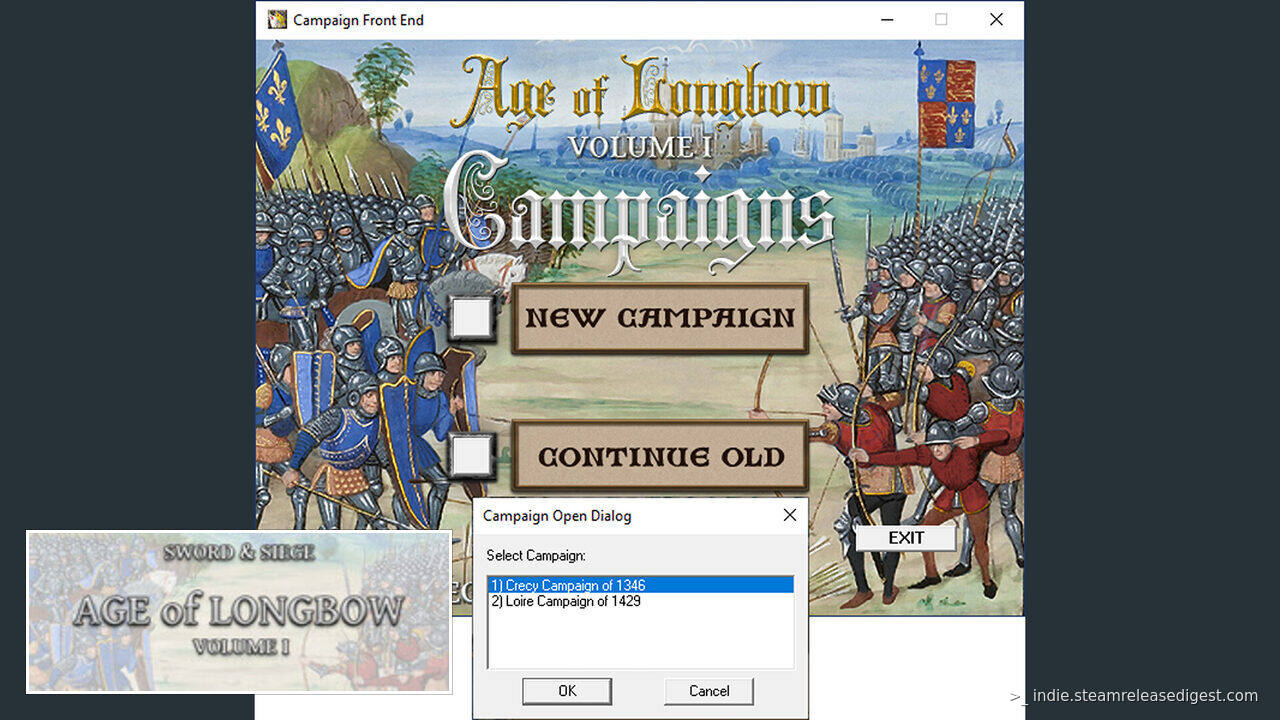
    Sword & Siege Age of Longbow: Volume I is an unapologetically dense, turn-based wargame that trades cinematic flair for absolute historical fidelity. Developed by Wargame Design Studio, it drops players directly into the dynastic struggles of the Hundred Years War, beginning with the French succession crisis of 1328. This is not a game of rapid clicking or flashy real-time cavalry charges; it is a game of calculated movement, supply lines, and terrain advantages played out across detailed hex maps.

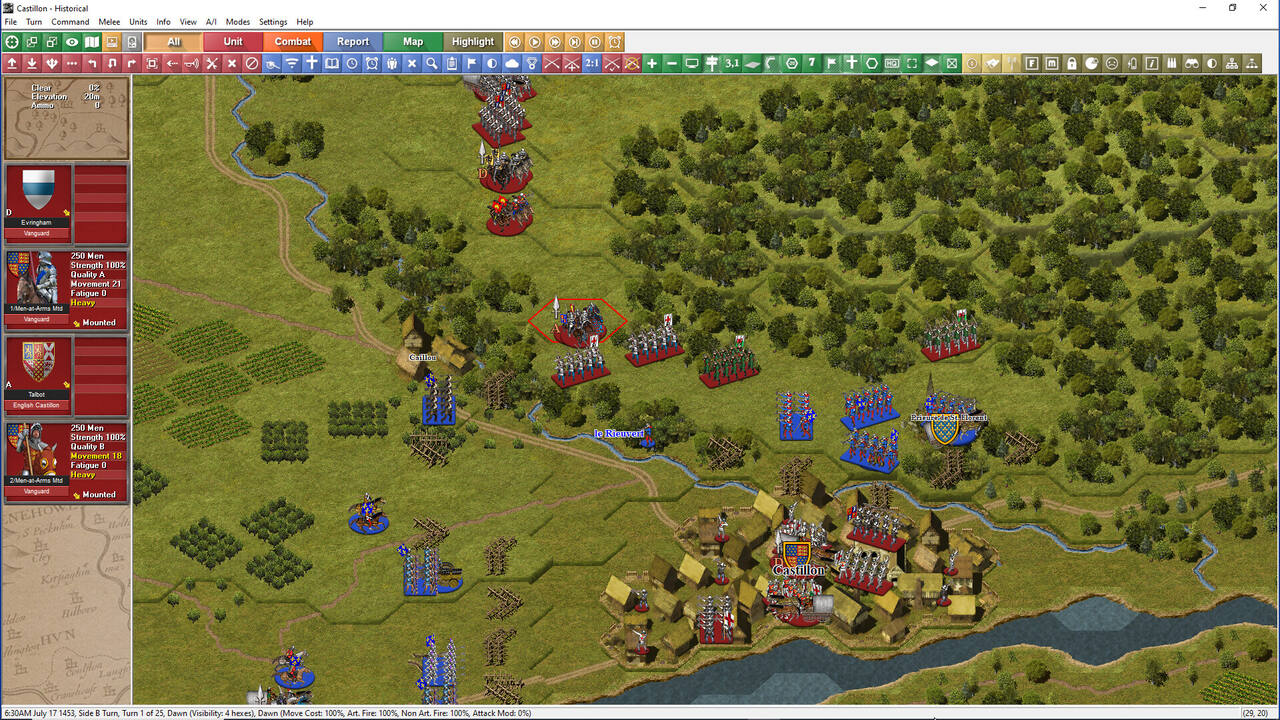
    The scope of the package is immense, offering 94 distinct scenarios that cover the major phases of the war. Players can take command of either the English forces—utilizing defensive longbow formations, Gascon crossbowmen, and early field artillery—or the French army, directing heavy feudal cavalry, Genoese mercenaries, and emerging siege weaponry. From massive historical set-pieces like Agincourt and Poitiers to smaller, asymmetrical skirmishes and speculative campaign variants, the game forces you to reckon with the actual physical limits of medieval armies. Command structure, unit fatigue, and the specific terrain of the French countryside dictate every victory and defeat.

    Sword & Siege Age of Longbow: Volume I gameplay screenshot
    Image courtesy of Wargame Design Studio via Steam

    What the Frontline Says: Accuracy Over Aesthetics

    The reception from the wargaming community is unanimously positive, but it comes with important caveats. Players who are already familiar with Wargame Design Studio’s catalog—specifically their previous titles covering the Crusades—praise this release for demonstrating the versatility of their underlying engine. The shift to Western Europe introduces a distinct tactical flavor, moving away from desert warfare to focus on wet terrain, defensive stakes, and the devastating impact of longbow volleys. Longtime fans celebrate the game as a “playable history book,” noting that the developer’s attention to real-world geography, leader names, and historically accurate troop numbers is unmatched in the genre.

    However, players are equally honest about the barriers to entry. The most prominent hurdle is the game’s visual presentation. The user interface and graphics are described as distinctly outdated, prioritizing clean data delivery over modern visual effects. This is a game of menus, numbers, and static unit counters. Furthermore, the learning curve is steep. Newcomers are warned not to skip the manual, as the complex systems governing combat resolution and unit morale require active study to comprehend.

    There is also a minor technical hurdle for mobile players. While the game is playable on Linux and Steam Deck, it does not work flawlessly out of the box. Dedicated community members have noted that getting the game to run smoothly on Steam Deck requires some manual troubleshooting and external tweaking, specifically utilizing community-run compatibility tools like the “wds-wine” solution on Codeberg.

    The Verdict: Who Is This For?

    Sword & Siege Age of Longbow: Volume I is not designed to appeal to the casual strategy fan looking for quick, spectacular conquests. Instead, it is a highly specialized, deeply rewarding simulator built for patient tacticians and military history enthusiasts. If you want to understand the logistical reality of commanding medieval armies, and you do not mind an old-school interface or spending time reading a manual, this is an incredibly rich, well-researched wargame that stands as one of the best representations of medieval warfare currently available on Steam.

    Key Facts

    • Developer: Wargame Design Studio
    • Publisher: Wargame Design Studio
    • Release Date: May 22, 2026
    • Price: $29.96
  • Kami: The Great Guardian: Why This $3 Microvania is a Masterclass in Pure Momentum

    Kami: The Great Guardian: Why This $3 Microvania is a Masterclass in Pure Momentum

    Plug in a controller, and the entire UI of Kami: The Great Guardian instantly shifts to match your buttons. From your very first leap, the physics feel shockingly right: momentum carries smoothly across screen transitions, jumps are snappy and responsive, and stringing together movement abilities feels like a fluid, well-rehearsed dance. In a genre often crowded with bloated maps and endless backtracking, this game chooses instead to value precision, mechanical elegance, and your time above all else.

    The Microvania Formula

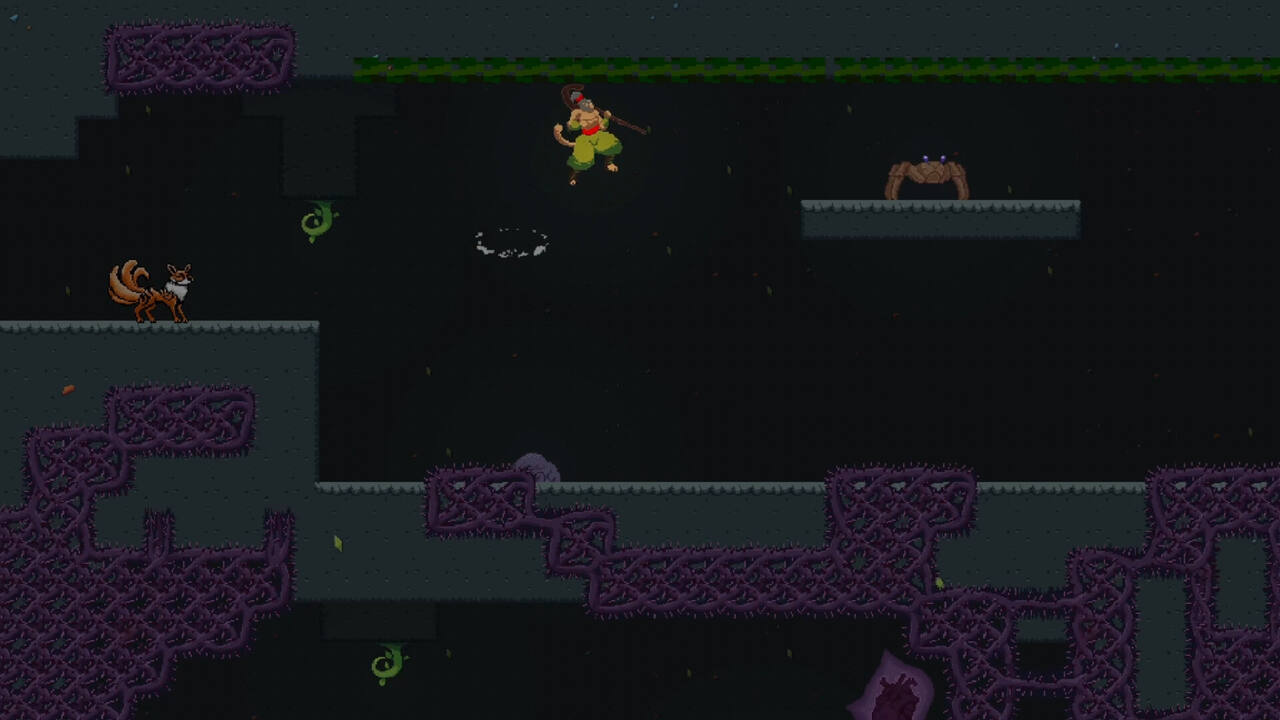
    Developed by Endemic Artifacts, Kami: The Great Guardian is a distilled adventure that fits snugly into what the indie community calls a “microvania.” It takes the classic progression loop of the Metroidvania genre and condenses it into a tight, one-hour package. You play as Kami, a small guardian on a mission to purge a star-born calamity. A meteor has crashed into the land, seeping corruption into the soil and leaving the local wildlife dormant and listless. To restore nature, you must navigate an interconnected map, discover up to seven distinct abilities, and cleanse the corrupted roots holding back the wild.

    What makes the game stand out is its lack of hand-holding. There are no intrusive quest markers guiding your every step. Instead, the game relies on intuitive level design and a helpful map screen that automatically marks ability locations and areas that require cleansing. Exploration is entirely non-linear. The developers have deliberately designed the world to accommodate sequence breaking, meaning you can skip entire abilities or tackle the map in a dozen different configurations. There are at least two major intentional sequence breaks baked into the level design, allowing players to bypass standard progression and hunt down abilities in almost any order they see fit.

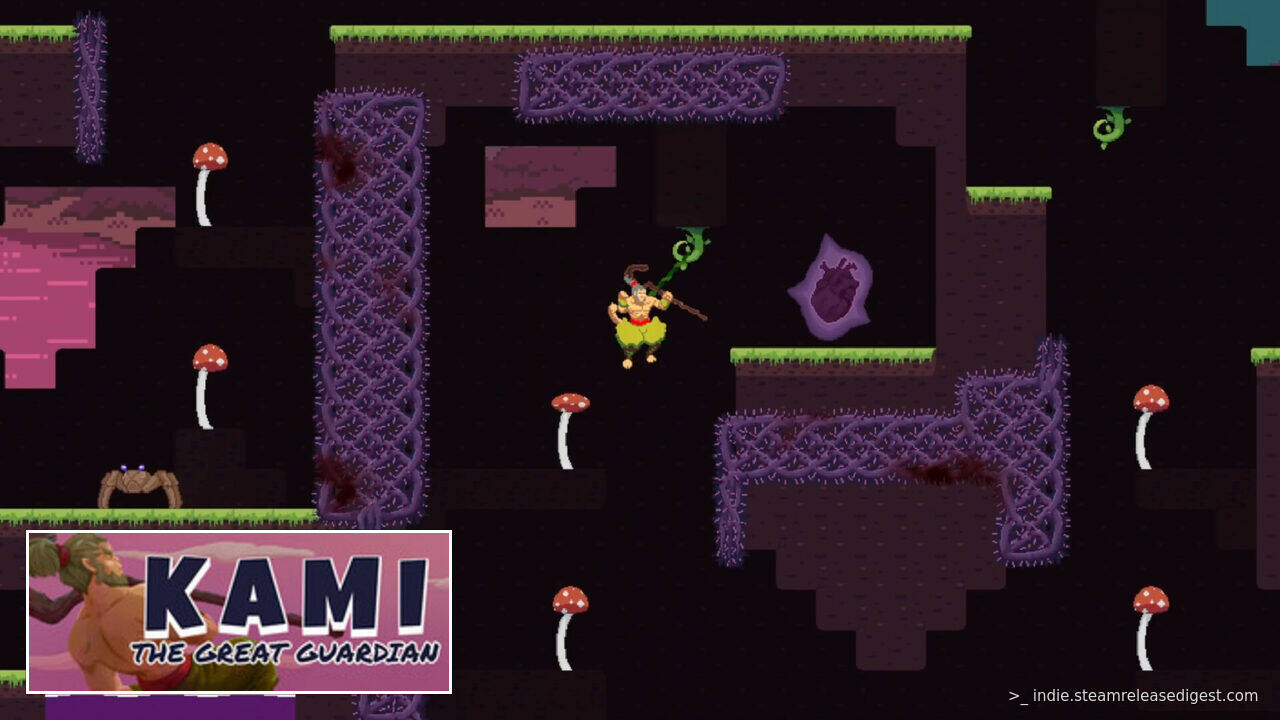
    Kami: The Great Guardian gameplay screenshot
    Image courtesy of Endemic Artifacts via Steam

    While a standard run takes about an hour, completionists will find up to five hours of gameplay if they choose to hunt down all twelve optional collectibles and unlock all ten Steam achievements. There is also robust leaderboard support, which transforms this short adventure into a highly replayable playground for speedrunners looking to optimize their routes and shave seconds off the world record.

    Where It Shines and Where It Stumbles

    The feedback from players is universally positive, with many celebrating how well the game nails the absolute fundamentals of platforming. Most microvanias at this budget price point suffer from sluggish controls, physics glitches, or frustrating collision boxes. Here, the movement is incredibly tight; when you miss a jump, it always feels like your fault rather than the engine’s. Steam Deck users have also praised it as a flawless plug-and-play experience that is perfect for completing in a single, satisfying sitting.

    However, the game’s micro-budget nature does show in its presentation. The graphics are highly rudimentary, utilizing a blocky pixel art style that some players find a bit too barebones. This simplicity can occasionally impact gameplay, as the lack of outlines on platforms and walls can make it difficult to quickly distinguish solid ground from the background elements. Additionally, the audio design has some rough edges that disrupt the immersion. Players have noted that certain sound effects—like clicking menu buttons or splashing into water—are jarringly loud, while major gameplay milestones, such as successfully cleansing a corrupted root, lack satisfying audio feedback. There is also a minor mechanical quirk where your double jump fails to refresh if you enter a screen from the bottom edge, which can lead to unexpected falls for players moving quickly through the map.

    The Verdict

    Kami: The Great Guardian is a distilled, hyper-focused platformer that understands exactly what it wants to be. If you are looking for a deep, narrative-driven RPG or a combat system with complex combos, you won’t find it here. But if you love the thrill of sequence breaking, snappy platforming, and speedrunning, this is an easy recommendation. For the price of a cup of coffee, it offers a beautifully engineered hour of play that respects your intelligence, your controller, and your time.

    Key Facts

    • Developer: Endemic Artifacts
    • Publisher: Endemic Artifacts
    • Release Date: May 22, 2026
    • Price: $2.99
  • Don’t Fall: A Brutal, Beautiful Test of Patience and Friendships

    Don’t Fall: A Brutal, Beautiful Test of Patience and Friendships

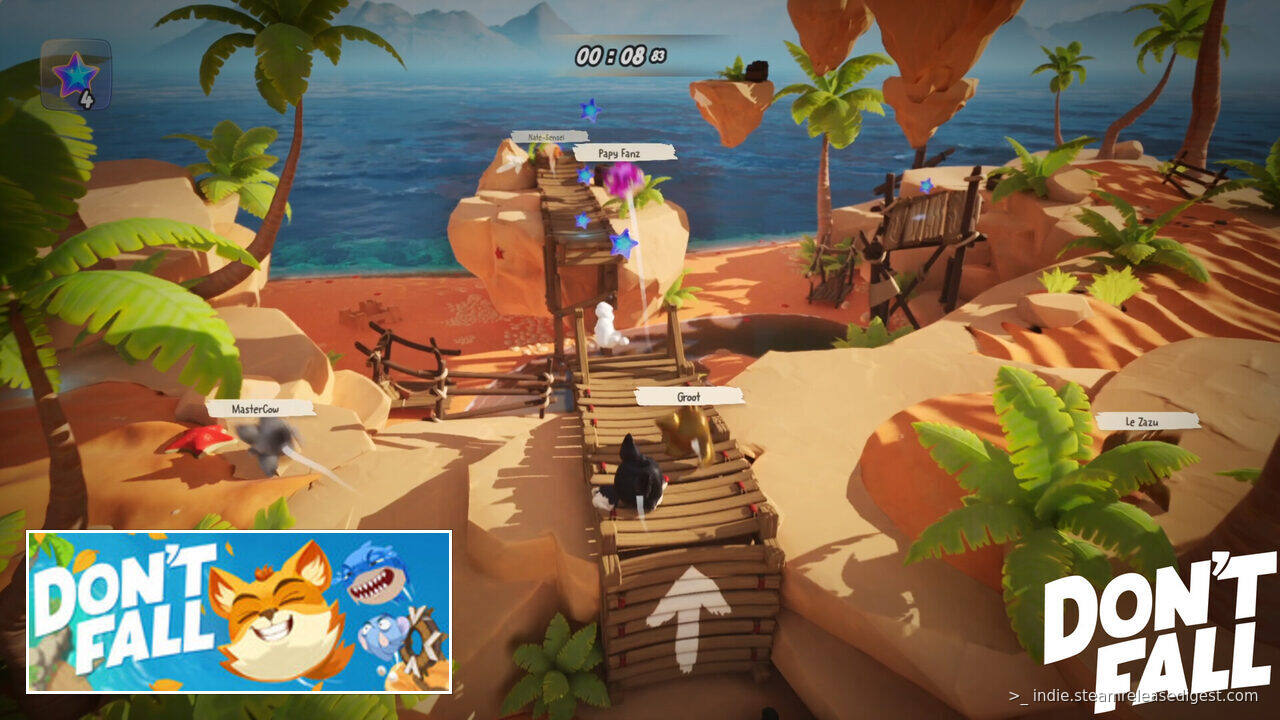
    On paper, a game about rolling a ball through colorful, stylized biomes sounds like a gentle Sunday afternoon activity. It is categorized under casual adventure on Steam, featuring bright art direction and a physics system that responds instantly to your inputs. But within minutes of starting this 3D precision platformer, that illusion of tranquility completely evaporates, replaced by the kind of pure, unadulterated rage that makes players joke about needing a new computer desk, a new monitor, and a therapist.

    The Art of the Ascent

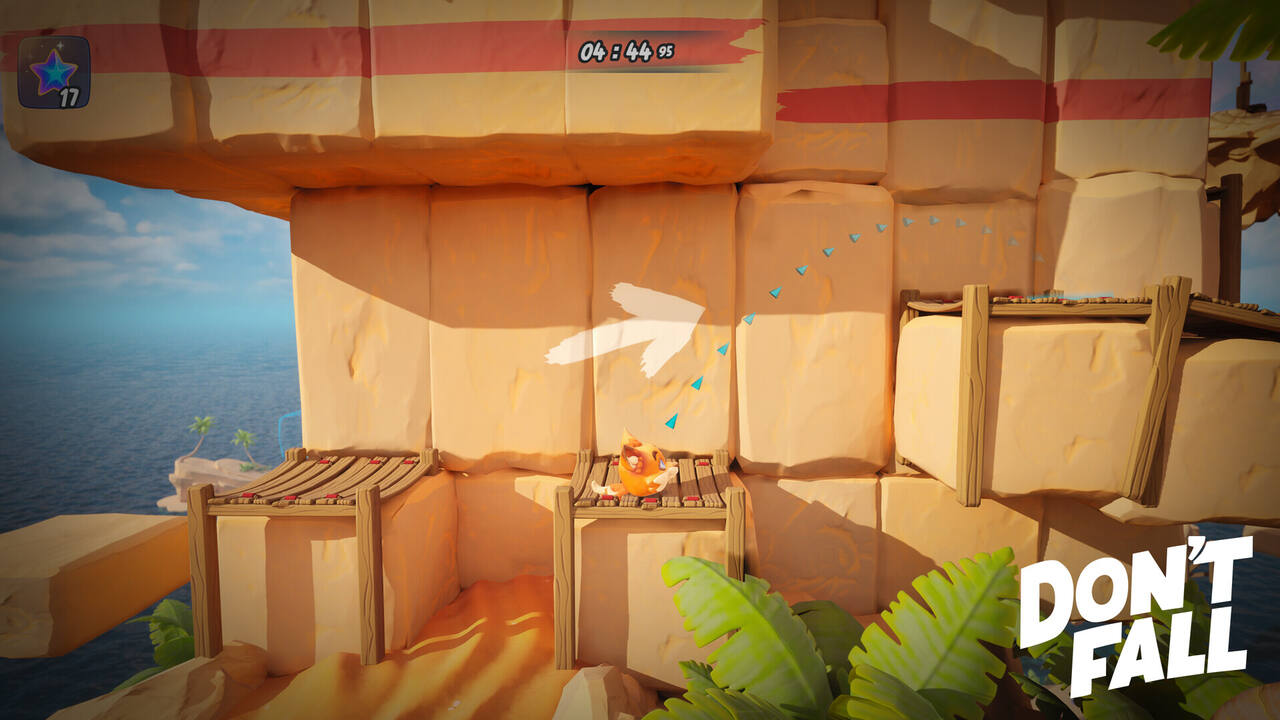
    The core loop of the game is deceptively straightforward: you roll, jump, and climb your way upward through increasingly complex worlds littered with traps and obstacles. There are no combat systems or complex narratives here—just the raw physics of momentum and gravity. Because the controls are incredibly tight and responsive, every single failure is entirely your own fault. The physics are predictable, which means when you misjudge a leap, clip the edge of a spinning hazard, and watch your sphere plummet back down to a lower tier, you cannot blame the game. You can only blame your own timing.

    What prevents this journey from becoming a completely miserable exercise in masochism is its surprisingly humane checkpoint and save system. In a genre notorious for sending players all the way back to the absolute beginning after a single mistake, this game offers a safety net. It is still brutally difficult, requiring dozens or even hundreds of attempts to clear a single complex obstacle, but the presence of checkpoints means you are allowed to learn from your mistakes without losing hours of progress. This design choice transforms what could have been a tedious chore into a deeply satisfying cycle of trial, error, and ultimate triumph.

    Don't Fall gameplay screenshot
    Image courtesy of Shine 3D via Steam

    Screaming at Friends in Multiplayer

    While tackling the summit alone is a quiet, contemplative test of personal resolve, the multiplayer modes turn the game into a chaotic social experiment. With support for both co-op and PvP, you can climb alongside friends—a setup that players report quickly devolves into hilarious betrayals. There is a delicate, nerve-wracking tension in trying to navigate a narrow ledge with a companion, knowing that a single misplaced bump will send one of you falling into the abyss. It is the kind of cooperative experience where players admit they wanted to end their friendships by the time they reached the end, yet they immediately rated it a perfect ten out of ten.

    The community’s response is a fascinating mix of agony and ecstasy. The game currently holds a flawless positive rating, but the reviews read like a support group for survivors of a shared trauma. Players describe the experience as “fun in hindsight” and “instantly the worst thing in my life—I love it.” It is a testament to the game’s polish that despite the immense frustration it causes, players keep coming back. The visual design is clean, the biomes are distinct, and the progression feels earned. For the price, the sheer amount of content and replayability is remarkably generous.

    The Verdict

    This game is not for players looking to wind down after a long day with a mindless, easy win. It demands your full attention, precise muscle memory, and a healthy tolerance for repeated failure. However, if you love the thrill of mastering a difficult physical challenge, or if you want a hilarious, high-stakes multiplayer game to play with friends who do not mind a bit of lighthearted betrayal, this is an absolute steal at under ten dollars. It is a highly polished, incredibly satisfying platformer that deserves far more attention than it has received. Just make sure your controller is built to withstand a bit of rough handling before you start your climb.

    Key Facts

    • Developer: Shine 3D
    • Publisher: Shine 3D
    • Release Date: May 21, 2026
    • Price: $6.99
  • The Rebirth Tale of Broken Horn Demon Lord Alice: A Quirky, Rough-Hewn Take on World Conquest

    The Rebirth Tale of Broken Horn Demon Lord Alice: A Quirky, Rough-Hewn Take on World Conquest

    For a proud demon king, there is perhaps no greater humiliation than having your horns snapped off by a holier-than-thou Hero, only to be cast back in time to do the entire campaign all over again. Yet, as one player dryly observed, while it is “a terrible time to have horns,” it makes for an surprisingly engaging loop of strategic revenge. This is the premise of this budget-conscious indie RPG, a game that trades high-end presentation for mechanical variety and a distinct perspective shift.

    The Road to Revenge (And Town Planning)

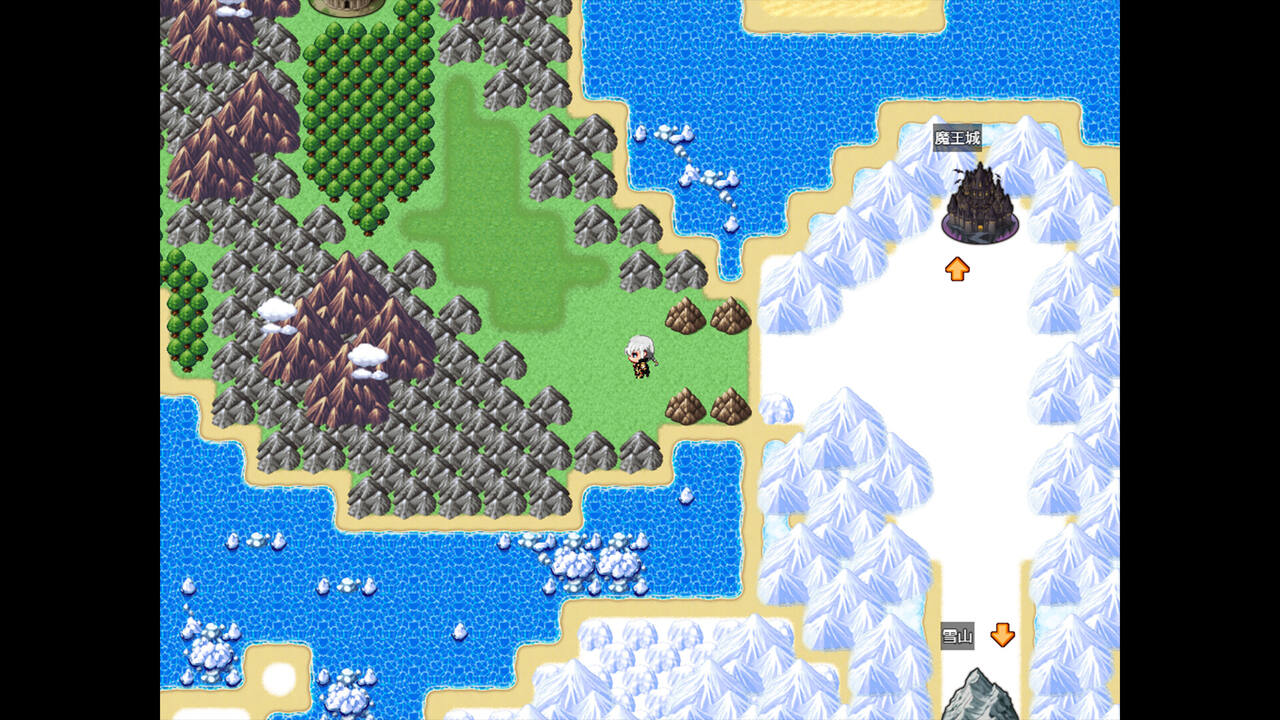
    Instead of casting you as the righteous defender of the realm, the game puts you directly into the boots of Alice, a willful and currently disheveled Demon Lord. After a humiliating defeat at the hands of the Goddess’s chosen Brave, Alice is thrown back in time exactly one year before her failed conquest. This setup creates a “new game plus” style narrative framework. To succeed on this second attempt, Alice must dismantle the Hero’s support system by hunting down the Four Sages, expanding her territory, and rebuilding the very world she intends to rule.

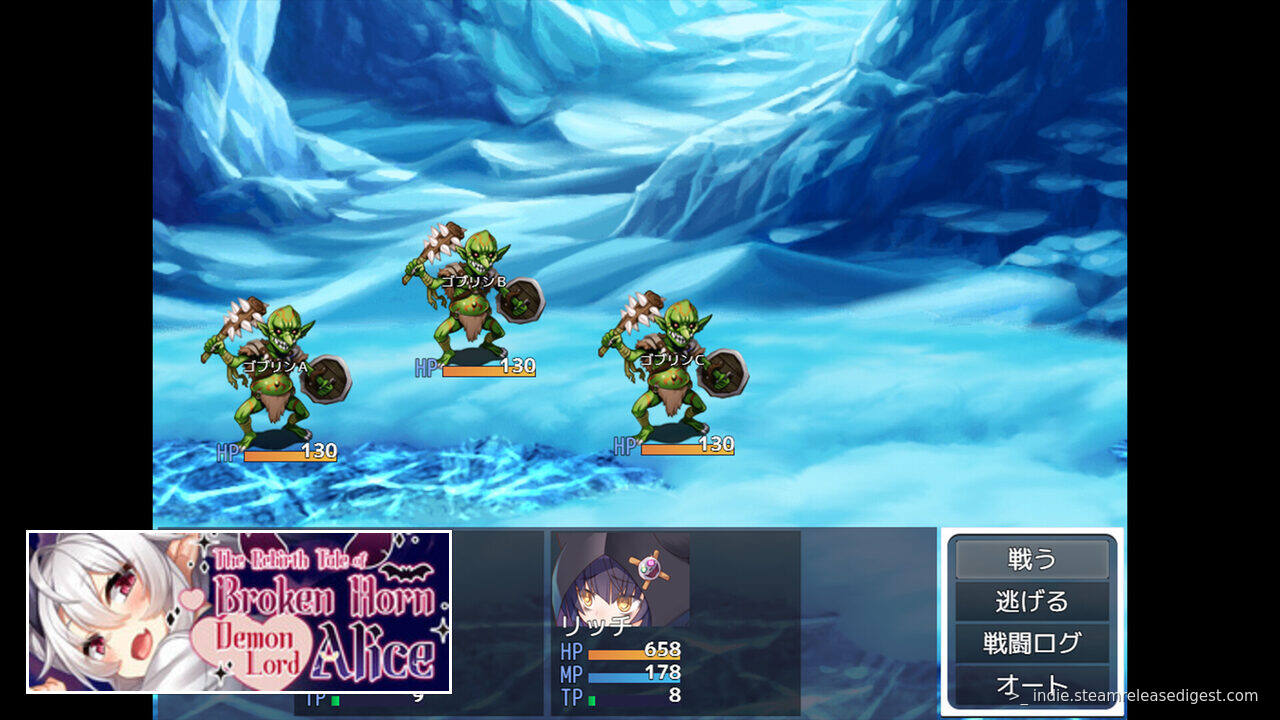
    The core loop divides its time between classic turn-based dungeon crawling and town restoration. You will guide Alice through grid-like cave labyrinths, fighting monsters like Goblins in traditional turn-based combat to harvest resources and experience. What elevates this beyond standard retro fare is the recruitment system: when you defeat an enemy, there is a distinct chance they will join your ranks. Cultivating an army from your former foes—including those very same Goblins—lends a satisfying, creature-collector flavor to the progression.

    The Rebirth Tale of Broken Horn Demon Lord Alice gameplay screenshot
    Image courtesy of サークル☆フェアリーフラワー, 072 Localize via Steam

    Back at base, the resources you gather are funneled into building and developing towns. This town-building layer is not just for show; different structures provide tangible gameplay benefits, unlock branching story paths, and serve as the hub for the game’s adult-oriented visual scenes. It is a loop that feels casual and relaxing, prioritizing steady progression over high-intensity challenge.

    A Diamonds-in-the-Rough Niche

    Among players who frequent this specific subgenre of adult-themed indie RPGs, the game has been warmly received, with many calling it “the cream of the crop.” Reviewers praise the thoughtful quality-of-life features in the controls, the engaging pace of the combat, and the variety of the visual rewards. The novelty of playing the antagonist—and actually managing the logistics of her empire—provides a fresh flavor that standard fantasy RPGs often lack.

    However, the game is heavily constrained by its shoestring budget. Players note that the ambitious concept often outpaces the execution. For instance, the reactivity of the game world is highly limited; Alice’s physical state (such as her broken horn) is frequently ignored during major cutscenes, breaking immersion. Furthermore, players looking for a deep tactical challenge may find the low difficulty and repetitive dungeon-grinding a bit tedious over longer play sessions.

    The most significant hurdle, however, is the English localization. Multiple players have pointed out a severely flawed translation effort. The game is plagued by technical text issues: dialogue boxes frequently cut off mid-sentence, raw code and hex values leak into the text, and some lines remain entirely untranslated in Chinese. In the worst cases, copy-pasted dialogue lines can stall story progression, requiring players to click through carefully to avoid soft-locks. To get the complete, intended experience, players also note that installing an external patch is highly recommended.

    The Verdict

    This is a highly specific game designed for a highly specific audience. If you are looking for a polished, mainstream JRPG with a seamless translation and high-fidelity cutscenes, this is not it. The rough edges are sharp, and the translation issues require a patient tolerance for budget indie quirks.

    But if you are a fan of retro RPGs, enjoy the novelty of playing the villain, and appreciate a light turn-based loop mixed with town-building mechanics, there is a genuinely charming, low-stress adventure here. It is an imperfect, highly niche title that knows exactly what it wants to be—even if it needs a little patience to get there.

    Key Facts

    • Developer: サークル☆フェアリーフラワー, 072 Localize
    • Publisher: Oπ
    • Release Date: May 22, 2026
    • Price: $8.79
  • Drop and Grow: The Tiny, Hypnotic Plant Clicker That Asks You to Stop Optimizing

    Drop and Grow: The Tiny, Hypnotic Plant Clicker That Asks You to Stop Optimizing

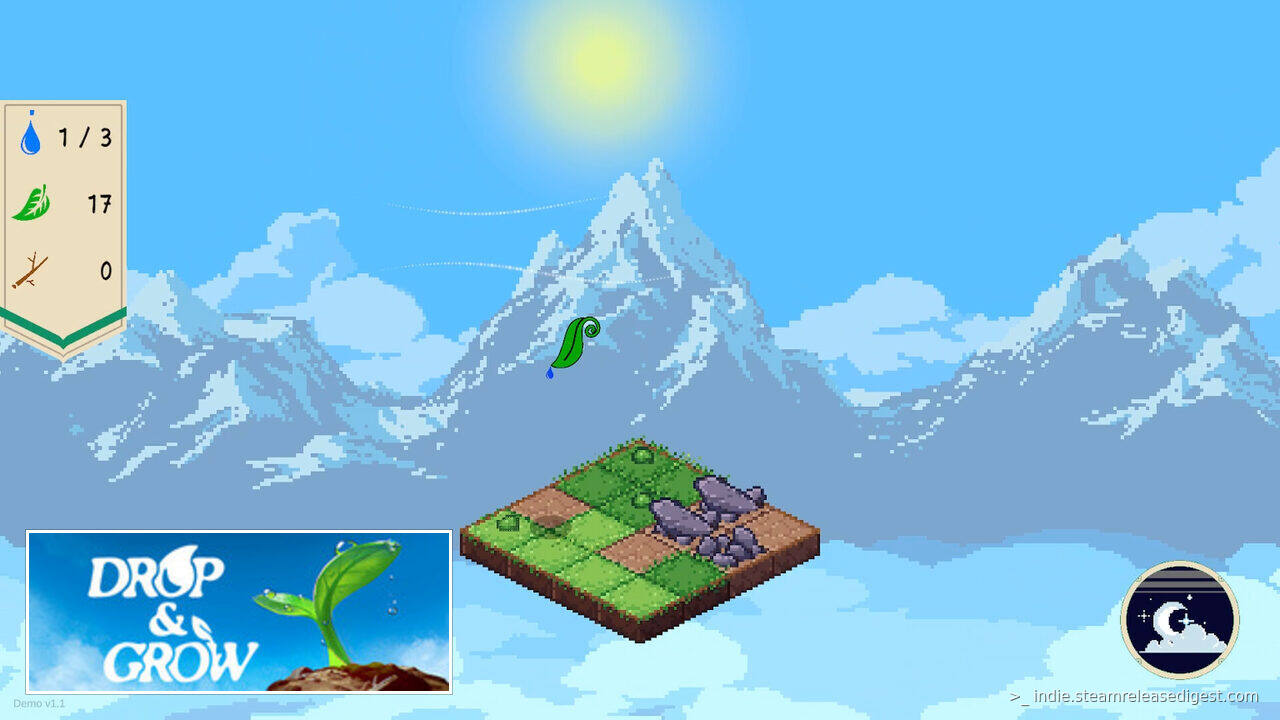
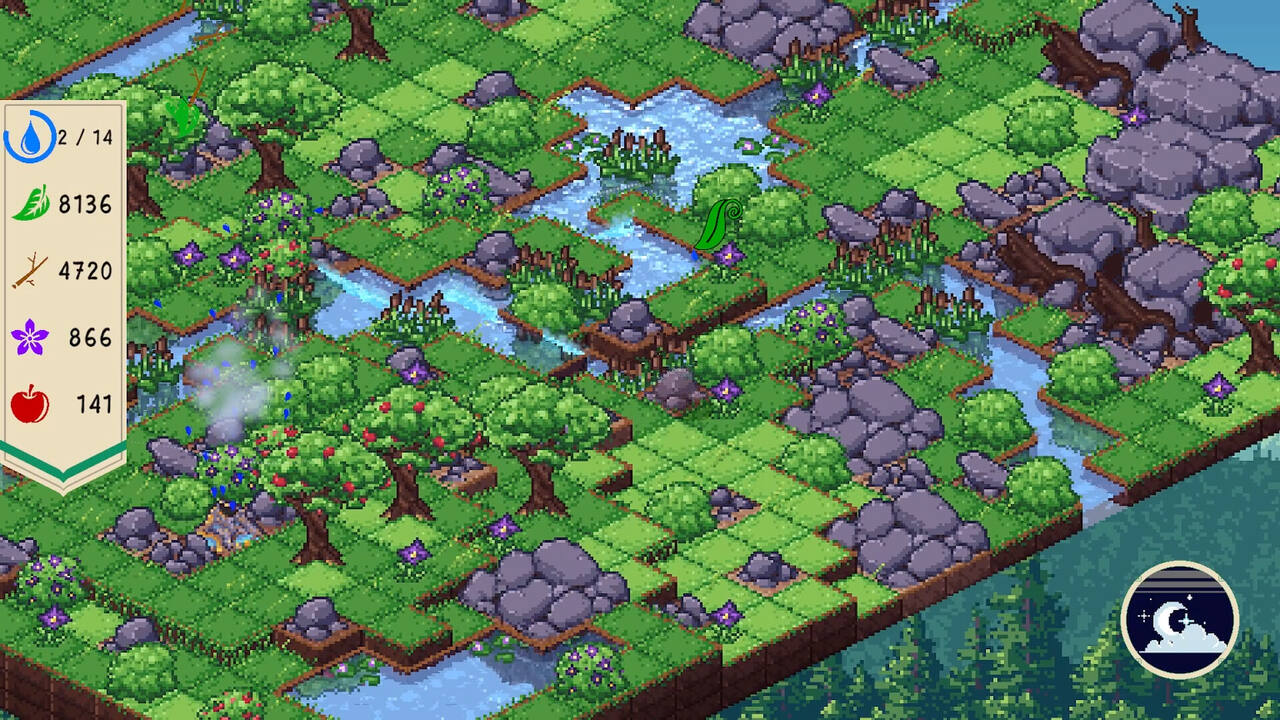
    A single droplet of water falls from a sluggish, stylized cloud, striking a patch of dry brown soil. Instantly, a tiny blade of bright green grass pokes through the earth. You click again, and another drop falls. A wildflower blooms, unfurling its petals in a smooth, satisfying animation. This is the basic, rhythmic loop of Shane Staller Games’ quiet incremental clicker: a game about watering the earth, upgrading your capabilities, and watching nature slowly reclaim the screen.

    The core gameplay experience is an exercise in minimalist relaxation. Unlike typical idle games that bombard you with flashing numbers, cluttered user interfaces, and aggressive progress bars, this title strips the genre down to its natural elements. Your primary task is to guide rainclouds across the screen to hydrate the ground. As grass, bushes, and flowers begin to carpet the landscape, you gather natural resources like leaves and branches. These resources are then funneled into upgrades that boost your watering efficiency and expand your reach. Built with accessibility in mind, the game features a mouse-only control option, a completely untimed play style, and the ability to save your progress at any moment, making it an exceptionally low-barrier experience.

    Drop and Grow gameplay screenshot
    Image courtesy of Shane Staller Games via Steam

    With an impressive 96% positive rating on Steam, the game has clearly resonated with players looking for a gentle escape. The overwhelming praise centers on its deeply relaxing, almost hypnotic atmosphere. Multiple players have noted a surprising “one more turn” loop reminiscent of massive strategy games like Civilization, where a simple “just five more minutes” turns into a lost hour of peaceful landscaping. The visual aesthetic and quiet sound design create a cozy sanctuary that rewards a slow pace. As one player pointed out, the experience actually improves once you train your brain to stop trying to min-max every single water droplet and instead simply enjoy the visual transformation of the digital soil.

    However, that simplicity does come with a few notable limitations that split player opinion. The most common critique is the game’s brevity. Active players can easily complete the core content and unlock all Steam achievements in about two to three hours. While some players pad this out to seven or eight hours by leaving the game running idly in the background, many were left wanting more. With only two biomes available, the community has expressed a strong desire for more variety—such as a rainforest biome, a desert-reclamation scenario, or small interactive elements like adding koi fish to the water features.

    On a mechanical level, there are also a couple of minor rough edges. Controlling the rainclouds can sometimes feel floaty and unresponsive, making precise watering more difficult than it needs to be. Additionally, some users have reported occasional, unexplained frame rate drops during play, though these performance hiccups rarely disrupt the otherwise tranquil pace of the game.

    Ultimately, this is a bite-sized, honest little clicker. If you are looking for a deep, mathematically complex simulation to sink fifty hours into, you will likely find this experience too brief and simple. But if you want a charming, low-stakes evening of achievement hunting, or a peaceful digital palate cleanser to help you unwind after a stressful day, it is a lovely, inexpensive way to watch the garden grow.

    Key Facts

    • Developer: Shane Staller Games
    • Publisher: Shane Staller Games
    • Release Date: May 21, 2026
    • Price: $6.99
  • Big Ralph’s Kitty Pinball and the Glorious Resurrection of 90s Desktop Nostalgia

    Big Ralph’s Kitty Pinball and the Glorious Resurrection of 90s Desktop Nostalgia

    A cartoon cat steering a pinball machine to the moon sounds like a fever dream recovered from a 1990s floppy disk, but this bizarre premise is the exact foundation of a genuinely clever, physics-based roguelike. It taps directly into the nostalgic vein of childhood afternoons spent hunched over Microsoft’s classic 3D Pinball, combining that cozy desktop aesthetic with the addictive, run-based progression loops of modern indie hits. It is a game that knows exactly what it wants to be: a loud, charming, and surprisingly strategic tribute to feline physics.

    The Flipper-Flipping Core Loop

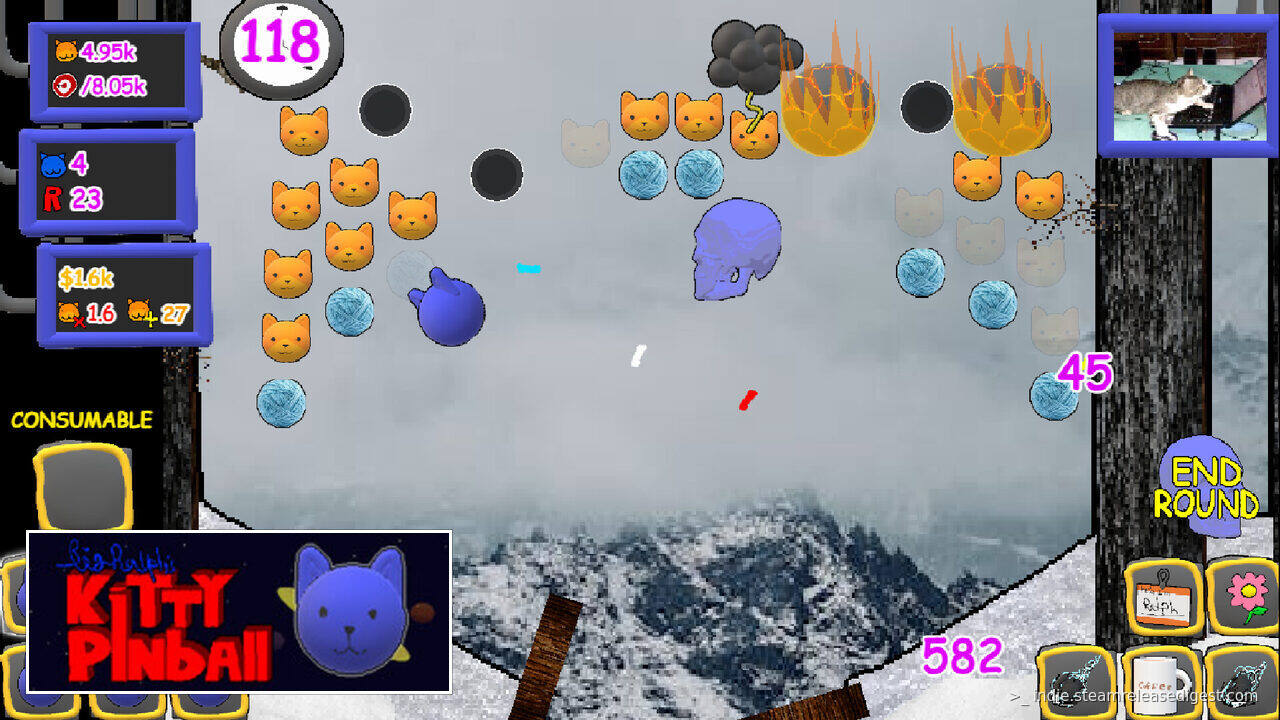
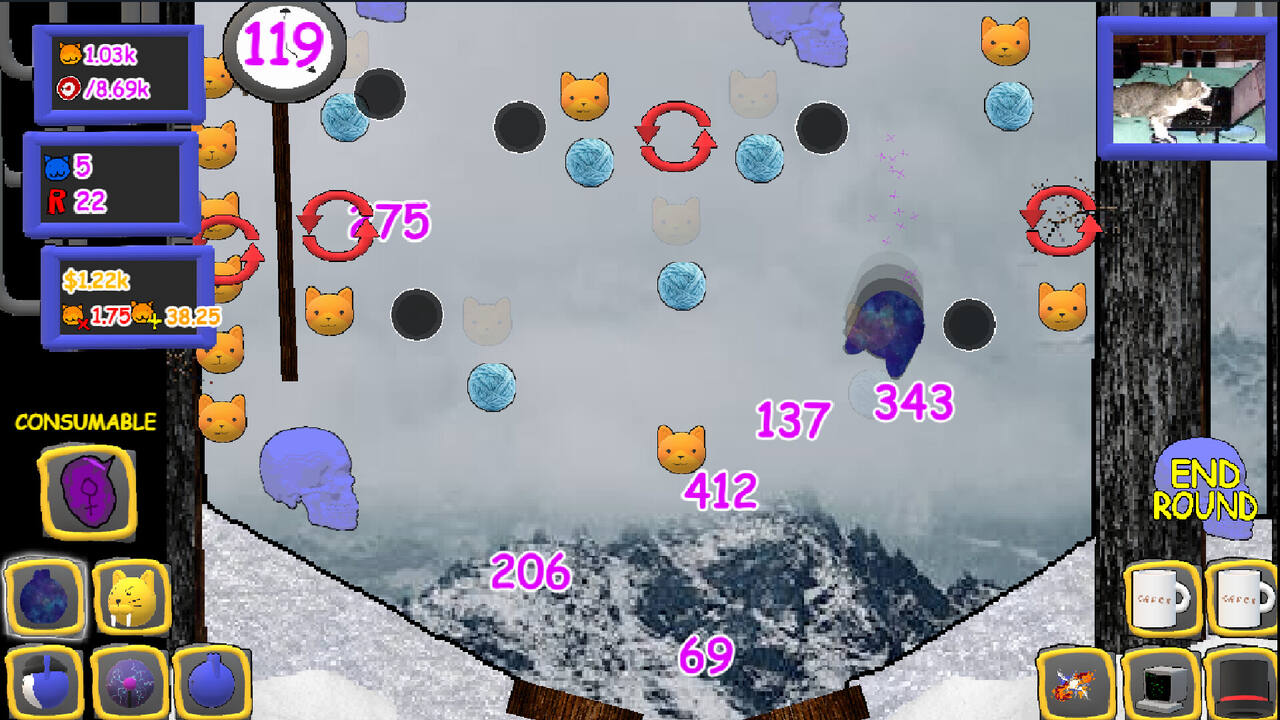
    At its heart, the game is about momentum, gravity, and surviving escalating score targets. You guide a chunky feline named Big Ralph through a series of increasingly chaotic pinball tables. Your ultimate goal is to accumulate enough points and wealth to launch Big Ralph on a grand expedition to the moon. However, space travel is expensive, and the game holds you to strict score quotas to keep your run alive. If you fail to hit the required threshold before your balls drain, your journey ends right there on the launchpad.

    What elevates this beyond a simple arcade port is its robust roguelike architecture. As you progress through a run, you navigate random events and face off against bosses, all while collecting new pinball variants and rule-changing artifacts. These items radically alter the table’s behavior, allowing you to build ridiculous score-multiplying synergies. You might find artifacts that reward you for hitting specific bumpers, or passive upgrades that completely alter how your income is generated between rounds. This item economy gives you a high degree of agency over your flippers, transforming a game of simple reflexes into a genuine test of strategy.

    Big Ralph's Kitty Pinball gameplay screenshot
    Image courtesy of DINGUS STUDIOS via Steam

    What Players Love

    The reception from players has been highly enthusiastic, with many praising the game’s distinct personality and “banger” soundtrack. Reviewers frequently celebrate the visual presentation, noting that it oozes a classic Windows-era charm that immediately transports them back to playing on their family’s first desktop computer. Fans of games like Peggle and Nubby’s Number Factory have found a familiar, dopamine-inducing home here.

    There is also widespread appreciation for how scalable the experience is. The game successfully caters to different moods; if you want to relax after a long day, you can turn down the difficulty and mindlessly flip balls. If you are looking for a challenge, the higher difficulties require careful planning and precise artifact synergies to survive the brutal late-game quotas. This “less is more” philosophy keeps the gameplay loop incredibly satisfying without overcomplicating the simple joy of hitting a silver ball with a plastic flipper.

    Where It Falters

    However, Big Ralph’s adventure is not without its rough edges. The most common criticism from players centers on the user interface. The graphical user interface (GUI) can feel cluttered and confusing to navigate, especially when you are first trying to understand how your inventory and shop purchases interact. It is an overwhelming introduction for a game that otherwise prides itself on simple, pick-up-and-play mechanics.

    Additionally, the game currently suffers from a lack of basic quality-of-life options. Players have pointed out that there are no volume sliders to turn down the music or sound effects, which can make long play sessions a bit taxing on the ears. Others have noted that the pinball physics can occasionally feel a bit “wonky” and unpredictable, and a few of the consumable items in the shop feel largely useless compared to the game’s more powerful permanent passive upgrades.

    The Verdict

    This game is a love letter to anyone who spent their childhood trying to keep a silver ball alive on a low-resolution monitor. It is perfect for casual players who want a quick, nostalgic hit of dopamine, as well as strategy fans who enjoy breaking game balance with clever item synergies. If you can overlook some cluttered menus, a lack of audio sliders, and the occasional physical quirk, this budget-friendly title offers a wonderfully eccentric ride. Big Ralph has a seat saved for you on his rocket ship, and it is well worth the ticket price.

    Key Facts

    • Developer: DINGUS STUDIOS
    • Publisher: DINGUS STUDIOS
    • Release Date: May 21, 2026
    • Price: $4.99
  • Forsaken Valley: A Micro-Survival RPG of Quiet Grinds and Cozy Shadows

    Forsaken Valley: A Micro-Survival RPG of Quiet Grinds and Cozy Shadows

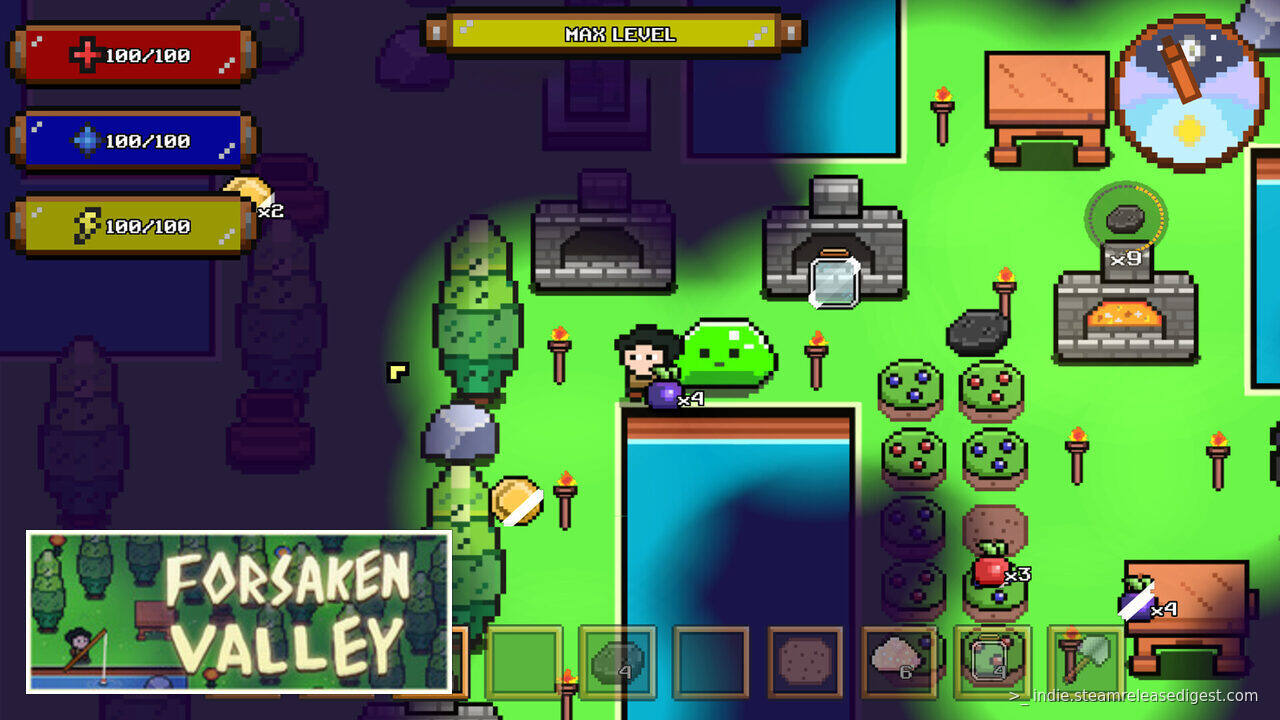
    The enemies you slay in this cursed lowland do not simply vanish into a puff of experience points; they grow permanently stronger with every victory you claim over them, turning what starts as a bright, minimalist stroll into a tense, evolving battle of attrition. This escalation mechanic sits at the heart of KineticFox’s new release, an indie survival-RPG that pairs simple, stylized aesthetics with a surprisingly moody atmosphere. It is a game where the early hours feel like a relaxing hike, but the deeper you venture into its twelve distinct zones, the more the world curdles into something distinctly darker.

    Surviving the Emotional Landscape

    At its core, the game blends the familiar crafting and gathering loops of titles like Terraria and Don’t Starve with a light, narrative-driven RPG structure. You wake up in a cursed basin where your emotions are not just abstract numbers on a character sheet—they are the very fuel for your powers and the driving force of your story. To escape this place, you must navigate a world populated by seven distinct tribes, trading with them for crucial resources while uncovering the secrets of diverse biomes that range from sun-scorched deserts to dusty quarries.

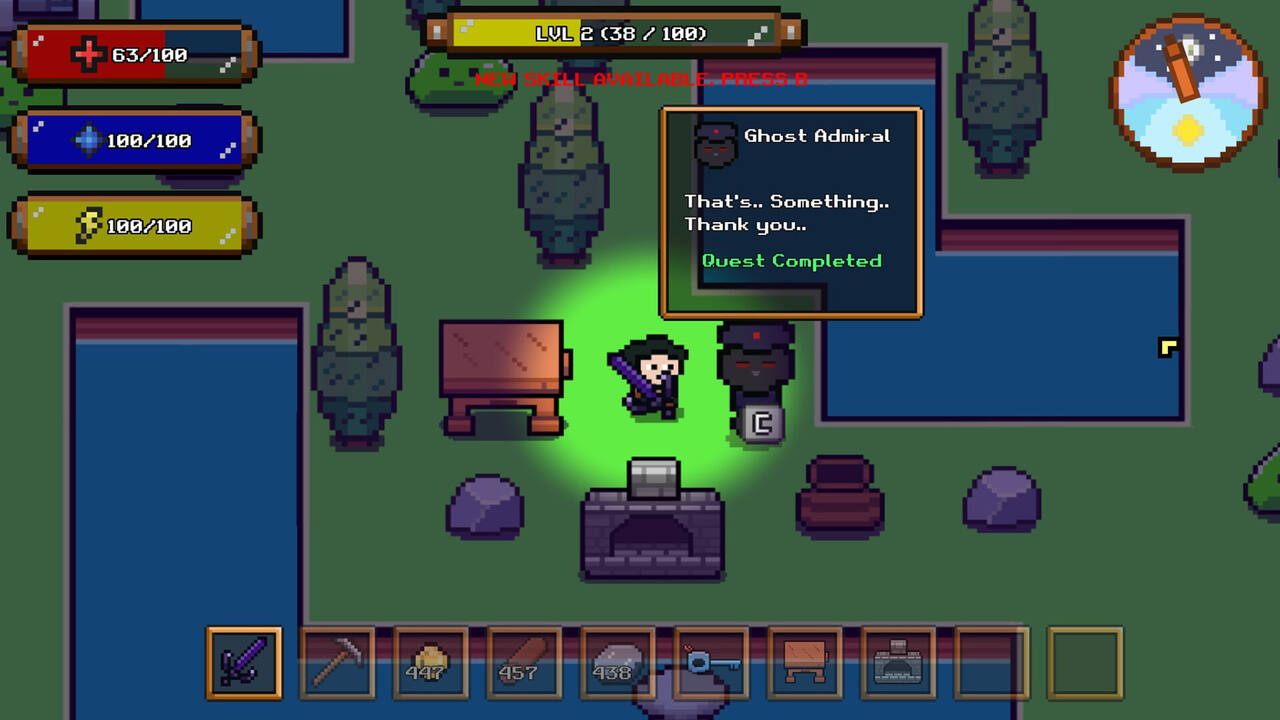
    The gameplay loop relies heavily on preparation and progression. You spend your time harvesting materials to craft an array of weapons, charms, and amulets. These crafted items are your primary tools for dealing with the twenty-four types of monsters and four major bosses standing in your way. There is a definite focus on the grind here, but it is a comfortable, rhythmic sort of grind rather than a punishing chore. Players are encouraged to find their own style of play, whether that means leaning heavily into defensive charms or building a high-damage arsenal to blitz through encounters. Along the way, the journey is peppered with light puzzle moments and brief, curious snippets of lore that hint at the history of the valley.

    Forsaken Valley gameplay screenshot
    Image courtesy of KineticFox via Steam

    Interestingly, the game also features built-in Twitch integration, allowing streamers to face monsters and unlock new areas alongside their chat. It is an unexpected inclusion for a small-scale RPG, but one that adds a layer of community-driven chaos to an otherwise solitary, contemplative journey.

    What Players Love (And Where It Chafes)

    With a clean sheet of positive user reviews, the initial reception highlights a game that punches above its weight in terms of sheer mood. Players frequently describe it as “addictive” and a perfect tool for “resetting your nervous system” after a long workday. Much of this praise is directed at the cozy atmosphere, which is elevated by a pleasant, calming soundtrack and a minimalist visual style that manages to be highly expressive despite its simplicity. For many, the combat strikes a satisfying balance—proving challenging at first until the mechanics click, after which the loop of grinding and upgrading becomes highly satisfying.

    However, being an indie title from a small developer means there are clear limitations. Several players note that the game still feels like it is “being finalized.” There is a desire for more robust visual feedback, with reviews pointing out that the game would benefit from richer visual effects during various combat and environmental interactions. Additionally, while the Steam page lists co-op features, early players have noted they are eagerly looking forward to a more fully realized cooperative experience, suggesting the multiplayer elements may still need polish and development.

    The other major consideration is the game’s length. This is not a hundred-hour sandbox. One reviewer noted they managed to fully complete the entire game in a single, four-hour sitting. While they walked away incredibly satisfied—calling it one of the best adventures they’ve had in years—those looking for an endless survival simulator should adjust their expectations. This is a tight, self-contained experience with a definitive end.

    The Verdict

    This title is an easy recommendation for players who love the structural loop of survival-crafting games but suffer from “sandbox fatigue.” If you want the satisfying progression of upgrading gear and exploring dangerous new zones without the overwhelming commitment of a massive, endless world, this is a perfect weekend game. It is a compact, atmospheric, and highly charming adventure that knows exactly what it wants to be, even if its edges are still a little rough around the margins.

    Key Facts

    • Developer: KineticFox
    • Publisher: KineticFox
    • Release Date: May 21, 2026
    • Price: $9.99
  • Spiking Goblins’ Beer While Your Landlady Sleeps: Why Long Live My Lady! 🍻 Tavern Simulator Deserves Your Weekend

    Spiking Goblins’ Beer While Your Landlady Sleeps: Why Long Live My Lady! 🍻 Tavern Simulator Deserves Your Weekend

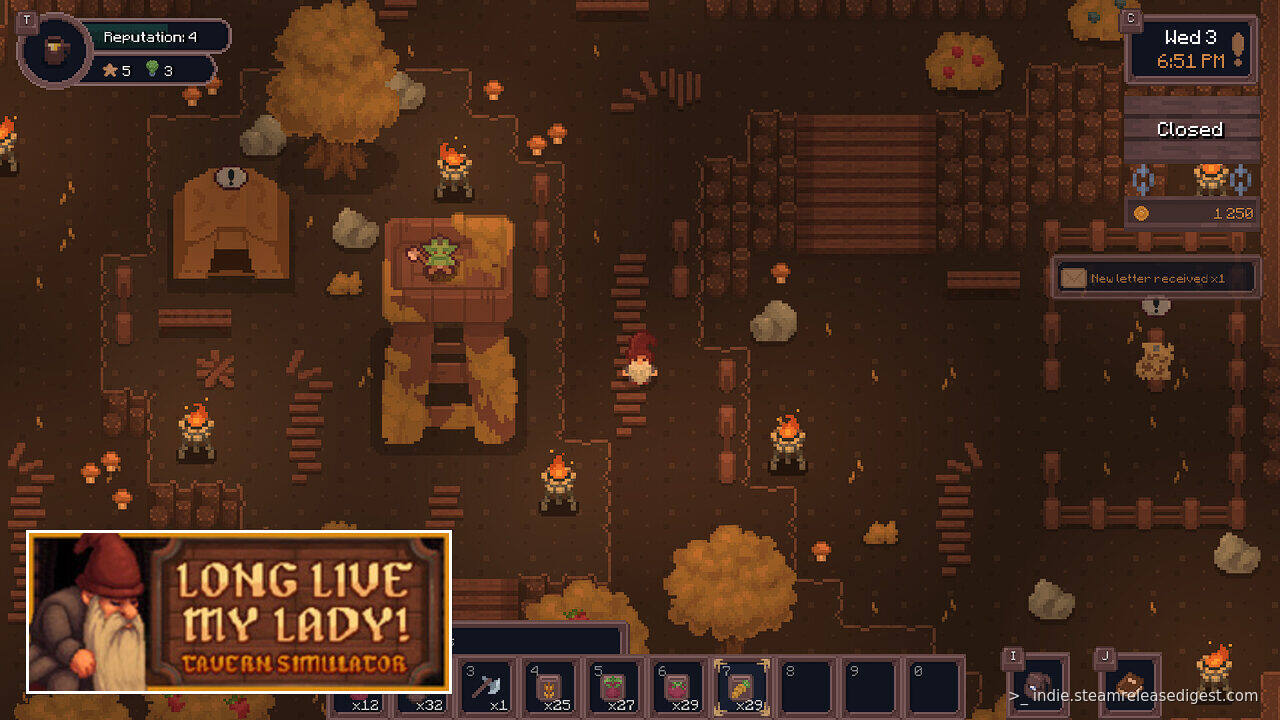
    Running the only tavern in a dark dungeon as a lone, busy gnome means planting underground vegetables, brewing cold pints, and occasionally slipping sleeping pills into a picky customer’s stew so you can pickpocket them while they doze.

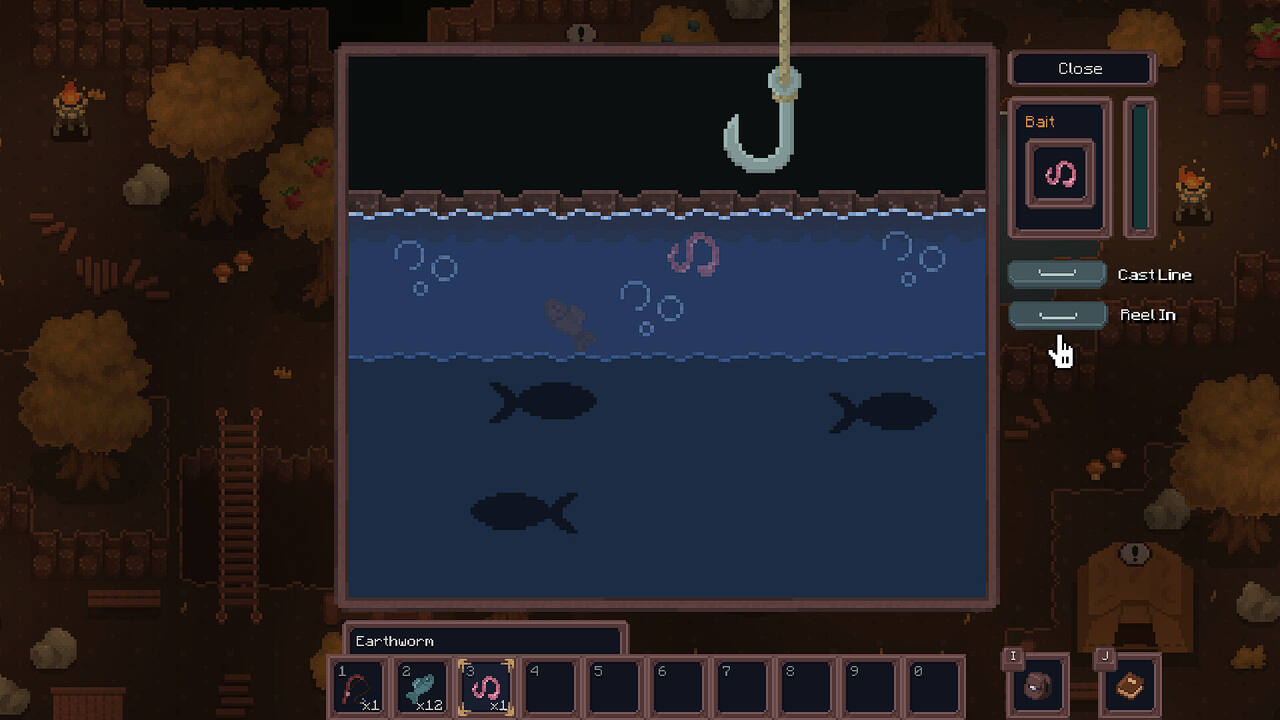
    Developed and published by sudo eat cake, Long Live My Lady! 🍻 Tavern Simulator places you in charge of a crumbling subterranean pub whose owner, a royal lady, has fallen into a deep, mysterious slumber. Left to pick up the pieces, your job is to restore the tavern to its former glory. This involves a snappy loop of farming crops, catching fish, and decorating the dining area to satisfy your patrons. You cannot just hide away in the back room, either; visitors expect quick service, and staying in the kitchen too long or failing to keep an eye on the dining floor will quickly sour their mood. To keep them happy, you will need to master your time management, balancing the kitchen fires with front-of-house service.

    What sets this game apart from the endless sea of cozy simulators is its focus, pacing, and a welcome streak of mischief. Instead of burying you under a mountain of hundreds of complex crafting recipes or demanding that you spend hours grinding for stone and wood before you can even pour a drink, the game keeps its systems lean and immediate. You are constantly on the move—foraging, cooking, serving, and dealing with quirky local goblins—but you are rarely left waiting around for arbitrary timers to tick down. There is also a delightfully devious cooking system that allows you to experiment with secret ingredients. If a particularly picky customer is threatening to ruin your tavern’s reputation, you can slip a spell potion into their beer to guarantee a glowing review. Alternatively, you can spike their stew with sleeping pills and quietly empty their pockets while they snore at the table.

    Long Live My Lady! 🍻 Tavern Simulator gameplay screenshot
    Image courtesy of sudo eat cake via Steam

    While the overall response from players has been unanimously positive, the game is not without its rough edges. Players running the game on the Steam Deck have noted that the default controls feel wonky at first launch, requiring a quick trip to the settings to remap the buttons before the game feels comfortable. The inventory system is another common point of friction; it lacks some of the quality-of-life conveniences players have come to expect from modern management games, and adjusting to its quirks takes some patience. There is also currently no option in the settings menu to mute the background music, and players who prefer to customize their characters will find themselves stuck with the default gnome sprite.

    Because the game is a fresh release, players have also run into a handful of minor bugs. For instance, the item count on storage chests sometimes fails to update immediately when you retrieve an item, and there have been isolated reports of game crashes. However, players note that these issues are far from game-breaking, and the developer has been active in the community hubs, working to patch out these launch-week hiccups.

    For its low price point, the game offers a surprisingly addictive experience that players estimate will take about 5 to 10 hours to fully explore. The loop of decorating your tavern with statues to boost customer reviews, customizing recipes with sneaky ingredients to manipulate your guests, and running errands for the local dungeon dwellers has a compelling pull that makes the hours fly by.

    The Verdict

    If you loved the cozy pub-management of games like Travellers Rest but want something a bit shorter, punchier, and self-contained for a weekend play session, this is an easy recommendation. It is an endearingly quirky, bite-sized tavern simulator that doesn’t respect your customers’ pockets, but thoroughly respects your time. It is perfect for players who want to bypass the heavy, exhausting grind of larger life-sims in favor of a tight, satisfying gameplay loop with plenty of personality.

    Key Facts

    • Developer: sudo eat cake
    • Publisher: sudo eat cake
    • Release Date: May 21, 2026
    • Price: $6.99
  • Turnout: A Tense Tug-of-War on the Tracks Worth the Price of a Pizza Slice

    Turnout: A Tense Tug-of-War on the Tracks Worth the Price of a Pizza Slice

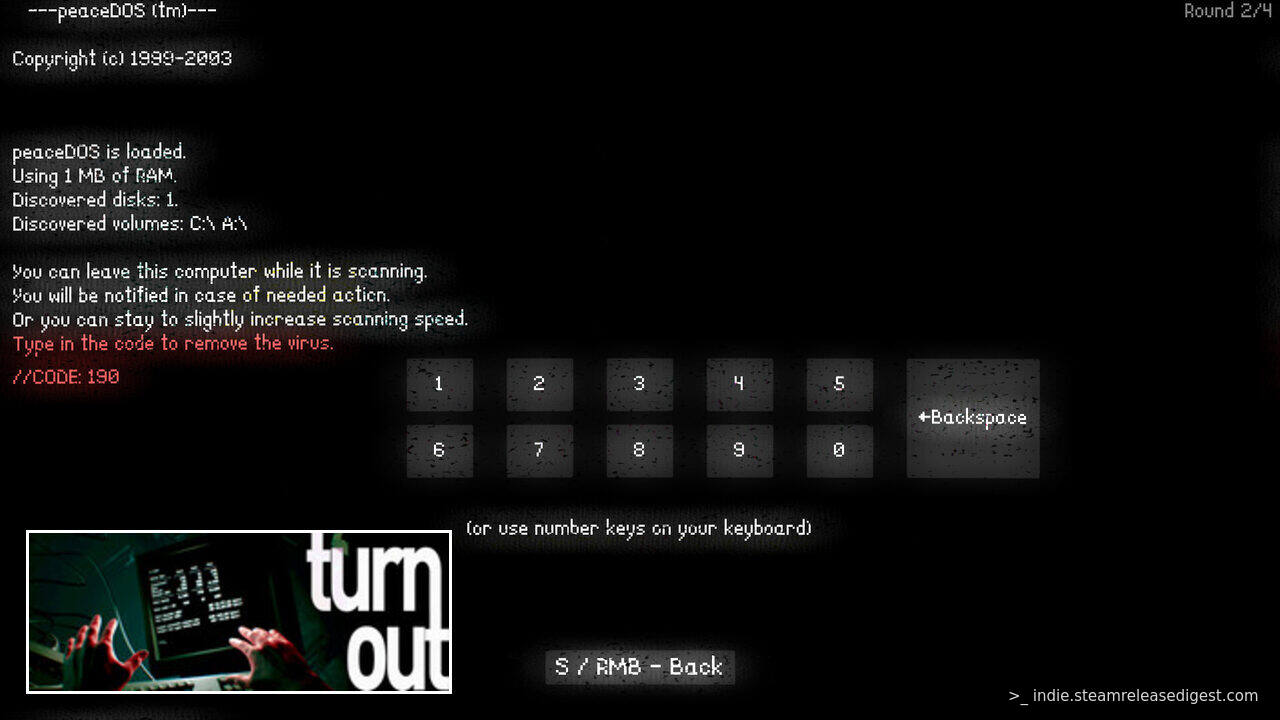
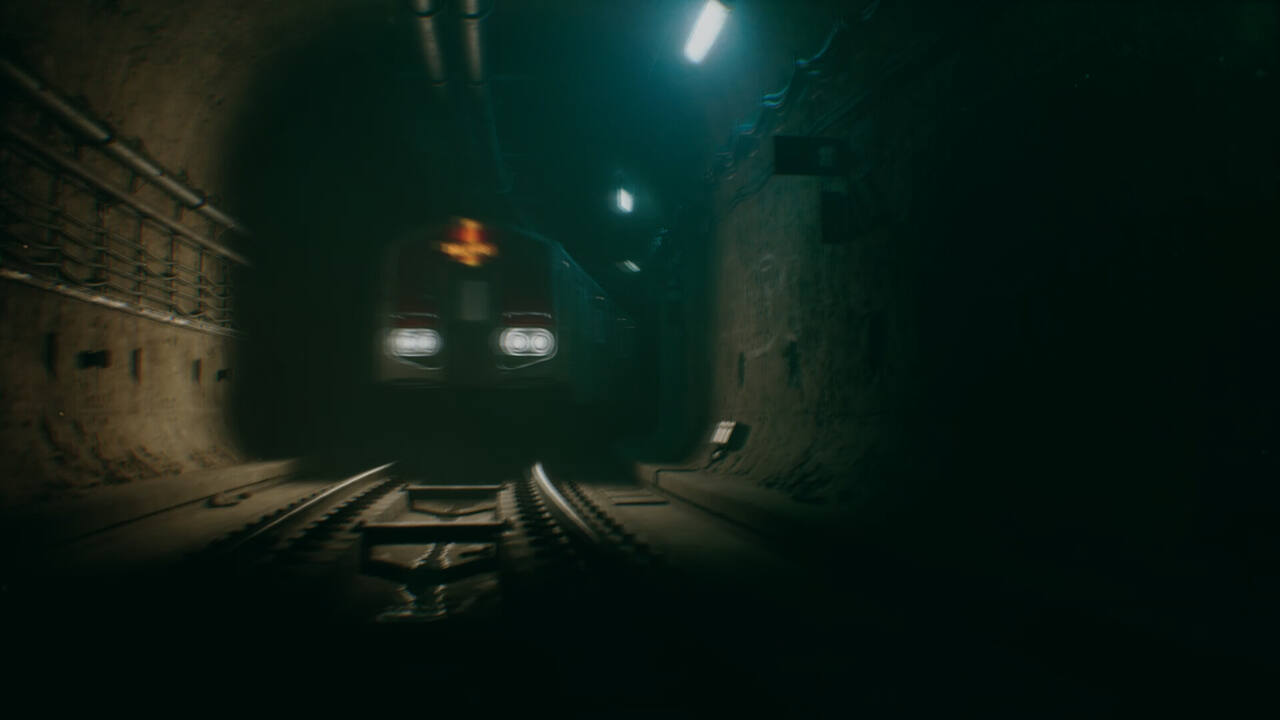
    “Genuine panic” is how players describe their first few rounds with Turnout, and it is hard to find a better fit. Developed and published by indie creator eevoe, this minimalist 1v1 strategy horror game takes a simple, almost child-like concept—guessing a hidden number—and wraps it in a claustrophobic, high-stakes nightmare. You are trapped in a grungy, low-voltage control room, and a massive train is rapidly barrelling down the tracks. It cannot be stopped. Someone is going to end up on the wrong track, and your only hope of survival is to make sure it is the other guy.

    The core loop plays out like a digital tug-of-war. In each round, the game’s server selects a hidden number. You and your opponent must quickly input a guess. Whichever player guesses closest to the target wins the round, earning the right to adjust the track’s route. If you win the guess, you steer the oncoming train away from your position and toward your rival’s. If you lose, that metallic roar gets terrifyingly closer to your terminal. While there is an undeniable element of luck to this central guessing game, players have noted that paying close attention to the information provided allows you to skew the odds heavily in your favor.

    Turnout gameplay screenshot
    Image courtesy of eevoe via Steam

    But Turnout is not just a math game played in a vacuum; it is a frantic test of multitasking under pressure. As you struggle to calculate your next guess, the environment actively breaks your focus. Computer terminals are hit with sudden virus attacks that must be manually cleared before they end your game early. Unstable voltage causes frequent power outages, plunging your room into pitch-black darkness and leaving you temporarily paralyzed. Worst of all, the noises from the depths are not empty ambient sounds. A horrifying entity is constantly trying to sneak into your room to eliminate you. To survive, you must physically tear your eyes away from your terminal, turn around, and check the shadows to ward it off. The resulting gameplay loop captures the frantic, multi-front panic of Five Nights at Freddy’s, but with a competitive twist.

    What players love most about Turnout is this thick, unrelenting atmosphere. The sound design is universally praised for being exceptionally tense and anxiety-inducing, working alongside the grungy visual style to make players feel completely out of place and deeply unsafe. It is a game designed with restraint, yet it still manages to hide unexpected secrets that keep players hooked. Additionally, the game is remarkably lightweight. As one reviewer pointed out, it “works fine on my toaster,” making it highly accessible for players without high-end gaming rigs.

    However, the game is not without its rough edges. The single-player mode is incredibly brief, with most players wrapping it up in ten to thirty minutes. It functions primarily as a scaling tutorial to teach you the ropes before you dive into multiplayer. If you do not have a friend to play with or do not care for public online lobbies, you will run out of content very quickly. Furthermore, a few players have noted that the visual representation of the track-routing mechanic can be initially confusing, requiring a few rounds of trial and error before you fully grasp how your inputs affect the train’s path.

    Ultimately, Turnout is a beautifully focused micro-horror game. It does not pretend to be a massive, eighty-hour campaign. Instead, it offers a brilliant, high-tension multiplayer concept for the price of a slice of pizza. If you are looking for a quick, atmospheric, and highly competitive horror game to play with a friend over Discord, Turnout is absolutely worth your time. Just be prepared for your heart rate to spike when the train whistle blows.

    Key Facts

    • Developer: eevoe
    • Publisher: eevoe
    • Release Date: May 21, 2026
    • Price: $5.99