Author: sitemill

  • Pickupbal: A Micro-Arcade Oddity of Juggling, Spinning Cursors, and Fish Tanks

    Pickupbal: A Micro-Arcade Oddity of Juggling, Spinning Cursors, and Fish Tanks

    A single ball bounces across the screen, and your entire focus shrinks down to the tip of your mouse cursor, spinning it frantically to keep the sphere airborne while hostile shapes close in. You are not shooting, you are not exploring a sprawling dungeon, and you are certainly not saving the world. You are just trying to keep a ball up. Simple games like this succeed or fail on the sheer tactile feedback of their physics, and this strange little title relies entirely on that friction.

    Keeping the Ball Up

    At its core, the gameplay loop of this title is intensely focused. You control a cursor to spin and manipulate a ball, keeping it aloft through endless waves of increasing difficulty. But you are not alone in this clean, abstract space. Enemies spawn to disrupt your rhythm, forcing you to juggle both your precious ball and the very threats trying to end your run. It demands a fast, twitchy kind of coordination that feels almost physical, especially with the game’s mouse-only control option that strips away any unnecessary keyboard clutter to let you focus purely on the movement of your hand.

    To keep the repetitive bouncing from wearing thin, the developer has introduced a run-modifying card system. As you survive longer, these cards enter the mix to alter the rules of engagement, adding variables to what would otherwise be a static test of reflexes. Some runs might feel fast and chaotic; others might offer a brief window of control before the difficulty spikes again. It is a smart addition that elevates the experience from a mere tech demo to a genuine arcade challenge. The inclusion of global leaderboards and Steam achievements provides that extra push to keep you clicking, chasing just a few more seconds of survival to climb the ranks.
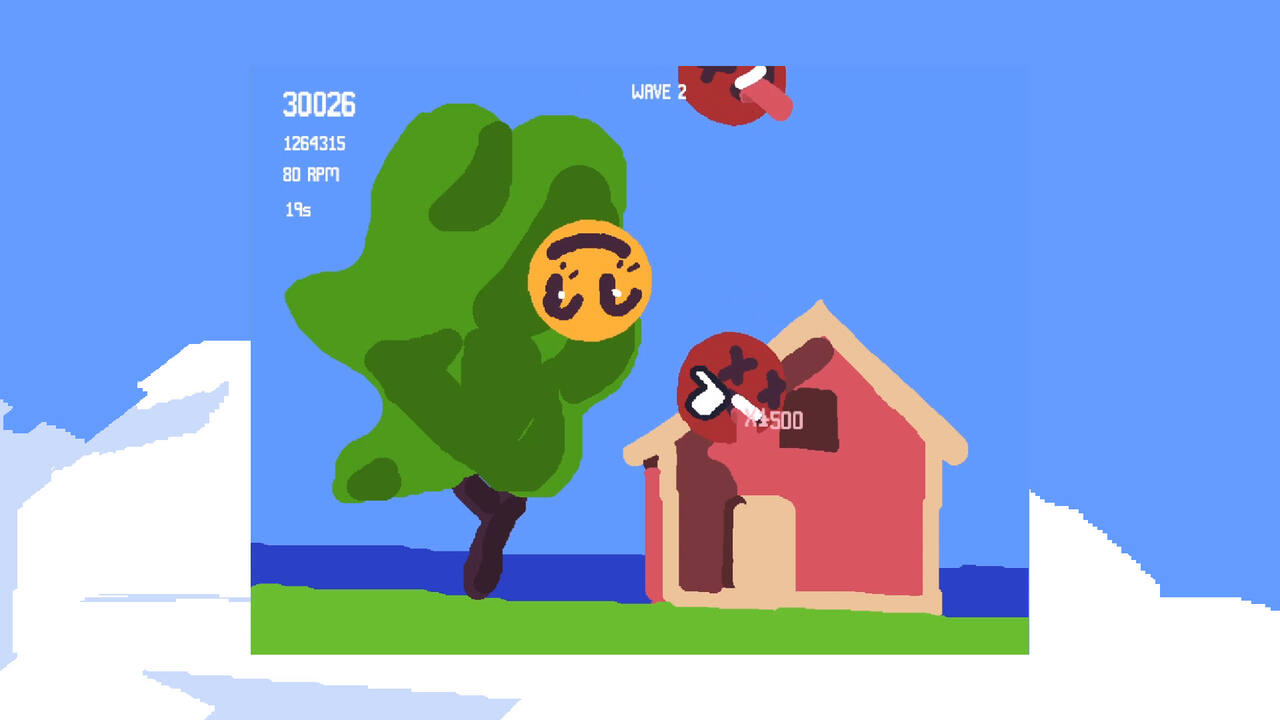
    Pickupbal gameplay screenshot
    Image courtesy of nikulas via Steam

    When you need a break from the high-tension juggling, you can retreat to the game’s most unexpected feature: a virtual fish tank. Here, you raise, collect, and sell fish to fund new cosmetic ball skins and backgrounds. It is an odd, low-stakes meta-game that runs parallel to the frantic action, giving you a passive goal to work toward while your wrists recover from the intensity of the main mode.

    The Double-Edged Sword of Ultimate Simplicity

    The reception so far has been quietly enthusiastic, with early players pointing to the game’s hypnotic, time-sinking quality. One player noted that it is “one of those perfect simple games that slowly steal hundreds of hours from you over the course of your life,” while others praise the quirky aesthetic of the unlockable skins and the bizarre joy of managing the digital fish tank alongside the intense action. There is a charm to a game that does not pretend to be anything other than a fun, quick-fire time waster.

    However, we have to be honest about what this experience is not. If you are looking for deep mechanical progression, a narrative hook, or complex strategy, you will not find it here. This is a game of pure, unfiltered repetition. The reliance on mouse-based spinning means your wrist will get a serious workout, and the basic visual presentation, while customizable with unlockable backgrounds, is functional rather than breathtaking. The absolute simplicity that makes it perfect for a quick five-minute break is the exact same quality that might make it feel shallow to players who demand more variety from their purchases. It is a highly specific mechanical toy, and once you understand the physics, the game has shown you most of its hand.

    The Verdict

    This game is built for the high-score chasers, the second-monitor multitaskers, and anyone who misses the era of shareware arcade games that you could launch in two seconds flat. At its pocket-change price point of $2.54, it does not need to be a life-changing masterpiece. It just needs to make bouncing a digital ball feel good, and on that front, it succeeds. If you have a few minutes to spare and an itch for pure, mechanical arcade focus, this is a worthy addition to your Steam library.

    Key Facts

    • Developer: nikulas
    • Publisher: nikulas
    • Release Date: Jun 15, 2026
    • Price: $2.54
  • Chain Reactions and Neon Overload: Why Electro Havoc Deserves a Closer Look

    Chain Reactions and Neon Overload: Why Electro Havoc Deserves a Closer Look

    Electro Havoc turns the glowing wreckage of your fallen enemies into your most lethal weapon.

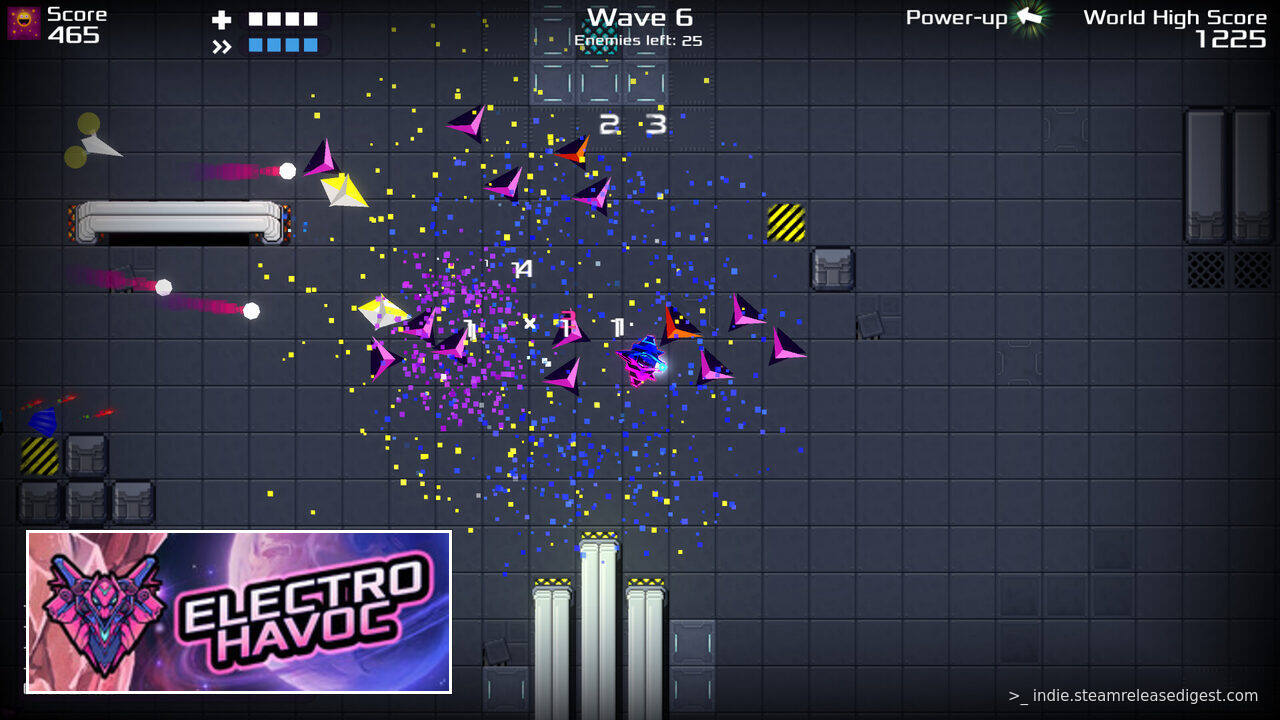
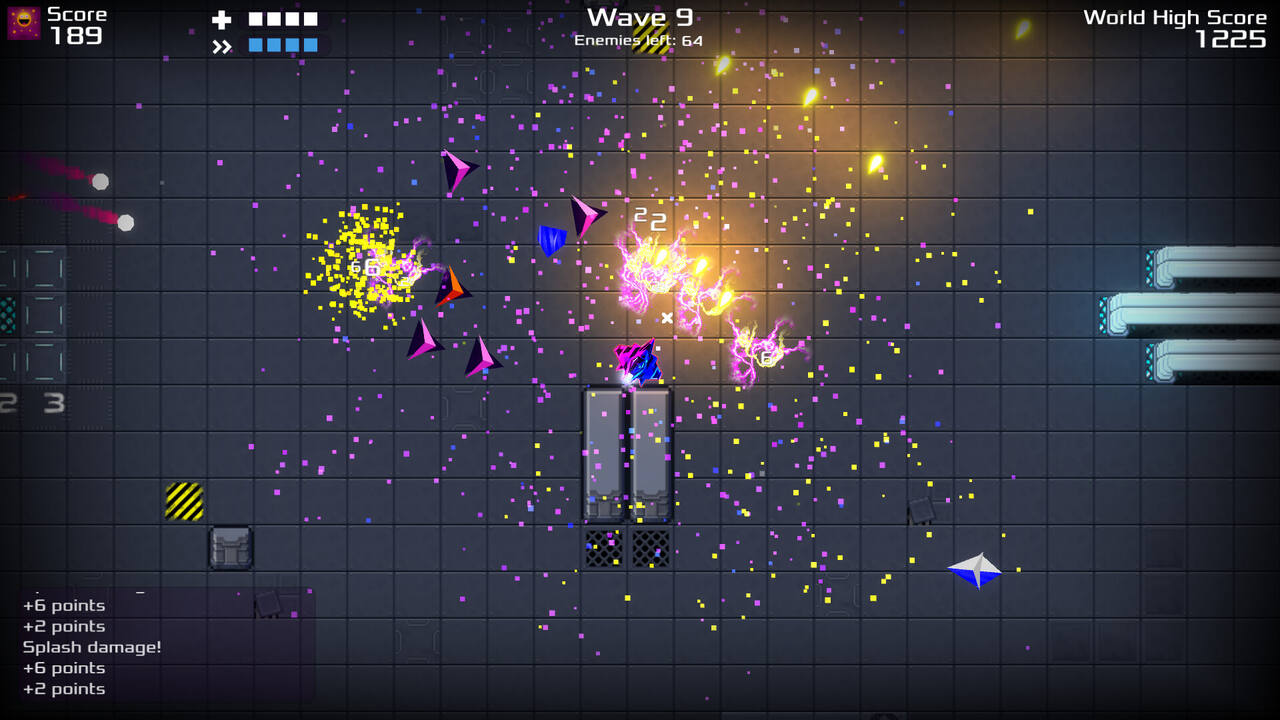
    Developed and published by Ryan Matthews, this retro twin-stick shooter takes the familiar arena-survival blueprint and injects it with a smart, high-stakes tactical layer. Instead of simply dodging and shooting until the screen is clear, you are constantly maneuvering to guide your geometric pursuers into the expanding debris fields left behind by their blown-up comrades. Doing so triggers devastating, screen-clearing chain reactions and skyrockets your score multipliers. It turns a standard space dogfight into a tense game of kinetic billiards, where your positioning is just as dangerous as your actual lasers.

    The Kinetic Flow of Geometry War

    At the center of this neon-charged storm is the Starfighter X-7, a highly responsive combat ship tasked with surviving waves of abstract, geometric foes across three distinct worlds. The game’s minimalist enemy design dictates exactly how you must move. Shards are pointy, aggressive pests that scale up in size, speed, and attack patterns as the waves climb. Tetras are sturdier flight-path strikers that always come at you from awkward angles. Meanwhile, Quadgras prefer to keep their distance, pepper you with slow-moving projectiles, and force you to weave through tight gaps. Because these enemies behave so differently, survival isn’t just about holding down the fire button; it is about prioritizing targets and leaving debris fields in strategic choke points.

    Electro Havoc gameplay screenshot
    Image courtesy of Ryan Matthews via Steam

    To help you navigate this chaos, the arena occasionally drops offensive and defensive power-ups that can quickly turn the tide of a bad run. On the offensive front, the Tri-blaster offers a wide, spray-and-pray pattern perfect for clearing out swarms, while the Mega blaster boosts your rate of fire with massive, heavy-hitting projectiles that shred through the toughest foes. On defense, you can grab shields for a brief moment of invulnerability, health regenerators to patch up your ship, or a thrust boost to jet out of tight corners. In a helpful touch of sensory design, the game provides a clear audible cue when these power-ups are about to expire, giving you a fair warning to stop playing aggressively and pull back before you are left defenseless in a crowd of enemies.

    What the Players Are Saying

    With an 88% positive rating on Steam, Electro Havoc has carved out a small but highly enthusiastic audience. Players are particularly fond of its striking presentation, with one reviewer noting there is “so much neon, I can hear colors.” The game’s clean, minimalist aesthetic and vibrant pixel particles make the screen feel alive with energy without becoming completely unreadable during high-intensity moments. Others have praised it as a shining example of what solo developers can achieve with the Godot engine, celebrating its smooth performance, full controller support, and instant pick-up-and-play appeal that makes it a great way to kill some time.

    However, the game’s simplicity is a double-edged sword. While most players enjoy it as a casual, engaging arcade ride, some feel that it lacks the depth of more established titles in the twin-stick genre. One critical reviewer noted that while the game is perfectly fine, it does not do enough to truly stand out, grading it as a “C” and suggesting that it feels a bit too lightweight. If you are looking for deep progression systems, ship customization, or an epic narrative campaign, you won’t find them here. This is a pure, distilled arcade experience, for better and for worse.

    The Verdict

    Electro Havoc is a focused, budget-friendly arcade shooter that knows exactly what it wants to achieve. It does not reinvent the wheel, but its chain-reaction debris mechanic adds a welcome layer of spatial strategy to the classic twin-stick formula. If you have a soft spot for high-score chasing, vibrant neon aesthetics, and quick-fire gameplay sessions, this is an easy recommendation at its $5.99 price point. Just don’t expect a massive, genre-defining epic—this is a sleek, satisfying bite of retro action designed to be played in short, intense bursts.

    Key Facts

    • Developer: Ryan Matthews
    • Publisher: Ryan Matthews
    • Release Date: Jun 6, 2026
    • Price: $5.99
  • Witch’s Apocalyptic Journey: A Deep, Chaotic, and Slightly Lost-in-Translation Co-op Roguelite

    Witch’s Apocalyptic Journey: A Deep, Chaotic, and Slightly Lost-in-Translation Co-op Roguelite

    In Witch’s Apocalyptic Journey, doom-bringing witches do not merely cast spells; they schedule their days to manipulate karma, laying out Fate Cards along a timeline to dictate their path to the end of the world. It is a highly specific, timeline-based mechanical hook that elevates this budget-friendly roguelite deckbuilder above the crowd of generic card-battlers. Underneath its rough exterior lies a game where a single clever decision can trigger an accidental, run-winning infinite loop of blood flow into tempered steel. Yet, this promising mechanical depth currently wrestles with a significant hurdle: an English translation so incomplete and rough that it frequently threatens to pull players out of the experience entirely.

    Crafting Fate on a Timeline

    At its core, the game tasks you with guiding these apocalyptic witches through a dying world. Instead of simply moving node-to-node on a standard map, you customize the daily schedules of your witches using Fate Cards on a timeline interface. You draw these cards and arrange them according to your strategy, meaning you actively schedule the events, encounters, and resources your witches will face. Once your route is set, the witches march forward along your planned course, turning map navigation into a puzzle of chronological optimization.

    The card-battling itself leans heavily into player agency. Using a resource called Truth Crystals, you can bypass traditional card drafting to manually craft custom “Super Cards” tailored to your exact build. If you have a basic card clogging up your deck that does not fit your synergy, you can outright replace it with one of these custom creations. Progression is smoothed out by an RPG-style meta-progression system that allows you to upgrade your witches’ starting stats, ensuring you are not truly starting from zero on subsequent attempts. To make things even more chaotic, the entire experience supports online co-op, allowing you and a friend to pool your cards, combine your schedules, and tackle the end times together.

    Witch's Apocalyptic Journey gameplay screenshot
    Image courtesy of MeowAlive via Steam

    The Balance of Brilliance and Rough Edges

    The early player reception paints a picture of a game with an incredibly strong mechanical foundation but a glaring need for polish. What players love most is the sheer, unexpected depth of the deckbuilding. For a game that costs less than a fancy coffee, the scale of content and card customization has caught players off guard. The community has already embraced the game’s high ceiling for broken, satisfying synergies, where clever theorycrafting pays off in devastating combos. The inclusion of stable, functional co-op is also highly praised, a rarity in a genre that usually relegates players to solo play.

    However, the praise is consistently qualified by warnings about the game’s current state of localization. The English translation is, by all accounts, incredibly rough. While players note that the developers at MeowAlive have improved the text significantly since the game’s initial demo, there remains a substantial amount of entirely untranslated text in the live build. For some players, this is a dealbreaker, leading them to refund the game or put it on the shelf to “marinate” while the developers continue their work. Additionally, the game’s aesthetic—featuring anime portraits for characters like Amelia and Coco—has drawn some attention, with players noting that the character art leans quite heavily into a “lewd” style that may or may not appeal to you depending on your personal taste.

    The Verdict

    Witch’s Apocalyptic Journey is a rough diamond that punches far above its weight class in terms of strategy and features. If you are a deckbuilding purist who thrives on breaking game balance through custom-crafted card synergies, or if you have been searching for a cooperative card battler to play with a friend, the low entry fee is an absolute bargain. However, you must be willing to tolerate a highly imperfect translation and a few rough UI elements. If you can overlook the language barrier and appreciate the clever timeline-planning mechanics, you will find a surprisingly deep strategic sandbox waiting for you.

    Key Facts

    • Developer: MeowAlive
    • Publisher: MeowAlive
    • Release Date: Jun 4, 2026
    • Price: $7.19
  • Gate Guardian and the Art of the Brutal, Broken Magic Build

    Gate Guardian and the Art of the Brutal, Broken Magic Build

    One player has already logged over 1,480 hours into Gate Guardian, while others are hitting a physical brick wall, failing repeatedly at exactly 99.9% completion on the very first fire mage stage. This sharp contrast tells you everything you need to know about this punishing, under-the-radar bullet heaven. It is a game of extreme scale, where players are either hopelessly addicted or thoroughly bruised by its relentless difficulty curve.

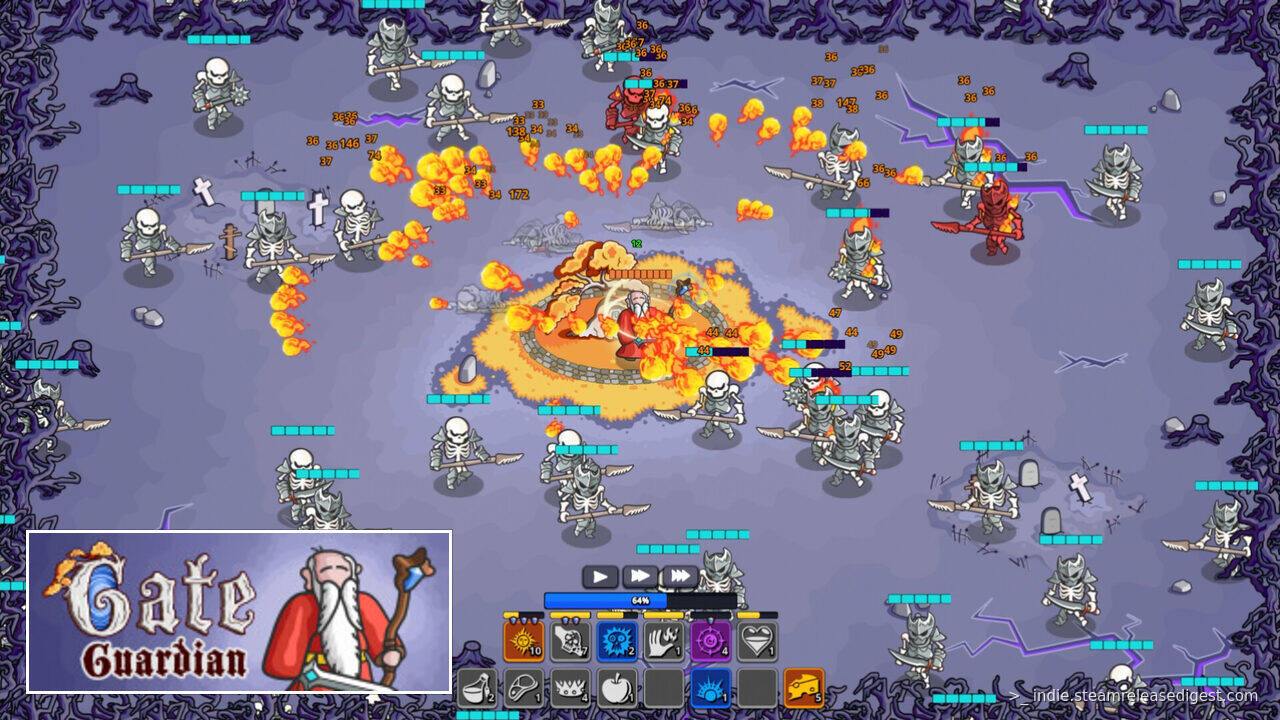
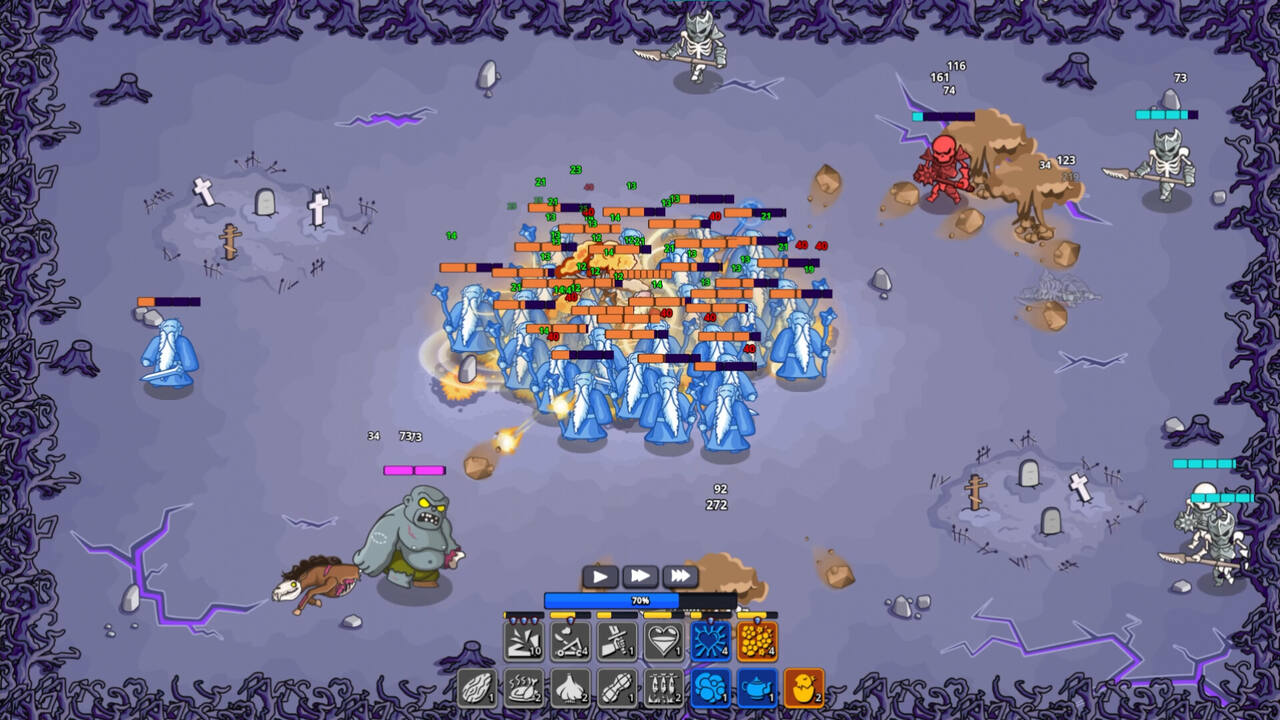
    At its core, Gate Guardian is a fantasy roguelite that takes the familiar, horde-survival framework of Vampire Survivors and injects it with a highly flexible spell-crafting system. Instead of simply collecting automated weapons and passive stat boosts, you are actively modifying the behavior of your magic. The game encourages you to break its own balance by evolving your skills up to three times. You can start with a basic fire projectile that inflicts periodic burn damage, evolve it into a wide fan of multiple projectiles, and finally upgrade those projectiles to trigger secondary explosions on impact. The ultimate goal is to fill the screen with so much magical chaos that you actively threaten your own frame rate.

    Gate Guardian gameplay screenshot
    Image courtesy of Dmitriy Zakharov, Andrey Zakharov via Steam

    This focus on spell synergy makes the early hours of the game incredibly satisfying. Finding a ridiculous combination of active skills and passive modifiers feels like discovering a cheat code. The developer’s stated design philosophy is to let players create builds that completely disregard traditional game balance, and when a build comes together, the power fantasy is immense.

    However, that freedom comes with some significant caveats that players are quick to point out. The most prominent hurdle is the game’s brutal, “ridiculously difficult” tuning. For all of its talk of infinite freedom, several players note that the upper difficulty tiers feel highly restrictive, leaving the impression that only one or two specific builds are actually viable when the pressure is truly on. If you stray from the meta, the hordes of undead will quickly overrun you.

    This balance issue is compounded by a frustrating lack of transparency in the game’s user interface. Gate Guardian relies heavily on percentage-based buffs, but it currently hides the raw base stats of your skills. Players find themselves trying to choose between various upgrades without knowing the baseline numbers they are multiplying, making build optimization a guessing game of trial and error. Additionally, while the game runs smoothly on the Steam Deck, the UI does not scale down well, resulting in tiny, hard-to-read text on handheld screens.

    So, who is Gate Guardian for? If you are looking for a cozy, brain-off auto-shooter where you can easily breeze through stages on your first try, this is not it. But if you are a theorycrafter who enjoys the challenge of solving a highly punishing mechanical puzzle, there is a massive amount of depth here for a very low price. At just $3.99, it offers a raw, highly addictive, and unapologetically difficult alternative to mainstream bullet heavens—provided you do not mind squinting at the screen and doing some mental math to find your path to victory.

    Key Facts

    • Developer: Dmitriy Zakharov, Andrey Zakharov
    • Publisher: Andrey Zakharov
    • Release Date: Jun 4, 2026
    • Price: $3.99
  • Ourlands: Building Tiny, Stress-Free Worlds for the Pure, Uncluttered Joy of It

    Ourlands: Building Tiny, Stress-Free Worlds for the Pure, Uncluttered Joy of It

    Ourlands strips the creative sandbox genre down to its absolute quietest essence, offering a tactile space where you assemble tiny, floating dioramas of mossy hills and beachside campfires without a single resource meter, questline, or ticking clock to worry about.

    The Art of Doing Absolutely Nothing

    At its heart, this cozy builder is a digital toy box. You start with a modest, empty plot of land suspended in a soft, minimalist void. From there, the gameplay is entirely self-directed. You browse a clean, highly intuitive UI to drag, drop, and arrange dozens of collectible items—ranging from quiet, lonely rocky hilltops to cozy beachside campfire cookouts. There are no grids to fight, no supply chains to manage, and no villagers complaining about tax rates. It is a game designed entirely around the simple, tactile pleasure of composition, offering full accessibility with features like a mouse-only control scheme, adjustable text sizes, and gameplay entirely free of timed inputs.

    What keeps this from being a completely static painting tool is its gentle discovery loop. As you spend time building and experimenting with your tiny environments, you unlock new items and aesthetic variations. Poking around a rocky outcrop might yield a new plant; arranging a beach scene might unlock a different style of tent or campfire. This slow drip of rewards encourages playful curiosity rather than optimal planning. Once you are satisfied with your micro-paradise, you can swap to “postcard mode.” This feature allows you to capture your favorite angles, decorate them with custom layouts, and save them to share with friends, turning your brief building sessions into digital keepsakes.

    Ourlands gameplay screenshot
    Image courtesy of GrahamOfLegend via Steam

    What the Players Say: Pure Vibrational Fidelity

    With a flawless 100% positive rating across its initial Steam reviews, the game has carved out a small but deeply appreciative niche. Players are particularly enamored with the presentation. Multiple reviews highlight the incredibly slick UI and the “quaint aesthetic,” noting that the game achieves high fidelity through thoughtful, minimalist design rather than flashy graphics. The sound design is a quiet standout; one user noted that the ambient audio is so authentic and meditative that they actually mistook the in-game background noise for real life outside their window.

    Because of this tranquil atmosphere, players are finding highly specific, cozy use cases for the game. Several reviews recommend it as a perfect “second-screen” experience—the kind of low-demand game you keep running in the background on a rainy day while watching a movie or listening to a show. Another player pointed out that its gentle, zero-pressure nature makes it an excellent, accessible tool for parents to play alongside young children, sparking easy, real-world conversations about plants, animals, and objects without the barrier of complex controls. As one reviewer succinctly put it, the game is simply about “straight chillin’.”

    However, an honest look at the game means acknowledging its deliberate limitations. There are no traditional gameplay loops here. If you are the type of player who needs a survival mechanic, a puzzle to solve, or a clear checklist of objectives to feel motivated, you will likely find yourself staring at your screen wondering what you are supposed to do next. It is not a game to “beat”; it is a digital stress-ball. The simplicity is the entire point, which may leave those looking for deep progression feeling cold.

    The Verdict

    The game is a masterclass in scope control. By stripping away the bloat of modern simulation games, developer GrahamOfLegend has created a beautiful, friction-free sanctuary that costs less than five dollars. It does not demand your undivided attention, your strategic brainpower, or your quick reflexes.

    If you are looking for a deeply demanding strategy title, look elsewhere. But if you need a quiet, beautifully realized space to wind down after a long day, or a cozy virtual desk toy to play with while the rain taps on your window, this is an absolute steal that deserves a spot in your Steam library.

    Key Facts

    • Developer: GrahamOfLegend
    • Publisher: GrahamOfLegend
    • Release Date: Jun 2, 2026
    • Price: $4.49
  • Skateboards, Cat Music, and Sticky Situations: Why Gum Squad is the Goofiest Co-op Shooter of the Year

    Skateboards, Cat Music, and Sticky Situations: Why Gum Squad is the Goofiest Co-op Shooter of the Year

    Some players are spending their first few runs in Gum Squad entirely on foot, throwing desperate left-and-right punches at mutant scorpions because they did not realize the reload button was mapped to the “R” key. It is a wonderfully chaotic introduction to a game where cozy vibes and sudden panic live in perfect, sticky harmony. Developed in just 90 days as a solo experiment by Fern Nigro, this low-cost co-op shooter is capturing a very specific brand of indie magic: the kind where you can hunt gum-based creatures in programmer socks, ride a skateboard, and then get crushed under the literal weight of your own loot.

    A Dusty World Gone Sticky

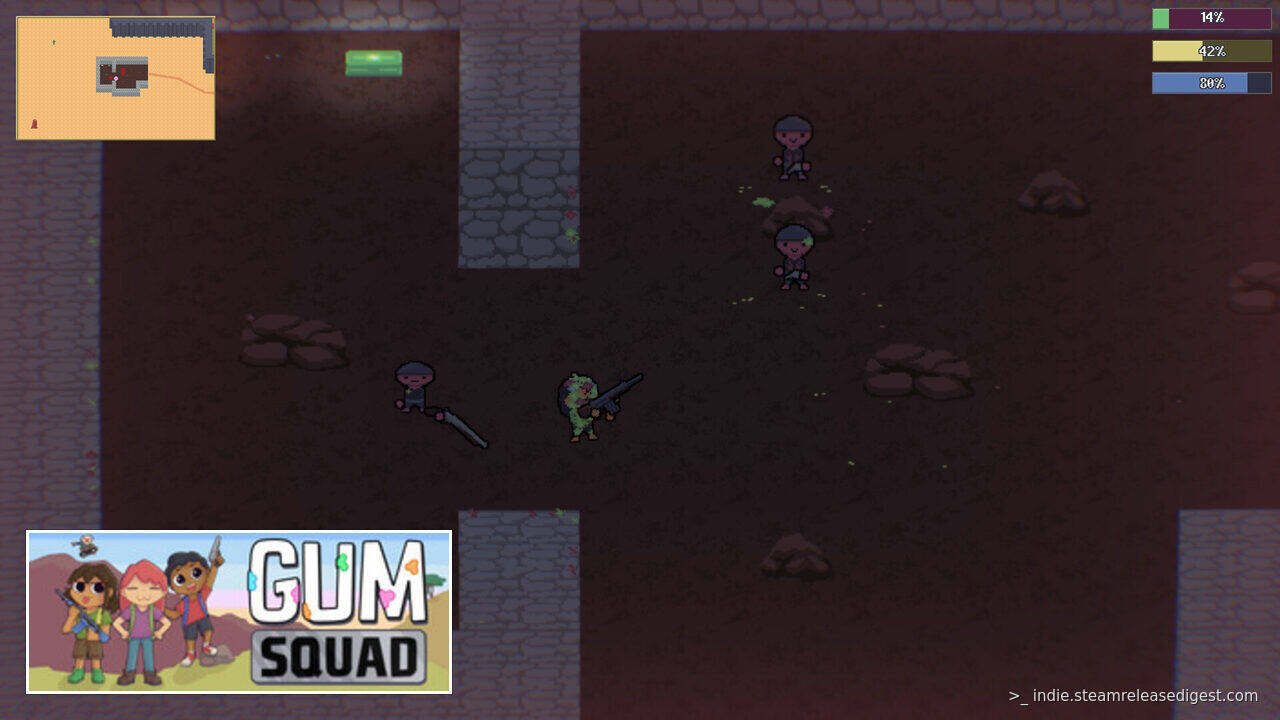
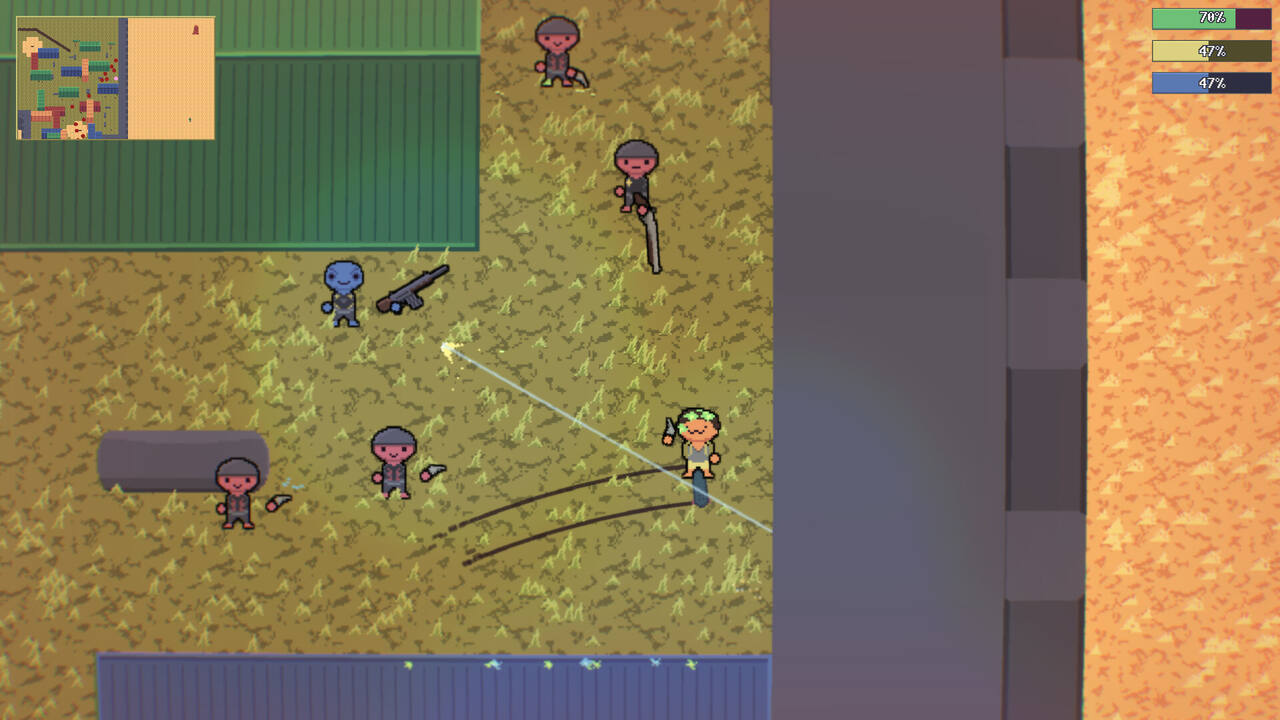
    At its core, Gum Squad is an online PvE experience for up to eight players, set in a quiet, dusty world where gum went from being a favorite resource to a massive ecological disaster. You and your friends begin your journey with nothing but a humble peashooter and a vast, empty landscape to explore. From there, you set out into wide-open fields and sleepy deserts to scavenge materials, level up your character’s skills, and piece together what went wrong.

    Despite the goofy premise, the combat is surprisingly tactical. The enemies you face do not just run blindly toward your barrel; they take cover, peek out to shoot, and fall back when they need to reload. This turns quiet exploration into sudden, focused firefights. To survive, you have to manage a detailed inventory system that accounts for carrying weight. If you have hoarder tendencies and try to vacuum up every piece of gum-tech you find, you will quickly find your character moving “with the speed of a snail on crutches.” To balance this encumbrance, the game gives you a skateboard, letting you hit sick tricks across a desolate pixel-art landscape when you are not weighed down by gear.

    Gum Squad gameplay screenshot
    Image courtesy of Fern Nigro via Steam

    Cat Music, Programmer Socks, and Mutant Scorpions

    What players are latching onto most is the game’s irresistible, quirky charm. Reviewers are uniform in their praise for the soundtrack—specifically the “cat radio” music that plays in the background, which some describe as relaxing enough to fall asleep to. The customization options are another high point, allowing you to deck your character out in cat ears and programmer socks to build the “gum demon” of your dreams. For players who usually find the shooter genre intimidating, Gum Squad’s casual pacing and low price point make it incredibly approachable as an online hangout space with friends.

    However, this is still an experimental project built in three months, and its rough edges are part of the package. The lack of hand-holding is immediate. As mentioned, basic mechanics like reloading are left for the player to figure out, leading to some accidental melee-only runs. The inventory weight system, while adding a nice layer of survival strategy, can feel incredibly punishing for players who hate leaving items behind. And despite the cozy aesthetic and lo-fi tunes, the game features some genuine terrors: the “Gum Corp” scorpions have already earned a reputation among early players as intimidating beasts that turn a peaceful stroll into a fight for survival.

    The Verdict

    Gum Squad is not a highly polished, cinematic shooter with a massive budget, and it does not pretend to be. Instead, it is a game for players who love the raw, unpolished creativity of solo indie development. It is for groups of friends who want a cheap, charming, and slightly janky evening of looting, shooting, and skateboarding to lo-fi cat music. At under five dollars, it is a low-risk, high-reward experiment that proves you do not need years of development to make something genuinely memorable.

    Key Facts

    • Developer: Fern Nigro
    • Publisher: Fern Nigro
    • Release Date: May 31, 2026
    • Price: $4.49
  • Kunugi’s Life is a Mess!: Revenge, Roguelike Rules, and the Charm of a Sloppy Heroine

    Kunugi’s Life is a Mess!: Revenge, Roguelike Rules, and the Charm of a Sloppy Heroine

    Kunugi has finally cornered her bully, ready to extract a long-overdue debt of vengeance, when a glowing White Door appears out of thin air. Instead of facing her, the bully dives headfirst into the portal. Kunugi, ignoring a mysterious girl who tries to hold her back, follows him into a bizarre, lawless dimension where humans can acquire supernatural power. This is the chaotic, surprisingly heartfelt starting line of Kunugi’s Life is a Mess!, a turn-based roguelike RPG that takes a deeply personal, grubby grudge match and translates it into a challenging dungeon crawler.

    The Grind of a Homeless Heroine

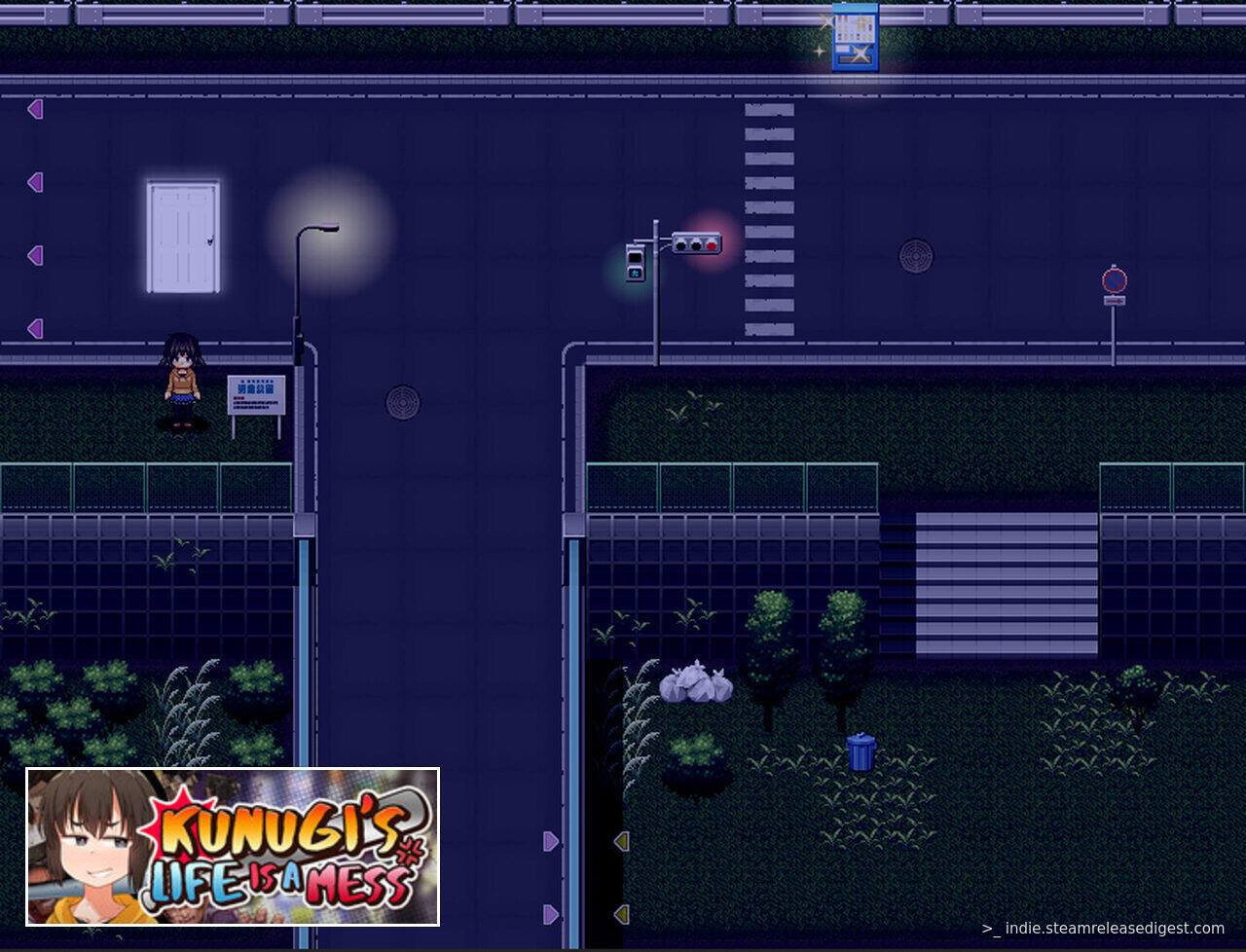
    Underneath its oddball premise lies a classic turn-based JRPG core wrapped in a tight roguelite loop. Every time you cross the threshold of the dungeon, your level resets to 1. Success relies entirely on your preparation and adaptability: you must carefully choose which skills to learn, which items to carry, and what gear to equip before diving into the fray. The combat itself relies on traditional turn-based rules, but don’t let the familiar interface fool you. Enemies hit hard, and the game offers a solid challenge that will quickly punish players who do not think several steps ahead. If you find yourself hitting a progression wall, the game permits you to rerun completed dungeons to gather the necessary cash and resources to power up your kit.

    As you explore, the dungeon throws more than just monsters at you. You will trigger poignant flashback sequences that piece together Kunugi’s tragic past, transforming a simple quest for spite into something much larger. Additionally, the game features dialogue options that act as risky gambles. Choosing the right response might net you a powerful buff or an instant level-up, while the wrong choice can leave you hobbled with a nasty debuff. Once you finally conquer a dungeon’s boss, the challenge doesn’t end there; you can battle a “remnant” of the boss for an even stiffer tactical test.

    Kunugi's Life is a Mess! gameplay screenshot
    Image courtesy of Like a Girl via Steam

    Charming Sloppiness and Strategic Depth

    Players who picked up this title expecting a cheap, throwaway indie joke have been pleasantly surprised by its mechanical competence and emotional weight. What begins as a simple chase slowly unspools into an intriguing, unpredictable narrative about trauma, memory, and identity. Yet, the game balances this heavy subject matter with a healthy dose of humor and quirky character designs. Kunugi herself is a highlight. Far from the polished, pristine heroines of traditional JRPGs, Kunugi is a disheveled, “sloppy-faced” homeless girl. Reviewers have noted a slow-burning attachment to her unrefined charm, finding her struggle far more relatable than that of a typical chosen one. Meanwhile, characters like the local goddess provide plenty of comedic relief and have quickly earned “waifu” status among the player base.

    On the combat front, players praise the game’s engaging loop, noting that it requires genuine thought rather than mindless button-mashing. It is this bizarre contrast—chasing a schoolyard bully through a magical lawless void while managing a homeless girl’s tragic flashbacks—that keeps the experience feeling distinct from the sea of generic fantasy dungeon crawlers. However, the game is not without its rough edges. The most common critique from players is its brevity. Kunugi’s Life is a Mess! is a relatively short experience, and some users have expressed a desire for more build and skill variety to make subsequent runs feel truly distinct. Additionally, multiple players have pointed out the existence of an optional community patch that adds adult-oriented “spicy” elements to the game, which they note adds some extra novelty to the overall package.

    The Verdict

    Kunugi’s Life is a Mess! is an easy recommendation for JRPG fans who appreciate a highly specific, slightly weird flavor of indie storytelling. If you want a tight, challenging turn-based system, a protagonist who feels genuinely different, and a story that isn’t afraid to shift from lighthearted comedy to genuine drama, this budget-friendly crawler is absolutely worth your time. It might be a short ride, but Kunugi’s messy quest for vengeance is one you won’t quickly forget.

    Key Facts

    • Developer: Like a Girl
    • Publisher: Saikey Studios
    • Release Date: May 29, 2026
    • Price: $8.79
  • XF Extreme Formula: Delivering the High-Speed Future We Were Promised

    XF Extreme Formula: Delivering the High-Speed Future We Were Promised

    Slamming your hoverjet around a sweeping, gravity-defying curve at supersonic speeds while thirty rival pilots jostle for position defines the white-knuckle thrill of this futuristic racer.

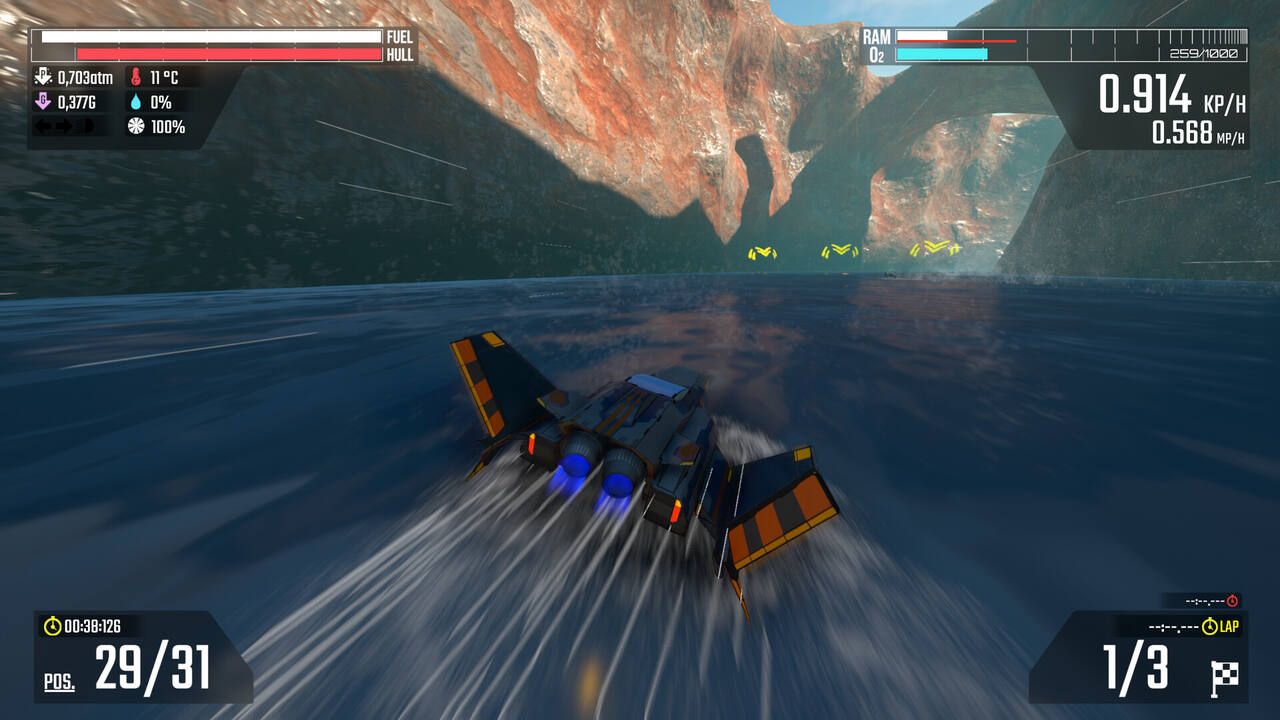
    Developed by Feperd Games, this title transports players to the year 3000, drops them into the cockpit of sleek hovercrafts, and tasks them with conquering the solar system. Rather than leaning into the hyper-technical, drift-heavy simulation of other modern anti-gravity racers, it channels a pure, unfiltered arcade philosophy. Across Tournament, Time Attack, and Arcade modes, the game focuses on responsive controls, aggressive track design, and dense grids of competitors. Perhaps its most surprising feature is a dedicated Story Mode, which allows players to interact with rival pilots and dig into the lore of the Hoverjet racing league between high-stakes championships, adding a layer of personality that is often missing from modern racing games.

    What immediately grabs players is the game’s exceptional sense of scale and velocity. Many Steam reviews point out that while other titles display high speeds on a digital speedometer, this one actually makes you feel the terrifying momentum of Mach-1 travel through brilliant visual styling and camera work. The tracks loop through vast, towering structures that dwarf your ship, using cinematic camera angles to emphasize just how small you are in these cavernous environments. Unlike competitors like Redout or BallisticNG—which feature steep, punishing physics systems that can take hours to master—the handling here is comfortable and intuitive right out of the gate. This accessibility does not mean the game is a walk in the park; the bot racers are notoriously challenging and aggressive, forcing you to fight for every inch of tarmac.

    XF Extreme Formula gameplay screenshot
    Image courtesy of Feperd Games via Steam

    With an impressive 92% positive rating from over two hundred players, the community’s sentiment is overwhelmingly enthusiastic, though not without some realistic caveats. Longtime fans of retro sci-fi racing have dubbed it “an F-Zero clone with the sauce,” praising its responsiveness and the frequent, care-filled updates from the active developer. The newly introduced story mode has been called “mint” by players who missed the narrative flavor of classic racers. However, the game’s indie budget and ongoing development show in its rougher edges. Players note that the story mode is not yet finished, and certain minor quality-of-life features are missing—specifically, a visual tracker for trophies earned at various difficulty levels. Furthermore, a small contingent of players find the game too derivative, arguing that it lacks the high-budget polish of its inspirations and feels like an “off-brand” endeavor that doesn’t fully justify itself over emulating retro classics.

    These minor complaints do little to dull the thrill of the chase. This game is a love letter to a specific era of gaming, prioritizing sheer fun and blistering speed over clinical perfection.

    The Verdict

    This is a game made specifically for players who have spent years waiting for a proper spiritual successor to the high-speed console racers of the early 2000s. If you want a fast, challenging, and highly responsive racer without the exhausting complexity of modern sim-racers, it is an easy recommendation. It may lack AAA budget sheen, but at a very reasonable price point, it delivers the adrenaline rush that genre fans have been craving.

    Key Facts

    • Developer: Feperd Games
    • Publisher: Feperd Games
    • Release Date: May 26, 2026
    • Price: $10.79
  • Stonemachia: When a Chess Pawn Crashes into Gothic Soulslike Horror

    Stonemachia: When a Chess Pawn Crashes into Gothic Soulslike Horror

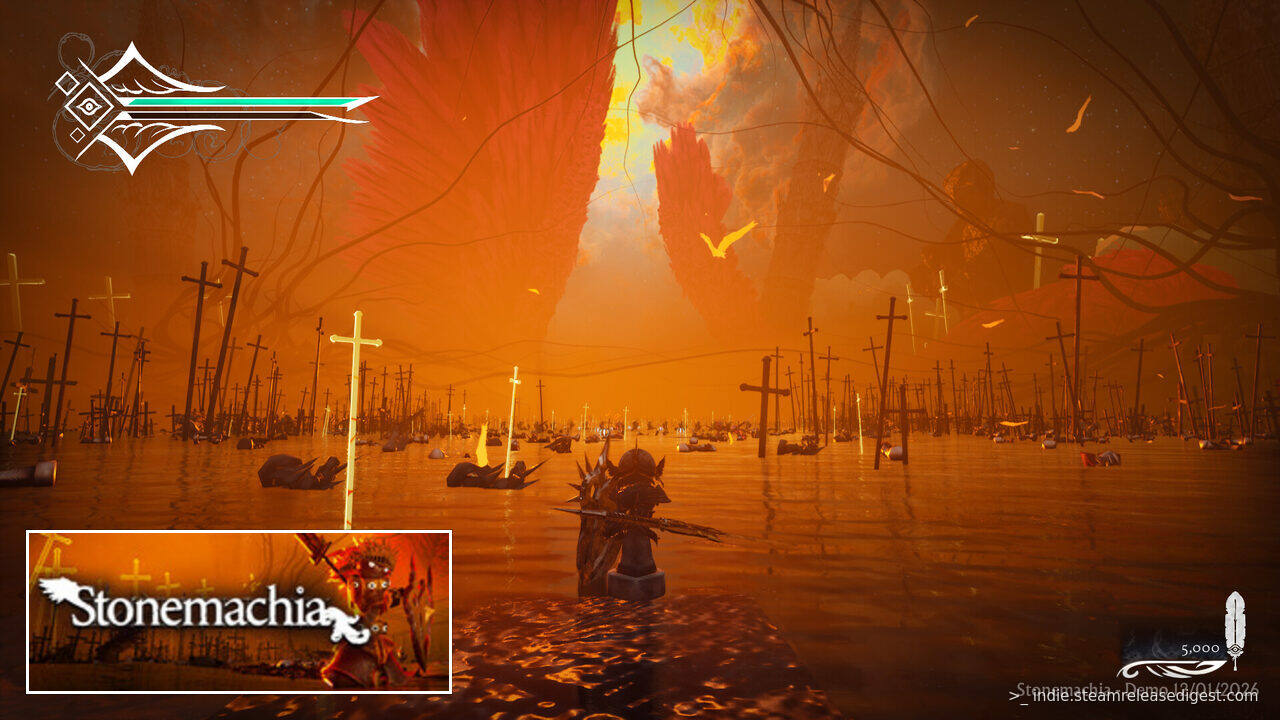
    When you hear that a game stars a sentient chess pawn named Zefiro, you might brace yourself for a slow-paced puzzle-platformer or a quirky, grid-based tactical game. Instead, within its opening moments, “Stonemachia” throws you headfirst into a fast-paced, gothic action-RPG where your tiny pawn parries towering marble angels and morphs in real-time to survive a ruined land called Medhelan. It is a bizarre marriage of concepts—Dantesque cosmic horror meets chess piece transformation—that works far better than it has any right to.

    The Chessboard as an Armory

    At its core, “Stonemachia” is a combat-centric soulslike that trades traditional weapon swapping for shape-shifting. You play as Zefiro, a pawn seeking to return to Heaven, who can unlock and transform into three other chess pieces as the campaign progresses. Each of these four forms acts as a distinct combat class with its own unique skills and movement styles. While the game uses the terminology of chess, it behaves more like a fast-paced character action game. The flow of combat encourages you to actively engage in the dance of battle rather than playing defensively, rewarding players who can find a rhythm between swapping forms and landing strikes.

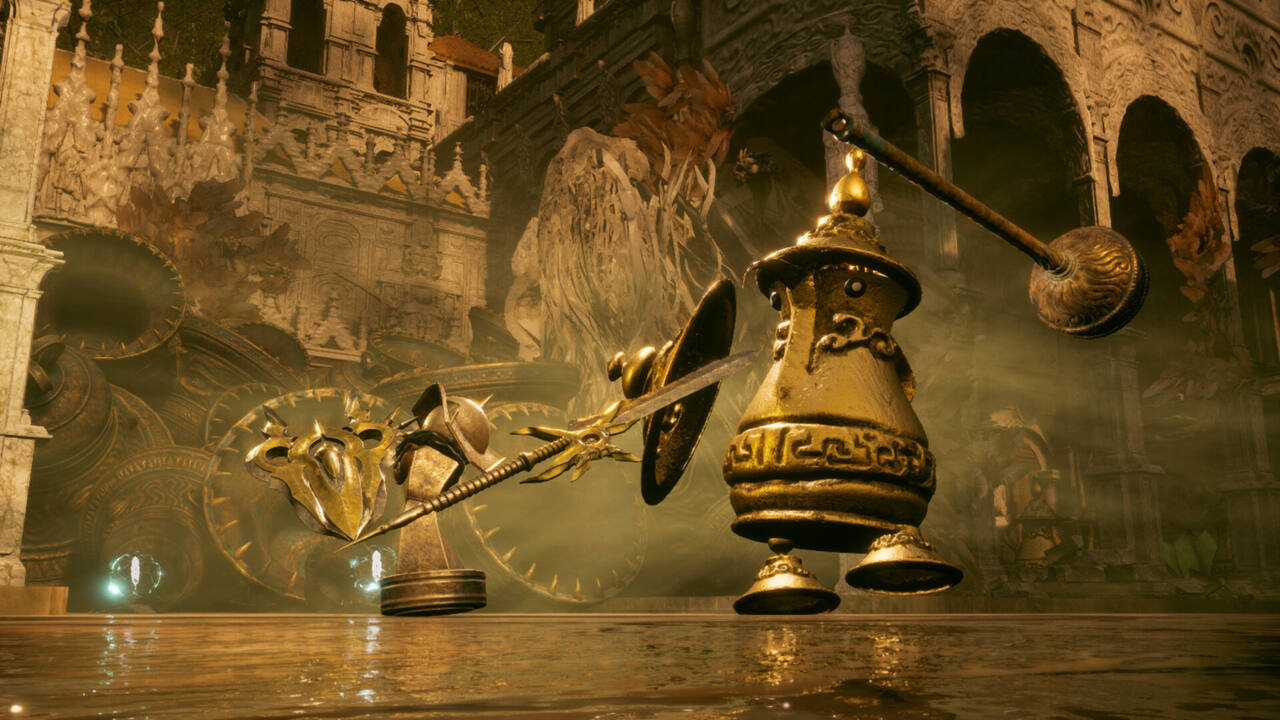
    The world Zefiro explores is Medhelan, a land ravaged by the “Plague of Angels.” The environment and enemies are heavily inspired by Italian art, architecture, and folklore. Instead of fighting typical zombies or demons, you are fighting beautifully sculpted, terrifying stone statues. The surreal, gothic atmosphere is elevated by an exceptional soundtrack and highly recommended Italian voice acting, which grounds the game’s distinctive aesthetic.

    Stonemachia gameplay screenshot
    Image courtesy of Crossfall Games via Steam

    What Players Love (and What Frustrates Them)

    Steam reviews for “Stonemachia” are overwhelmingly positive, with players praising the game’s polished mechanics and striking visuals. Those who followed the game through its demo phase note that performance has been significantly optimized. The game runs smoothly at 4K at 60fps on PC, and it even holds up well on the Steam Deck, despite a minor quirk where the very first cutscene occasionally goes entirely white before gameplay begins normally.

    The combat receives the highest praise, particularly the parry system, which players describe as incredibly precise and satisfying. Unlike many soulslikes that punish you brutally for every mistake, “Stonemachia” hits a comfortable difficulty sweet spot. The bosses are uniquely inspired, and the flow of combat makes dying feel like a learning experience rather than a frustration.

    However, the game is not without its rough edges. The camera can occasionally feel wonky and struggle to keep up during chaotic encounters. The user interface and “bonfire” checkpoints are highly minimalist, which some players feel lacks polish. Additionally, because the game does not offer many invincibility frames (i-frames) during dodges, getting swarmed by groups of small enemies can lead to quick, cheap-feeling deaths. It is also worth noting that beyond the thematic design of the armor sets, the game has very little to do with actual chess strategy—so tactical grandmasters looking for a literal chess spin-off should adjust their expectations.

    The Verdict

    “Stonemachia” is a highly atmospheric, mechanical treat for players who love tight, parry-focused combat and surreal art design. At $17.99, it offers a focused and creative indie alternative to larger, bloated action games. If you can overlook a basic UI and an occasional camera struggle, Zefiro’s gothic, shape-shifting journey is well worth taking.

    Key Facts

    • Developer: Crossfall Games
    • Publisher: Crossfall Games
    • Release Date: May 26, 2026
    • Price: $17.99
  • Bubsy 4D: How a Modern Indie Powerhouse Finally Lifted the Bobcat’s Curse

    Bubsy 4D: How a Modern Indie Powerhouse Finally Lifted the Bobcat’s Curse

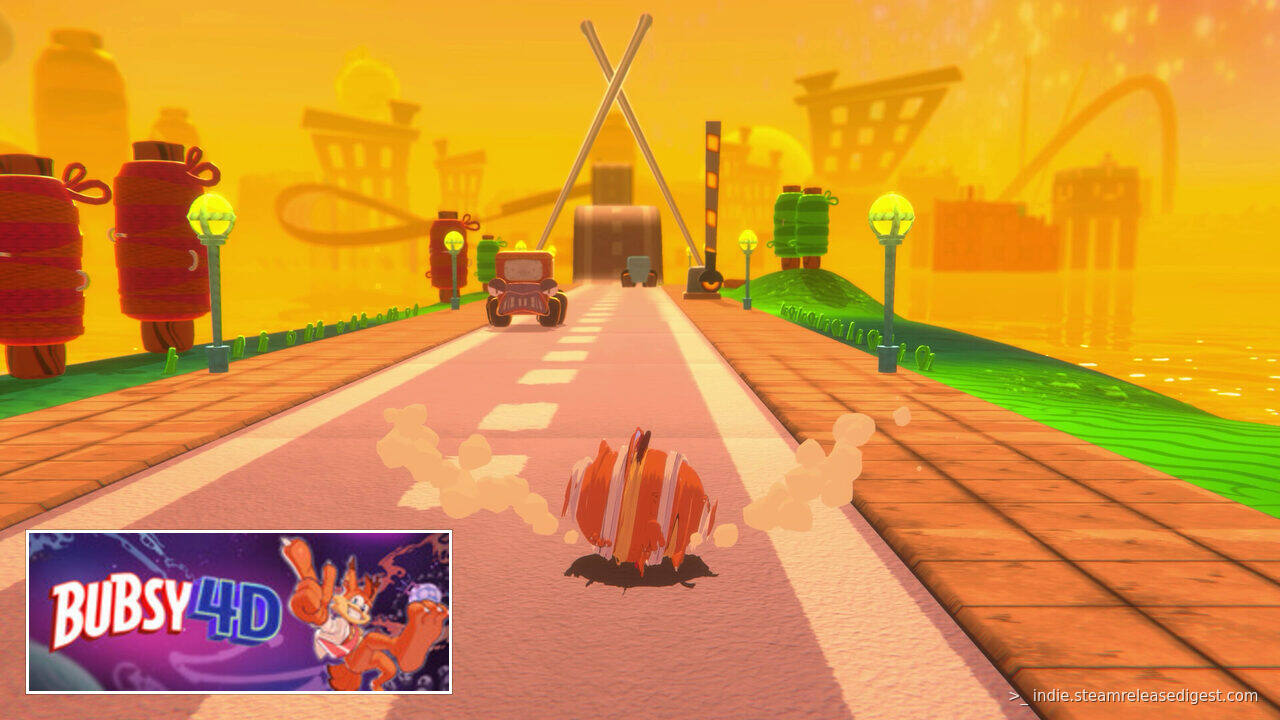
    Leaping off a craft-themed wall, snapping into a tight glide, and then instantly swelling into a frantic hairball to rocket across open-world alien landscapes at breakneck speeds is not what anyone expected from gaming’s most famously mocked mascot.

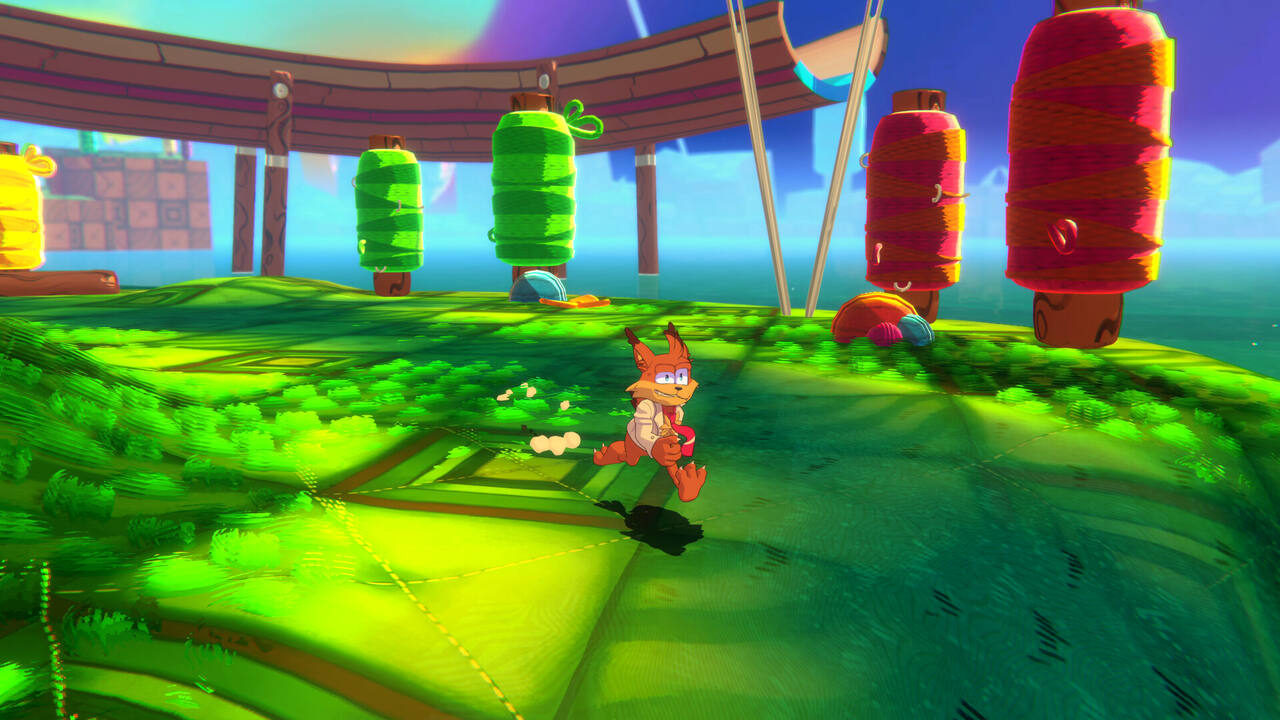
    Yet, against all historical precedent, developer Fabraz has managed to turn the punchline of 90s platformers into a legitimately thrilling, momentum-focused speedrunner’s dream. Best known for their precision-platforming pedigree with titles like Slime-san and Demon Turf, the developers have stripped away the frustrating design choices of Bubsy’s past and replaced them with a mechanically deep, physics-defying playground. In this new outing, the fleece-obsessed alien Woolies have stolen Earth’s sheep, only for those sheep to overthrow their captors and return as deadly, cybernetic “BaaBots.” They are after Bubsy’s prized Golden Fleece, sending our orange protagonist on an intergalactic chase across bizarre, craft-like planets constructed out of cardboard, felt, and digital yarn.

    At its core, Bubsy 4D is a complete mechanical reinvention that focuses heavily on the joy of movement. Rather than fighting clunky physics, players guide Bubsy using a highly expressive and fluid moveset. He can run, double-jump, glide to clear massive gaps, claw his way up vertical walls, and pounce off enemies to launch himself higher into the air. The real game-changer is his new hairball form, which allows Bubsy to curl up and roll at blistering velocities, bouncing off walls and launching over ramps. The levels are designed like massive, open-ended skate parks that encourage you to maintain your momentum. As you explore, you will collect yarn to buy stylish new outfits and hunt down hidden blueprints that unlock brand-new traversal moves and character upgrades.

    Bubsy 4D gameplay screenshot
    Image courtesy of Fabraz via Steam

    When you are not hunting down collectibles, the game shifts its focus to competitive speedrunning. Each of the craft-themed worlds ends in a unique BaaBot boss battle, but the real longevity lies in the game’s robust time-trial system. Players can tackle individual level times, upload their best runs to global leaderboards, and race directly against the ghost data of other players. Accompanying this high-speed gameplay is a wonderfully brassy, energetic soundtrack by Fat Bard, which mixes jazz, big band, and electro-swing to keep the pacing feeling frantic and fun.

    Early player reviews are a mix of absolute shock and genuine praise, resulting in a flawless 100% positive rating at launch. The consensus is clear: the movement mechanics are incredibly smooth, offering a flow state that rivals modern precision platformers. Some players have compared the wide-open, high-speed level design to a successful open-world Sonic the Hedgehog game, praising the sheer joy of just navigating the environments. The humor, historically a major sore spot for the franchise, is actually landing this time, with players finding the character design and writing genuinely charming instead of grating.

    However, it wouldn’t be a Bubsy game without a few bizarre, polarizing edges that might split players. The game boldly opens with Bubsy completely naked in the very first minute, an aesthetic choice that has delighted meme-loving players but might leave others scratching their heads. On a more structural level, the transition to open-world traversal means that environments can occasionally feel empty, with some reviews pointing out a light enemy density that places the focus almost entirely on platforming traversal rather than combat. Additionally, some players have pointed out a highly specific, distracting censorship block on a certain “gotta go fast” homage skin—a playful gag that might slightly annoy completionists who prefer clean cosmetics.

    Ultimately, Bubsy 4D is a shocking redemption story. It is a game tailor-made for speedrun enthusiasts, fans of classic 3D platformers, and anyone who enjoys high-momentum physics. If you can set aside the legacy of the name and embrace the absurdity, you’ll find one of the most mechanically satisfying, fluidly animated platformers of the year.

    Key Facts

    • Developer: Fabraz
    • Publisher: Atari
    • Release Date: May 22, 2026
    • Price: $19.99