Author: sitemill

  • Digging Up the Past: Why Gravelord is More Than Just Another Retro Shooter

    Digging Up the Past: Why Gravelord is More Than Just Another Retro Shooter

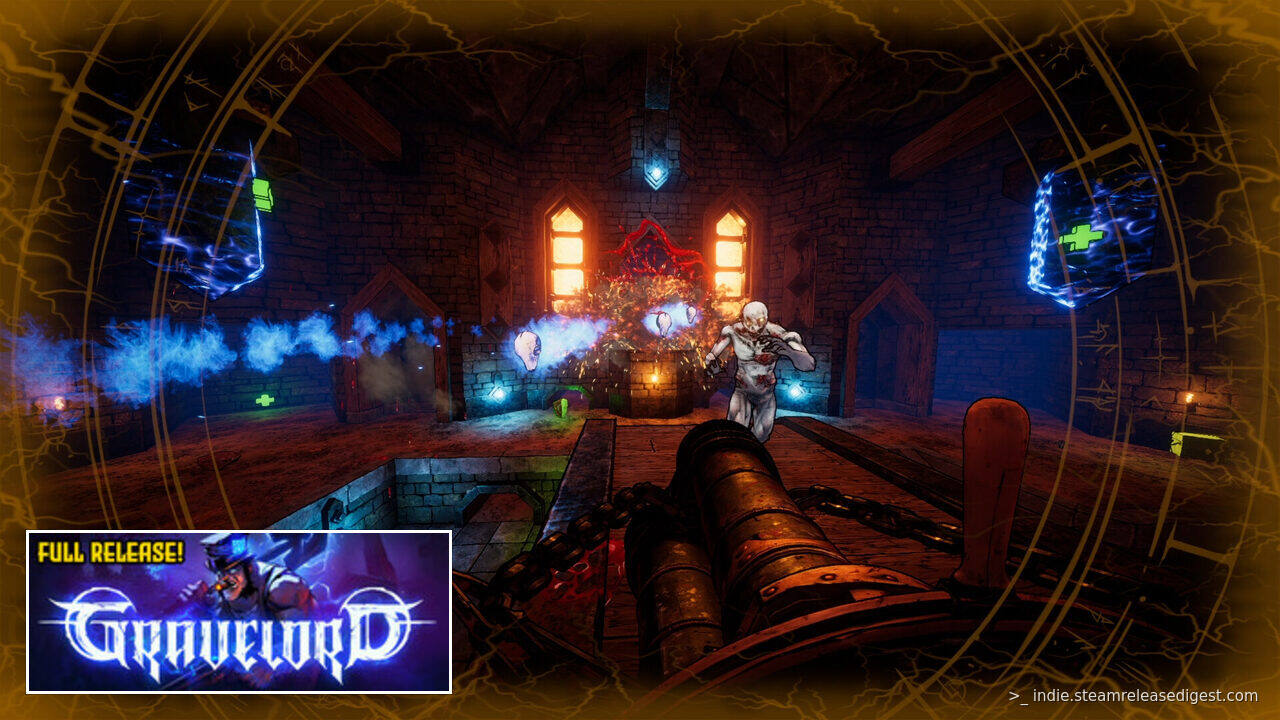
    Queedo the Gravedigger is not a subtle man. He has a thick Cockney accent, a skull-smashing Total Uber Shovel, and a face on your HUD that gets progressively bruised and bloodied as you take damage. This is the bloody, beating heart of Gravelord, a retro-infused first-person shooter that is not trying to reinvent the wheel, but rather polish it until you can see your own sweaty reflection in the chrome.

    Developed by Slovak studio Fatbot Games, s. r. o., this fast-paced “boomer shooter” leans heavily into late-90s nostalgia while introducing a few modern mechanical hooks. The setup is straightforward: you run, you jump, and you turn hordes of zombies and monsters into red paste across abstract, non-realistic levels. But instead of just copying the standard Quake blueprint, the developers have thrown a couple of distinct ingredients into the mix: Tarot Cards and a Spectral Shovel.

    The Core Loop and the Shovel

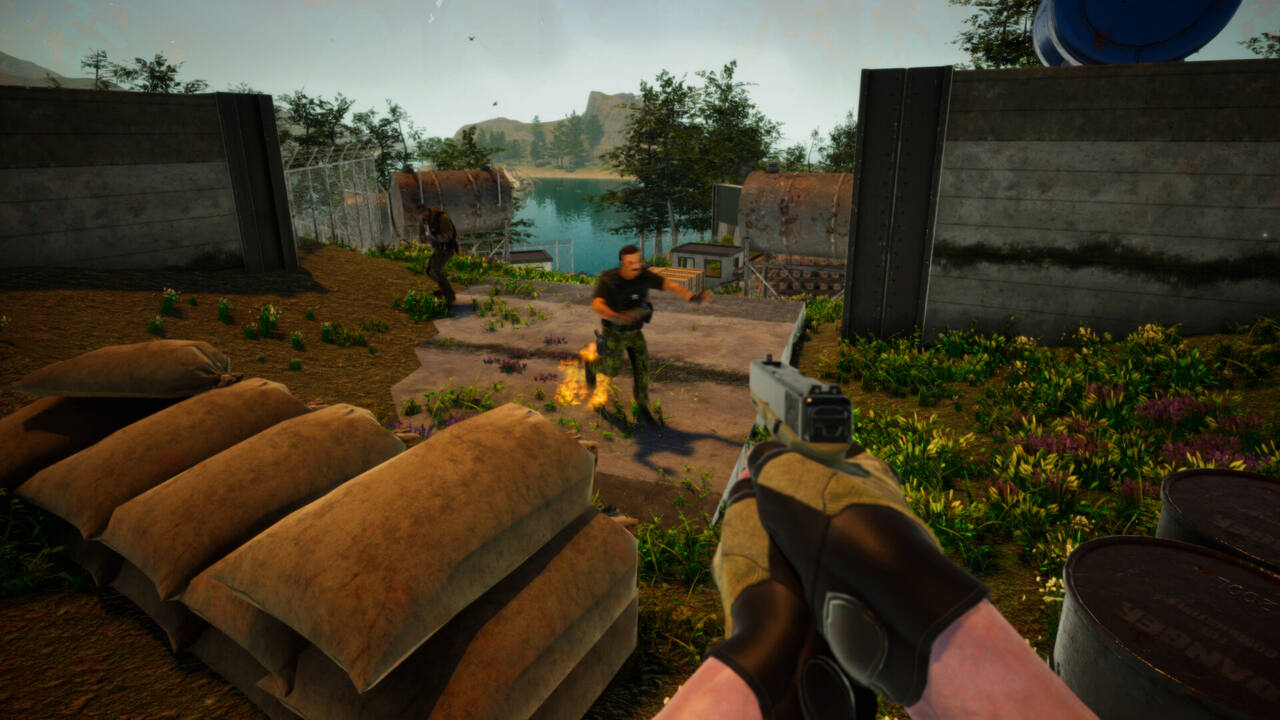
    At its center, the game relies on the tight, responsive movement that retro shooter fans crave. You navigate handcrafted levels filled with secrets, keycards, and monsters waiting to be blown to bits. The gunplay features a familiar arsenal—a pistol, a shotgun, a minigun, a grenade/rocket launcher, and a lightning gun. These can be upgraded to unlock alternative fire modes and synergies, allowing you to tailor your damage output.

    Where the movement really opens up is with the Spectral Shovel. Beyond being a blunt instrument for turning enemies to mush, the shovel acts as a high-speed teleportation tool. With it, you can instantly cross hazardous gaps, bypass deadly obstacles, and open up shortcuts to previously cleared parts of the map. It gives the combat a kinetic, vertical edge, especially when paired with double-jump boots and the discovery that grenade jumping is a viable, high-skill movement option.
    Gravelord gameplay screenshot
    Image courtesy of Fatbot Games, s. r. o. via Steam

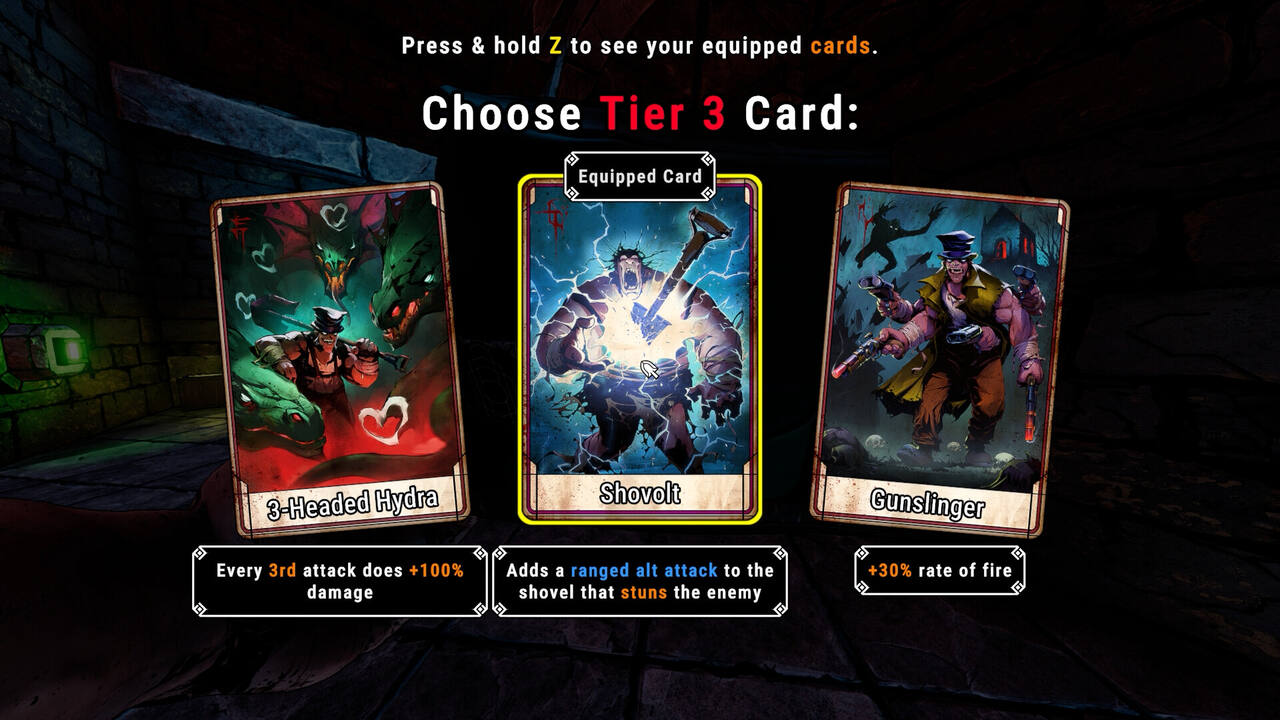
    To keep the combat fresh, you collect Tarot Cards throughout your journey. These cards serve as customizable modifiers that boost your power level and give you fresh combat options, though you can only equip a limited number at any given time. This adds a light layer of buildcrafting to what is otherwise a pure test of reflexes and circle-strafing.

    What Players Love and What Grates

    The reception among players is highly positive, sitting at a comfortable 90% approval rate, but the feedback paints a clear picture of where the game shines and where it stumbles. The praise is centered on how “crisp” and responsive the movement feels. Retro purists are thrilled with the inclusion of classic quick-saving (F5) and level layouts that prioritize pure, uninterrupted fun over realistic architecture. There are no guardrails or handrails here—just raw, vertical arenas designed for combat. Additionally, Quake modders have heaped praise on the built-in level editor, comparing its ease of use to industry-standard tools like TrenchBroom.

    However, the game has its critics. Some players find the experience to be “aggressively OK” and highly by-the-numbers. The main point of contention is the feedback on the weapons. While the guns themselves are classic, several players note that they can feel a bit flat, lacking the chunky, heavy impact and satisfying sound design required to make every shot feel truly devastating. The enemy AI also draws some criticism for being static and slow, occasionally turning combat into a shooting gallery rather than a deadly dance. Finally, the comic-book art style—complete with thick, black outlines—is a polarizing choice that might not appeal to retro purists who prefer raw, unfiltered pixels.

    The Verdict

    This game is a love letter to the era of Quake, Doom, and Duke Nukem, built for players who want to turn off their brains, listen to heavy metal, and hunt for secret doors. If you are looking for a revolution in the FPS genre, you won’t find it here. But if you want a responsive, earnest, and highly customizable retro shooter with a stellar level editor and a healthy dose of dark humor, it is absolutely worth your time.

    Key Facts

    • Developer: Fatbot Games, s. r. o.
    • Publisher: Fatbot Games, s. r. o.
    • Release Date: May 21, 2026
    • Price: $17.99
  • Selling Out and Fighting Back: The Roguelite Retail Chaos of Gamestonk Simulator: Gone Rogue

    Selling Out and Fighting Back: The Roguelite Retail Chaos of Gamestonk Simulator: Gone Rogue

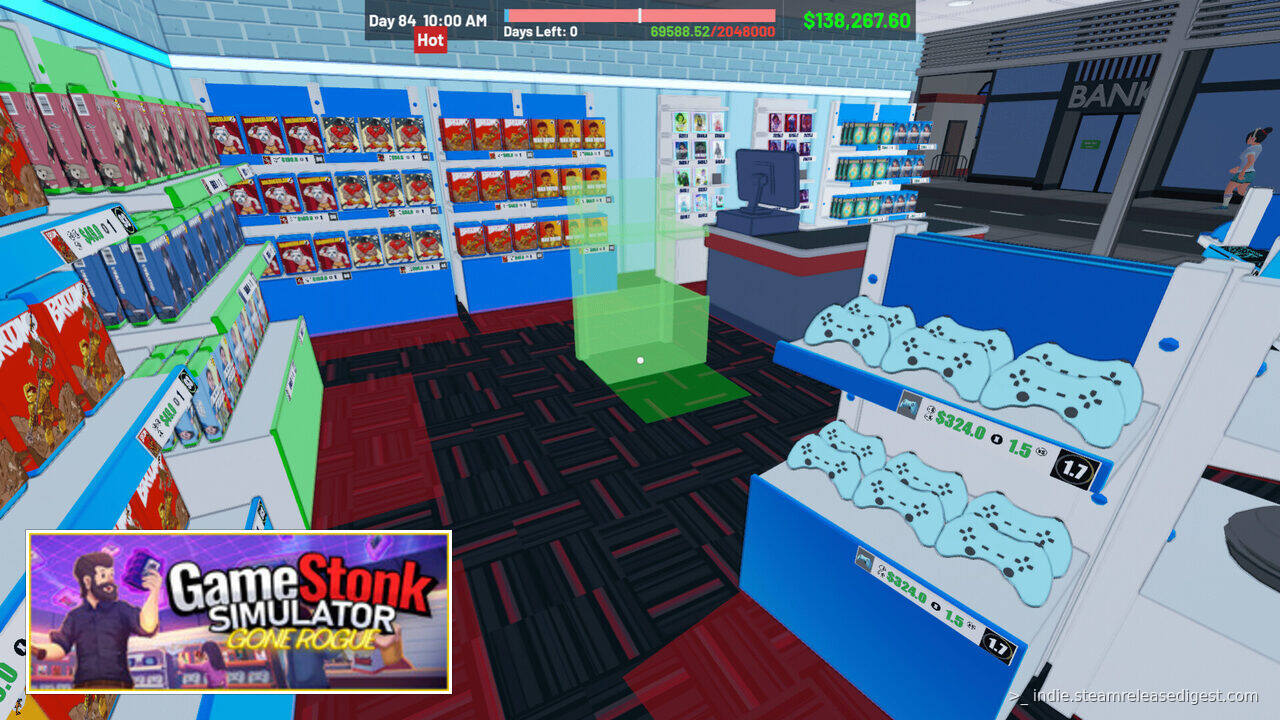
    Running a business in Gamestonk Simulator: Gone Rogue means balancing a high-interest bank loan against the daily necessity of physically hitting shoplifters to reclaim your stolen retro cartridges.

    Developed by simsum, this self-proclaimed “roguelite shop simulator” blends the meticulous shelf-stocking of retail management with the unpredictable, high-stakes progression of a run-based strategy game. You are tasked with running the last video game store in town, a job that requires you to monitor an ever-changing market, trade in smuggled retro classics, and customize your storefront with wallpapers and carpets to showcase your success.

    The Chaos of the Retail Floor

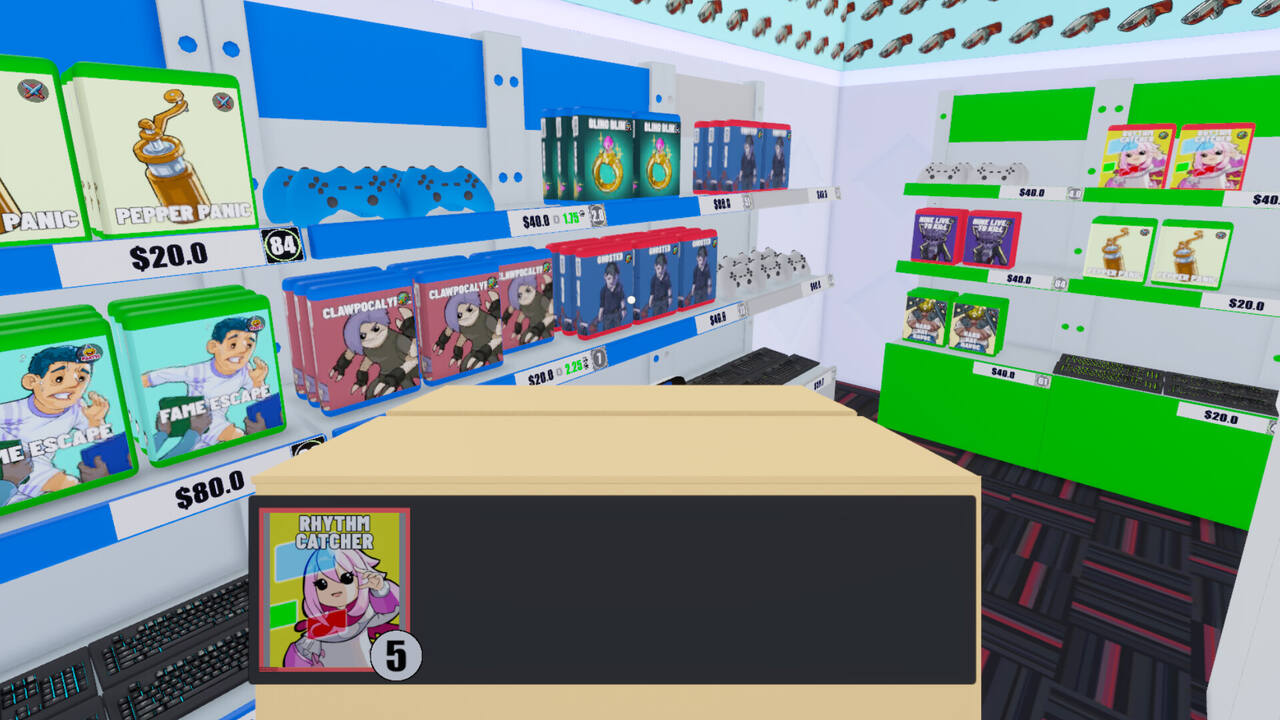
    The game’s primary loop shifts between the quiet calculation of store setup and the high-energy chaos of the sales floor. You must stock your shelves with standard releases alongside highly sought-after retro games, which range from basic plastic cartridges to ultra-rare Galactic editions. As you grow, you can hire cashiers to handle the registers, stockers to manage inventory, and bouncers to guard the exit. However, security is an active job. Shoplifters browse your aisles with specific stats—including speed, health, and defense—and when they try to make a break for it, you have to deploy weapons or rely on hired muscle to stop them. Defeated thieves drop valuable loot, turning what could have been a financial loss into a profitable combat encounter.

    Gamestonk Simulator: Gone Rogue gameplay screenshot
    Image courtesy of simsum via Steam

    What Players Love

    With a 91% positive review rating on Steam, the game has clearly struck a chord with simulation fans. Players consistently praise the detailed tutorial, which makes the initial barrier to entry surprisingly low despite the complex systems at play. The retro game trading loop is a particular highlight, with users expressing a genuine thrill in hunting down rare game variants to flip for a massive profit. There is a satisfying loop in upgrading your bank options, managing deposits, and slowly transforming a failing storefront into a successful retail empire.

    What Frustrates Them

    Yet, for all its charm, the game has some rough edges that might deter less patient players. The pacing is a major point of contention: multiple reviewers warn that the game starts off incredibly slow. One player noted that the experience “doesn’t start getting good till like day 17,” while another felt that their first week of play yielded almost no noticeable progress. Additionally, the economic balancing is brutally unforgiving. If you fall behind on your loan payments, restocking your shelves and paying your staff can quickly become impossible, leading some players to beg for a dedicated difficulty setting to alleviate the punishing financial spiral.

    The game also suffers from a handful of technical and visual bugs. Some players have reported game-breaking glitches that halted their progression entirely. On a presentation level, the settings menu has drawn criticism; users complain about a lack of ultrawide monitor support and a grayed-out resolution box that leaves the game looking blurry on high-end setups. There are also quirky behavioral bugs, such as tax collectors pathing to the wrong cashier station when you run a dual-register setup, though players note these pathing issues are relatively rare.

    The Verdict

    Ultimately, Gamestonk Simulator: Gone Rogue is a highly original genre mashup that rewards patience and tactical thinking. If you are looking for a casual, stress-free cozy game where you simply organize shelves, the punishing financial loop and aggressive shoplifters will likely frustrate you. But if you love the idea of balancing a tight budget, fighting off thieves, and hunting down rare retro cartridges in a high-stakes retail environment—and you do not mind some technical rough edges—this simulation is well worth your time.

    Key Facts

    • Developer: simsum
    • Publisher: simsum, Vsoo Games
    • Release Date: May 21, 2026
    • Price: $11.46
  • Dive Into the Hypnotic, Bullet-Riddled Nightmare of Luna Abyss

    Dive Into the Hypnotic, Bullet-Riddled Nightmare of Luna Abyss

    Title: Descending Into Luna Abyss: A Hypnotic, First-Person Bullet Hell Hidden in the Shadows

    Every now and then, an indie game slips onto Steam that feels like it was whispered into existence by a cabal of sci-fi novelists and movement-shooter purists. It doesn’t have a multi-million dollar marketing campaign, and it’s not trying to sell you a battle pass. Instead, it just wants to drag you down into a terrifyingly beautiful alien megastructure and throw hundreds of glowing, deadly projectiles at your face.

    Welcome to Luna Abyss. Developed by Kwalee Labs, this is a first-person action-adventure that feels like a fever dream mashup of Returnal, Doom, and the brutalist architecture of Control. It’s atmospheric, fast-paced, and holds a mirror to the bloated AAA landscape, showing exactly how much can be achieved with a clear, singular artistic vision.

    The Beautiful, Brutalist Descent

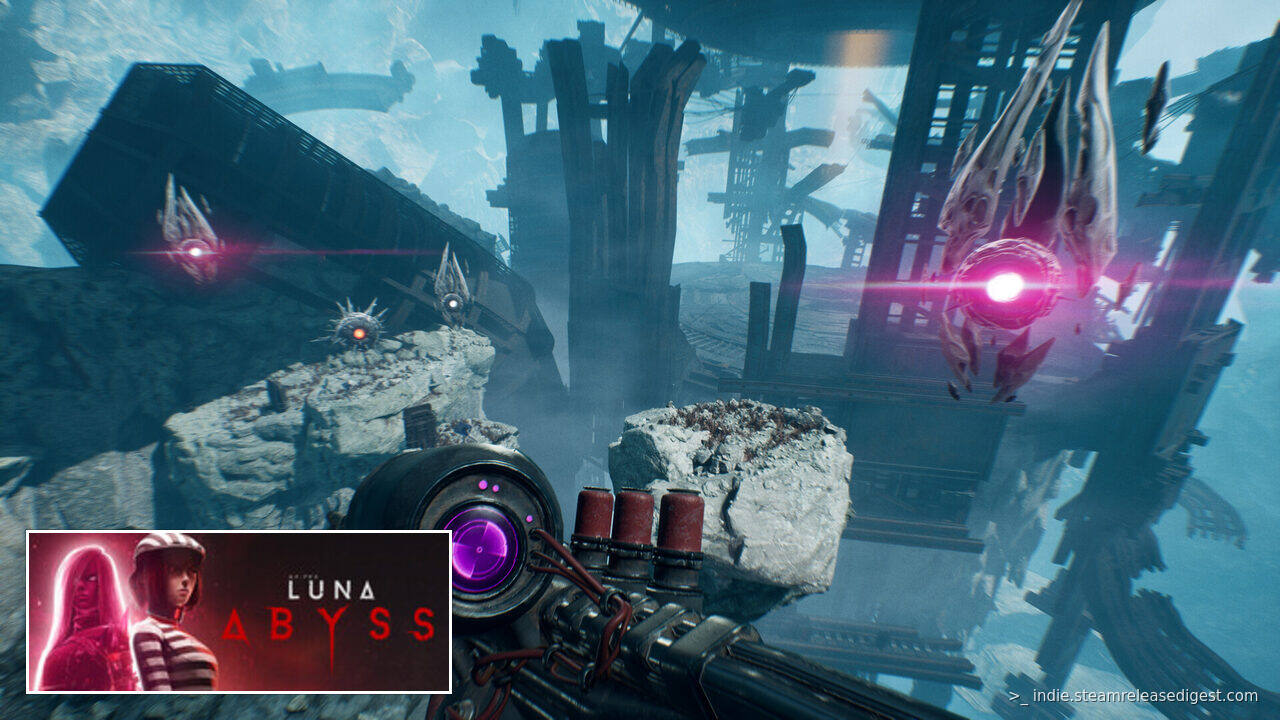
    In Luna Abyss, you play as Fawkes, a prisoner sentenced to explore a massive, derelict structure deep beneath the surface of a “mimic moon” named Luna. Your job is to recover lost technology from a collapsed colony. Your only companion? Aylin, your artificial prison guard who watches your every move with an unsettling, corporate coldness.

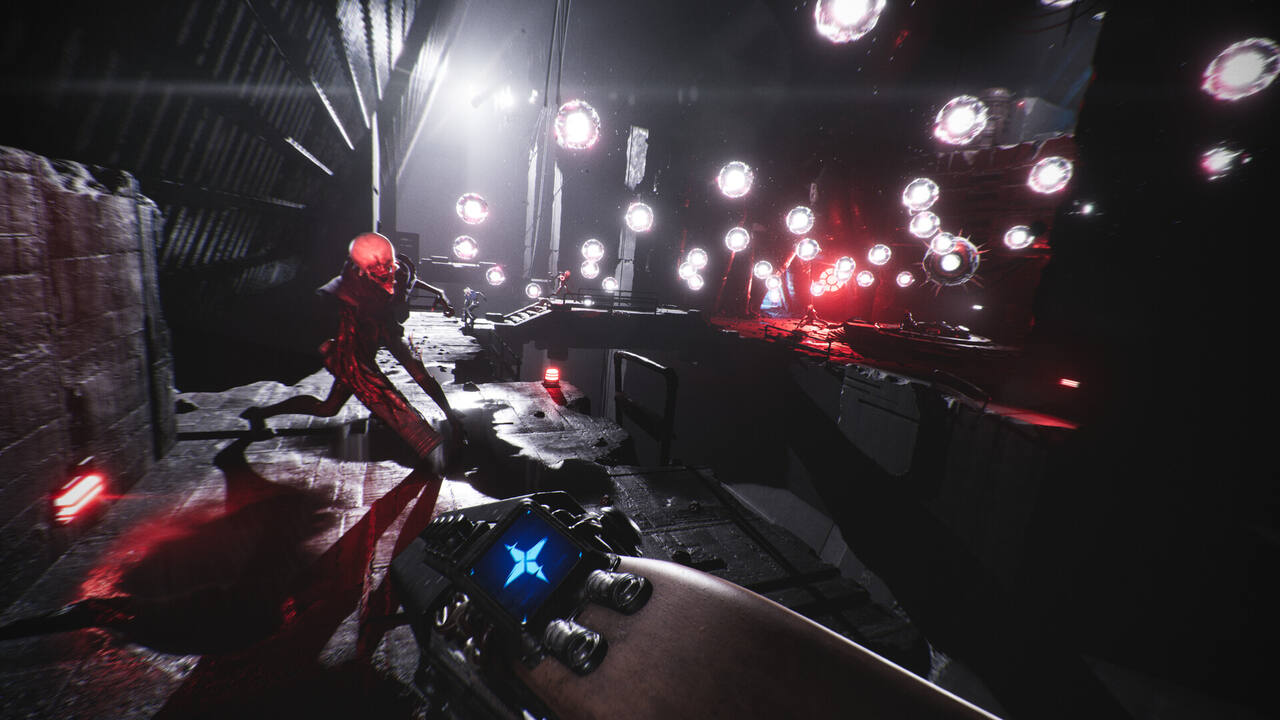
    The core gameplay loop is a thrilling mix of high-speed platforming and bullet-hell combat. You aren’t just walking through these hollowed-out corridors; you are sprinting, double-jumping, and air-dashing through massive, vertical spaces. The platforming feels incredibly fluid and deliberate. Once the combat starts, the game transforms. Enemies launch waves of colorful, geometric projectile patterns that you have to weave through while returning fire. It’s a dance of death that demands constant movement and quick reflexes, capturing that frantic, flow-state magic that makes modern boomer shooters so addictive.

    Luna Abyss gameplay screenshot
    Image courtesy of Kwalee Labs via Steam

    What the Community Thinks: The Highs and Lows

    With an impressive 89% positive review rating on Steam, Luna Abyss is clearly striking a chord with the players who have discovered it. Many have praised its incredible atmosphere and visual presentation, noting that the game punches way above its weight class. Players are calling it a “surprise on every front,” praising the sublime, tense soundtrack and the sense of awe generated by the massive, unknowable superstructure. It also runs like a dream; multiple users have noted how well-optimized it is, with one player pointing out that they effortlessly blasted through the entire game on the Steam Deck in just two days.

    However, no game is perfect, and the community has pointed out a few cracks in the moon’s surface. The most common critique lies in the combat variety. While the movement is top-tier, some players felt that the combat encounters became repetitive over time, even on harder difficulties. The weapon pool is relatively small, meaning the combat depth doesn’t evolve as much as some genre veterans might hope.

    Additionally, some players have raised their eyebrows at the game’s End User License Agreement (EULA). One disgruntled user refunded the game immediately, warning others about standard but aggressive legal jargon regarding digital ownership and license revocation. While this is unfortunately common in modern digital publishing, it’s a point of frustration for players who value digital preservation.

    The Verdict: Is It Worth Your Time?

    If you are tired of open-world bloat and want a tightly paced, highly atmospheric sci-fi shooter that you can wrap up over a weekend, Luna Abyss is a must-play. It’s an absolute treat for fans of cosmic horror, brutalist architecture, and high-speed movement shooters.

    While the combat might not have the infinite depth of a AAA titan, the game’s sheer style, incredible sense of scale, and smooth-as-butter platforming more than make up for it. It’s a gorgeous, haunting, and incredibly satisfying journey into the deep dark that deserves a spot in your Steam library.

    Key Facts

    • Title: Luna Abyss
    • Developer: Kwalee Labs
    • Publisher: Kwalee
    • Release Date: May 21, 2026
    • Price: $23.99
  • Tropical Resort Simulator (Paradise Beach Simulator): A Chores-and-Cocktails Management Game with Real Depth (and Too Much Seagull Poop)

    Tropical Resort Simulator (Paradise Beach Simulator): A Chores-and-Cocktails Management Game with Real Depth (and Too Much Seagull Poop)

    You have spent the last ten minutes harvesting fresh tropical fruit and grilling fish to keep a crowd of tourists happy, only to turn around and find your pristine white sand covered in fresh seagull poop. If you are feeling overwhelmed by the rush of orders, you can pull out a double-pronged slingshot and pelt a complaining client in the back of the head. It is a weirdly satisfying, slightly chaotic moment, and it perfectly captures the quirky, hands-on spirit of Tropical Resort Simulator (Paradise Beach Simulator).

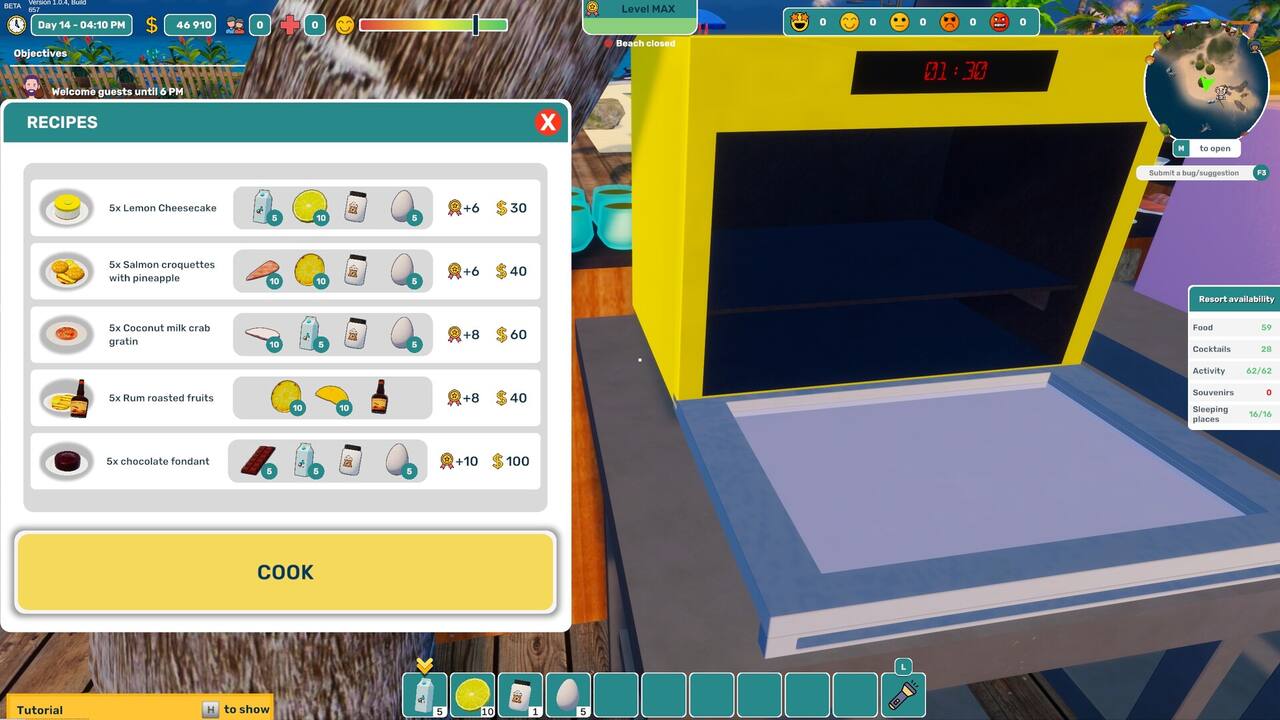
    On paper, Beardroid Games has built a familiar tycoon setup: you inherit an overgrown, abandoned island resort and must sweep up the trash, lay down beach towels, and build massive water slides to attract paying guests. But in practice, the game breaks away from the sterile, menu-heavy feel of traditional management sims by putting you directly on the ground. You are not a disembodied cursor; you are a business owner running around in real-time, stocking your restaurant, repairing worn-out equipment, and physically cooking the meals your guests demand.

    What makes the core loop stickier than its peers is the welcome inclusion of exploration and narrative. Instead of confining you to a single plot of sand, the game hands you a jet ski and points you toward the horizon. The surrounding waters are dotted with smaller islands holding raw ingredients, hidden treasures, puzzles, and a light mystery storyline. Gathering resources yourself makes the crafting and cooking systems feel deeply integrated into the world, transforming what could have been a repetitive chore list into an engaging adventure. It strikes a clever balance between the cozy, self-paced loop of a farming game and the frantic, plate-spinning tension of a restaurant simulator.

    Tropical Resort Simulator (Paradise Beach Simulator) gameplay screenshot
    Image courtesy of Beardroid Games via Steam

    Player reviews paint a picture of a game that is incredibly easy to lose track of time in, with several dedicated players logging between 60 and 110 hours of playtime. Steam reviewers praise the sense of progression, noting that the game becomes increasingly challenging and immersive as your resort grows and guests demand more complex services. The addition of up to four-player online co-op is another major highlight, allowing friends to split up the daily duties of cooking, cleaning, and exploring. Players also frequently call out the developers for being remarkably active, friendly, and helpful when resolving community server issues.

    However, the resort is not without its administrative headaches. The most common complaint centers on a recent update that introduced seagulls. Rather than adding pleasant tropical ambiance, players report that these birds serve no mechanical purpose other than to continuously poop across the resort, creating an endless cycle of trash cleanup that quickly wears thin. Additionally, the game’s helper AI needs some training; players note that the hireable cook is functionally useless, forcing solo business owners to handle almost all the farming and cooking themselves in the late game. This makes single-player runs feel like a punishing grind. Finally, there are notable stability issues. Multiple players on high-end rigs have reported frequent crashes—sometimes every 30 minutes—triggered by basic actions like picking flowers or interacting with cooking stations.

    So, who is this island getaway for? If you have a group of friends looking for a cooperative, lighthearted management game with a surprising amount of survival and exploration mechanics, Tropical Resort Simulator (Paradise Beach Simulator) is an easy recommendation. It is a charming, highly addictive cozy game that offers far more gameplay depth than its budget price tag suggests. Just be prepared to handle some technical hiccups, do all your own cooking, and keep a broom handy for the local wildlife.

    Key Facts

    • Developer: Beardroid Games
    • Publisher: Beardroid Games
    • Release Date: May 21, 2026
    • Price: $9.79
  • Iridio: The Wild Elemental Relic with Ideas So Fresh, They Burn

    Iridio: The Wild Elemental Relic with Ideas So Fresh, They Burn

    Iridio: A Jagged Gem of Elemental Adventure and Wild Surprises

    Alright, fellow indie adventurers, gather ’round. We’re constantly on the hunt for those games that defy expectations, the ones that might not have a massive marketing budget but possess an undeniable spark of creativity. Today, we’re diving into the wild heart of Iridio – a game that feels like a forgotten relic from an earlier era, yet boasts ideas so fresh, you can almost smell the jungle air.

    What makes Iridio truly special isn’t its polished graphics or seamless UI – let’s be honest, it’s not that – but rather its audacious blend of elemental puzzle-solving, open-world exploration, and the sheer audacity of letting you recruit wild tigers to fight by your side. Yes, you read that right. Tigers. Your furry, fanged companions in a fight for survival. If that doesn’t pique your interest, you might be playing the wrong genre.

    Into the Wild: Core Gameplay of Iridio

    In Iridio, you step into the shoes of Yatziri, a researcher whose island paradise turns into a hostile zone after criminals seize it. Your mission? Not just to survive, but to liberate hostages, aid the indigenous Wazhari tribe, and uncover the island’s many secrets. This isn’t just a run-and-gun affair; it’s a game that encourages thoughtful engagement with its environment.

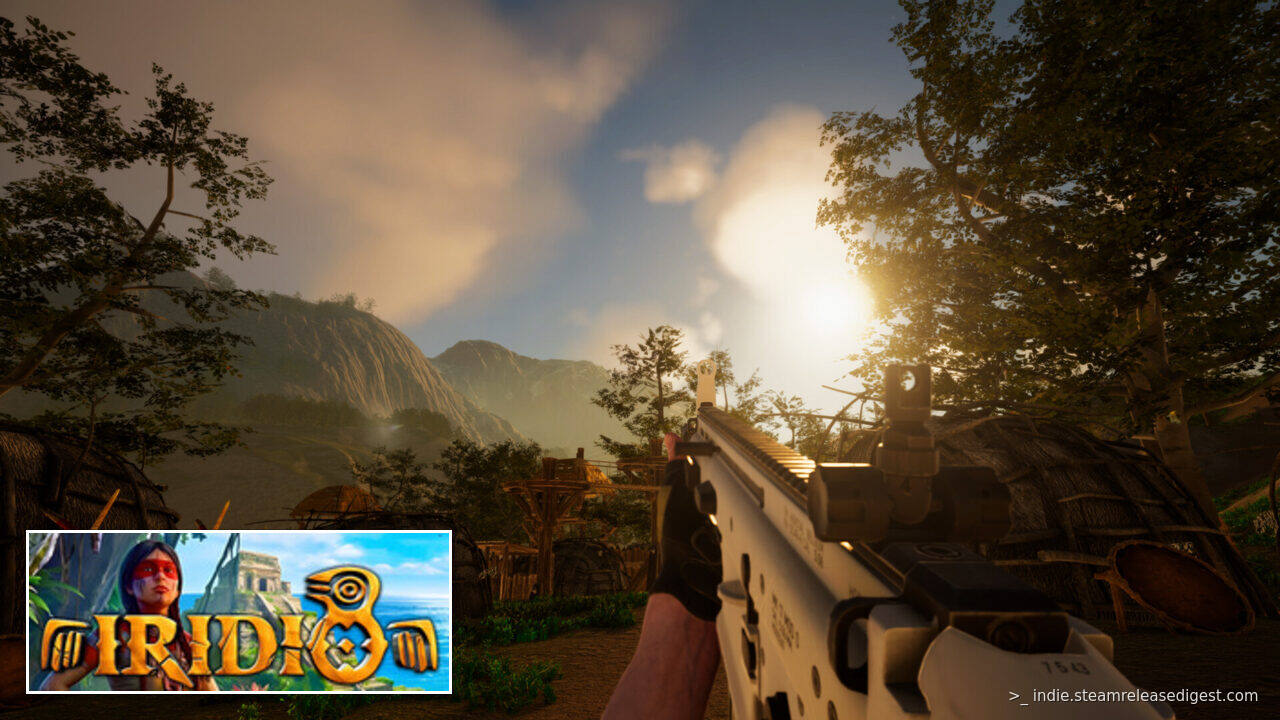
    The game throws you into a truly vast open-world island, teeming with opportunities for discovery. A dynamic 24-hour day/night cycle and unpredictable weather patterns, from torrential rain to biting snow, aren’t just cosmetic; they actively influence your strategies and survival. You’ll be wielding a versatile crossbow, capable of firing standard, electric, explosive, and incendiary bolts, each with its own tactical use. But the real game-changer? The ability to free caged wild tigers and, with a little persuasion (read: food), lure them into becoming your personal, four-legged wrecking crew. This mechanic alone transforms many encounters from predictable skirmishes into chaotic, delightful ballets of claws and arrows.

    Iridio gameplay screenshot
    Image courtesy of KR Games via Steam

    Survival in Iridio means constant resource gathering, crafting essential tools, weapons, and survival gear. You’ll trade with the tribe, loot fallen enemies, and scavenge every nook and cranny. Enemies aren’t mindless drones either; the game boasts a “realistic AI” that supposedly adapts to your actions and the changing environment, leading to genuinely dynamic encounters. But where Iridio truly shines is in its elemental puzzle-solving. Using fire to burn away obstacles or water to extinguish flames (or douse enemies!) is crucial for freeing hostages, accessing hidden areas, and outmaneuvering foes. It’s a game that promises “lifelike physics and breathtaking panoramas” – a bold claim that, as we’ll see, comes with a few asterisks.

    Player Voices: Highs, Lows, and Headaches

    Now, let’s talk about what the community is saying. With a “Very Positive” 92% rating on Steam, it’s clear that a significant number of players are finding something to love here. Many rave about the exploration, noting that it’s incredibly rewarding to “stumble upon secret caves and abandoned camps” with always “something hidden.” The tiger mechanic, as expected, is a huge hit: “Freeing tigers to fight for you? That mechanic alone is worth buying this game.” Players also appreciate the combat, with one noting it “feels balanced – not too easy, not too punishing.” And for an indie title, the “dynamic AI is surprisingly smart,” with enemies actively attempting to flank and react to player actions.

    However, being an honest indie curator means acknowledging the rough edges. And Iridio has more than a few. The technical issues are a recurring theme in negative reviews. Players report everything from a non-responsive mouse to the game looking like “complete TRASH!” or running “like ♥♥♥♥” even on high-end PCs, often resulting in “at most 40 fps” and “headache-inducing” experiences due to aggressive motion blur or depth of field settings. The presentation can feel jarringly dated, with comparisons to a “PS2 era” game, complete with “clunky AF loading screen[s]” and “terrible low readability font” for subtitles. Basic quality-of-life features like windowed borderless mode, music volume control, or skipping “slow AF logo intro[s]” are notably absent, leading to frustration.

    Beyond the technical and UI woes, some gameplay elements also drew critique. Inventory management is described as “limited and awkward,” animations can feel “stiff,” and combat, while generally praised for balance, occasionally frustrates due to inconsistent enemy hit registration or damage requirements. And yes, some have even gotten “stuck in the bushes.” It’s a testament to the game’s core ideas that so many are willing to overlook these significant hurdles.

    The Verdict: Who Is Iridio For?

    So, who should venture into the untamed world of Iridio? This is not a game for the faint of heart, or for those who demand AAA polish and seamless performance right out of the gate. If you’re a gamer who gets easily frustrated by technical hiccups, clunky interfaces, or graphics that feel a generation (or two) behind, you might want to wait for significant patches or steer clear.

    However, if you’re like me – a tireless seeker of unique experiences, someone who values creative gameplay mechanics, deep exploration, and a palpable sense of adventure over pixel-perfect visuals – then Iridio might just be your next obsession. It’s for the player who can appreciate a game’s ambition despite its rough execution, who thrives on discovering secrets, and who dreams of an army of tigers at their command. It’s a jagged gem, undeniably flawed, but with a vibrant, adventurous heart that shines through the imperfections. If you’re willing to brave the wilderness of its jank, you might just find a truly memorable journey awaits.

    Key Facts:

    • Price: $19.99
    • Developer: KR Games
    • Publisher: KR Games
    • Release Date: May 14, 2026
  • Elfie: A Sand Plan: A Quietly Challenging Spatial Puzzle Wrapped in a Warm Pixel Hug

    Elfie: A Sand Plan: A Quietly Challenging Spatial Puzzle Wrapped in a Warm Pixel Hug

    In Elfie: A Sand Plan, you arrange chunky sand blocks on a grid to reconstruct three-dimensional sculptures matching the exact mental blueprint of a delightfully rotund pixel-art elephant.

    Developed by the two-person remote team Pressed Elephant and Sol’s Atelier, the game pairs a warm, nostalgic beachside aesthetic with a surprisingly robust spatial puzzle engine. Across 186 levels and three difficulty settings, your job is to build sandcastles. You are given a specific set of blocks in each level, and you must rotate, stack, and place them to fit Elfie’s vision. Because there are no timers and no single “correct” solution, you are free to experiment, finding your own creative routing to reach the final shape.

    The core loop is simple, but the puzzle design is deceptively clever. While the game starts with straightforward shapes, it quickly scales up, demanding keen 3D visualization skills. For players who want to test their spatial reasoning to the limit, the developers have included a “No Hints” mode that strips away safety nets and forces you to rely entirely on your own mental rotations. Between puzzles, the game leans heavily into its cozy, low-stakes framing: you can talk to Elfie, unlock various swimsuits for her, and enjoy a cheerful, beach-appropriate soundtrack composed by co-developer Silent Swimmer.

    Elfie: A Sand Plan gameplay screenshot
    Image courtesy of Pressed Elephant, Sol’s Atelier via Steam

    Player reception is overwhelmingly positive, with Steam reviews sitting at 100% positive. The community’s affection for the game centers almost entirely on the titular character. Reviewers describe Elfie as “round,” “adorable,” and “the roundest little elephant ever,” with one player even noting they felt a strong “paternal” instinct to protect her. The game is frequently compared to a “warm hug” that offers a soothing escape from daily stress.

    However, players also offer a few practical caveats. Multiple reviews point out that despite the incredibly cute aesthetic, the puzzles are not mere child’s play; they get genuinely challenging as you progress. On the technical side, while the game is fully playable on the Steam Deck and runs smoothly, some users noted that the controls can be a little tricky to adjust to on a handheld. One player recommended plugging in an external mouse to navigate the 3D grid comfortably, which aligns with the game’s built-in “Mouse Only” accessibility design.

    Elfie: A Sand Plan is an easy recommendation for puzzle enthusiasts who want a genuine mental workout without the artificial pressure of a clock. If you enjoy spatial reasoning games, clean pixel art, and don’t mind occasionally hooking up a mouse to your handheld for the best control experience, this low-cost gem is well worth a spot in your library. It is a cozy, tactile, and intellectually satisfying puzzle game that respects your time and your intelligence.

    Key Facts

    • Developer: Pressed Elephant, Sol’s Atelier
    • Publisher: Pressed Elephant
    • Release Date: May 12, 2026
    • Price: $6.99
  • Quantum Ice Cream and Ravioli-Sized Pixels: Why You Should Taste Uncle Lee’s Cookbook: Five Recipes for Disaster

    Quantum Ice Cream and Ravioli-Sized Pixels: Why You Should Taste Uncle Lee’s Cookbook: Five Recipes for Disaster

    Wavefunction collapse has broken macroscopic physics, which means a simple bowl of ice cream now fluctuates wildly between physical states depending on whether or not you are looking at it. This is the exact brand of domestic cosmic chaos that drives this clever episodic adventure. Instead of saving the world from a dark, brooding fantasy overlord, you play as Ines, a rebellious teenager tasked with cleaning up the highly volatile, reality-bending messes left behind by her eccentric uncle’s scientific experiments and magical cooking.

    The gameplay structure rejects a single, sprawling questline in favor of five self-contained vignettes. Each episode behaves like a micro-adventure with its own unique physical rules and narrative hook. In one chapter, a ten-year-old Ines is desperate to use the bathroom, but her uncle’s experiments have literally turned her entire house upside down. In another, a butt-dialed time machine strands her at Lake Fenfef with nothing but a broken reality-fixing device. Later episodes see an older Ines visiting her uncle’s mysteriously abandoned hometown to combat a paranormal infestation, or trying to survive her twentieth birthday after her uncle cooks up a highly dangerous “present.”

    The core loop is classic point-and-click: you examine environments, collect bizarre items, and combine them to solve puzzles. However, the game frequently subverts expectations by introducing episode-specific mechanics. You will navigate time-altering puzzles in one episode and magical problem-solving in the next, keeping the mechanical variety fresh across the entire run.

    Uncle Lee’s Cookbook: Five Recipes for Disaster gameplay screenshot
    Image courtesy of Relatively Painless Games via Steam

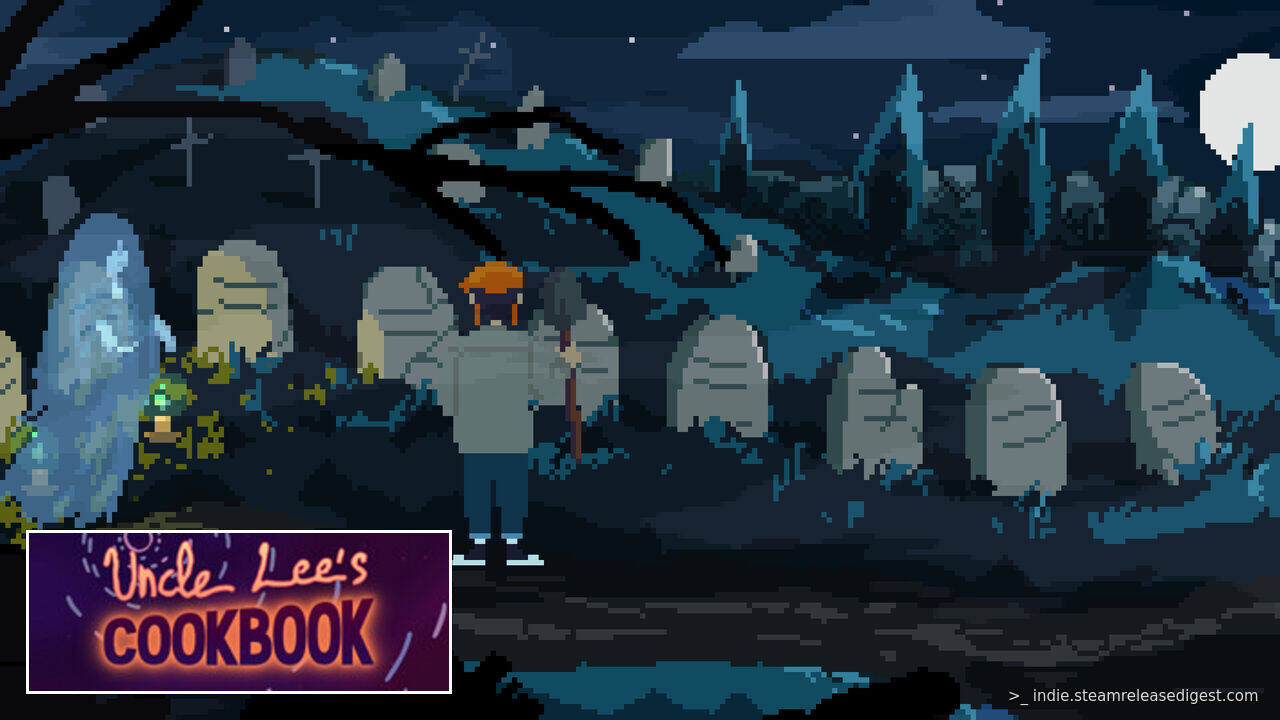
    Visually, the game leans into chunky, expressive pixel art—with one player affectionately noting that the pixels look “the size of raviolis” on a high-resolution monitor. This retro-inspired aesthetic is elevated by rich character work and stellar production values. Crucially, this release includes full English voice acting, which is a massive boon for an indie title of this scale. Voice actor Sally Beaumont shines particularly bright, voicing four entirely different characters with distinct personalities that bring the sharp script to life. The humor carries a distinct, whimsical flavor that players have compared to the legendary Discworld point-and-click games, full of snappy dialogue, weird characters, and lingering jokes that will stick with you long after the credits roll.

    While the game enjoys a glowing reception from its players, it has distinct design choices that split opinion. The most notable division centers on puzzle difficulty. Some veteran adventure gamers find the puzzles to be on the lighter, less challenging side, while others praise them as clever, tricky, and perfectly balanced. Thankfully, the design avoids the dreaded “moon logic” that plagued 90s adventure games; solutions actually make sense within the weird rules of the universe, and a built-in hint system is always available to steer you in the right direction if you get stuck.

    Another potential friction point is the game’s narrative format. Because the five episodes are isolated stories, players looking for a single, deeply connected overarching plot might feel disappointed by the vignette approach. The game is also a relatively brisk experience, wrapping up in about five to six hours. Furthermore, if you play the free demo beforehand, be warned that it reveals a massive portion of the first episode’s content, which might make your initial hour in the full game feel a bit redundant. On a technical note, however, the game features superb native Linux support, making it an absolute dream to play on the Steam Deck.

    Ultimately, this is a beautifully executed, bite-sized tribute to the golden age of point-and-click games. It is an ideal pick for players who want a cozy, hilarious weekend game that respects their time and delivers genuine laughs without forcing them to hunt for single pixels. If you appreciate sharp writing, brilliant voice acting, and chaotic sci-fi domesticity, this delightfully weird anthology is well worth your time.

    Key Facts

    • Developer: Relatively Painless Games
    • Publisher: Dionous Games
    • Release Date: May 12, 2026
    • Price: $9.59
  • FLAW and the Beautiful, Janky Art of the French Space-Shooter

    FLAW and the Beautiful, Janky Art of the French Space-Shooter

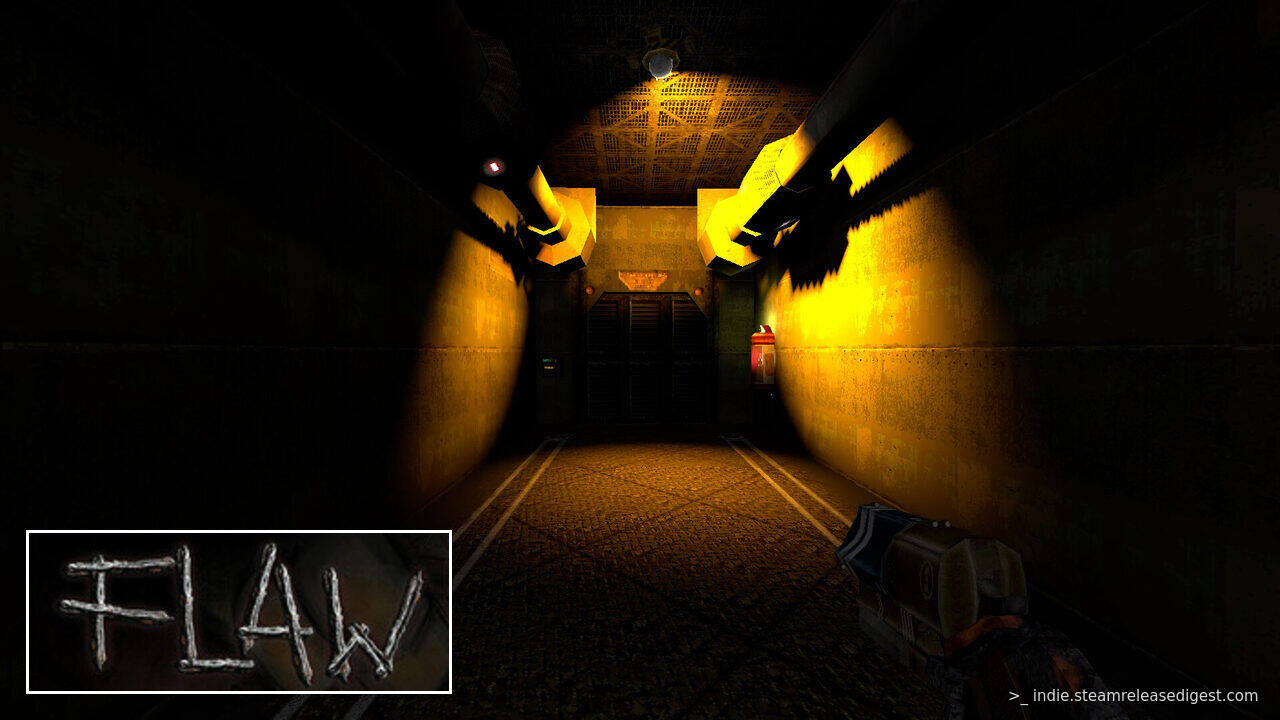
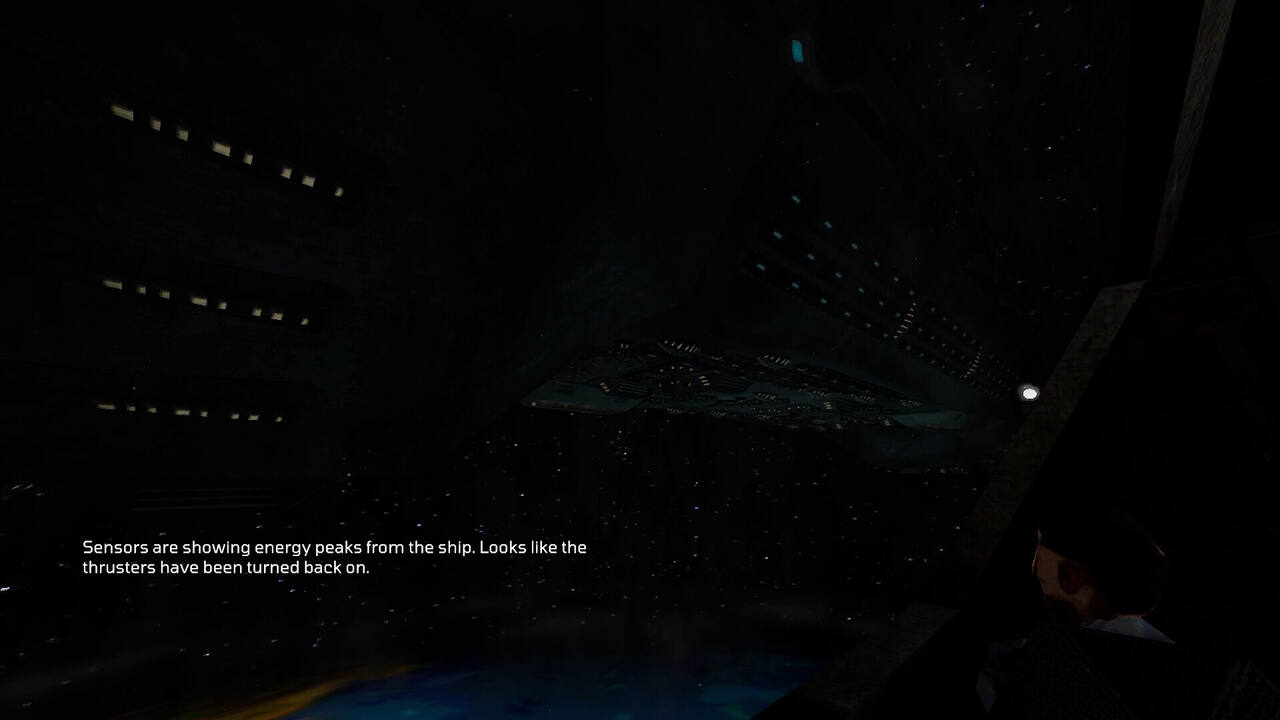
    Waking up beaten and left for dead in a metallic jail complex on a hostile hive-planet is a rough way to start a journey, but it is the exact moment where FLAW establishes its identity. Your primary objective is to rescue the civilian passengers of your boarded colony ship, the Flaming Dawn, and somehow find a way back to Earth. In developer Plasmeo’s retro-FPS, this premise doesn’t unfold as a slick, hyper-polished modern shooter. Instead, it plays out as a gloriously ambitious piece of “snail-jank”—a term coined by an early player to describe a game that is undeniably rough around the edges, but possesses an immense amount of heart and character.

    At its core, FLAW is a love letter to the transition era of first-person shooters, specifically drawing inspiration from turn-of-the-century classics like Unreal, Half-Life, and Halo: CE. Rather than serving up a simple series of abstract shooting arenas, FLAW attempts a full-scale campaign. For an Early Access title, it boasts a surprisingly large feature set, including an 8-hour campaign, sprawling levels, drivable vehicles, and a heavy emphasis on story. Interacting with the civilian survivors you rescue adds a layer of narrative immersion that feels straight out of Black Mesa, making the hive-planet feel like a space inhabited by real people rather than just targets.

    FLAW gameplay screenshot
    Image courtesy of Plasmeo via Steam

    The gameplay relies on a tight, survival-leaning economy. Ammunition is scarce, and the game forces you to actively manage your inventory and scavenge weapons from fallen enemies. The visual style is another major highlight, blending the blocky, high-contrast aesthetics of PlayStation 1 games like Colony Wars with the moody, industrial sci-fi textures of early PC shooters. It is a distinct, nostalgic look that stands out in a crowded market of generic retro throwbacks.

    However, the “jank” in FLAW is very real, and the community is vocal about what needs to change. The combat balancing is currently the game’s biggest hurdle. Players frequently complain about “bullet sponge” enemies, a frustration amplified by a severe lack of ammunition in the early levels. Recent balance updates have also raised eyebrows; a recent patch to the SMG lowered both its damage and its accuracy, leaving players in situations where they are firing down narrow hallways and hitting the walls on either side rather than the target in front of them. Weapon logic can also feel bizarre—a semi-automatic rifle requires three shots of shared revolver ammunition to kill an enemy that the revolver itself can dispatch in a single trigger pull.

    Technical and quality-of-life issues also crop up frequently. Players have documented bugs where vehicles and guns vanish entirely from the map after loading a saved game, and UI elements like subtitle text sizes reset every time a new area loads. From a mechanical standpoint, the game is missing standard modern conveniences: there is no sprint button, you cannot navigate the menus using a controller, and there is no way to cancel a reload animation to quickly switch to a melee weapon—a design oversight that often leaves players completely defenseless in close-quarters skirmishes.

    Ultimately, FLAW is a game of high ambition and rough execution. It is not for players who demand frictionless, highly polished modern gunplay, nor is it for those easily frustrated by early-development bugs. But if you have a soft spot for the quirky, atmospheric PC shooters of the late 90s, and you don’t mind wrestling with some balancing issues to experience a sci-fi world built with genuine passion, FLAW is well worth keeping on your radar.

    Key Facts

    • Developer: Plasmeo
    • Publisher: Plasmeo
    • Release Date: May 12, 2026
    • Price: $15.00
  • Burgle Supply Company: How to Turn Grand Larceny and Mutant Pets Into a Perfect Co-op Night

    Burgle Supply Company: How to Turn Grand Larceny and Mutant Pets Into a Perfect Co-op Night

    Dropping a decorative table lamp in Burgle Supply Company is not just a clumsy mistake; it is a direct invitation for a dimensional vacuum mouse or a giant spider hamster to chew you to pieces.

    The Art of the Quiet Heist

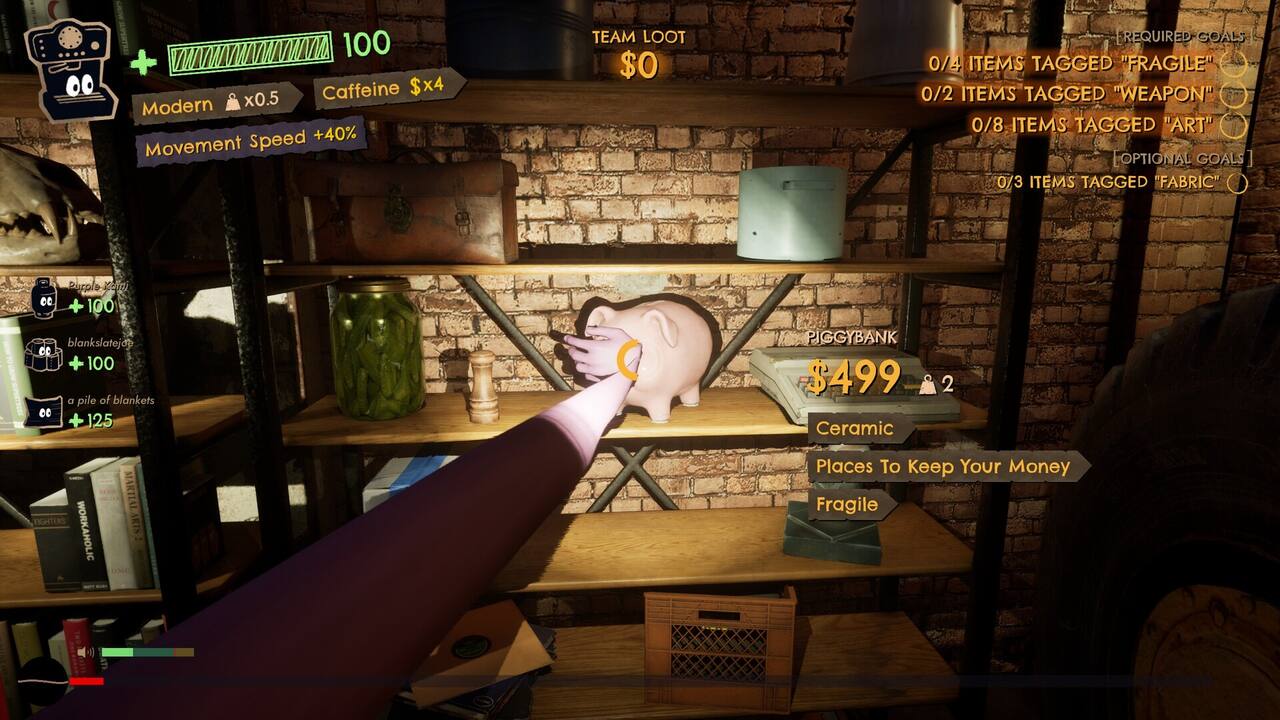
    Developed by Terrible Posture Games—a studio known for bouncing wildly between bullet hells, train games, and interactive sitcoms—Burgle Supply Company drops up to six players into the strangest, most hostile suburban neighborhoods imaginable. Your objective is simple: break into houses, museums, and even giant-sized bathrooms, steal everything that isn’t nailed down—including a coveted wood-paneled VCR—and get back to your getaway van alive. The catch is the noise meter. Every corner you bump, every door you kick open, and every item you accidentally drop fills the meter. Make too much noise, and you summon the local “pets,” mutated scientific monstrosities that patrol the properties.

    The gameplay strikes a delicate balance between frantic greed and tense stealth. You have mandatory heist goals to complete, but greedy squads can push their luck with optional objectives for extra cash. You will dodge explosive-egg-laying slugs, aggressive geese, and a legendary neighborhood menace known simply as “Good Boy.” The tension is real, but it is heavily wrapped in a cartoonish, comedic horror wrapper that keeps the mood light even when your teammate is being dragged away. It is physics-based chaos at its finest, where a simple attempt to carry a heavy painting down a hallway can devolve into a screaming match as a monster corners your entire crew.

    Burgle Supply Company gameplay screenshot
    Image courtesy of Terrible Posture Games via Steam

    What Players Love (And Where the Scuffs Are)

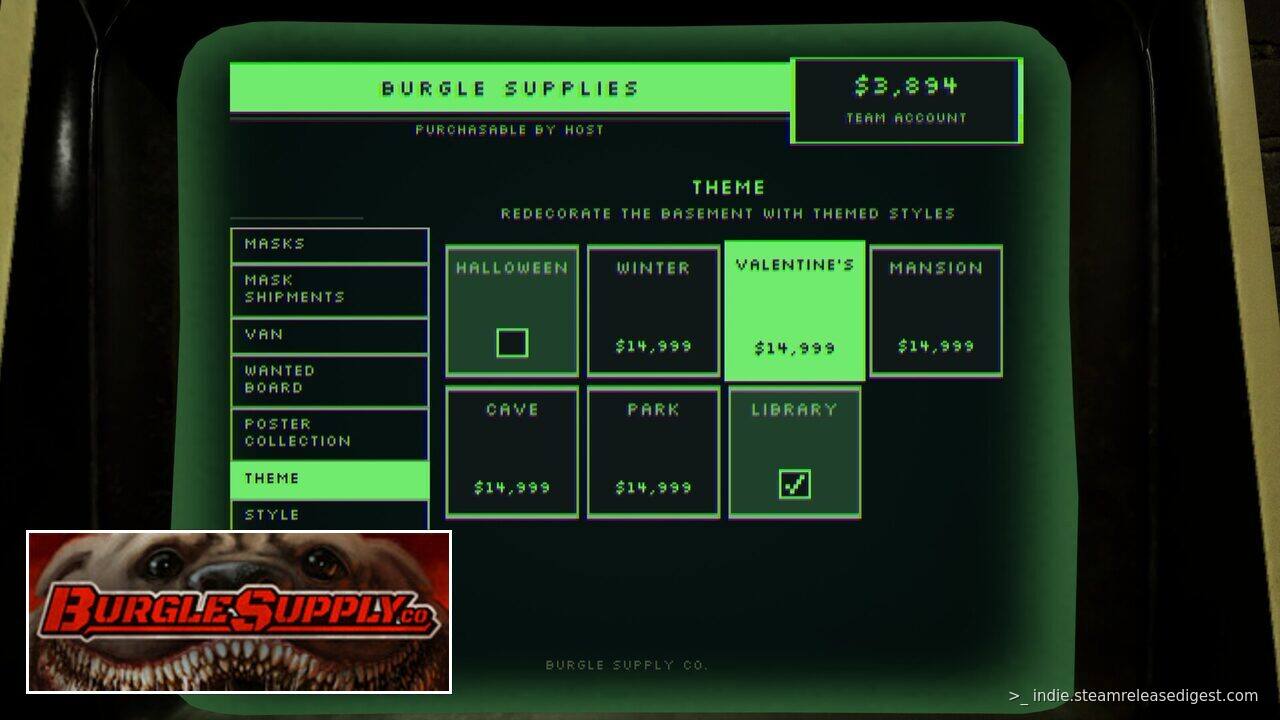
    Steam reviews for Burgle Supply Company are overwhelmingly positive, sitting at a highly impressive 92%. A recurring theme in player feedback is the sheer value of the progression loop. While many co-op horror games of this style suffer from a lack of long-term motivation, players are heavily praising the unlock system here. Successful heists yield cash and reputation points, which you can funnel back into your burglar hideout. You can customize your getaway van, buy basement themes, hang up posters, and unlock hundreds of ridiculous masks and outfits. One reviewer noted that their group spent over seven hours straight on their very first session, largely driven by the hilarious utility of the unlockable masks and the urge to reach Rank 10 for the ultimate Burgle Trophy.

    Players also appreciate how the game refines the “friendslop” subgenre. In the Steam ecosystem, cheap, chaotic co-op games meant for group laugh-sessions are often dismissed as disposable garbage. However, players are calling Burgle Supply Company a major step up from titles like REPO or Gamble With Your Friends. The level design is creative, the item descriptions are genuinely funny, and the $7.99 price point makes it an incredibly easy sell for a weekend game night.

    That said, the game does have some minor rough edges. Some players have pointed out occasional bugs, though most agree you have to actively search for them to notice, and they rarely break the fun. This is a casual, chaotic experience, meaning those looking for a deep, polished, or mechanically demanding stealth simulator might find the physics-based chaos a bit too loose. If you require hyper-precise collision detection and a serious tone, the sight of a teammate running from a giant goose while wearing a ridiculous mask might not be what you are looking for.

    The Digest Verdict

    Burgle Supply Company is a stellar addition to any co-op rotation. If you have a group of two to five friends who enjoy high-energy, laugh-out-loud horror games, this is an absolute steal at eight dollars. It doesn’t take itself seriously, the progression gives you a genuine reason to keep coming back, and the creature designs are wonderfully absurd. Just remember to watch your step, mind the noise meter, and keep an eye out for Good Boy.

    Key Facts

    • Developer: Terrible Posture Games
    • Publisher: Terrible Posture Games
    • Release Date: May 12, 2026
    • Price: $7.99
  • Cheating the Underworld One Hand of Blackjack at a Time in Black Jacket

    Cheating the Underworld One Hand of Blackjack at a Time in Black Jacket

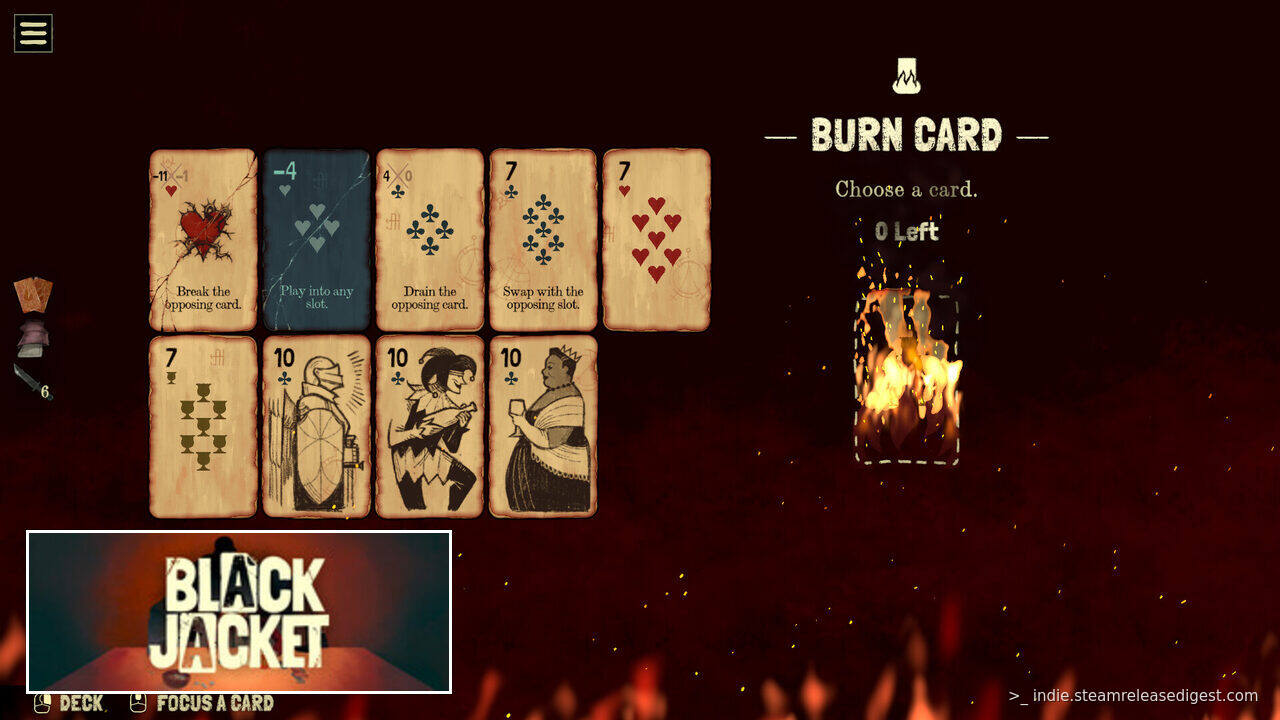
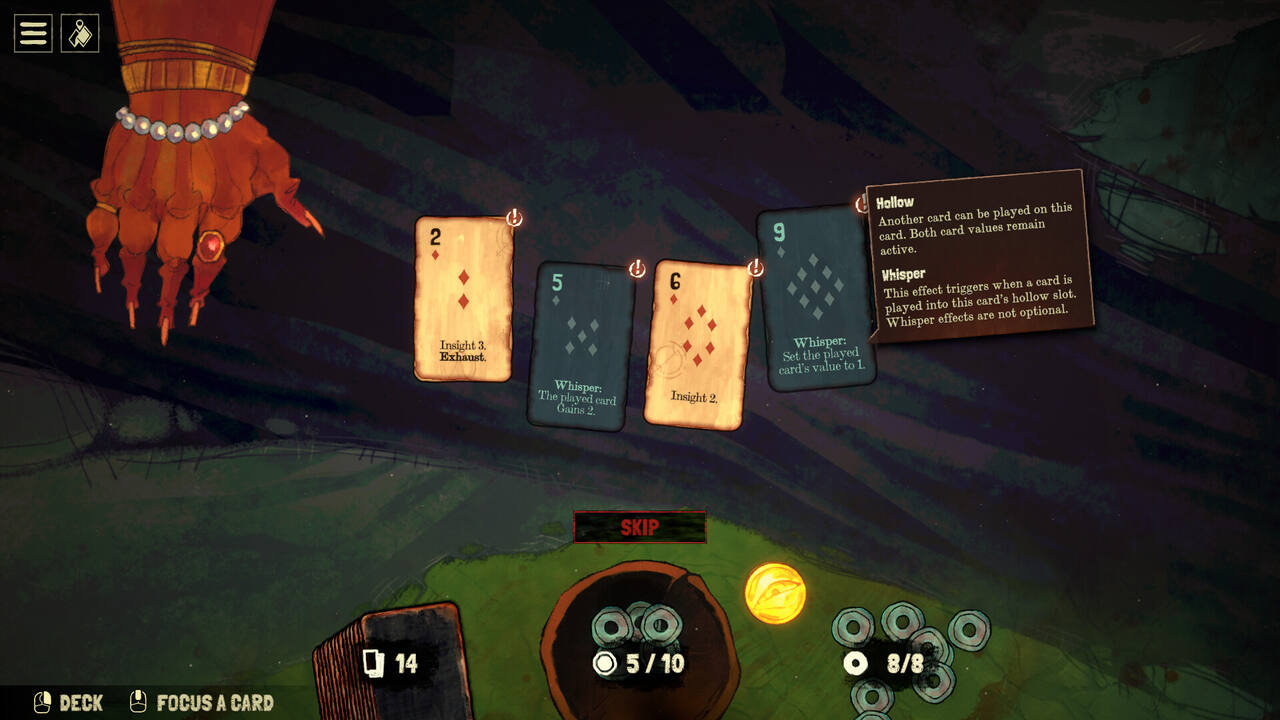
    Across a dimly lit, green felt table, you face a pair of disembodied hands. There is no face to read, no nervous eyes to watch, and no physical tells to exploit—just the steady, unnerving movement of pale fingers shuffling a deck of cards. You look down at your hand, then squint at the top of the draw pile. Thanks to a clever card upgrade, you can see the back of the upcoming card, giving you a crucial hint of the value about to be dealt. This is the tense, intimate reality of Black Jacket. You are not just playing standard blackjack; you are looking at marked card backs, counting cards, and trying to outmaneuver the dead to buy your passage back to the living world.

    At its core, Black Jacket is a rogue-lite deckbuilder where your currency is Soul coins, and your ultimate goal is to amass enough wealth to bribe the ferryman. But standard blackjack rules will only get you so far before the house inevitably wins. To survive, you have to break the game. You do this by building a deck filled with rule-bending cards that allow you to manipulate the table. Some cards let you force your opponent to overcommit and bust. Others allow you to alter card values on the fly, peek into your own deck, or even swap hands with your opponent entirely when a bust seems guaranteed. As you progress through a run, you collect Artifacts, Curses, and specific Card Suits that synergize to create absurd, game-breaking combos. The design brilliantly transforms a game of pure luck into a highly tactical puzzle where cheating is the only viable path to victory.

    Black Jacket gameplay screenshot
    Image courtesy of Mi’pu’mi Games GmbH via Steam

    With a 92% positive rating on Steam, the game has clearly struck a chord with deckbuilding enthusiasts who appreciate a clever twist on traditional card games. Players have praised the sheer addictiveness of the card-counting mechanics and the thrill of unlocking new decks that completely shift your strategy. There is also a surprising amount of praise for the game’s moody audio design. In particular, multiple players have singled out the voice acting—specifically a character with a “bright hand” whose calm, complimentary, and beautiful voice has been described by some as a total game seller. The game masterfully captures what one player called “the bullshit that is blackjack perfectly,” but hands you the exact tools you need to fight back against the dealer’s natural advantage.

    However, the road through hell is not without its bumps, and the game is honest about its difficulty. If you are someone who recoils at the thought of mental math, Black Jacket might not be the relaxing experience you are looking for. As the difficulty levels scale up—climbing all the way up to difficulty 21—the game becomes incredibly demanding, requiring precise calculations and strategic foresight to survive the higher stakes. Some players have also noted that the overarching story, while intriguing, is relatively thin and makes the identity of the final boss a bit too obvious from the start. Additionally, a few rough edges persist in the game’s current build. For instance, one player documented a highly specific bug where a character named Reed uses a “clover 6/0 drain” card on a swapped “Vagabond,” resulting in a total softlock. While these issues are rare, they can occasionally disrupt an otherwise stellar run.

    Ultimately, Black Jacket is an exceptional find for strategy fans who enjoy tight, math-focused challenges and moody, atmospheric presentation. It is a game of risk management, calculated cheating, and satisfying card combos. If you love the tactical tension of deckbuilders like Balatro but want something that feels quiet, intimate, and a little bit sinister, this is absolutely worth your time. Just be prepared to do some quick calculations under pressure, and keep an eye out for those disembodied hands.

    Key Facts

    • Developer: Mi’pu’mi Games GmbH
    • Publisher: Skystone Games
    • Release Date: May 12, 2026
    • Price: $12.74