Author: sitemill

  • Seeking Humanity in the Beautiful, Buggy Puzzles of Alchemist: Journey of the Soul

    Seeking Humanity in the Beautiful, Buggy Puzzles of Alchemist: Journey of the Soul

    As a summoned homunculus bound to an enigmatic master’s will, you spend your time hunting down raw ingredients, stirring glowing cauldrons, and solving logic puzzles across quiet, ancient monasteries to earn a soul of your own.

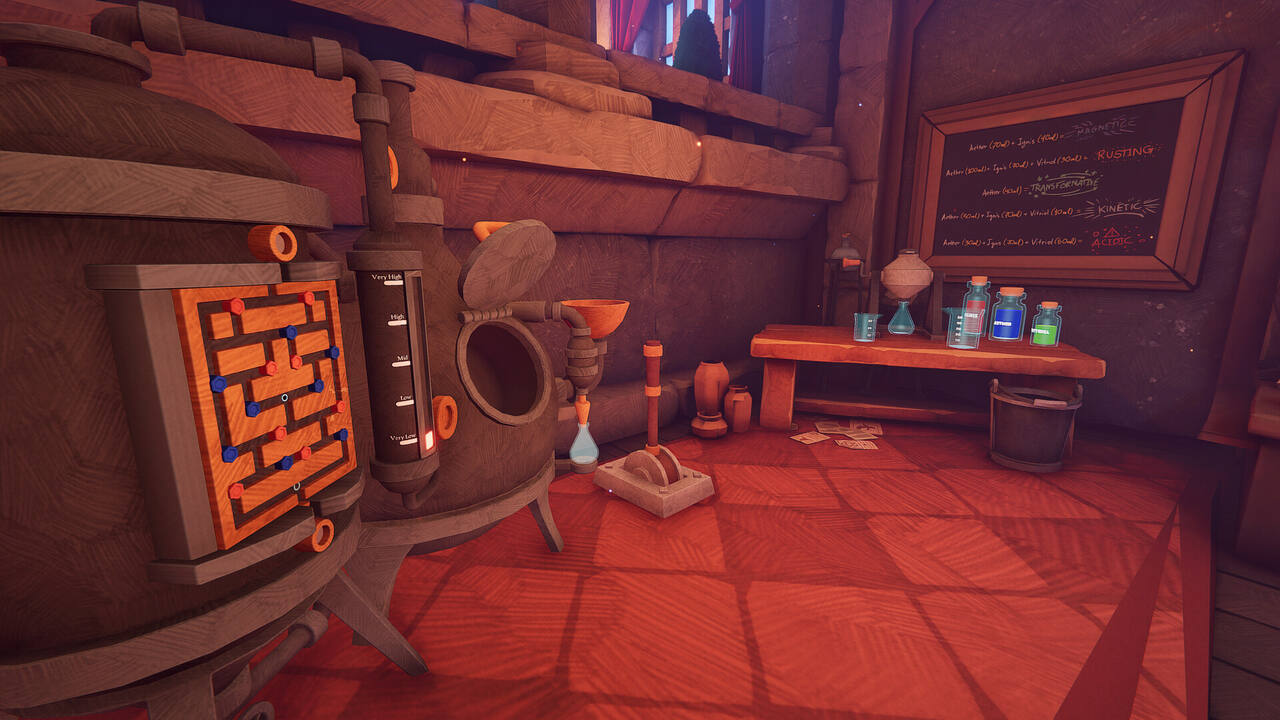
    OnSkull Games’ first-person adventure casts you as an artificial creation driven by the ultimate promise of humanity. The Alchemist has set you on a trail to uncover the secrets of the Philosopher’s Stone, a quest that unfolds across atmospheric castles and abandoned holy sites. The core loop of Alchemist: Journey of the Soul is tactile and curious. Instead of swinging swords, you explore medieval rooms, decipher recipes, gather herbs and minerals, and brew potions that grant you the magical abilities necessary to progress. It is a game of quiet observation and deductive reasoning, where your primary tools are your eyes, your inventory, and your cauldron. You are constantly looking for patterns, matching ingredients to formulas, and figuring out how a newly brewed draft can unlock the next sealed chamber.

    The game can be tackled entirely solo, but it also features co-op support for up to four players. Working together changes the texture of the game entirely. Rather than a solitary, atmospheric crawl through dusty libraries, it becomes a collaborative brainstorming session. Players must coordinate who is gathering ingredients, who is managing the recipes, and how to divvy up the environmental clues. This cooperative dynamic highlights the strength of the game’s level design, turning potentially head-scratching roadblocks into satisfying team victories.
    Alchemist: Journey of the Soul gameplay screenshot
    Image courtesy of OnSkull Games via Steam

    A Double-Edged Alchemical Formula

    Player feedback reveals a fascinating split between artistic charm and mechanical rough edges. On the positive side, the game’s aesthetic presentation is an absolute triumph. Players consistently praise the gorgeous, memorable art style and the satisfying, chill soundtrack that makes simply existing in these virtual spaces a pleasure. The puzzle design strikes a comfortable balance; the riddles are decent, logical, and just complicated enough to make you feel clever without causing hair-pulling frustration. Furthermore, the narrative payoff lands incredibly well. Multiple players have noted that the story concludes with a mesmerizing, unexpected twist that reframes your entire journey and leaves a lasting impression long after the credits roll.

    However, the transition from homunculus to fully realized game is not without its friction. The most common complaint centers on the game’s brevity. Some players reached the credits in just three to five hours and felt left wanting more, while more critical voices felt the content was too sparse, warning that fast-paced players might breeze through the entire experience in a single sitting. Technical hurdles also disrupt the tranquility. Players have reported clunky controls, including instances of inverted controller axes upon startup, rigid keyboard-binding limitations, and occasional bugs. The manual save system is similarly barebones, though the game’s forgiving nature means losing progress is rarely a major setback. Fortunately, the developers have proven highly active and responsive, with players noting that the team quickly addresses technical issues on their Discord channel.

    The Verdict

    Despite its occasional bugs and brief runtime, there is a genuine heart beating inside this alchemical creation. It shines brightest when shared; playing in co-op with a friend transforms the experience into a highly satisfying, relaxed evening of joint problem-solving. If you are looking for a massive, hundred-hour epic or flawless technical execution, you might want to look elsewhere. But if you want a cozy, visually distinct puzzle game with a compelling mystery to unravel over a couple of quiet evenings—especially with a partner by your side—this budget-friendly adventure is well worth the undertaking.

    Key Facts

    • Developer: OnSkull Games
    • Publisher: OnSkull Games
    • Release Date: May 21, 2026
    • Price: $8.99
  • FZ: Formation Z and the Art of the Mid-Air Transformation

    FZ: Formation Z and the Art of the Mid-Air Transformation

    A veteran player with thirty hours on record describes FZ: Formation Z as “a decidedly okay arcade game from the 80s that has been given Unreal Engine graphics,” and that blunt assessment captures the game’s core appeal perfectly. This is a full, modern remake of Jaleco’s 1984 horizontal shoot-’em-up. It is a game built entirely around a single, compelling mechanical hook: you are a giant ground-stomping robot that can instantly transform into a high-speed fighter jet, provided you do not run out of fuel. Developed by Granzella Inc., this revival brings a long-forgotten arcade classic into the modern era, preserving its rigid retro heart while wrapping it in flashier visuals.

    The core gameplay loop of FZ: Formation Z revolves around managing the physical transition between these two states. On the ground, your mech—known as the Ixpel—is a sturdy, heavy platform capable of unleashing melee attacks and precision shots. It is safe, but it is slow. By pressing a button, you can morph into Flight form, tearing through the air at overwhelming speeds to bypass obstacles and shred enemies. However, flight is governed by a strict, constantly draining energy meter. To stay airborne, you must aggressively hunt down energy capsules dropped by destroyed foes, turning every flight into a tense, high-speed calculation of risk and reward.

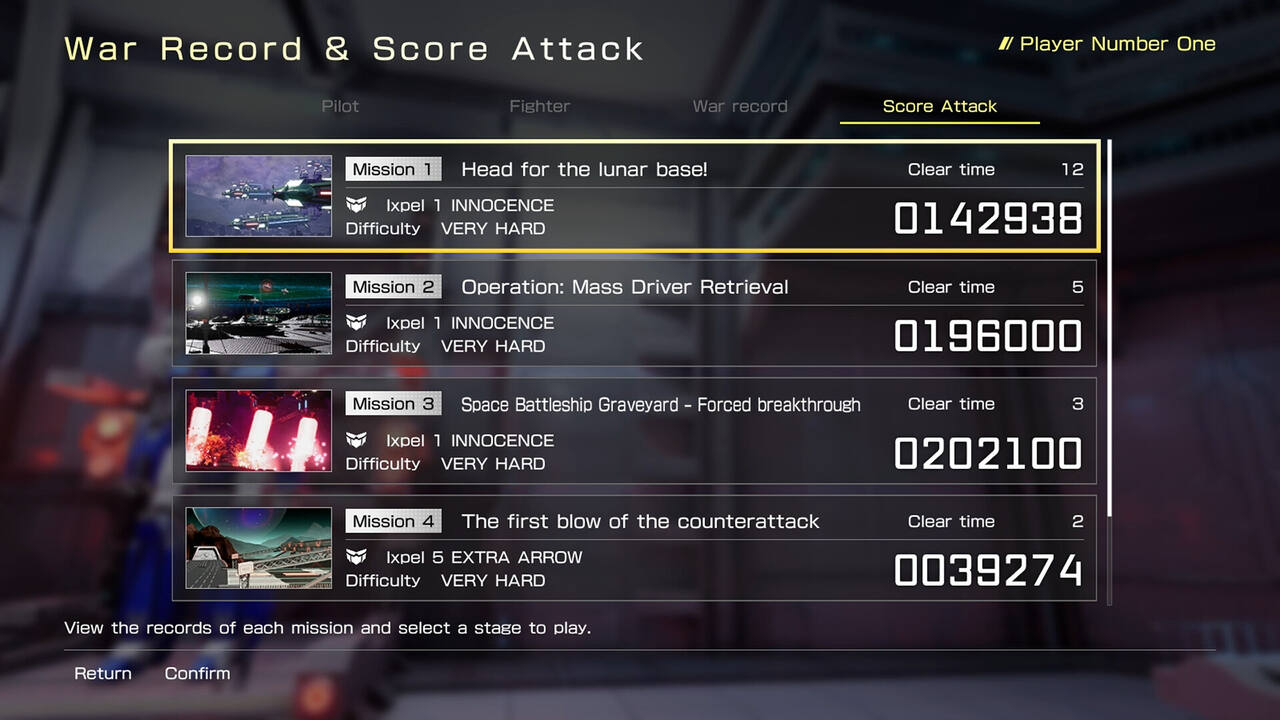
    Outside of the five main campaign missions, Granzella has fleshed out the package with modern features. Players earn “FZ Points” during missions to spend in “The Factory,” an in-game shop where you can unlock new mechs, cosmetic items, and weapon modules. With four available equipment slots, you can customize your Ixpel to specialize in extreme firepower or build a balanced, all-rounder machine. Once you clear a level, Score Attack mode unlocks, allowing you to optimize your routes and practice the precise, strategic form-switching required to climb the leaderboards.

    FZ: Formation Z gameplay screenshot
    Image courtesy of Granzella Inc. via Steam

    What Players Love

    For fans of old-school arcade games, FZ: Formation Z is a highly satisfying revival. Steam reviewers praise its “simple, clear art directions,” “great music,” and a “very fair difficulty scale” that respects the player’s time. Those familiar with Granzella’s work on R-Type Final 2 will find a similar design philosophy here: a respectful preservation of retro mechanics enhanced by modern progression systems. Players love the strategic depth of the “extremely tall” levels, which demand that you carefully route your path, deciding exactly when to drop to the ground and when to take to the skies to maximize your score.

    The Rough Edges

    Despite the positive reception, FZ: Formation Z is not without its frustrations. The most prominent complaints center around technical performance. Multiple players have reported optimization issues on PC, with one player noting they had to refund the Steam version entirely and buy it on console because their hardware simply could not handle it. Steam Deck compatibility is also currently a mixed bag; one user expressed deep affection for the game but pleaded for a patch, noting it only works “once in a while” on the handheld device.

    On a mechanical level, some players warn that the controls “aren’t intuitive at first,” requiring a period of trial-and-error experimentation before the transforming mechanic feels natural. Furthermore, if you are looking for the complex bullet-dodging patterns of modern “bullet hell” shmups, you won’t find them here. The combat leans heavily toward “mindless pew-pew” against simple formations of basic enemies, which may feel a bit too simplistic for players seeking deep, modern tactical shooting.

    The Verdict

    FZ: Formation Z is a highly specific flavor of retro revival. It is not trying to reinvent the shoot-’em-up genre, nor is it trying to hide its 1980s arcade roots. Instead, it offers a polished, customizable, and visually updated version of a classic mechanical gimmick that still feels novel today.

    If you have a capable PC setup, an appreciation for arcade history, and a love for transforming mechs, this is a polished and nostalgic trip well worth your time. However, if you are planning to play exclusively on the Steam Deck, or if you demand complex, modern bullet-hell design, you may want to wait for performance patches—or skip this flight altogether.

    Key Facts

    • Developer: Granzella Inc.
    • Publisher: CITY CONNECTION, Clear River Games
    • Release Date: May 21, 2026
    • Price: $29.99
  • Hello Duck: The Tiny Desktop Companion That Outgrows Its Own Island

    Hello Duck: The Tiny Desktop Companion That Outgrows Its Own Island

    A tiny pixelated duck spinning in circles on a floating grassy patch right next to your open spreadsheets is a bizarrely effective antidote to workday loneliness. When players first download this idle game, they often expect a fleeting, five-minute novelty—the kind of digital toy you click on twice and then close forever. Instead, this minimalist title has quietly latched onto players’ monitors, racking up playtimes that stretch into dozens, and in some cases hundreds, of hours.

    At its heart, the game is an uncomplicated idle simulation designed to live on the margins of your desktop. Your sole companion is a single duck residing on a small, floating island. The gameplay loop is incredibly simple: the duck wanders around, eats grass, and lays eggs. You collect these eggs with a click to earn coins, which you then reinvest into upgrading the island’s resources. You can boost the quality of the grass, increase the financial value of the eggs, speed up your duck, or interact with a “lazy sleep system” that requires you to nudge your feathery friend back awake when it decides to doze off. Eventually, you can unlock “memory ducks” that follow you around in a tiny, loyal line, expanding your little avian flock.

    Hello Duck gameplay screenshot
    Image courtesy of Kitti Rujirekanusorn via Steam

    What makes the game work so well is how perfectly it fits into the background of a busy day. Steam reviewers frequently note that it is the ultimate companion for keeping you company while sorting through documents. It requires almost no active attention, yet offers a comforting, lively presence on your screen. The visual design is undeniably charming, particularly the duck’s whimsical spinning animation which players find incredibly endearing. Furthermore, the game features a surprisingly energetic soundtrack. One player noted that the shuffled music tracks have absolutely no business going as hard as they do, providing an unexpected boost of energy to an otherwise quiet workday.

    However, the game is not without its rough edges, particularly when it comes to user interface scaling. Because it is meant to run alongside other programs, window management is crucial. Unfortunately, players report that the floating island takes up a significant amount of screen real estate by default. When you attempt to scale the window down to tuck it into a corner, the UI struggles to adapt: the text becomes difficult to read, and the eggs blend so deeply into the grassy textures that they are hard to spot. Additionally, the hitboxes on the upper portions of the island can feel a bit clunky and oversized, occasionally catching your cursor when you are trying to click on something else.

    There is also a noticeable pacing shift in the late game. While the early upgrades flow at a satisfying clip, progression slows to a crawl once you unlock the three memory ducks. For some, this grind feels a bit too steep for a casual idle experience. Others have expressed a desire for more depth, wishing for a wider variety of collectible egg types to flesh out the game’s simple progression loop and give them more of a collection to build over time.

    So, who is this game for? It is an easy recommendation for anyone who works a desk job, spends hours writing, or simply wants a low-pressure digital pet to keep them company. At its modest price point, it delivers exactly what it promises: a cozy, low-stakes slice of peace. However, if you are looking for deep strategic systems, rapid progression, or a highly polished UI that scales perfectly to tiny screen corners, you may find the physical limitations of this floating island a bit too constraining.

    Key Facts

    • Developer: Kitti Rujirekanusorn
    • Publisher: Kitti Rujirekanusorn
    • Release Date: May 18, 2026
    • Price: $3.99
  • The Wilds of Dacrima: Field Notes from a Poorly Supervised Alchemist and his Unruly Clockwork Companion: A Charming, Clunky Alchemical Excursion

    The Wilds of Dacrima: Field Notes from a Poorly Supervised Alchemist and his Unruly Clockwork Companion: A Charming, Clunky Alchemical Excursion

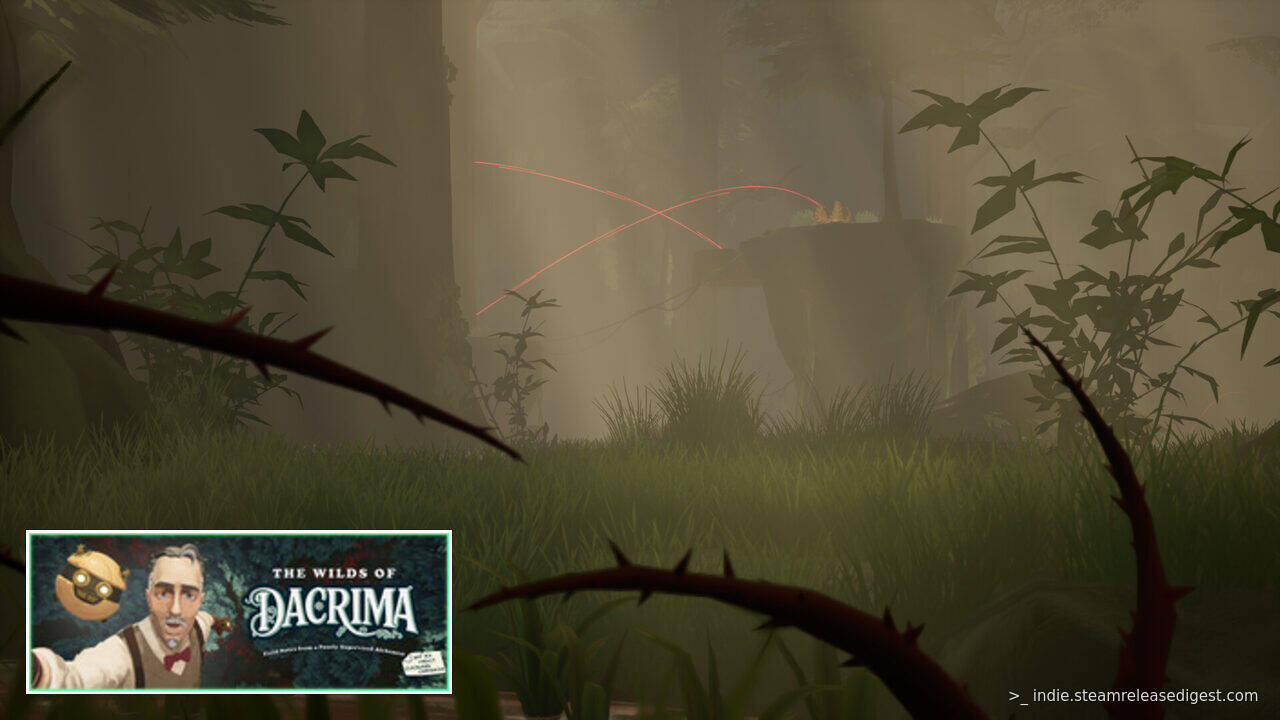
    Let’s set the scene: You are Professor Edric Tayte, a weathered alchemist approaching seventy years of age, standing before a rocky ledge that is just slightly too high for your aching knees. Instead of searching for a ramp, you look down at your unauthorized, blocky robot sidekick, L-P1N. With a metallic grunt, you deploy L-P1N as a makeshift step-stool, hop directly onto his flat metal head, and hoist yourself up to harvest a glowing, bizarre piece of alien flora. This is the daily routine in Antler Studios’ first-person adventure, where the pursuit of science is as much about managing your aging joints as it is about finding a cure for a catastrophic plague.

    Brewing a Cure in a Beautiful, Dying World

    The heart of the game lies in exploring the vibrant, stylized environments of Dacrima to find a cure for “The Great Rot,” a plague that has devastated the local ecosystem. To do this, you must wander through forests and caves, cataloging bizarre plants, absurd animals, and miraculous minerals using a scanner that pieces together the world’s lore. Gathering these ingredients isn’t just for show; you combine them to brew potent potions that grant Edric new traversal abilities and status-altering effects.

    It is a first-person puzzle-platformer structured around a cozy, exploration-heavy loop. As you unlock new concoctions, previously unreachable areas of the forest open up, transforming Dacrima from a seemingly open landscape into a carefully guided puzzle box. Rather than leaving you entirely to your own devices, the game does a solid job of gently steering you toward your next objective, ensuring you don’t get entirely lost in the wilderness while hunting for materials.

    The Wilds of Dacrima: Field Notes from a Poorly Supervised Alchemist and his Unruly Clockwork Companion gameplay screenshot
    Image courtesy of Antler Studios via Steam

    What Players Love: Banter, Beauty, and Botanicals

    Steam reviewers have responded warmly to this oddball science expedition, which currently holds a highly positive reception among its player base. Players frequently praise the game’s whimsical atmosphere and its surprisingly rich, cozy narrative. The dynamic between the curmudgeonly Edric and the unruly L-P1N is elevated by excellent voice acting, making their constant banter a highlight rather than a nuisance.

    The core loop of scanning and collecting is highly addictive. Several players note that they found themselves hoarding far more materials than they actually needed, simply because wandering through the colorful, stylized landscapes felt so relaxing. The puzzles hit a sweet spot—engaging enough to require some genuine thought, but never so frustrating that they shatter the game’s inherently cozy, low-stress vibe.

    The Rough Edges: Physics, Bugs, and Gating Issues

    However, the “poorly supervised” subtitle applies to the game’s technical state as much as its protagonist. Players report that the controls and movement can feel noticeably unpolished. Basic mechanics like swimming and general navigation are described as glitchy and slippery, and a prominent camera wobble has proved polarizing for those sensitive to motion. Additionally, players have expressed a desire for basic quality-of-life improvements, such as larger text sizes for better accessibility and fewer repetitive voice lines.

    More pressingly, the game’s level progression can occasionally break its own rules. One player noted falling into a challenge area called “the Pit” without the proper brewing skills unlocked, forcing them to glitch-jump their way out to avoid a permanent softlock. Others have run into more severe, progression-blocking bugs, such as a glitch during the “Ruby Ruby” quest that prevented them from moving forward entirely, alongside sporadic game crashes. Finally, those hoping for a deep, complex potion-making simulator might be disappointed; the brewing is largely a streamlined means to advance the guided, story-driven campaign, rather than a free-form crafting system.

    The Verdict

    Ultimately, this game is a delightful fit for players who value character, atmosphere, and light puzzle-platforming over mechanical perfection. If you enjoy cozy, narrative-driven exploration games but don’t mind a healthy dose of indie jank, Professor Tayte’s journal is well worth opening. Just be prepared to occasionally fight the physics engine—and maybe save your game often in case the bugs catch up to you.

    Key Facts

    • Developer: Antler Studios
    • Publisher: Antler Studios
    • Release Date: May 12, 2026
    • Price: $19.99
  • Mutating Probabilities on a Budget: Why Dice Biology is a Must-Play Roguelike

    Mutating Probabilities on a Budget: Why Dice Biology is a Must-Play Roguelike

    In Dice Biology, a single face of a standard six-sided die isn’t a fixed destiny; it’s an evolving canvas. You might start a run rolling standard ones and twos, but twenty minutes later, your third die face has been mutated into a monstrous multiplier engine that triggers a cascade of compounding points every time it lands face-up. It is a game about seizing control of random chance, one surgical upgrade at a time.

    Shaping the Sides of Chance

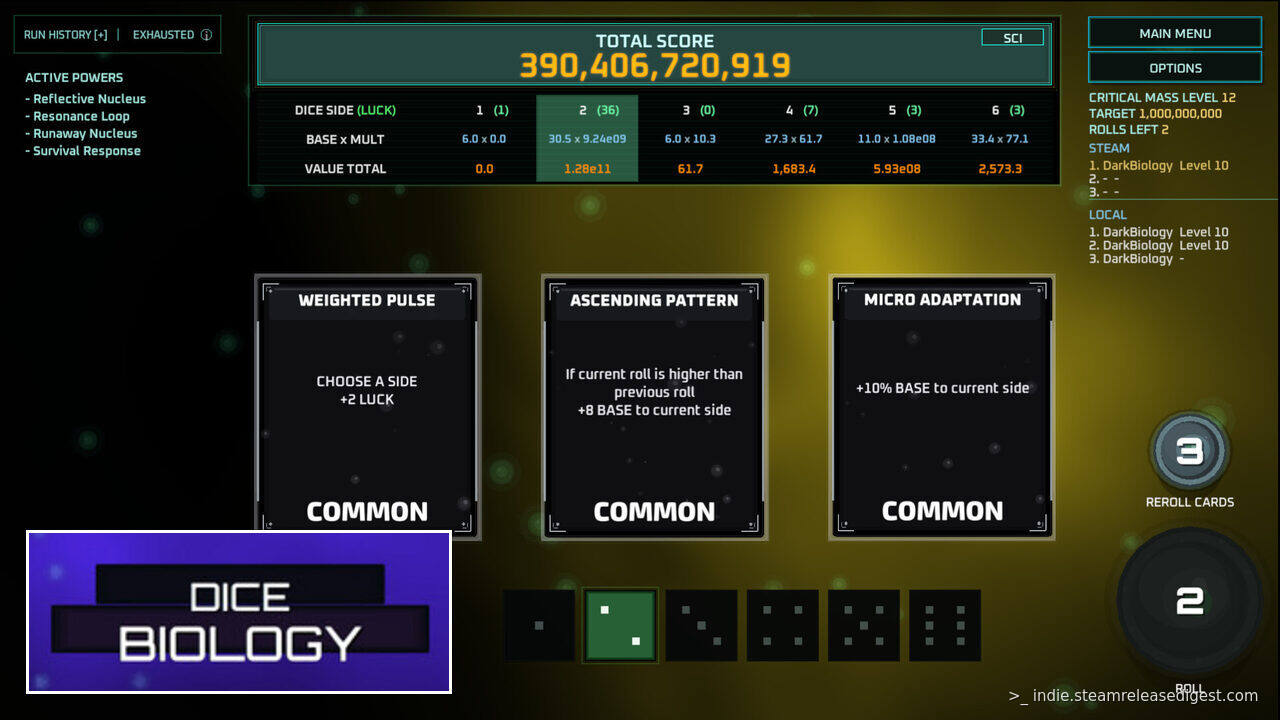
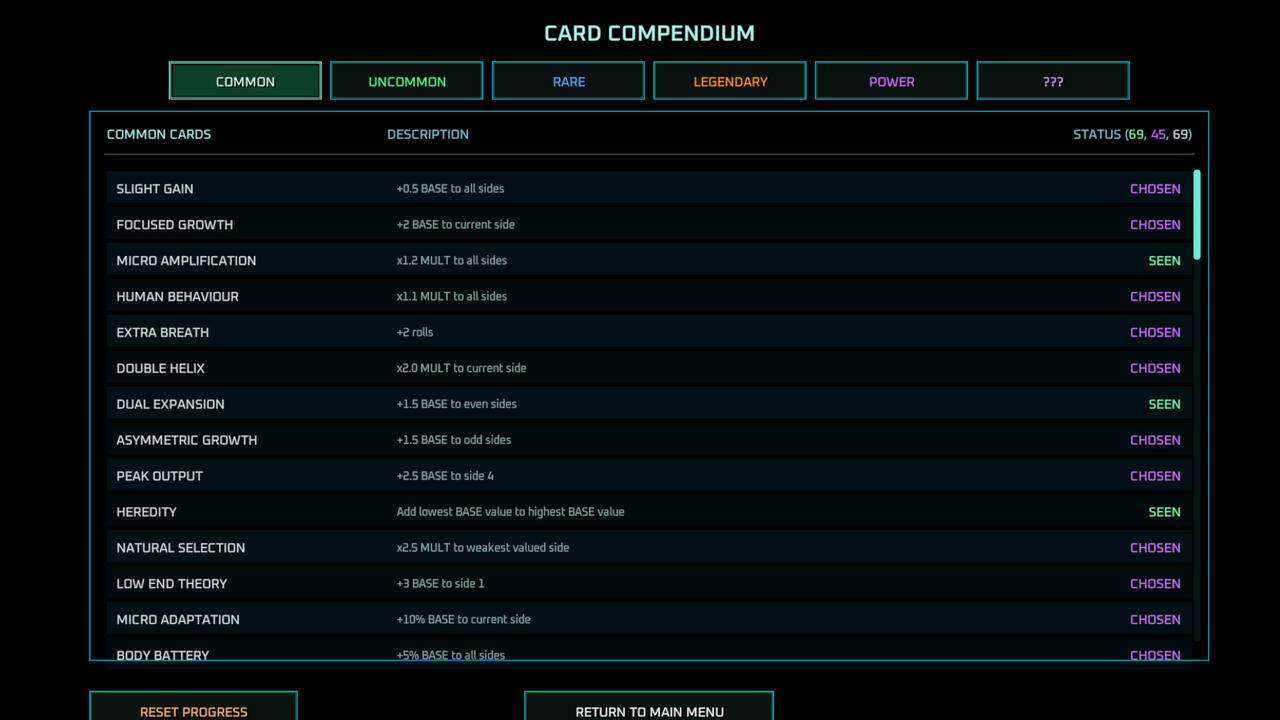
    At its core, Dice Biology is a roguelike dice-builder focused on scaling and statistical optimization. Instead of building a deck of cards, you build a single die. You start with a basic six-sided die, but through over 350 mutation cards, you permanently reshape its faces over the course of a run. Every card choice you make injects new properties into your rolls, allowing you to increase base score values, stack multipliers, or boost your Luck stat to manipulate how often your best faces turn up.

    The strategy lies in deciding how to allocate these mutations. You can build a balanced die where every side offers a reliable, moderate payout, or you can go all-in on a high-risk, high-reward strategy. In the latter, you sacrifice weaker sides to supercharge a single face, effectively turning your die into a volatile jackpot machine where one lucky roll can instantly catapult your score into the stratosphere. Because the game features full controller support, a mouse-only option, and requires no timed inputs, you are free to sit back and calculate your next move without any physical pressure.

    Dice Biology gameplay screenshot
    Image courtesy of DarkBiology via Steam

    An Array of Statistical Puzzles

    This core loop of mutating dice faces is spread across several distinct game modes that test your build from different angles. Classic Mode is a straightforward race to the top of the global Steam leaderboards, but things get weirder from there. In Critical Mass, you face a tense survival challenge where you must hit a brand-new target score every three rolls or watch your run end. Power of Two changes your starting conditions entirely, giving you two permanent power-ups to build your strategy around from the very first roll.

    For players who want to flip the game’s logic on its head, Entropy Mode tasks you with doing the exact opposite of the norm: building a die that scores as poorly as possible to win. Finally, 100 Billion Mode acts as the ultimate optimization puzzle, challenging you to hit an astronomically high score target in the absolute fewest rolls possible. This variety keeps the simple act of rolling a die from feeling repetitive, turning each mode into a unique mechanical riddle.

    What Players Love (And Where It Grates)

    With an 80% positive user rating on Steam, Dice Biology has quickly earned a reputation among indie fans as a highly addictive “number goes brrr” experience. Players frequently compare the game’s dopamine loop to Balatro, noting that watching a simple, low-stakes run quickly spiral into crazy, large-scale synergies is incredibly satisfying. The depth of the mutation system and the drive to climb the Steam leaderboards give the game a strong “just one more run” pull that belies its simple presentation.

    However, the game is not without its rough edges. The most pressing issue raised by the community is regional availability, with some players reporting that the game is blocked or non-functional in their specific regions. Additionally, because the long-term replayability relies heavily on competitive high scores, some users have expressed skepticism about the legitimacy of the top leaderboard spots, hoping for robust developer moderation to keep the competition fair. It is also worth noting that this is a streamlined, low-budget title—if you are looking for flash animations or a rich narrative, you will not find them here. The focus is entirely on numbers, cards, and probability math.

    The Verdict

    Dice Biology is a clever, hyper-focused puzzle game designed for players who love systems-driven gameplay. If you enjoy the thrill of discovering broken mechanical synergies, chasing high scores, or simply watching numbers grow exponentially, this is an incredibly easy recommendation—especially at its modest $4.99 price point. It’s a quiet, cerebral experience that respects your time and lets you break the laws of probability at your own pace.

    Key Facts

    • Developer: DarkBiology
    • Publisher: Resensitized Games
    • Release Date: May 12, 2026
    • Price: $4.99
  • Clocking In to The Company: A Creepy, One-Hour Office Horror That Hits Too Close to Home

    Clocking In to The Company: A Creepy, One-Hour Office Horror That Hits Too Close to Home

    A digital timer in the upper-left corner of your screen steadily counts down the minutes of an unwanted overtime shift. As you sit at your virtual desk, you are caught in a delicate, stressful balancing act: replying to your concerned wife, completing tedious digital paperwork, and managing emails from John—your “fake nice” boss who politely strong-armed you into staying late. It is a mundane, highly relatable scenario that quickly curdles into something deeply unsettling.

    Crawler Games’ The Company is a first-person psychological horror experience that weaponizes the quiet dread of an empty office building. Set during a single, one-hour shift, the game tasks you with navigating a quiet workspace where the ambient noise is replaced by unsettling music and the occasional buzz of flickering lights. It is a compact, highly focused piece of interactive fiction that relies on atmosphere and corporate-flavored dread rather than cheap jump scares to get under your skin.

    The Mechanics of Corporate Compliance

    At its core, the gameplay of The Company split-screens your attention between physical exploration and digital labor. You are free to wander the halls of a compact, dimly lit office building, searching for documents and gathering the information required to complete your tasks. Back at your workstation, you interact with a computer terminal to sift through a relentless stream of messages from remote, workaholic colleagues who may not be in the building with you, but who sure do send a lot of mail to keep you busy.

    The Company gameplay screenshot
    Image courtesy of Crawler Games via Steam

    You will fill out forms, digitally sign documents, and draft summaries, with the game tracking how much effort you put into your assignments. The tension comes from the constant feeling of surveillance. The game establishes early on that you are being watched, and every decision you make—whether to comply with instructions, share sensitive documents you find while wandering, or simply slack off—carries consequences. Because the entire experience is designed to be played in a single sitting, these choices invite you to replay the hour to see how different levels of employee compliance or defiance alter the final outcome.

    What Players Love (And What Grates)

    Steam players have responded warmly to the game’s specific brand of terror, with several noting that it triggered “corporate office PTSD in all the best ways.” The writing captures the passive-aggressive, toxic positivity of modern office culture perfectly, making the horror feel grounded in a reality that many players find uncomfortably familiar. The inclusion of the on-screen countdown timer is also a highly praised quality-of-life feature, helping players track their progress through the one-hour shift without breaking immersion or forcing them to keep their own clock handy.

    However, the game is not without its rough edges. The most notable point of criticism from players is the inclusion of several AI-generated images within the game’s environment. For players who value hand-crafted assets, these visual shortcuts stand out and can momentarily break the tension of an otherwise highly atmospheric setting. Additionally, despite its replayability, the game is strictly a bite-sized experience; if you are looking for deep mechanical complexity, intense action, or a sprawling campaign, this quiet one-hour loop will feel incredibly brief. Achievement hunters should also note that despite its focus on choices and multiple endings, the game does not currently feature Steam achievements to track your progress.

    The Verdict

    For $3.99, The Company is an easy recommendation for fans of low-fi, atmospheric horror who appreciate narrative-driven games and dark humor. It is especially potent for anyone who has ever sat under fluorescent lights past 6:00 PM, wondering if that strange sound down the hall was just the building settling or something far worse. If you can overlook a few AI-generated background assets and a very brief runtime, this is a wonderfully creepy tribute to the horrors of the 9-to-5 grind.

    Key Facts

    • Developer: Crawler Games
    • Publisher: Crawler Games
    • Release Date: May 12, 2026
    • Price: $3.99
  • Silent Paradise Anthology: How Four Miniature Metroidvanias Build One Fascinating Sci-Fi Mystery

    Silent Paradise Anthology: How Four Miniature Metroidvanias Build One Fascinating Sci-Fi Mystery

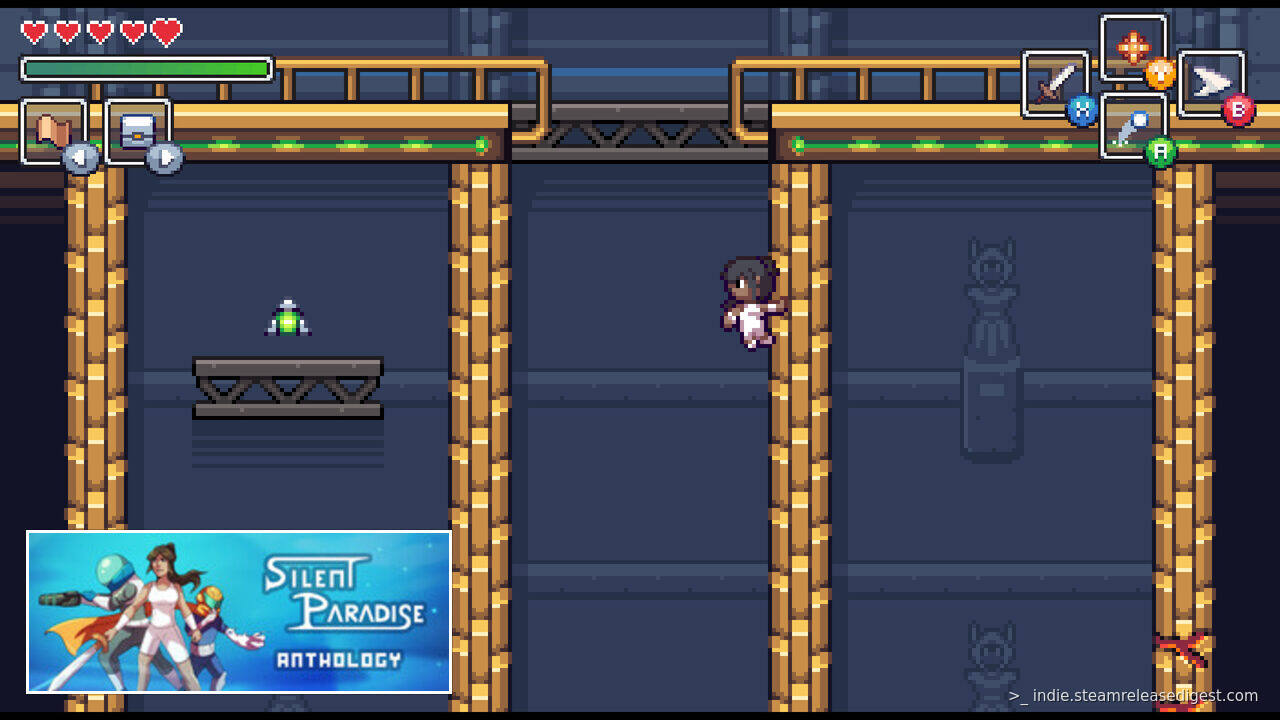
    Instead of demanding dozens of hours of backtracking across a single massive map, the Silent Paradise Anthology hands you a grappling hook, a diving suit, and four distinct, bite-sized sci-fi worlds that piece together like chapters in a mosaic. Developed by solo creator Dreamnoid, this compilation bundles three previously released itch.io projects with a brand-new, character-swapping finale that ties their narratives together. It is an unorthodox approach to a genre usually obsessed with sheer scale, offering narrative cohesion and clever structural shifts over raw mechanical complexity.

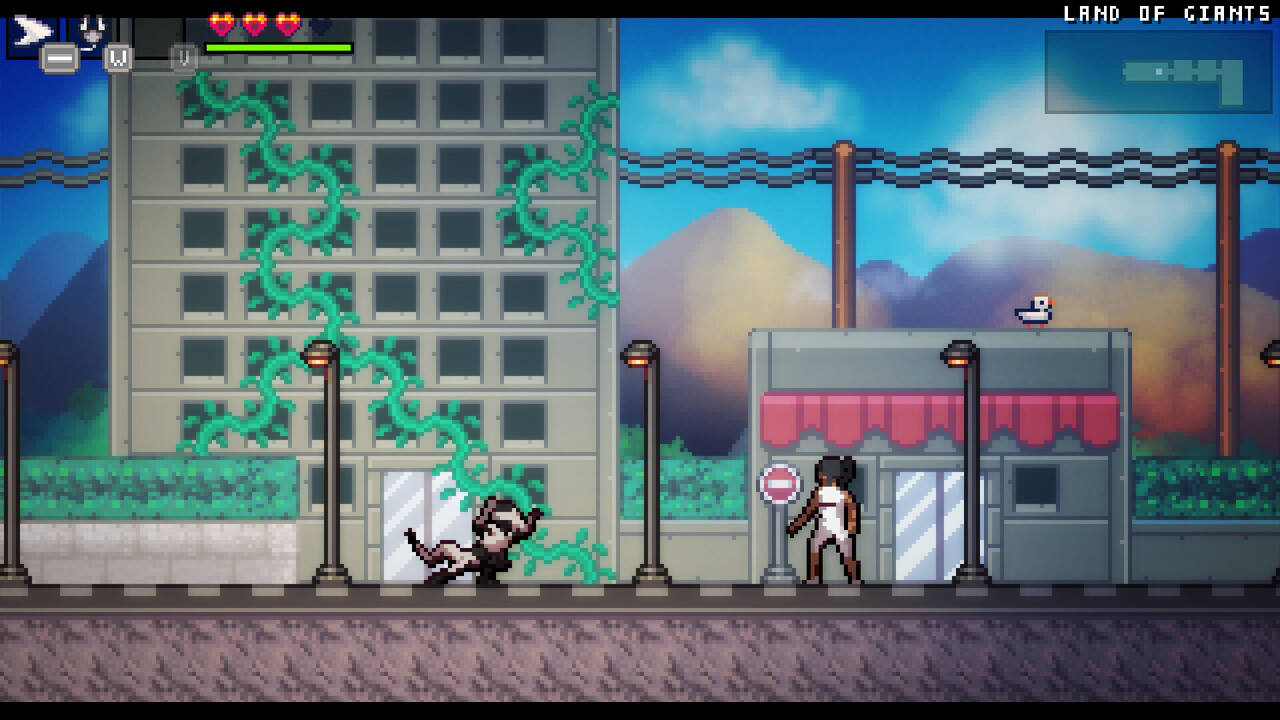
    The anthology functions as a series of chronological snapshots along a timeline. The first game, Silent Paradise, casts you as an auditor investigating a silent, submerged submarine station, fighting off security drones to confront a central Hivemind. Here, the focus is on ranged gunplay, dodging hazards, and acquiring traversal tools like a diving suit to explore the watery depths. The second, Lost Paradise, pivots to a melee-focused style set in a ruined surface city where you wake up from cryosleep inside a bunker, seemingly the last human on Earth. The third game shifts yet again, narrowing its focus toward precision-timed platforming. Each of these self-contained episodes takes only an hour or two to complete, and they are unified by detailed in-game maps that allow you to place custom marker pins to track unexplored pathways.

    Silent Paradise Anthology gameplay screenshot
    Image courtesy of Dreamnoid via Steam

    Where the anthology truly shines is in its secret fourth chapter, which is unlocked after completing the first three. This finale has you switching between the three main protagonists. Each character occupies their own distinct section of a shared map, but they must cooperate across space: finding an upgrade in one character’s realm unlocks a crucial ability for another character in theirs. It is a highly satisfying mechanical payoff that leverages the anthology format in a way a single, linear game never could.

    Community sentiment highlights the game’s immersive atmosphere, describing it as a cozy yet mysterious sci-fi experience. Players who originally played the individual titles on itch.io have welcomed the Steam release, noting that features like Steam Cloud saves and achievement integration make returning to these worlds feel seamless. For many, the bite-sized format is a breath of fresh air, allowing players to experience the satisfaction of a full Metroidvania progression loop—complete with secrets, shortcuts, and boss battles—four times over in about five to eight hours of total playtime. At its modest price point, it is widely considered an absolute bargain.

    However, the anthology’s solo-developer roots are apparent, and players are quick to point out its rough edges. The visual presentation is functional but plain, and the transition between chapters can be visually jarring—especially when the third game adopts a distinctly different art style that then carries over into the final game. Additionally, the first game is widely considered the weakest link; its level design and combat are relatively simple and easy, lacking the spark of the later, more confident chapters. It does not have the silky-smooth polish or the deep gameplay variety of high-budget genre giants.

    If you are looking for a punishing, state-of-the-art platformer to test your reflexes, this collection will likely feel too simple. But if you appreciate clever structure, evocative world-building, and the satisfying cadence of classic exploration games in a digestible format, Silent Paradise Anthology is an easy recommendation. It is a humble, thoughtful sci-fi project that respects your time and your wallet in equal measure.

    Key Facts

    • Developer: Dreamnoid
    • Publisher: Dreamnoid
    • Release Date: May 12, 2026
    • Price: $4.99
  • FOF (Fear Of Failure) and the Masochistic Joy of Shotgun Platforming

    FOF (Fear Of Failure) and the Masochistic Joy of Shotgun Platforming

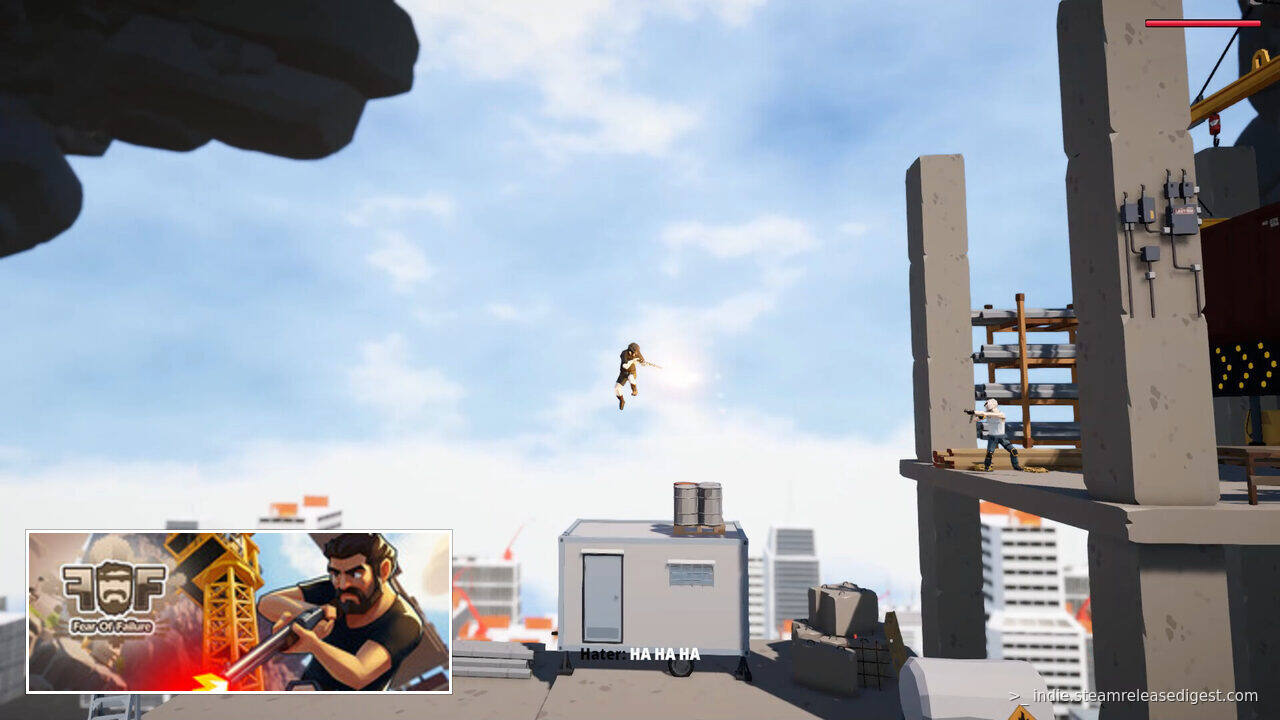
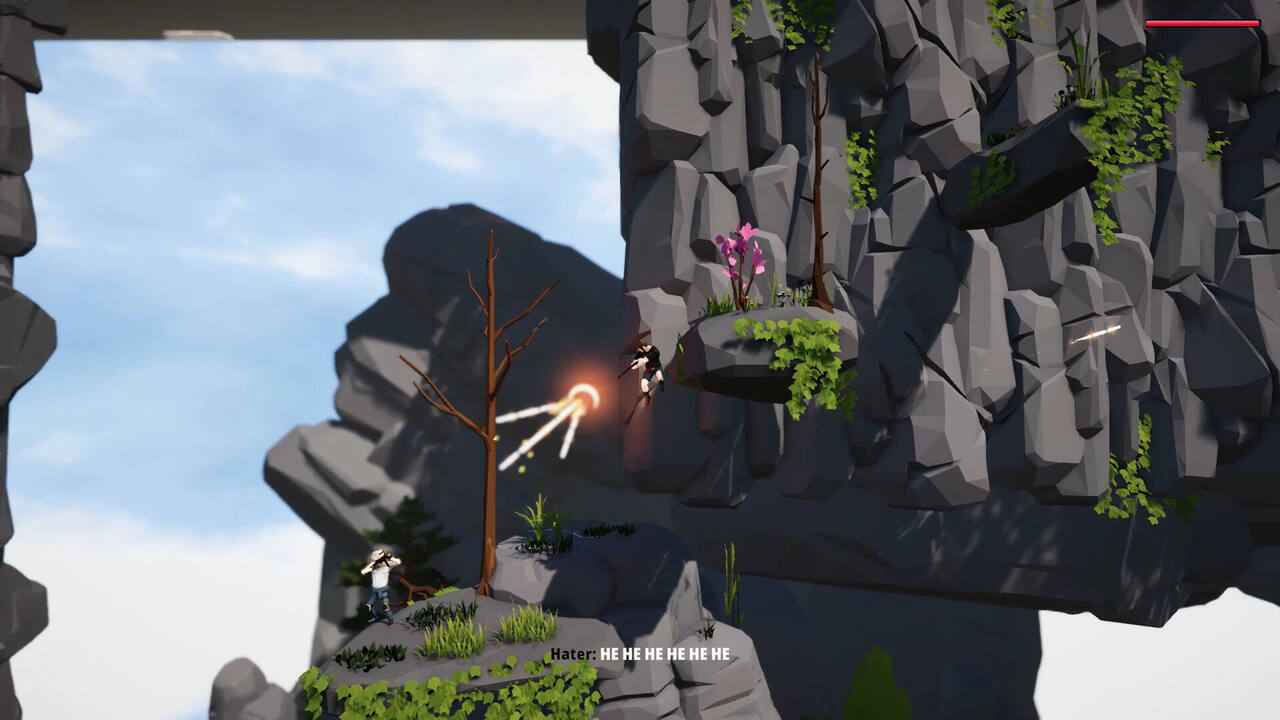
    You scale the vertical, unforgiving levels of this physics-based platformer by aiming a high-recoil shotgun at the ground and letting the explosive kickback launch you into the air.

    In this challenging title, the traditional jump button is completely discarded in favor of violent, ballistic propulsion. Every movement requires you to calculate momentum, angle, and gravity on the fly. Fire too early, and you will fall short of the ledge; fire too late, and you will slam into an obstacle, losing all your upward speed. The environment itself becomes both a tool and a threat, forcing you to bounce off walls, slide past hazards, and use strategic positioning to claw your way upward, one blast at a time. It is a game that demands you embrace momentum as your primary ally, turning what would be a simple climb in any other game into a tense, calculated dance with gravity.

    Adding to the vertical tension is the constant threat of “haters”—pesky in-game entities designed specifically to throw you off, punish your mistakes, and drag you back down to the bottom of the map. Fortunately, your shotgun is not just an engine of mobility; it is also your primary tool for retaliation. You must quickly pivot from aiming downward for height to aiming outward to blast away these pests before they can ruin your hard-earned progress. This dual-purpose weapon system forces players to make split-second decisions under immense pressure. One well-calculated shot can launch you toward success, while a single panicked mistime could send you plummeting back to the starting line.

    FOF (Fear Of Failure) gameplay screenshot
    Image courtesy of Playjas via Steam

    The player community has been quick to classify this experience as an elite-tier “rage bait” game. Steam reviews are filled with players who describe a gameplay loop that is simultaneously infuriating and deeply addictive, prompting one reviewer to half-jokingly ask why the developer even created such an agonizing piece of software in the first place. The game invites immediate comparisons to masochistic platforming heavyweights like Getting Over It with Bennett Foddy, sharing that same DNA of high stakes and high stress. It is a game designed to test your mental fortitude just as much as your reflexes, keeping you hooked even as you grit your teeth.

    However, it is not an entirely flawless climb. Even with a perfect 100% positive rating from its early players, the community notes that the game has some rough edges, specifically pointing out collision issues with some of the environmental assets. In a game where success is measured in millimeters and a single physics glitch can trigger a spectacular, heart-wrenching plunge, sticky geometry or unexpected collision boxes can feel incredibly punishing. If you are the type of player who expects absolute mechanical perfection from your platformers, these minor technical hiccups might test your patience more than the actual level design.

    On the bright side, the game manages to avoid the bloat that plagues many other titles in the “rage platformer” subgenre. It balances its steep difficulty with a remarkably digestible length. As one reviewer noted, the experience is challenging enough to remain constantly engaging, but it is not so long that you will want to pull your hair out. It delivers its concentrated dose of adrenaline and frustration, lets you conquer your doubts, and wraps up before the joke wears thin, ensuring that your time is respected even when your character is being brutally punished.

    Ultimately, this budget-friendly release is built for a very specific crowd. If you thrive on high-stakes tension, enjoy mastering weird momentum-based physics, and find genuine satisfaction in overcoming games designed to make you sweat, this is a must-play. Just be prepared to face down your own frustration when that final, desperate shotgun blast misses its mark and gravity takes over.

    Key Facts

    • Developer: Playjas
    • Publisher: Playjas
    • Release Date: May 12, 2026
    • Price: $9.99
  • ControllerMeta and the Obsessive Quest for the Perfect Polling Rate

    ControllerMeta and the Obsessive Quest for the Perfect Polling Rate

    It is a frustratingly common PC gaming mystery: you launch a new game, grab your gamepad, and nothing happens, or your character spins wildly out of control. For one player, the culprit behind this headache turned out to be a forgotten pair of flight pedals plugged into the back of their rig, quietly hijacking their inputs. They only figured this out after launching ControllerMeta, a diagnostic utility that immediately laid bare exactly which USB devices were fighting for dominance.

    Most of us treat our controllers as simple plug-and-play tools. We press a button, a pixel moves, and we don’t think about the microsecond delays or the hardware polling rates happening behind the screen. But for competitive players, hardware enthusiasts, and anyone trying to diagnose a malfunctioning joystick, those invisible processes are everything. ControllerMeta is an inexpensive Windows utility designed to drag those invisible metrics directly into the light.

    The Anatomy of a Gamepad

    At its core, ControllerMeta is less of a traditional game and more of a highly specialized playground for hardware testing. Instead of navigating levels, you spend your time watching real-time graphs react to the slightest tilt of your thumbsticks. The software is built around giving you a granular view of your hardware’s performance, supporting a wide array of protocols including DualSense, DualShock 4, Xbox Series/One, and first-generation Switch Pro controllers.

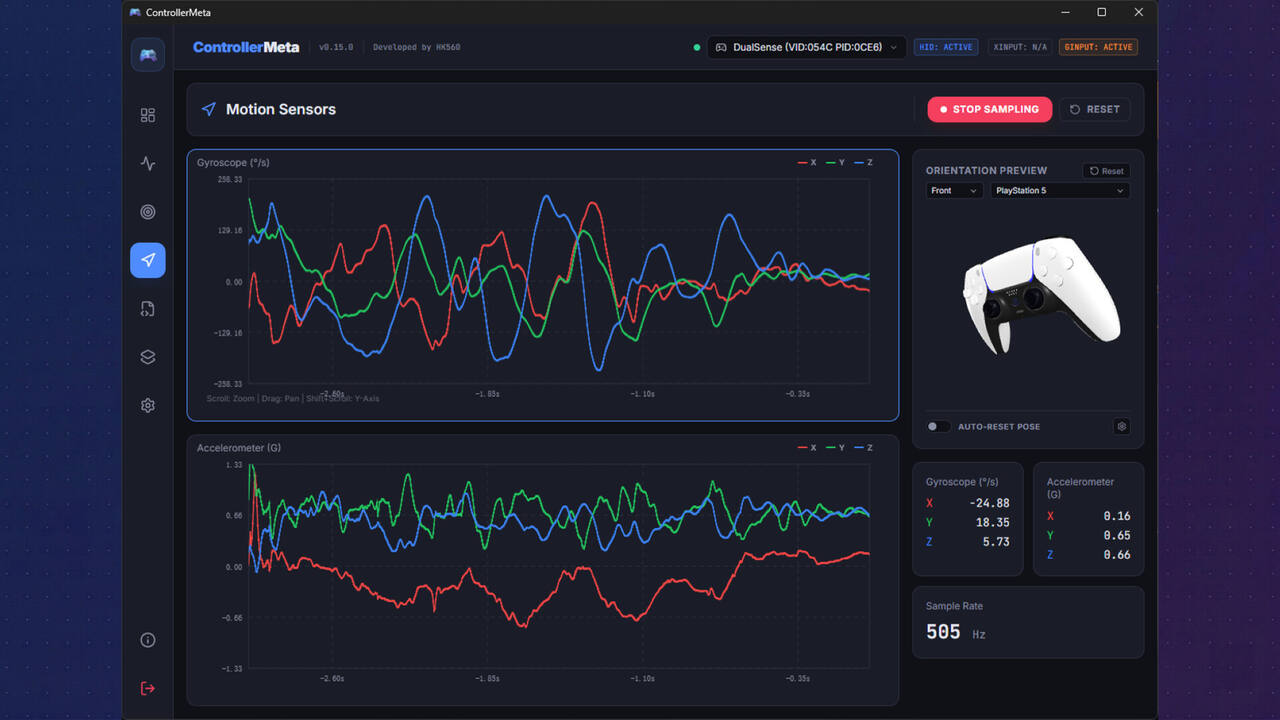
    What makes the software stand out from basic, web-based controller testers is its deep dive into the technical details. It features joystick trajectory drawing, step testing for joystick resolution bit-depth, and real-time sensor detection paired with a responsive 3D model that mimics your controller’s physical orientation. If you want to see exactly how your gyroscope registers tilt, or how smooth your thumbstick’s circularity actually is, the software plots these data points in real time.

    ControllerMeta gameplay screenshot
    Image courtesy of HK560 via Steam

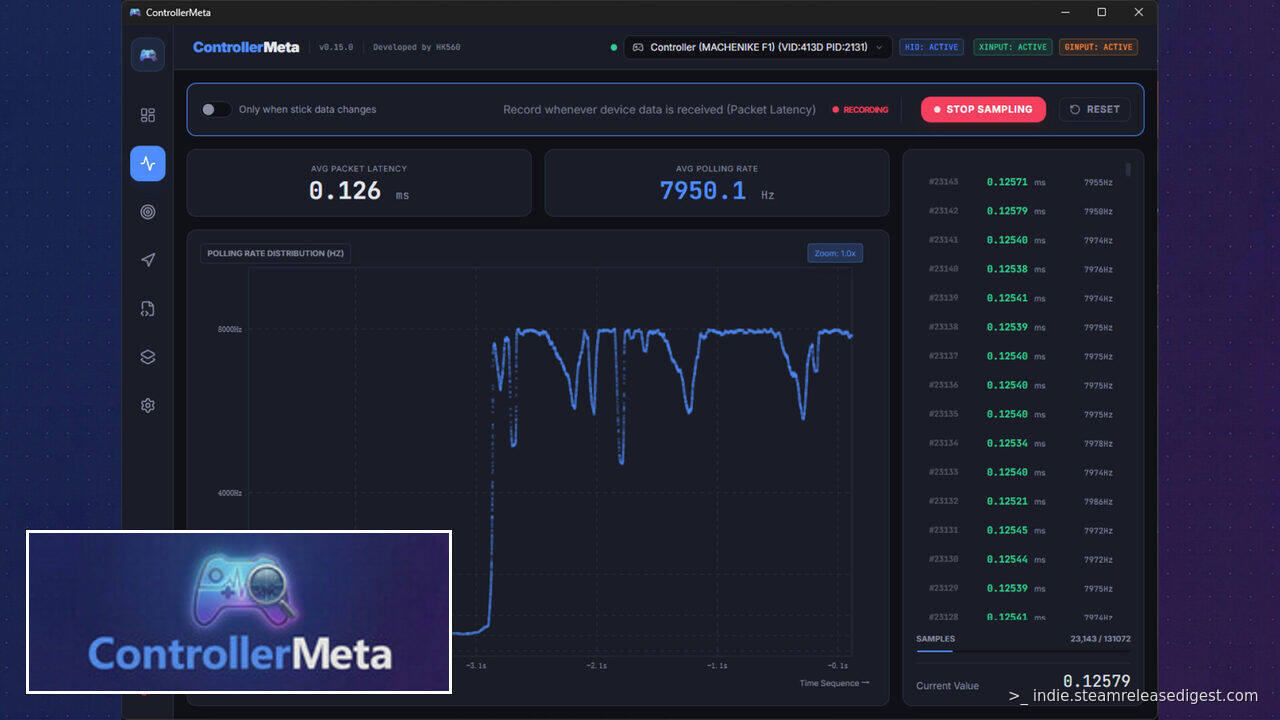
    For the competitive crowd, the main draw is the ultra-low latency polling rate detection. By utilizing a high-precision Direct HID capture mode, the utility bypasses the standard Windows message queues and Xinput protocol layers that typically introduce artificial latency. This allows it to achieve microsecond-level sampling precision, meaning it can theoretically monitor esports controllers pushing polling rates from 1000Hz all the way up to an extreme 8000Hz.

    What Players Love (And Where the Numbers Get Weird)

    For a niche utility priced at a modest $1.50, ControllerMeta has earned a highly positive reception, currently sitting at an 80% approval rating. Users praise its sheer convenience. Unlike older diagnostic tools that require navigating confusing driver setups, players note that this app is incredibly straightforward, with one reviewer highlighting that there is “no need to worry about settings” to get it up and running. It functions as an immediate, painless health check for your hardware, especially if you want to display your controller inputs on stream using its built-in floating OBS window overlay.

    However, the software is not without its eccentricities, particularly when it comes to its highly touted polling rate benchmarks. While the developer promises highly accurate, raw data, one reviewer pointed out a puzzling discrepancy. They noted that their controller, which consistently registers around a 380 to 400Hz polling rate on other diagnostic tools, was repeatedly benchmarked at a flat 500Hz in ControllerMeta. This quirk led them to call the utility’s benchmarking feature “weird” and labeled it as a “kinda fake bench” due to its seemingly rigid rounding behavior. For a tool aimed at hardcore enthusiasts who obsess over exact microsecond variances, inconsistencies like this can understandably dent its credibility.

    The Verdict

    ControllerMeta is not a casual toy, nor is it a utility that every PC gamer needs sitting in their Steam library. If your controller works fine and you do not care about the difference between a 250Hz and a 1000Hz polling rate, you can safely skip this one.

    However, if you are a streamer looking for a clean input overlay, an esports enthusiast trying to verify if your expensive third-party gamepad is actually hitting its advertised polling rates, or simply someone trying to figure out why your flight pedals are ruining your favorite action game, ControllerMeta is a bargain. At just $1.50, it is a highly functional, visual, and accessible diagnostic toolkit that easily justifies its price tag—even if you have to take its highest polling benchmarks with a small grain of salt.

    Key Facts

    • Developer: HK560
    • Publisher: Opus560 Studio
    • Release Date: May 12, 2026
    • Price: $1.50
  • Greenhouses, Grout, and Quirky Helpers: The Quiet Appeal of Plant Nursery Simulator

    Greenhouses, Grout, and Quirky Helpers: The Quiet Appeal of Plant Nursery Simulator

    Starting a business in Plant Nursery Simulator begins with the quiet click of a virtual mouse, ordering bags of soil, empty starter pots, and tiny seed packets from an in-game computer to stock a modest, vacant storefront. There are no high-stakes emergencies or frantic timers here; instead, the game places you in a gentle loop of watering, potting, and arranging. You carry individual bags of soil to the greenhouse tables, plant seeds, nurture them from fragile green sprouts to vibrant, colorful blooms, and then carefully carry the finished product to the store shelves to sell to a steady stream of local green thumbs.

    At its heart, the game is a cozy hybrid of retail management and farming simulation. Once you establish your basic routine, the business side of the nursery begins to open up. You must manage your profit margins, reinvesting money to unlock new plant breeds, purchase decorative shelves, and expand your square footage. A recent flower and bouquet update has added extra mechanical depth to this cycle, allowing you to harvest your crops and craft them into custom bouquets. This adds a welcome layer of creative crafting to the standard grow-and-sell retail formula, making your storefront feel much more like a personalized, artisan boutique than a generic garden center.

    As your nursery grows, you can purchase trinkets that grant passive performance bonuses, buy larger storage rooms, and even hire a staff of helpers to automate the daily chores. You can bring on cashiers to manage the register during customer rushes and stockers to keep the shelves full. For players who love optimization, this transition from manual labor to an automated empire is incredibly satisfying. It is easy to lose track of time; several players report sinking dozens of hours into the game, with some getting so hooked that they easily spend six straight hours organizing their layouts and watching their bank accounts climb.

    Plant Nursery Simulator gameplay screenshot
    Image courtesy of Robot Assembly via Steam

    However, Plant Nursery Simulator is not without its rough edges, particularly when you try to step back and let your hired staff take over. The helper AI can be downright baffling. The greenhouse helper, for instance, will happily plant seeds in pots that already contain soil, and she will harvest fully grown plants into crates. But she flatly refuses to put fresh soil into empty pots, nor will she place new pots on the tables. If there is no open floor space for a harvested crate, she will simply drop it in a random, inconvenient spot on the floor. The stocker AI suffers from similar quirks, occasionally standing idle while shelves sit empty and customers wait.

    Additionally, the game struggles to maintain its pacing in the late game. While building your nursery from scratch is highly rewarding, players who want to unlock every Steam achievement will run into a significant wall. You can easily maximize your store size, unlock every greenhouse expansion, and stock every available item by day 105, leaving you with little to do but wait around until day 250 to trigger the final completion milestones. A minor point of frustration also exists for players running older hardware; a graphic texture update in the full release significantly raised the system requirements compared to the original demo, leaving some low-end GPU owners struggling to run the game smoothly.

    Ultimately, Plant Nursery Simulator is a delightful, low-stress management game that is well worth its modest price point. If you are looking for a highly complex, perfectly optimized industrial management simulator, the quirky AI and late-game slowdown might test your patience. But if you want a charming, colorful, and deeply relaxing way to spend 30 to 50 hours designing a beautiful greenhouse and watching digital flowers bloom, this is a budget-friendly gem that deserves a spot in your library.

    Key Facts

    • Developer: Robot Assembly
    • Publisher: Robot Assembly
    • Release Date: Jun 22, 2026
    • Price: $7.79