Author: sitemill

  • The World Well: Blood of Caro Is an Ambitious, Over-Engineered Dark Fantasy Visual Novel

    The World Well: Blood of Caro Is an Ambitious, Over-Engineered Dark Fantasy Visual Novel

    Branching conversations in The World Well: Blood of Caro force players through hours of dense political debates and personal reckonings, unspooling a dark fantasy mystery where every dialogue choice tests your understanding of an oppressed human resistance.

    At its core, Nimparth’s visual novel is a story of survival under the boot of an aristocratic vampire regime. You follow two main protagonists: 4, a hardened survivor branded as a “Caro” (a targeted sub-class of humanity whose blood holds a mysterious allure to their vampire overlords), and Noma, a calm resistance mage harboring her own veiled motivations. Together, they navigate a war-torn kingdom, uncovering a central conspiracy that ties the origins of their world to broader questions of autonomy, ethics, and power dynamics.

    What makes The World Well: Blood of Caro stand out in a crowded indie landscape isn’t just its dark fantasy setting, but its absurdly over-engineered presentation. Rather than sticking to static 2D sprites over flat backgrounds, the game crams in Live2D character animations, multi-layered 3D depth effects, and cinematic cutscenes. It even includes a fully interactive 3D world map that the game never explicitly points out—a bizarre, charming detail that hints at just how much passion went into its construction. Across a massive 25-to-35-hour runtime, you spend your time reading through a vast script, listening to an evocative original soundtrack, and steering branching narrative paths that probe deep into structural inequality and philosophy.

    The World Well: Blood of Caro gameplay screenshot
    Image courtesy of Nimparth via Steam

    Player consensus on Steam is overwhelmingly positive, with readers consistently marveling at how much narrative density is packed into a modest $11.99 price point. Reviews frequently point to the writing’s earnestness and philosophical ambition. One player memorably likened its tone to a fantasy equivalent of Metal Gear, praising its unashamed willingness to filibuster the reader with hours of exposition regarding liberal ethics, self-autonomy, and societal contradictions. The slow-burn dynamic between 4 and Noma also draws heavy praise, offering a deeply satisfying emotional anchor amidst the surrounding geopolitical scheming.

    However, the game’s massive scope brings a few noticeable rough edges that keep it from absolute perfection. Multiple reviewers note that while the pacing starts off remarkably smooth, the later chapters get weighed down by heavy, unrelenting exposition dumps that disrupt the narrative flow. The presentation, while technically ambitious for a small team, isn’t flawless: certain 3D cutscenes run at surprisingly low frame rates—hovering around 15 FPS—and eagle-eyed readers will spot occasional grammatical typos throughout the English localization. Additionally, a few side characters’ storylines end abruptly without full closure, though the developer is reportedly working on a free epilogue to tie up those loose threads. There is also no voice acting, meaning you need to be prepared for a pure, text-heavy reading experience.

    If you are looking for a breezy, fast-paced kinetic novel, this isn’t it. But if you crave dense, unapologetically ambitious narrative fiction that takes its world-building seriously, The World Well: Blood of Caro is an astonishing bargain. It is built specifically for patient readers who love deep lore, political philosophy, and indie projects that punch far above their weight class technologically.

    Key Facts

    • Developer: Nimparth
    • Publisher: 2P Games, Beep Japan
    • Release Date: Aug 17, 2026
    • Price: $11.99
  • Oh!Ware: When Ancient Mancala Meets Modern Roguelike Synergies

    Oh!Ware: When Ancient Mancala Meets Modern Roguelike Synergies

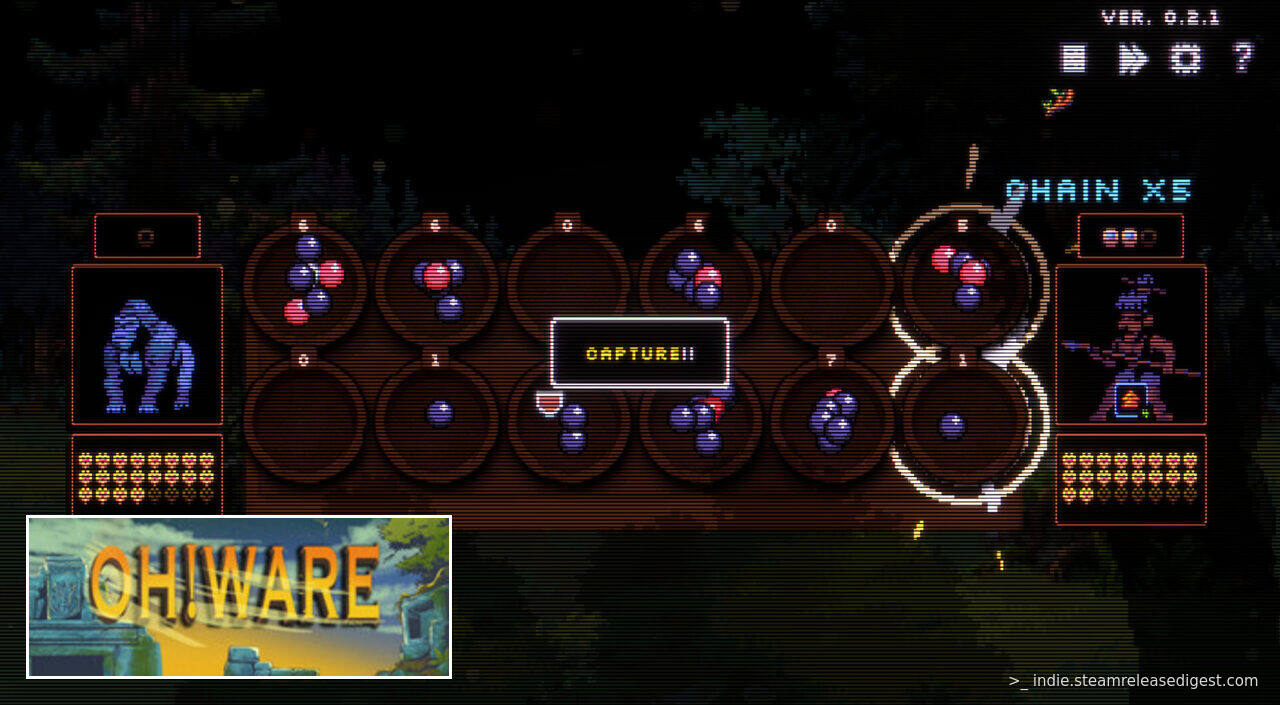
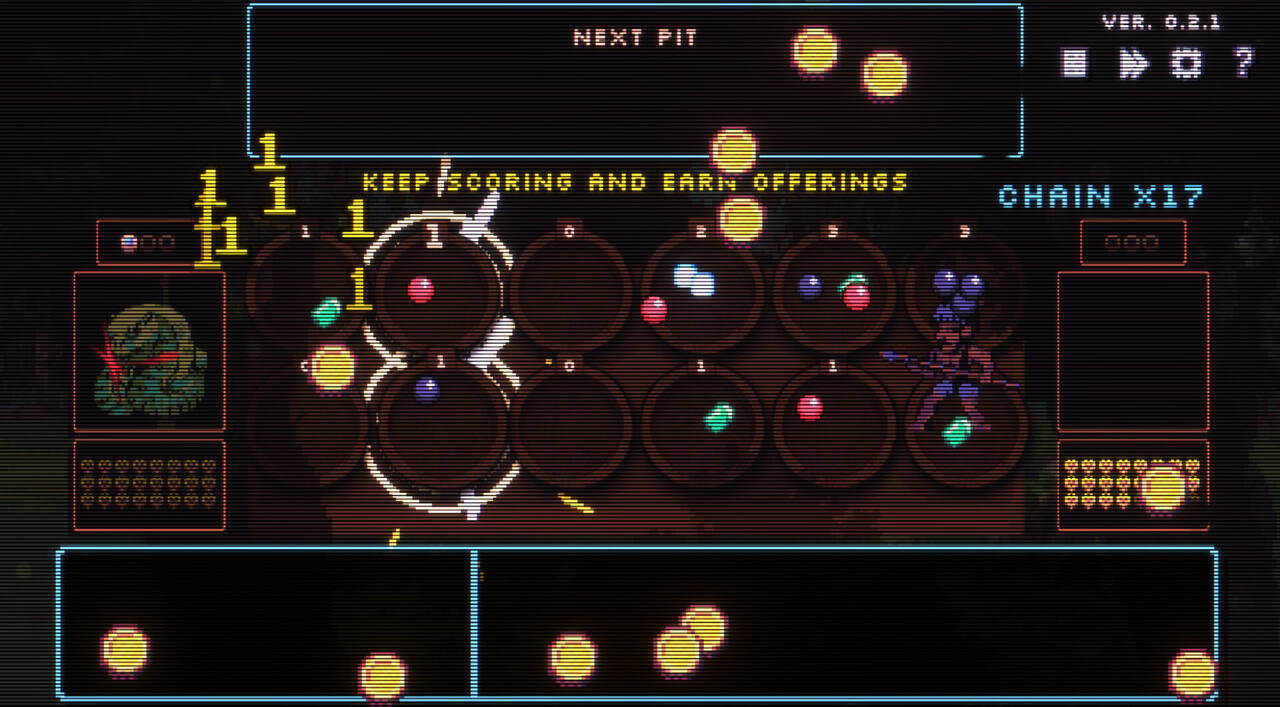
    You scoop a handful of glowing, elemental marbles from a pit, drop them one by one into adjacent hollows across the wooden board, and watch the final stone land in a burning pit that detonates a three-tier chain reaction. That single move cleans out your opponent’s side, triggers a divine blessing from an ancestral charm, and wins the match. This is the rhythmic, tactical core of Oh!Ware—a game that takes the thousand-year-old mechanics of Mancala and fuses them with the math-bending synergy of a modern deckbuilding roguelike.

    Solo developer Chris Perry hasn’t just slapped cards onto a board; he has turned the board itself into the deck. In traditional Oware or Mancala, players pick up seeds from one pit and sow them sequentially around the board to capture their opponent’s counters. Oh!Ware preserves that fundamental physical puzzle, but replaces standard wooden seeds with a custom pool of over 100 elemental marbles. As you progress through runs, you acquire marbles imbued with status effects like Burn, Poison, Drain, and Bless. Instead of drawing a hand of cards each turn, you are constantly calculating board geometry, counting hollows, and predicting exactly where your last marble will land to trigger a massive capture or unleash an elemental cascade.

    Oh!Ware gameplay screenshot
    Image courtesy of Chris Perry via Steam

    Layered over this classic seed-sowing loop are Ancestral Charms—relics that bend the rules of the board in dramatic ways. One charm might double your captures whenever you drop a Poison marble into an enemy pit, while another offers divine protection against dynamic environmental hazards. You battle through three mythic biomes—Jungle, Plains, and Mountains—each ruled by divine guardians and plagued by mid-match disruptions like sudden floods or encroaching toxic vegetation. With runs lasting a tight 30 to 40 minutes and eight ascension levels to push through, the loop is explicitly built for bite-sized sessions of deliberate puzzle-solving.

    What Players Are Saying

    With a clean sweep of positive reviews on Steam, Oh!Ware has clearly struck a chord, particularly with players who grew up playing wooden board games and were waiting for someone to modernize the concept. Players repeatedly praise its vibrant aesthetic and standout soundtrack, emphasizing how refreshing it feels to explore a tactical world steeped in African mythology rather than the overused pantheons of Greek or Norse legend. It also earns high marks from handheld gamers, who note that its turn-based pace and controller support make it an ideal game to hop into for quick sessions on portable PCs.

    However, the game is not without its initial hurdles. Multiple players note that Oh!Ware suffers from a sparse onboarding process. Its explanations are brief to a fault, leaving newcomers who have never played Mancala staring at the screen early on trying to figure out how scoring and movement actually resolve. The game also takes a moment to warm up; early runs before unlocking a wider variety of marbles can feel overly simple, almost leaning on basic real-world Mancala strategy before the roguelike complexity kicks in. Dedicated deckbuilder veterans have also pointed out that while its theorycrafting is engaging, it doesn’t quite reach the endless, game-breaking math depth of top-tier genre giants.

    The Verdict

    Despite those early tutorial bumps, Oh!Ware succeeds because it treats an ancient strategy game with respect while giving it a genuine mechanical refresh. If you love spatial puzzles, crave a deckbuilder that moves away from standard card hands, or simply want a charming, atmospheric roguelike for short evening runs, this budget-friendly release delivers a distinct sense of style and strategy that easily justifies a look.

    Key Facts

    • Developer: Chris Perry
    • Publisher: Chris Perry
    • Release Date: Sep 24, 2026
    • Price: $8.99
  • Mars Attracts Turns Earth History Into a Devious Martian Theme Park

    Mars Attracts Turns Earth History Into a Devious Martian Theme Park

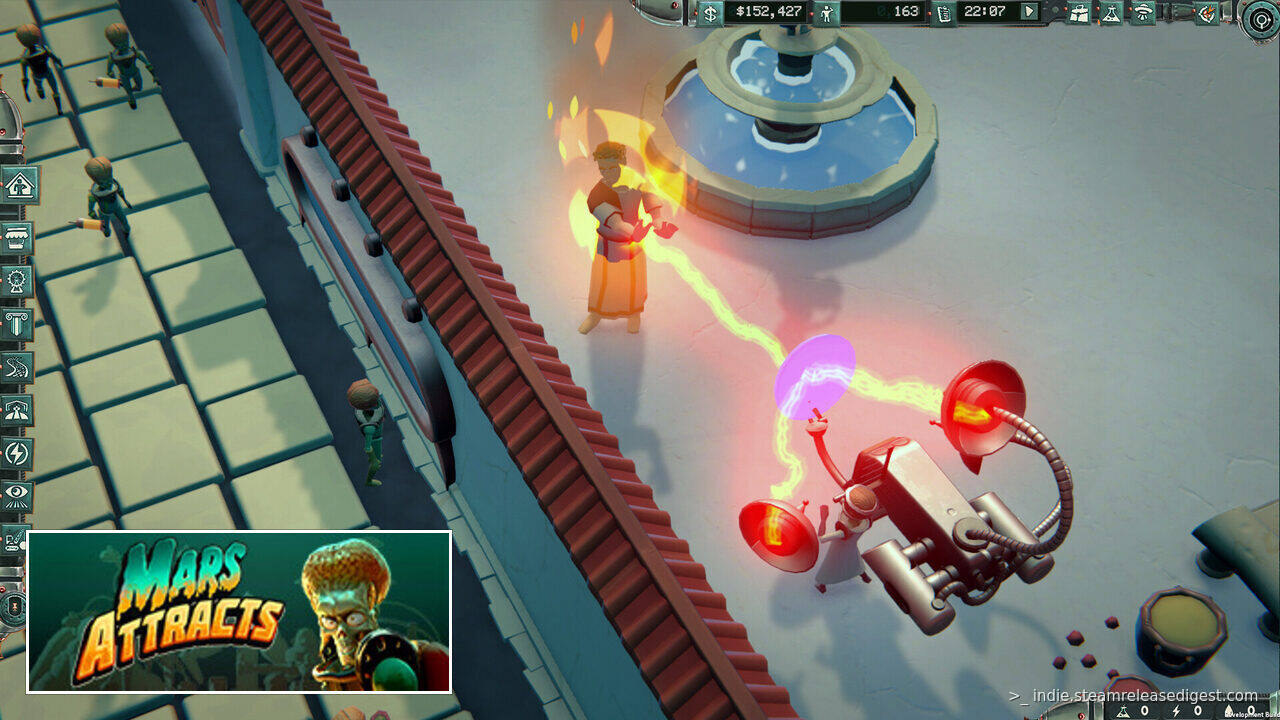
    You spend your shift dispatching UFOs to kidnap Julius Caesar from Ancient Rome, building him a faux-marble exhibit on the red planet, and charging green alien tourists premium tickets to watch him pace around inside it.

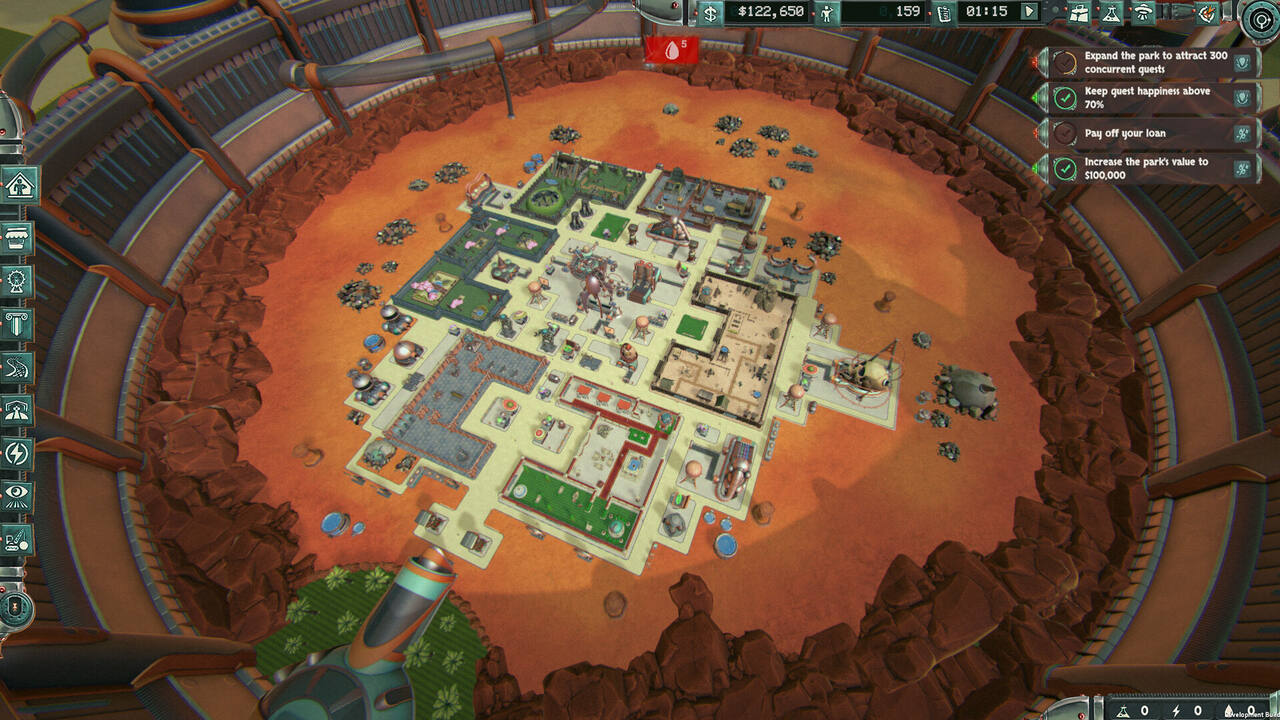
    That absurd, pulpy premise is the core of Mars Attracts, a park management sim developed by Outlier and published by Tripwire Presents that transplants the cult-classic Mars Attacks™ universe into the structured, money-grubbing framework of a theme park tycoon. Rather than placing rollercoasters or exotic animals as your primary pull, your star attractions are human beings yanked from across human history. As a devious Martian CEO, your goal is to construct a profitable alien resort complete with food stalls, merch stands, death-defying rides, and customized habitats designed to keep your human captives oblivious to the fact that they ever left Earth.

    The Zoo Tycoon Formula Goes Green

    The operational rhythm of Mars Attracts feels instantly comfortable if you grew up on classic mid-2000s management games like Zoo Tycoon or RollerCoaster Tycoon. You run abduction missions to Earth, haul back historic figures like Cleopatra or Date Masamune, and research their environmental preferences. Tailoring an enclosure with era-appropriate decor keeps human comfort high and ticket revenue flowing. Neglect your exhibits, however, and unhappy humans won’t stay docile—they will break out and rampage through your walkways, forcing you to deploy security teams and automated defenses to handle the mess before your alien guests panic.

    Mars Attracts gameplay screenshot
    Image courtesy of Outlier via Steam

    Behind the gruesome aesthetic lies a surprisingly full-featured park sim. You assign porters to manage logistics and supply chains, take out loans to cover cash flow problems, adjust individual vendor pricing to maximize margins, and complete optional objectives assigned by a demanding Martian board of directors.

    What Players Love (And What Frustrates Them)

    With an 87% positive rating across its initial reviews, Mars Attracts has carved out a warm reception among sim fans looking for low-stress, thematic fun. Players routinely praise the game’s nostalgic layout, explicitly comparing its feel to late-90s and mid-2000s management games rather than modern, hyper-dense genre entries like the Two Point franchise. Reviewers note that the game embraces its lower price point ($24.99) well, delivering a cozy, dark-comedy experience that does not bog down the player in overwhelming micromanagement. The historical era-matching mechanic for human habitats is frequently singled out as a highlight that keeps park layouts visually creative.

    However, the red planet comes with a few technical rough edges. Multiple players report persistent UI bugs, such as staff members getting permanently stuck to the mouse cursor during manual relocations, requiring full save reloads to fix. Other users noted building glitches where walls randomly placed themselves across terrain, as well as lingering audio bugs where park ambient noise plays despite all volume sliders being muted. On the design side, some players find the random drops on abduction missions tedious when trying to source specific humans for open park exhibits, while management veterans mention that the campaign missions lean a bit too easy and lack long-term challenge.

    The Verdict

    Mars Attracts is not trying to redefine the management genre, nor does it deliver the high-stress, math-heavy economic simulation of modern hardcore park builders. If you expect deep satirical writing matching the original film or complex multi-tiered logistics, it may feel a bit light. But if you miss the straightforward, character-driven park builders of twenty years ago and want a funny, dark-humored sim to unwind with over the weekend, this human zoo builder hits the spot—provided you can tolerate a few quirky bugs along the way.

    Key Facts

    • Developer: Outlier
    • Publisher: Tripwire Presents
    • Release Date: Sep 24, 2026
    • Price: $24.99
  • Post Office: Tidy Up: Zen Parcel Sorting That Almost Trips Over Its Own Tape

    Post Office: Tidy Up: Zen Parcel Sorting That Almost Trips Over Its Own Tape

    A mountain of 3,268 misplaced packages buries the floor of a cavernous postal depot, and the front doors stay locked until every single one finds its home. Most players stepping into a game like this expect a quiet, physics-driven cleaning sandbox—a casual afternoon of gently stacking cardboard boxes into neat, tidy piles on the floor before carrying them off to the shelves. What developer Tas Simple Games actually built in Post Office: Tidy Up is something surprisingly closer to a light action-RPG, where you begin as a burdened mail clerk walking at a soul-crushing crawl and end up as a parcel-slinging wizard who pulls mail across rooms with telekinetic ease.

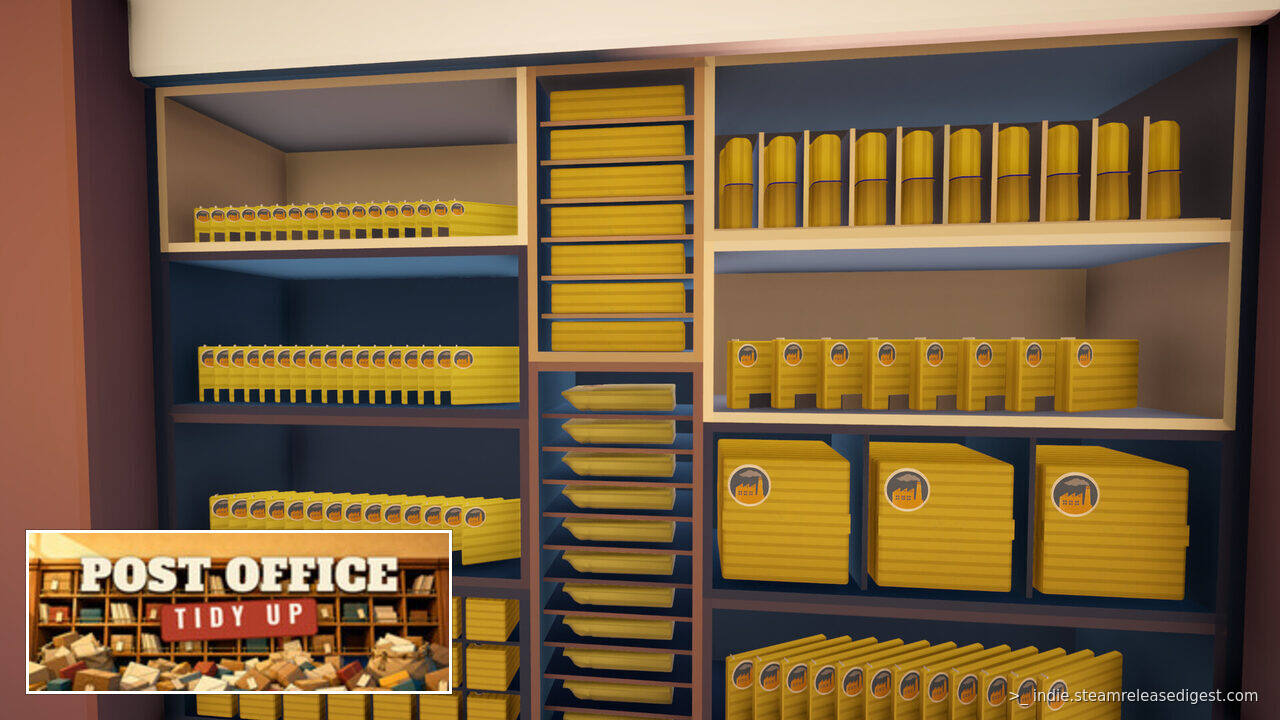
    The fundamental loop is disarmingly simple. You approach the mess, pick up a parcel, inspect its markings, and lug it to its designated cabinet. Finding the right slot relies on a three-tier visual taxonomy: color dictates which of the six district wings you need to visit, a town crest pinpoints one of 24 specific towns, and the physical shape of the parcel determines which cabinet module it belongs to. When you align with the correct slot, the package snaps into place with a satisfying click, turning its label toward the aisle and slowly reclaiming the concrete floor beneath your feet.

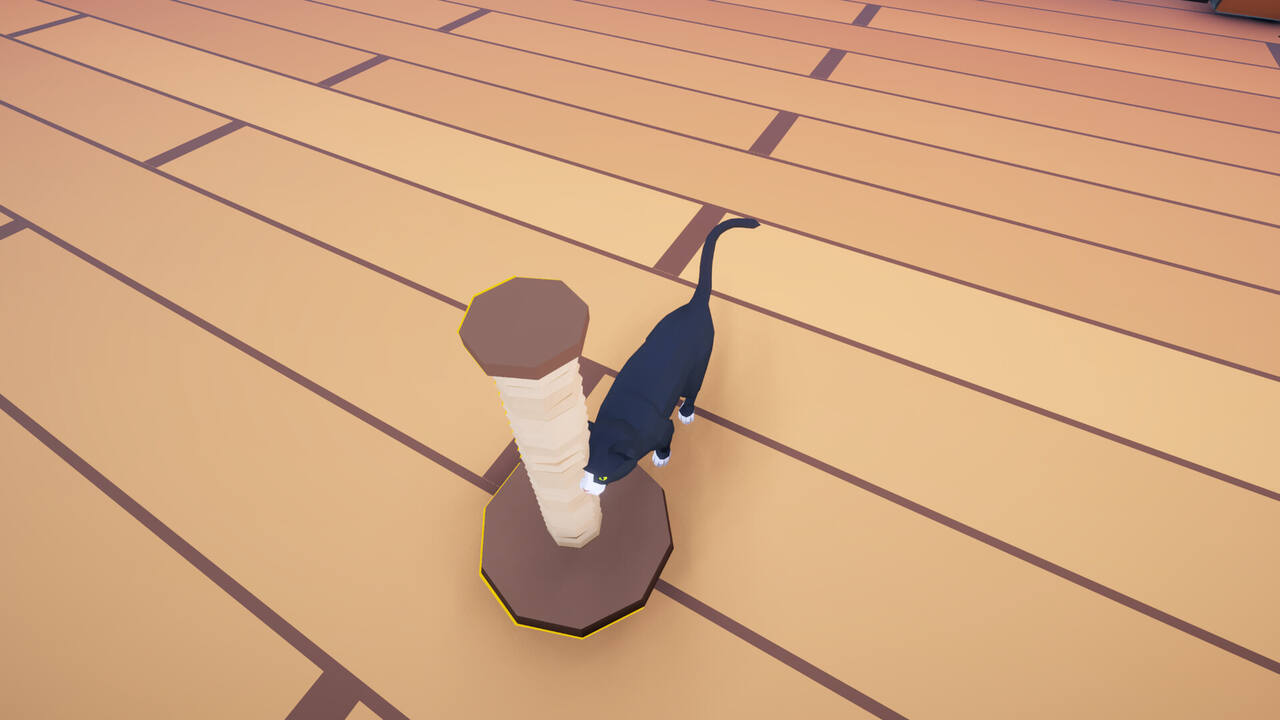
    Where the game finds its unique identity is in how it treats your labor. Every filled shelf earns you points to spend at an upgrade kiosk, completely altering how you navigate the workplace. Early on, you are limited by a tight inventory and painfully slow foot traffic. Invest those hard-earned points, however, and the experience transforms. You unlock the ability to make matching parcels glow and rise out of piles, highlight target cabinets straight through solid walls, yank mail into your hands from across the hall, and even throw boxes across the room to let them automatically shelve themselves on impact. Along the way, the drab hall subtly changes: vegetation grows in the corners, 25 hidden postcard fragments reveal a larger picture, and the resident post office cat steadily acquires cozy new accessories as you work.

    Post Office: Tidy Up gameplay screenshot
    Image courtesy of Tas Simple Games via Steam

    With an 85% positive rating on Steam, it is clear that players looking for a long, zen-like binging session have found plenty to love here. Reviews repeatedly highlight the deeply satisfying, almost obsessive nature of watching chaos collapse into immaculate order. Players praise the game’s comfortable controls, easy keybind customization, solid optimization, and soothing musical score. Once you internalize the town crests and module shapes, the game enters a hypnotic rhythmic flow that can easily swallow an entire weekend.

    Yet, Post Office: Tidy Up is far from a flawless delivery, and its mechanical friction points have caused real frustration among reviewers. The most common complaint centers on the default movement speed. Multiple players noted that starting out feels like trudging through wet cement in a suit of heavy armor, turning the initial hour into a tedious crawl until movement upgrades are purchased. For a game focused on clearing a massive warehouse, making the default walk speed so agonizingly slow is a questionable design choice that drives away impatient players before the fun kicks in.

    More troubling are the game’s finicky physics and inventory handling. Players who naturally try to organize their workflow by pre-sorting—throwing full hands of parcels onto the ground to create custom color piles—run headfirst into engine glitches. Dropping multiple packages often results in items clipping straight through the floor geometry or abruptly resetting to randomized locations across the map. When letters vanish under the floorboards, the cozy, relaxing vibe briefly gives way to pure exasperation. Additionally, distinguishing between parcel shapes can get tedious, as sorting through minor variations like long envelopes versus short envelopes in each wing lacks visual punch.

    Ultimately, Post Office: Tidy Up is built for patient cozy-game completionists and cleaning-sim enthusiasts who prioritize long-term progression over flawless physics. If you can tolerate a sluggish first hour and resist the urge to dump items onto the floor, there is a charming, deeply engrossing sorting sim waiting beneath the clutter.

    Key Facts

    • Developer: Tas Simple Games
    • Publisher: Tas Simple Games
    • Release Date: Sep 24, 2026
    • Price: $5.49
  • Escape Her: When Unpaid High School Debts Turn Into Survival Horror

    Escape Her: When Unpaid High School Debts Turn Into Survival Horror

    “A short horror game mainly scared of women chasing after you.” That brief, single-sentence Steam review captures Escape Her with surprising accuracy. There are no eldritch abominations, haunted VHS tapes, or cosmic monsters lurking in these hallways—just an intensely enraged high school senpai who wants her borrowed money back, and a protagonist who made the mistake of taking a nap in the library.

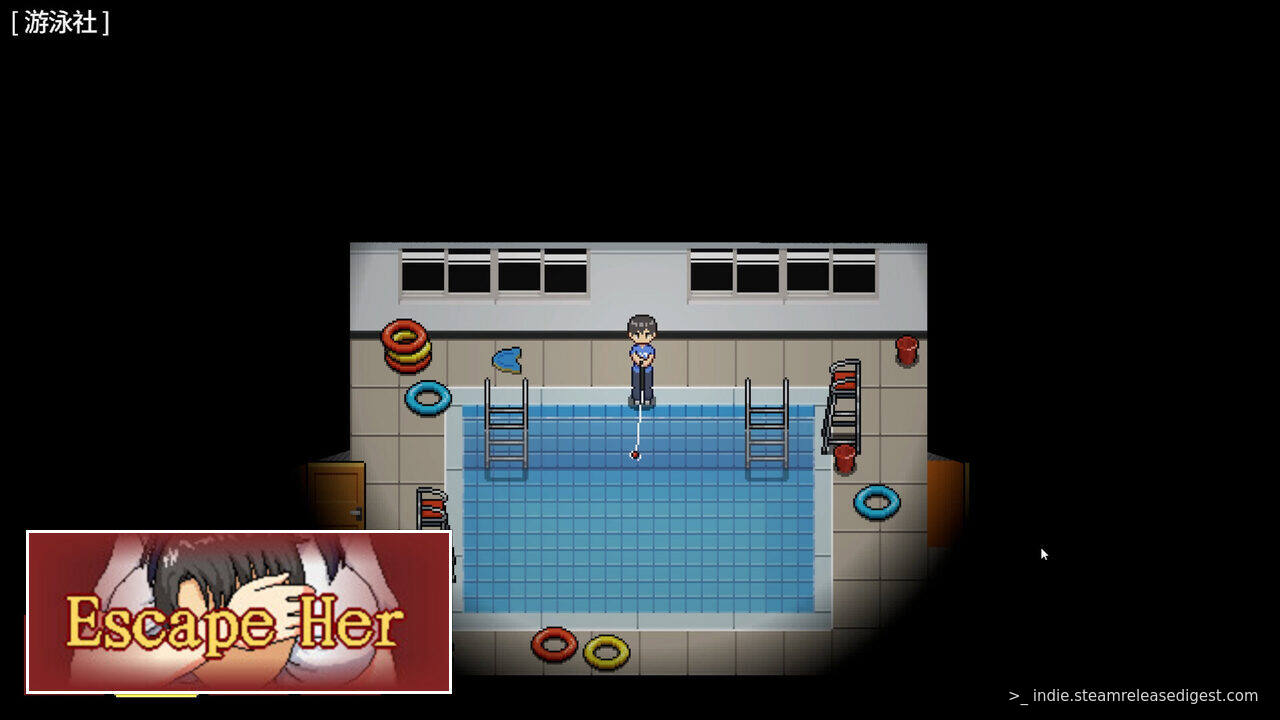
    Developed and published by solo creator BUstation, Escape Her takes an everyday high school blunder—missing a promised deadline to return pocket money—and stretches it into a lighthearted, top-down stealth puzzle escape game. Your situation escalates quickly. After nodding off over a book, you awaken to find yourself pursued through the quiet library aisles. Getting out of the library, however, is only the warm-up. Once you reach the main club building, your senpai is waiting, thoroughly out of patience and ready to give you a thorough thrashing. To get away cleanly, you have to navigate the building floor by floor, search for key items, solve lock codes, and evade her line of sight.

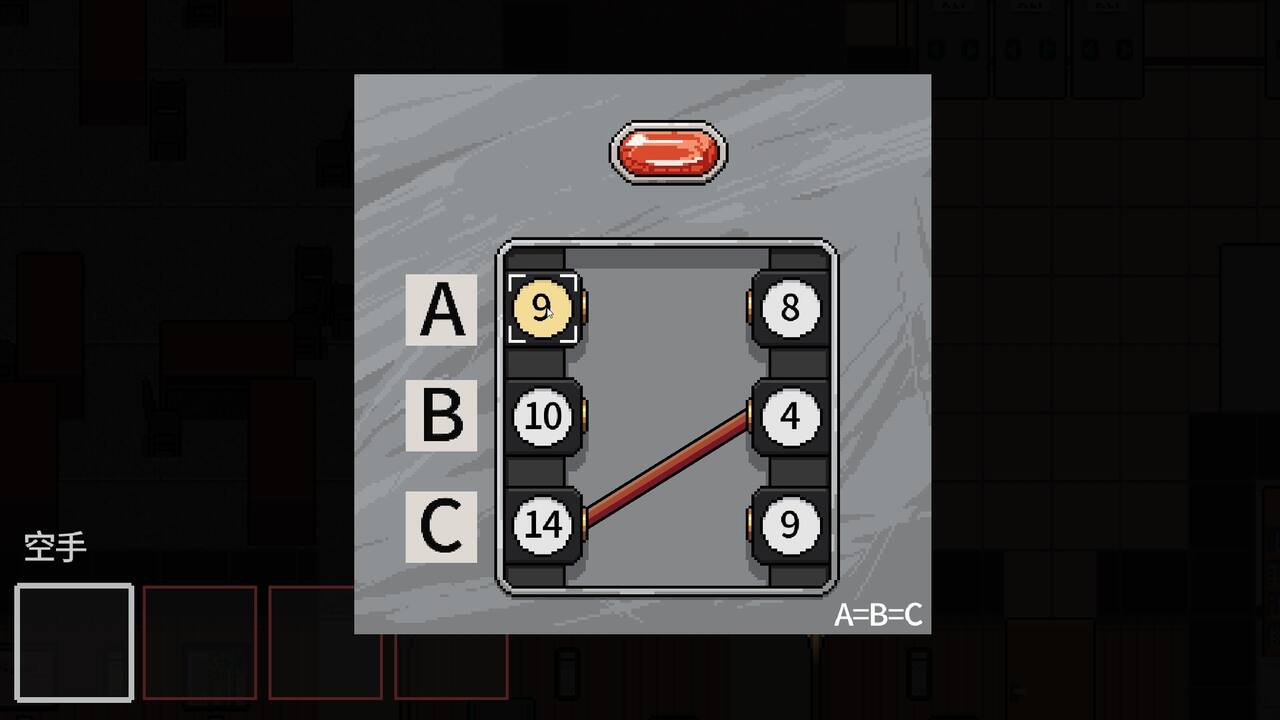
    The core gameplay relies on classic point-and-click style environmental puzzles blended with active avoidance mechanics. You inspect classrooms, check desks, and search for passwords to open locked doors while managing the constant threat of being spotted. To keep subsequent runs from feeling purely mechanical, BUstation added a few dynamic mechanics: item spawn locations rotate between games, and puzzle solutions like numeric passcodes change on new attempts. Combined with multiple escape routes that branch off into different endings, these randomized elements push you to actually adapt your route rather than relying entirely on muscle memory.

    Escape Her gameplay screenshot
    Image courtesy of BUstation via Steam

    What makes Escape Her distinct is how it handles failure. Being caught isn’t just a simple game-over screen; it serves as the unlocking mechanism for the game’s illustration gallery. Different zones across the map feature distinct capture illustrations, and certain CGs require specific playthrough conditions to unlock. While the setup leans into comedic anime tropes, the developer notes that all gallery content remains strictly all-ages, keeping the experience focused on slapstick panic rather than gratuitous fan service.

    Player sentiment reflects a project that understands its own boundaries. With a 100% positive rating across its early reviews, players praise it as an entertaining, bite-sized experience that respects both your time and wallet. Clocking in at roughly one hour for a standard run, nobody is mistaking this for a massive RPG epic, nor does it try to pose as one. The scope is modest, the visuals are simple, and the mechanics are straightforward. Its small scale works to its advantage: at a $2.99 price point, any rough edges inherent to a solo indie release are easy to brush off, and the quick loop makes hunting down every ending and gallery image an easy afternoon project.

    Escape Her is built for players who appreciate compact, high-concept indie games, top-down puzzle adventures, or the comedic tension of classic RPG Maker chase scenarios. If you have an hour to spare, enjoy uncovering alternative endings, or just want to experience the specific panic of dodging an angry classmate across a multi-story building, this budget micro-indie delivers exactly what it promises on the tin.

    Key Facts

    • Developer: BUstation
    • Publisher: BUstation
    • Release Date: May 22, 2026
    • Price: $2.99
  • Protocol 86: Chernobyl: Command-Line Survival in a Forgotten Soviet Vault

    Protocol 86: Chernobyl: Command-Line Survival in a Forgotten Soviet Vault

    There are no checkpoints or mid-run saves deep within the concrete corridors of Facility TROYKA. When a lethal radioactive threat—or the terrifying entity players have dubbed the “radioactive woman”—catches up to you in the dark, the screen cuts, and you are sent straight back to the blinking prompt of a fresh command terminal.

    That stark, uncompromising loop is at the heart of Protocol 86: Chernobyl, a terminal-driven puzzle-horror title from developer Core Interactive. Set in November 1991 during the chaotic final days of the Soviet Union, the game strands you inside a secret subterranean research bunker built in the wake of the 1986 disaster. As red alarm logs flood the system and gunfire echoes through the concrete walls above, your only lifeline is an old Soviet terminal interface. To survive, you must navigate procedurally shifting underground sectors, decipher restricted system files, and find a path to the surface before you are buried along with the regime’s secrets.

    Surviving by the Command Line

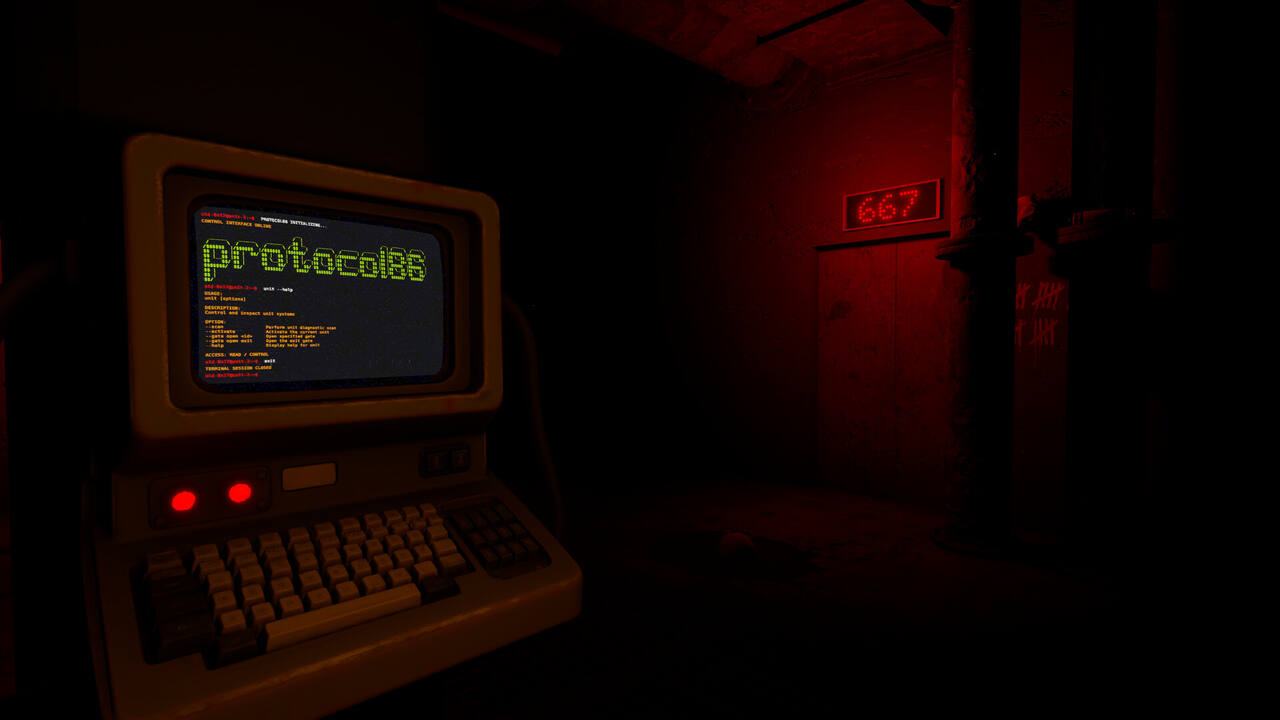
    Instead of controlling a physical avatar from a standard first-person camera, Protocol 86: Chernobyl confines your entire view to the glow of a green-and-black monitor screen. Your interaction with the bunker happens exclusively through line-by-line keyboard input. As the game’s opening prompt instructs, you type help to display your available directory tools and system commands.

    The core gameplay requires you to methodically explore system directories, parsing four distinct file types to uncover navigation routes and security codes: text logs (.txt), system images (.png), raw audio recordings (.wav), and hidden encrypted data nodes (.secret). To keep the command-line mechanics from feeling like a tedious typing test, the developer included an autofill button that speeds up parameter entry without stripping away the tactile feel of operating a vintage operating system.

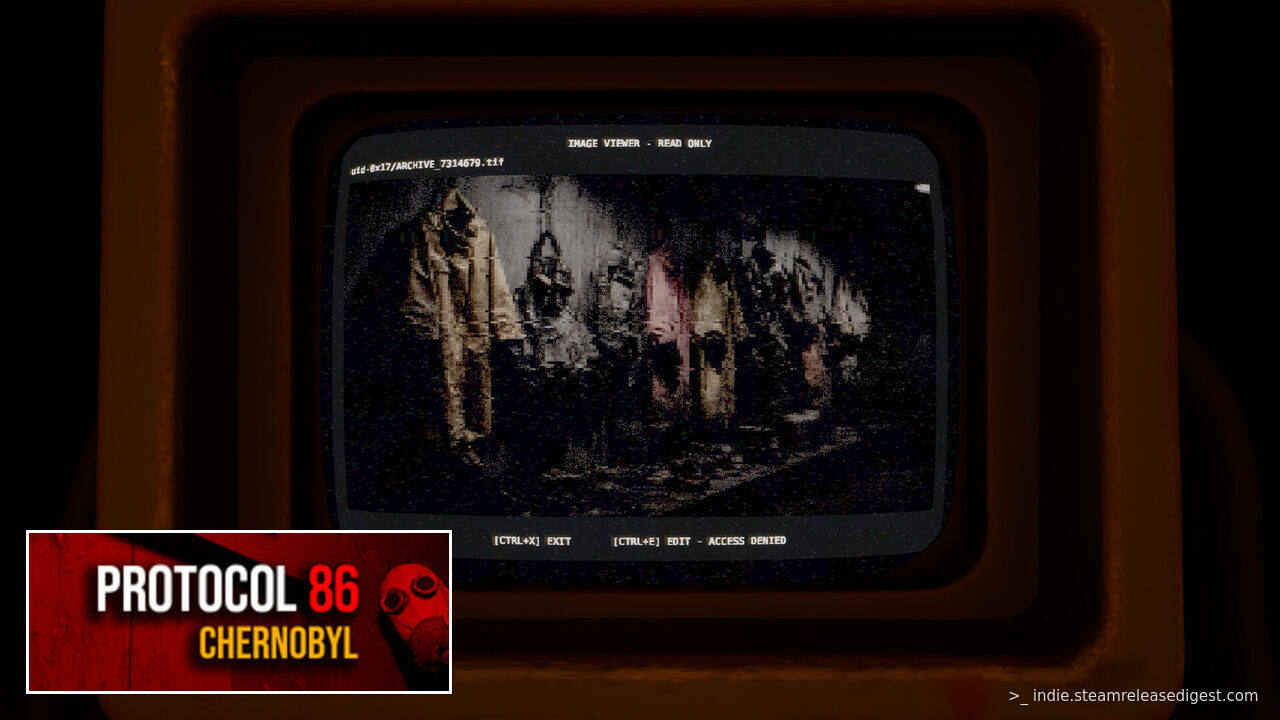
    Protocol 86: Chernobyl gameplay screenshot
    Image courtesy of Core Interactive via Steam

    What gives the experience its eerie texture is its soundscape and atmosphere. Authentic Russian voice acting fills the audio logs and security intercepts, accompanied by the constant, nervous crackle of radiation behind the bunker walls and the rhythmic thump of approaching footsteps. Puzzles require actual logic and cross-referencing—you’ll read timestamped logs from panicking facility staff, track environmental hazards, and analyze system errors to unlock doors and keep the terminal powered.

    What Players Are Saying

    Holding an 88% positive rating from its early player base, Protocol 86: Chernobyl has earned warm praise from fans of niche, atmospheric horror. Players consistently highlight the Linux-style terminal as the game’s strongest feature, celebrating the fact that it forces you to actually learn and execute terminal commands rather than just clicking through disguised menu trees. The puzzle difficulty hits a satisfying middle ground: challenging enough to force a genuine pause for thought, but grounded logically within the world’s fiction.

    The atmosphere also receives high marks, particularly the Russian voice work, which lends the underground facility a believable Cold War weight. A standard successful run takes roughly 3.5 hours, though players report that procedural elements and missable secret files leave plenty of hidden lore and achievements behind for subsequent attempts.

    However, the game’s unforgiving structure is a major point of player friction. The total absence of a save system means a single mistake sends you back to square one. Dying repeatedly to roaming hazards after spending hours carefully navigating complex file systems can feel deeply frustrating. If a sudden surge of radiation or a roaming entity catches you near the end of a run, you have no choice but to start the entire terminal session over from scratch.

    The Verdict

    Protocol 86: Chernobyl is a tight, atmospheric, and delightfully retro exercise in command-line dread. It eschews modern action tropes in favor of quiet deduction, tense audio monitoring, and authentic Soviet Gothic mystery.

    If you enjoy investigative puzzle-solving, tactile text-based interfaces, and don’t mind a brutal permadeath structure that demands a flawless run, this is easily worth a look. Just be prepared to back up your mental notes—because when the terminal goes dark in Facility TROYKA, nobody is coming to save your progress.

    Key Facts

    • Developer: Core Interactive
    • Publisher: Core Interactive
    • Release Date: Sep 24, 2026
    • Price: $6.99
  • CODEX MORTIS: Opening Booster Packs in a Dark Magic Bullet Hell

    CODEX MORTIS: Opening Booster Packs in a Dark Magic Bullet Hell

    One player calls CODEX MORTIS a straight-up “better game than Vampire Survivors,” while another warns that late-game bosses turn into fifteen-minute kiting sessions through a screen full of red and violet lasers while your sluggish AI companions walk directly into the fire. Both takes capture the exact balance of GROLAF’s budget-priced horde shooter: it is an ambitious, rough-edged blend of deckbuilding and necromantic bullet hell that hits high notes when its spell synergies line up, even as it occasionally struggles under the weight of its own visual chaos.

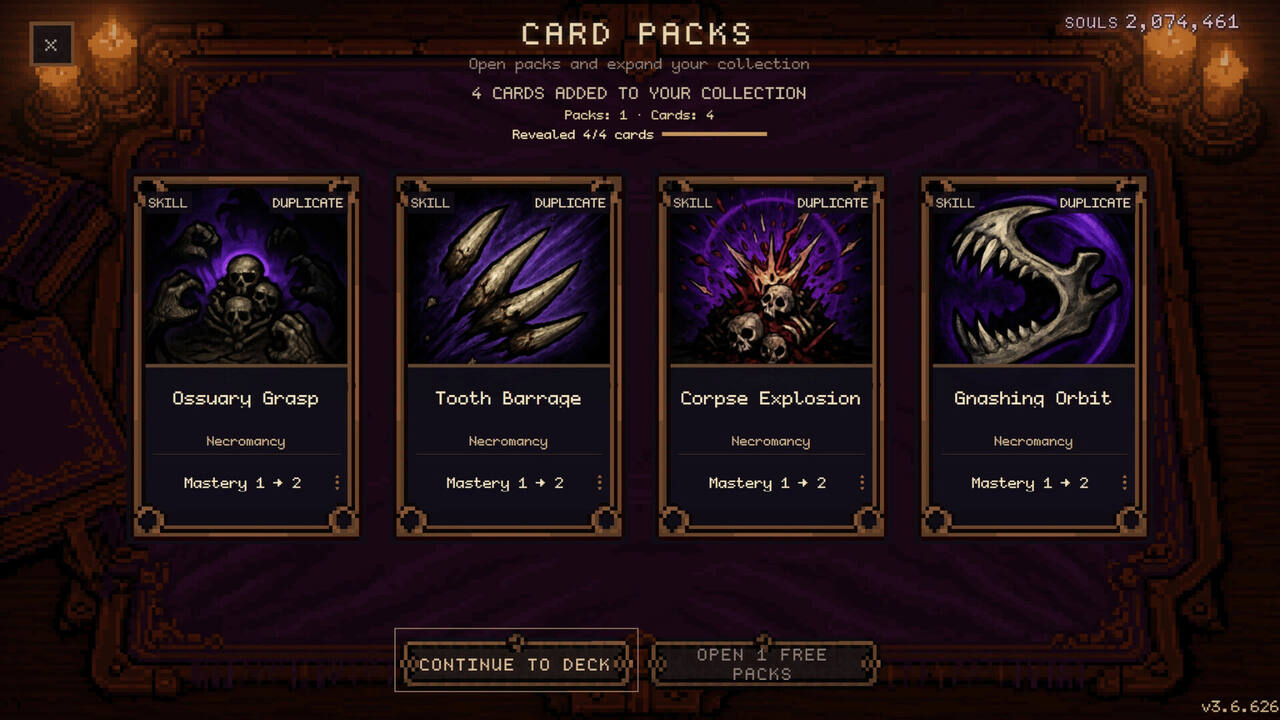
    At its core, CODEX MORTIS treats player abilities like a collectible card game. Instead of relying purely on mid-run randomized level-up choices, your toolkit is determined before you step onto the battlefield. You build a custom deck from your collection of unlocked spells and take that exact loadout into one of fourteen cursed levels. Slay enough undead, survive the run, and you earn points used to buy digital booster packs. Ripping open these packs expands your permanent pool of cards, unlocking entirely new spell archetypes and deck synergies for future attempts.

    The variety of builds comes from its ten distinct schools of dark magic, spanning 200 individual spells. A Necromancy and Summoning deck fills the screen with bone golems and skeletal armies that soak damage while you trigger corpse explosions from the backline. A Blood Magic build forces you to pay for raw spell power with your own health pool, while Death Knight cards lean into spectral armor and close-quarters scythe work. Layered on top of these schools is a mutation system: attaching mutations to your spells alters their fundamental behavior. A mutated bone spear might travel in an unconventional flight pattern, while a mutated summon reshapes the summoned creature into an entirely different class of undead.

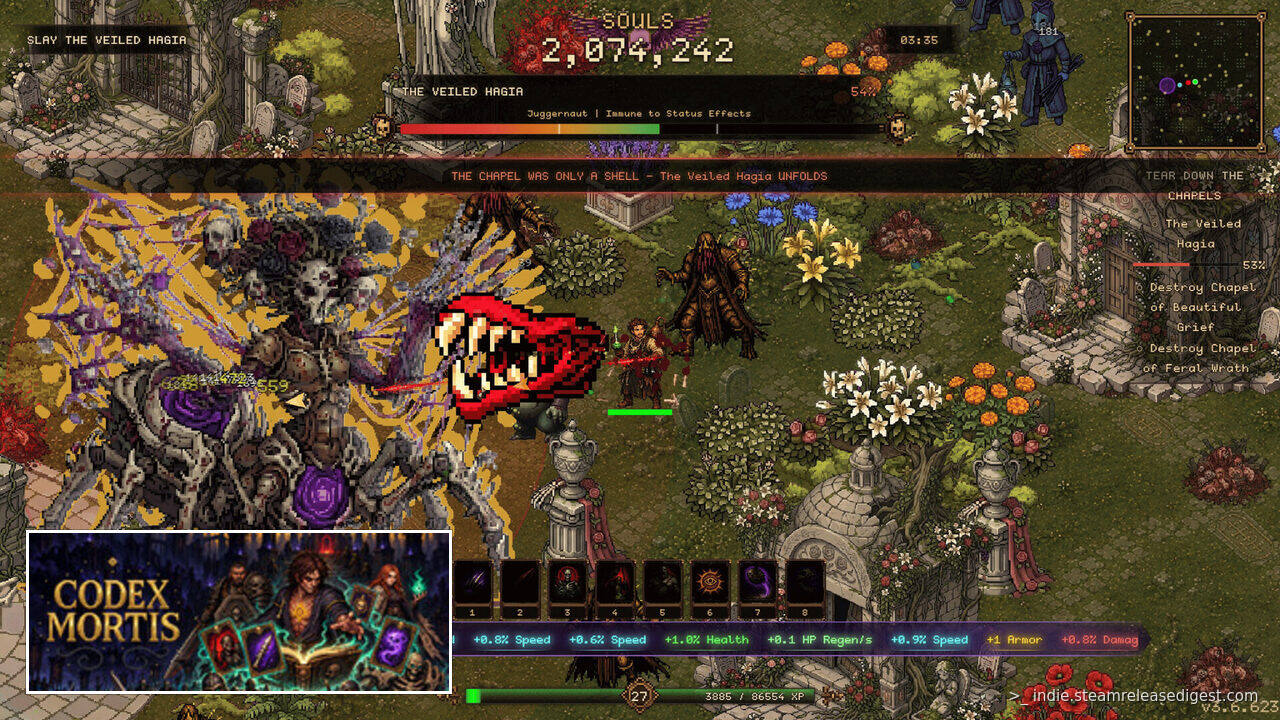
    CODEX MORTIS gameplay screenshot
    Image courtesy of GROLAF via Steam

    Player reviews reflect a community that genuinely enjoys the core mechanical mashup, though no one is blind to its rougher edges. Currently holding an 82% positive rating on Steam, the game earns praise for its audio-visual presentation, distinct dark-fantasy vibe, and the addictive dopamine hit of buying booster packs to refine a build. The developers have also shown responsiveness to player feedback; when a controversial update disrupted the flow of gameplay, the team promptly reverted the changes, drawing immediate appreciation from dedicated players who were eager to dive back in.

    However, the game’s budget nature shows in its balancing and technical polish. As screen effects multiply during intense runs, frame rates can tank, and the current build lacks granular graphics options to dial down particle effects. Meta-progression moves at a lightning pace—some players report exhausting the main progression tree in roughly three hours. Later mission bosses can turn into massive “bullet sponges” where strategy gives way to circling an arena for a quarter of an hour. If you play solo with AI companions, those bot teammates often lag a few paces behind your movement, regularly pathing straight into lethal boss laser sweeps.

    CODEX MORTIS is built for bullet-hell enthusiasts and deckbuilding nerds who love chasing absurd character synergies and do not mind a bit of indie un-polish. If you have a group of friends for local split-screen or four-player online co-op, the collective spell chaos masks many of the single-player AI quirks. At a $3.99 price point, it offers a fresh, deck-driven twist on the horde-survival formula that is well worth a look—provided you go in expecting a raw gem rather than a pristine masterpiece.

    Key Facts

    • Developer: GROLAF
    • Publisher: CRUNCHFEST
    • Release Date: Sep 24, 2026
    • Price: $3.99
  • Palm Simulator 2: The Serene Art of Absolute Motionlessness

    Palm Simulator 2: The Serene Art of Absolute Motionlessness

    Night falls on the digital beach, turning your entire screen into an abyss of solid black. For a terrifying minute, you might suspect the executable has given up the ghost and frozen your desktop. Then comes a single, reassuring audio cue: the subtle, rhythmic rustle of palm fronds brushing against each other in an unseen ocean breeze. The software hasn’t crashed; you are simply living through the midnight hours as a stationary palm tree, staring blindly into the darkness while remaining firmly rooted in the sand.

    Living the Vegetative Life

    Dynamic Games’ Palm Simulator 2 is a sequel that strips away almost every traditional pillar of video game design—combat, movement, quest markers, and branching dialogue—and replaces them with pure, unadulterated tropical existence. Selling for under a dollar, this indie title offers a meditative sandbox where your sole objective is to stand still and absorb the atmosphere. You inhabit a sandy coastline alongside fellow palms, listening to the tide wash against the shore while watching the sun rise and set across a surprisingly colorful horizon.

    Building on the foundation of its predecessor, the game introduces a handful of surprisingly specific features. There are five playable characters—each representing a distinct palm tree model—and a fresh map rendered with crisp visual effects and dynamic day-and-night cycles. Players can toggle between two distinct game modes: realistic and arcade. Yet, regardless of the mode you choose or the simple control scheme you fiddle with, the fundamental loop remains fiercely faithful to its core premise. You sway gently in the wind, watch the shifting sunlight filter through your leaves, and perform the primary action common to all coastal flora: remaining precisely where you were planted.

    Palm Simulator 2 gameplay screenshot
    Image courtesy of Dynamic Games via Steam

    What the Forest of Players Is Saying

    Despite—or perhaps because of—its complete refusal to offer active gameplay, the title boasts a pristine 100% positive rating across its Steam reviews. The player base has embraced the game’s zen-like minimalism with open arms, turning its lack of mechanics into a collective movement. Reviewers frequently describe the experience as an unexpected antidote to modern burnout, celebrating the total absence of decision-making, skill trees, and financial stress. For many, becoming a digital root system is a welcomed escape from the weight of free will, mounting bills, and daily obligations.

    That enthusiasm is matched by an absurd level of dedication in player playtimes. Steam records show users sinking tens, hundreds, and in extreme cases over seven hundred hours into keeping the client running. While much of this logged time serves as ironical community performance art, the affection feels genuine. Players praise the surprisingly decent visual presentation, the relaxing ambient soundscape, and even note practical details like rock-solid Linux performance via Proton. The general consensus frames the game as a genuine therapeutic ritual, where success is measured purely in peace of mind.

    At the same time, players are delightfully candid about the game’s inherent limitations. As a simulator committed to realistic plant behavior, your interactable options are practically nonexistent. You will spend extended stretches of time staring at the exact same patch of ocean scenery while achieving absolutely nothing. The pitch-black darkness during the night cycle can test your patience, relying entirely on leaf rustles to convince you the game is still functioning. It sits firmly alongside ultra-minimalist joke games like Nothing, striding the fine line between an interactive screensaver and a conceptual comedy piece.

    The Verdict

    Palm Simulator 2 makes no false promises. It is a straightforward, ninety-nine-cent digital sculpture that invites you to log off mentally while keeping a tiny piece of virtual paradise running on your monitor. If you require mechanical depth, character arcs, or active momentum, this is undeniably not for you. But if you value deadpan indie humor, need a soothing background distraction during long work hours, or simply want to branch out and leaf your worries behind, this strange little artifact delivers exactly the quiet motionlessness it advertises.

    Key Facts

    • Developer: Dynamic Games
    • Publisher: Dynamic Games
    • Release Date: Sep 24, 2026
    • Price: $0.99
  • Puzzle Art: A Low-Stress Jigsaw Haven Powered by Celtic Lo-Fi

    Puzzle Art: A Low-Stress Jigsaw Haven Powered by Celtic Lo-Fi

    Puzzle Art makes no grand promises beyond forty-five high-definition illustrations, three themed galleries, and a dedicated suite of ambient Celtic soundtracks. At $3.99, developer Forsu Soft has built a casual jigsaw puzzler targeted squarely at the unhurried unwind session—the kind of quiet gaming where the primary goal is watching digital art pieces snap cleanly into place while soothing music plays in the background.

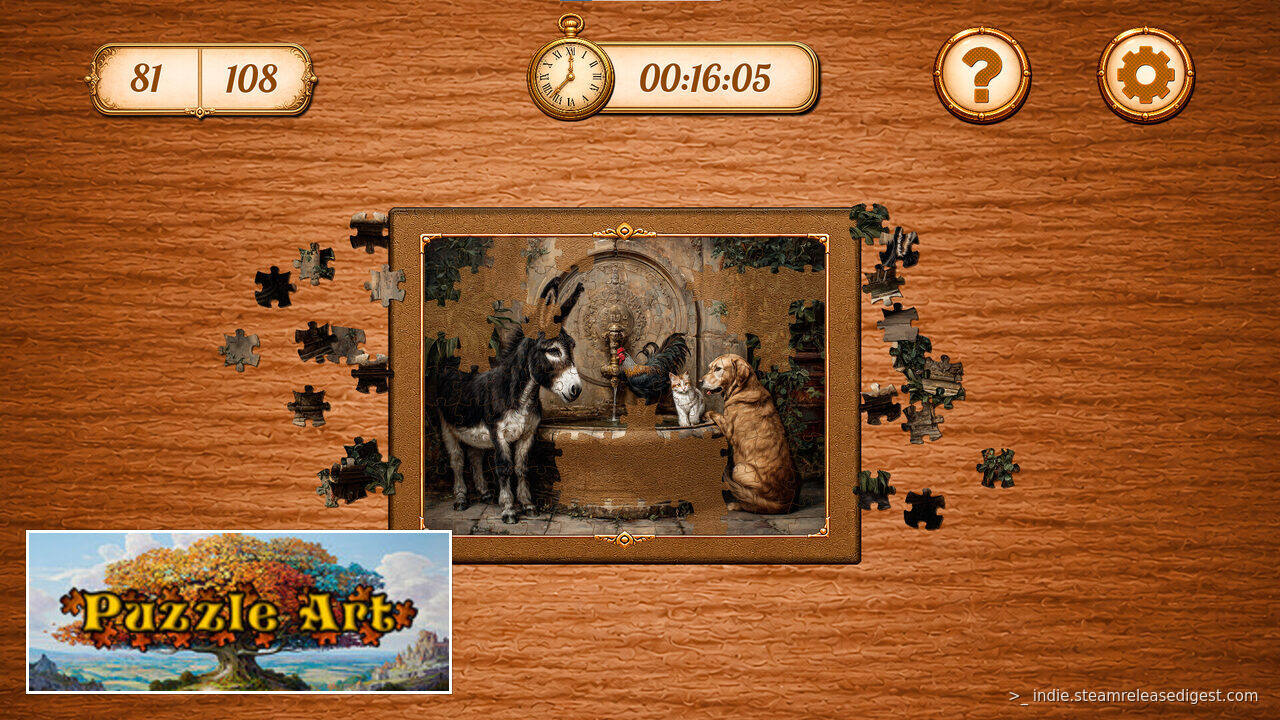
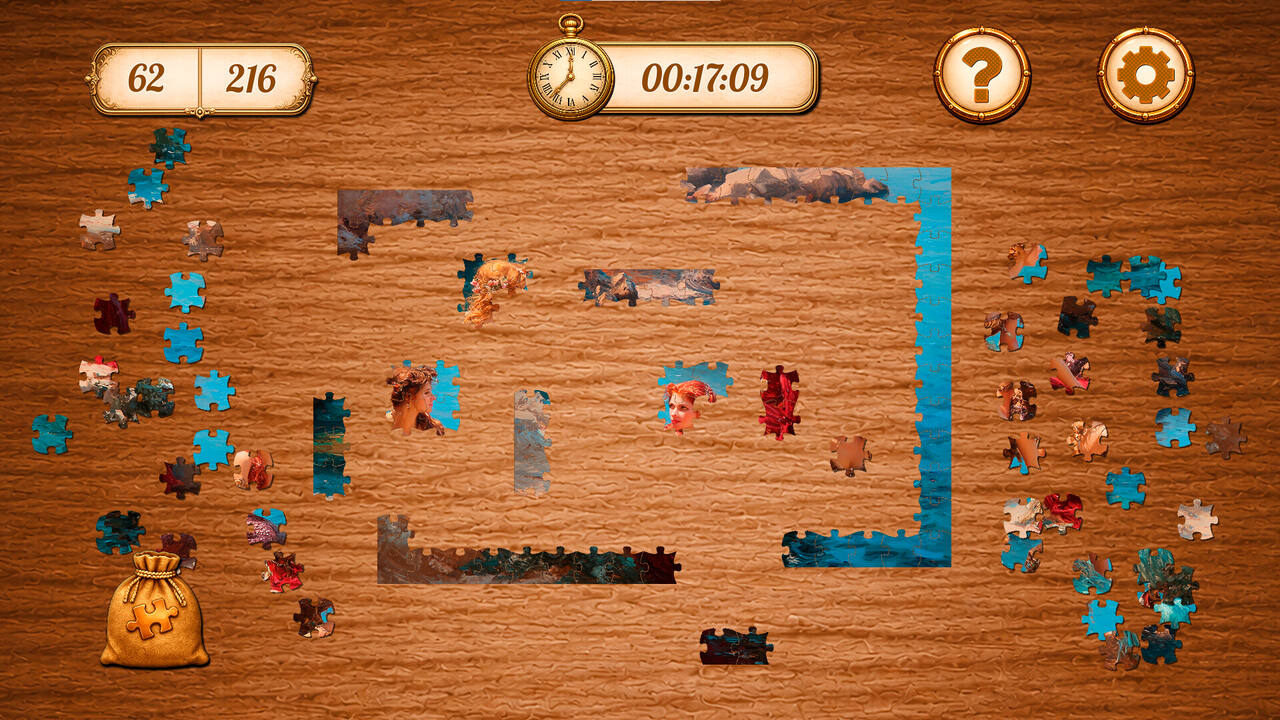
    The core gameplay framework embraces traditional, frictionless mechanical purity. Upon starting, you are presented with three distinct art galleries: Animals (featuring wildlife and pets), Tales (focused on magical stories and folklore), and Mythology. The game refrains from forcing a strict linear path upon you. Only the first puzzle in each gallery is unlocked at the start. Completing a puzzle awards you a key, which acts as a flexible currency to unlock any remaining illustration in any gallery within that difficulty tier. It is an accommodating progression system that lets you follow your aesthetic preference rather than a rigid level-select list.

    Puzzle Art gameplay screenshot
    Image courtesy of Forsu Soft via Steam

    Scaling difficulty is handled by altering piece counts and tile mechanics across Easy, Medium, and Hard modes. On Easy, puzzles kick off with accessible, low-piece counts—such as ten pieces—allowing for fast, satisfying solves that take only a few minutes. Moving up to Hard increases spatial complexity, requiring more meticulous visual sorting and attention to subtle line work. However, buyers should note that the visual library relies on image repetition across these tiers. Rather than offering entirely new illustrations as you move up in difficulty, the game presents the same forty-five core artworks under tighter, more intricate puzzle cuts.

    Where Puzzle Art visually aligns with standard jigsaw titles, its atmosphere is distinctly elevated by its audio options. Rather than looping a single, repetitive track, the game includes a dedicated playlist selector featuring Default (Celtic Ambient), Celtic Type Beat, and Celtic Lo-Fi. This specific musical focus gives the experience an unusually cozy texture, transforming a simple tile-matching exercise into a rhythmic, low-stress sanctuary. Supplementary features—including custom volume controls, narrated game menus, stereo sound support, and a toggleable timer—further ensure that players can tailor the pacing to match their personal comfort level.

    The player feedback recorded so far reflects a clean hit on its target audience. Reviews praise the smooth, responsive tile-snapping and highlight the Celtic music options as a standout feature for thirty-to-sixty-minute relaxation breaks. The main friction point for prospective buyers will simply be the game’s deliberate scope. It does not attempt to reinvent the jigsaw mechanics with power-ups or wild visual distortions, and its image pool is finite. It is a traditional digital puzzle board, executed with a clean interface and zero intrusive pressure.

    Puzzle Art is built specifically for players seeking low-stakes comfort food on Steam. If you are looking for dynamic puzzle mechanics or an endless array of unique images, its modest scale may feel restrictive. But if you value an affordable, calm space to assemble lovely art while listening to chill lo-fi beats at your own pace, this quiet release is well worth a look.

    Key Facts

    • Developer: Forsu Soft
    • Publisher: Forsu Soft
    • Release Date: Jun 23, 2026
    • Price: $3.99
  • All Roads Connected: The Quiet Joy of Building a World Without the War

    All Roads Connected: The Quiet Joy of Building a World Without the War

    One player described Dushman Gaming Studio’s post-apocalyptic strategy title as feeling “kind of like Stronghold in peaceful mode.” That comparison hits on the exact appeal of All Roads Connected. Generations after an unnamed catastrophe drove humanity underground into shelters, the surface world has finally healed itself. You step back out onto the untamed earth not to shoot mutant hordes or hoard ammo, but to lay down farm plots, construct timber mills, and quietly link far-flung settlements across an infinite horizon.

    Building Supply Chains Across an Endless Frontier

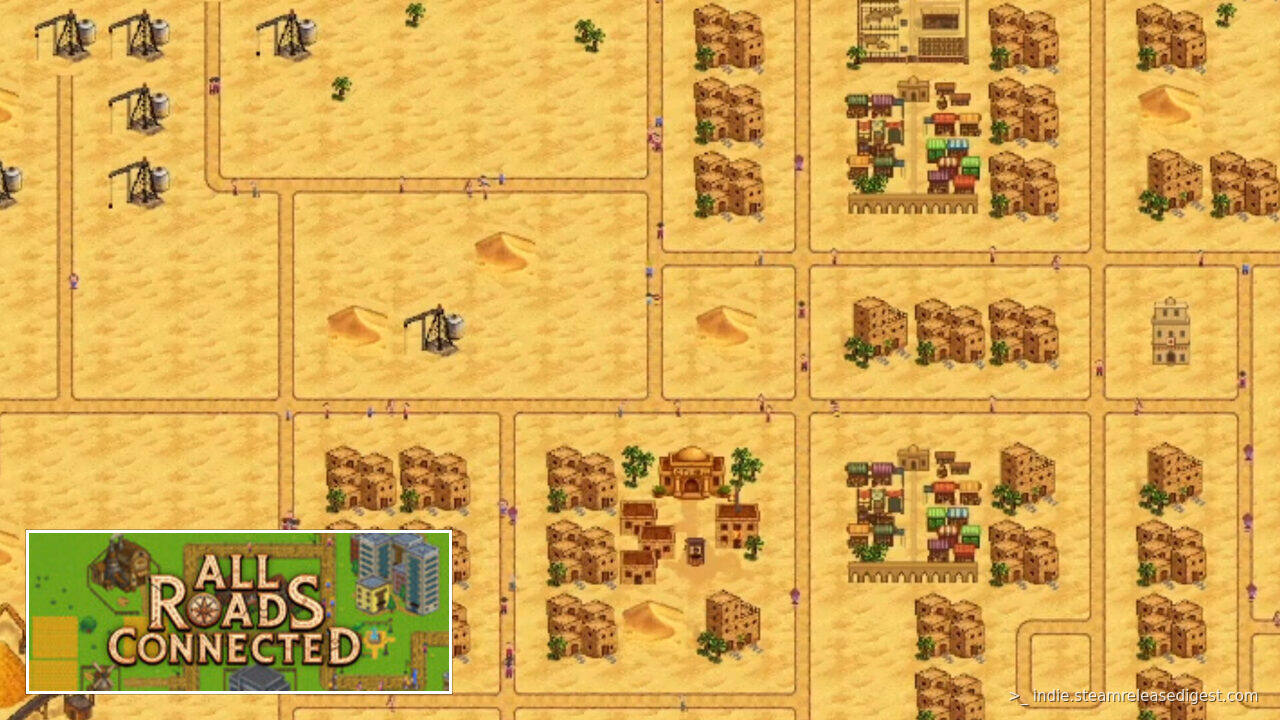
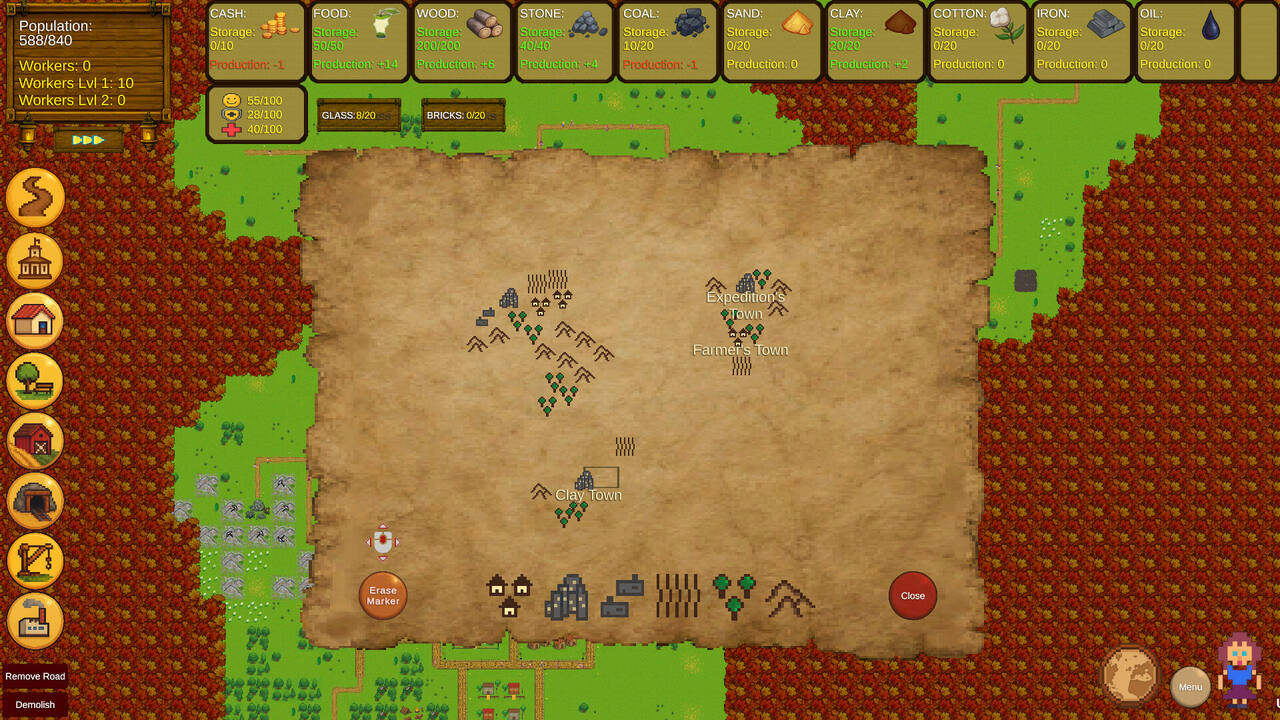
    At its core, All Roads Connected is a gentle, logistics-driven city builder built on an endless, randomly generated grid. You start small with basic survival infrastructure, guided by a clear tutorial that introduces core tile placement mechanics. Every single tile matters: placing a farm on fertile dirt yields higher harvests, while sinking a shaft into a mountain node maximizes ore output. Spreading your reach isn’t just about painting the map in your faction’s colors; it is about recognizing the natural contours of the land and exploiting them efficiently.

    As your solitary village grows into a widespread nation of specialized outposts, the game unlocks its real depth. You move beyond simple wood and stone gathering to orchestrate supply routes for over 20 distinct resources. Trade links must be established to keep specialized settlements stocked, old-world artifacts wait to be uncovered in unexplored sectors, and your industrial footprint expands organically. Because the game requires no timed inputs and includes full camera comfort options alongside mouse-only play, the experience lacks the frantic panic of traditional real-time strategy. You can spend ten minutes tweaking a single supply junction or spend three hours expanding into fresh territory entirely at your own pace.

    All Roads Connected gameplay screenshot
    Image courtesy of Dushman Gaming Studio via Steam

    What Players Love (And the Rough Early Edges)

    Carrying a overwhelmingly positive reception among its early audience, All Roads Connected has struck a strong chord with players looking for a relaxing, cozy sandbox that still offers a meaningful logistical puzzle. Reviewers routinely mention how easy it is to drop into for a quick session, only to look up hours later after getting completely absorbed in resource line optimization. Those who tested the pre-launch demo note that the full release carries that same accessible, pick-up-and-play rhythm while scaling up the complexity smoothly as new industrial tiers are unlocked.

    However, small-scale indie development comes with its share of immediate post-launch turbulence. Player feedback highlights occasional UI missteps during early patches, such as an updated font choice that briefly made game text overly bold and nearly unreadable for some players. While the developer responded rapidly to community complaints and adjusted the typography, it serves as a fair warning that the game’s presentation is still undergoing active refinement. The visuals are functional rather than flashy, and players expecting polished AAA production values might find the menus and interface a bit barebones.

    The Verdict: Who Is This Game For?

    All Roads Connected is designed specifically for city-building enthusiasts who love supply chain management but hate micromanaging military units or fighting off arbitrary disaster timers. If your idea of a great evening is turning off combat in strategy games to watch goods flow smoothly between self-sustaining towns, this $8.99 indie is an easy recommendation. It is an unpretentious, highly satisfying logistical playground that respects your time and lets you rebuild civilization one road at a time.

    Key Facts

    • Developer: Dushman Gaming Studio
    • Publisher: Dushman Gaming Studio
    • Release Date: Sep 24, 2026
    • Price: $8.99