Author: sitemill

  • SeaQuestDungeon: Small Rooms, Heavy Recoil, and the Pursuit of the Perfect Build

    SeaQuestDungeon: Small Rooms, Heavy Recoil, and the Pursuit of the Perfect Build

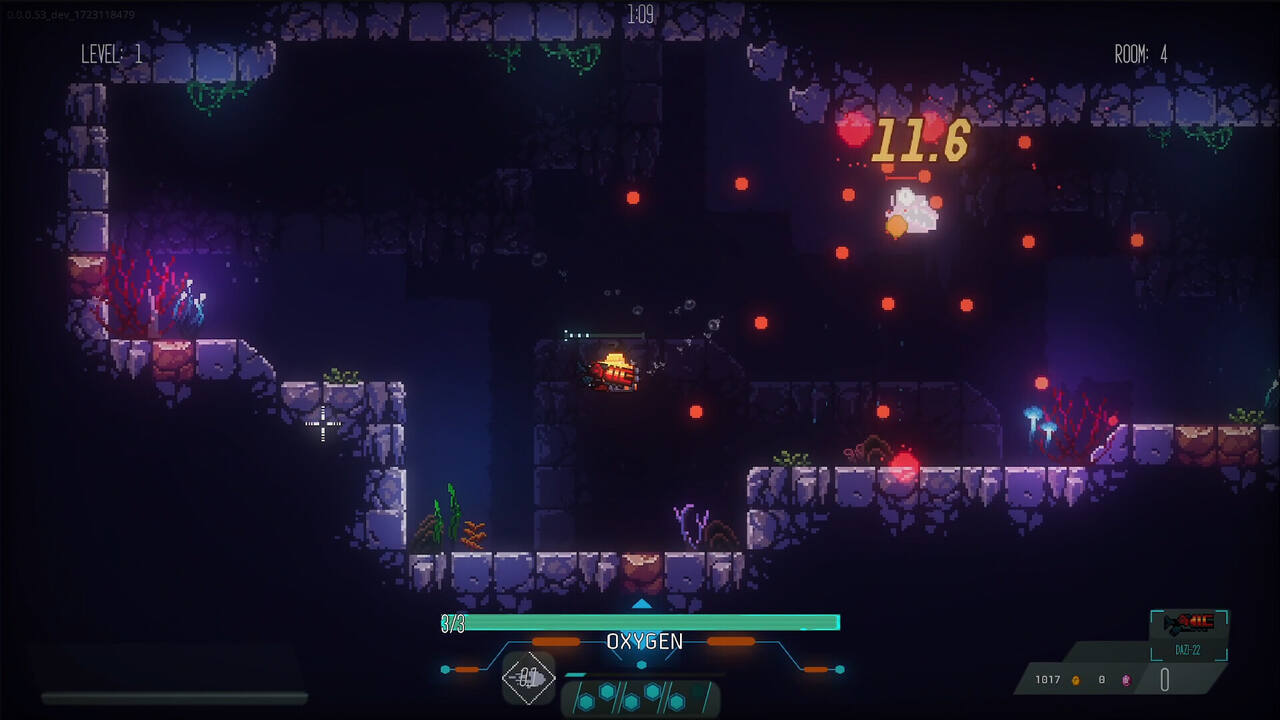
    Your gun’s kickback in SeaQuestDungeon is just as dangerous as the creatures hunting you down. Fire a heavy burst without planning, and the physical momentum will shove your character backward into an oncoming wave of enemies or straight onto a floor trap. Navigating these cramped combat chambers requires mastering a constant physical counterweight: you sprint forward specifically to cancel out your weapon’s recoil, turning what would normally be a defensive dodge into an offensive stabilizing maneuver.

    That tactile mechanical loop sets the rhythm for AlchemistGame’s compact twin-stick shooter. Rather than placing you in sprawling, cavernous mazes, the game confines combat to high-intensity rooms where reaction speed, spatial awareness, and resource budgeting are severely tested. It is a design built around tight physical margins, where weapon range, recoil force, and room geometry collide in every single encounter.

    The Spatial Mechanics of Budgeting and Recoil

    At its heart, SeaQuestDungeon operates as a fast-paced roguelite driven by strict limitations. Each run drops you into a sequence of small arenas with limited resources, forcing you to assemble a viable build on the fly before reaching the boss room. You do not get infinite inventory slots to stack passive upgrades. Because equipment slots are strictly capped, holding onto an early-game prop means passing up on a late-game skill, making every drop an exercise in prioritization.
    SeaQuestDungeon gameplay screenshot
    Image courtesy of AlchemistGame via Steam

    The game’s weapon and skill synergy shines brightest when you are forced to improvise under pressure. Different weapons demand entirely different strengthening paths. A high-recoil shotgun-style weapon forces an aggressive, close-quarters playstyle where sprint timing is paramount to offset pushing yourself into hazard zones. Conversely, a longer-range weapon might keep you safer from monster attacks, but its limited damage output in tight spaces can cause enemies to quickly swarm the room. Props and skills act as the bridge, offering limited upgrades that can either patch a glaring weakness in your current loadout or double down on a high-risk glass-cannon strategy.

    Branching path decisions add an extra layer of strategic tension to the run. Choosing a room with an immediate reward might give you a needed stat boost right now, but passing up a utility room could leave you without the essential props needed to survive higher difficulty tiers down the line. Every choice carries compound interest that makes or breaks your run when you finally step through the boss portal.

    What Players Are Saying

    Player sentiment currently sits at a solid 80% positive, with early reviewers pointing to the game’s addictive moment-to-moment loop and responsive controls. The feedback highlights how satisfying the core movement and shooting feel right out of the gate. For an indie title sitting at a budget $7.99 price point, players appreciate that it hits the ground running without bogging down the action in lengthy tutorials or bloated menu systems.

    The few reservations raised by players focus primarily on its nature as a lightweight foundation. Reviews note that while the core combat loop is undeniably fun and well-constructed, the overall experience feels like a starting block that could grow much larger. Players looking for deep narrative threads or endless meta-progression trees will find a stripped-down, purely mechanical arcade loop instead. It is a game that knows what it wants to be—a lean, tough, quick-fire twin-stick challenge—though some players are naturally eager to see how the developer continues to flesh out its content roadmap in future updates.

    The Verdict

    SeaQuestDungeon is a punchy, sharp twin-stick roguelite that cuts straight to the point. By focusing heavily on physical combat mechanics—like balancing recoil with sprint offsets—and imposing tight constraints on your equipment loadout, it creates a satisfying spatial puzzle inside every arena. If you love arcade-style twin-stick action and enjoy the challenge of making fast, impactful build decisions under pressure, this modest $7.99 title delivers plenty of punch for its price.

    Key Facts

    • Developer: AlchemistGame
    • Publisher: AlchemistGame
    • Release Date: May 12, 2026
    • Price: $7.99
  • Fluffy Arena: Why Poking Bosses with Cute Animals Is a $2 Puzzle Joy

    Fluffy Arena: Why Poking Bosses with Cute Animals Is a $2 Puzzle Joy

    Every time you slide a tile and fuse two tiny critters in Fluffy Arena, you are doing more than just clearing space on a grid — you are poking a boss right in the face. Built on the familiar slide-and-merge foundation popularized by games like 2048, this micro-indie title turns spatial management into a turn-based combat engine. It is a simple concept on paper, but as early player feedback points out, the board gets cramped fast enough to demand real tactical planning out of a casual mechanic.

    The core loop in Fluffy Arena takes place on a classic 4×4 grid. Sliding the board in any direction shifts every unblocked animal tile across the board. When two matching animals collide, they merge into a single higher-tier companion. Where Fluffy Arena differentiates itself from standard math puzzles is in what those merges accomplish: every successful fusion triggers an immediate attack against the stage boss sitting above your grid. Higher-tier animals deliver harder hits, creating a constant tension between settling for small, frequent poke damage or holding out to craft high-value mega-fusions.

    That delicate spatial balance is constantly threatened by the bosses themselves. Rather than serving as passive damage sponges, every enemy brings a unique skill designed to disrupt your board layout. Certain bosses freeze specific tiles in place, locking up precious grid real estate until you can work around the blockage. Others alter the board state or trigger special status effects that force you to pivot your strategy mid-run. Managing space is already the central threat in any tile-merging puzzle; when an enemy actively destroys your maneuverability, a single careless move can clog your grid and terminate a run.

    Fluffy Arena gameplay screenshot
    Image courtesy of Pet Party via Steam

    To balance out the spatial hazards, Fluffy Arena equips players with consumable items and persistent meta-progression. Items purchased during a run act as tactical safety valves — allowing you to clear clogged board space, neutralize an annoying boss skill, or dish out direct burst damage when you need to execute a boss before your grid fills up. Between runs, permanent talent upgrades help streamline future attempts, while a completionist gallery tracks every animal tier you have successfully forged. Players who clear the main lineup of bosses unlock an Endless Mode designed specifically for high-score chasing.

    With a flawless 100% positive rating across its initial Steam reviews, the community consensus highlights how well the game executes its compact pitch. Players love the immediate feedback loop: the 2048-style sliding feels snappy, but adding boss health bars and grid-disrupting hazards gives every swipe genuine stakes. The tight 4×4 grid keeps sessions brief, forcing meaningful decisions within just a few minutes of play.

    Naturally, the game’s modest scale defines its limits. Fluffy Arena is built around a single core puzzle format, meaning the spatial RNG and cramped board bottlenecks that plague 2048-likes are fully present here too. When a bad tile spawn coincides with an aggressive boss freeze effect, defeat can feel sudden. However, at a launch price of $1.99, the game does not pretend to be a sprawling hundred-hour RPG, and players judge it fairly for what it is: an addictive, low-stress coffee-break puzzler.

    Fluffy Arena is tailor-made for players looking for a lightweight, cozy puzzle game to fill quick play sessions or run cleanly on a handheld. If you enjoy tile-shifting mechanics and want a quick-playing hybrid that gives familiar phone-game math an engaging combat twist, this budget puzzle battler is well worth a look.

    Key Facts

    • Developer: Pet Party
    • Publisher: Pet Party
    • Release Date: May 22, 2026
    • Price: $1.99
  • THROUGH TIME·SUMMER OF GIRL PUZZLE: A Cozy, Animated Romance That Delivers Unexpected Polish

    THROUGH TIME·SUMMER OF GIRL PUZZLE: A Cozy, Animated Romance That Delivers Unexpected Polish

    On paper, a $4.99 Steam title blending jigsaw puzzles with anime romance looks like standard digital bargain-bin filler, but launching into its sun-drenched beach scenes reveals a surprisingly thoughtful slice of summer relaxation. What could easily have been a static asset flip instead offers fully animated jigsaws, complete voice acting, and a design philosophy that respects the player’s time above all else.

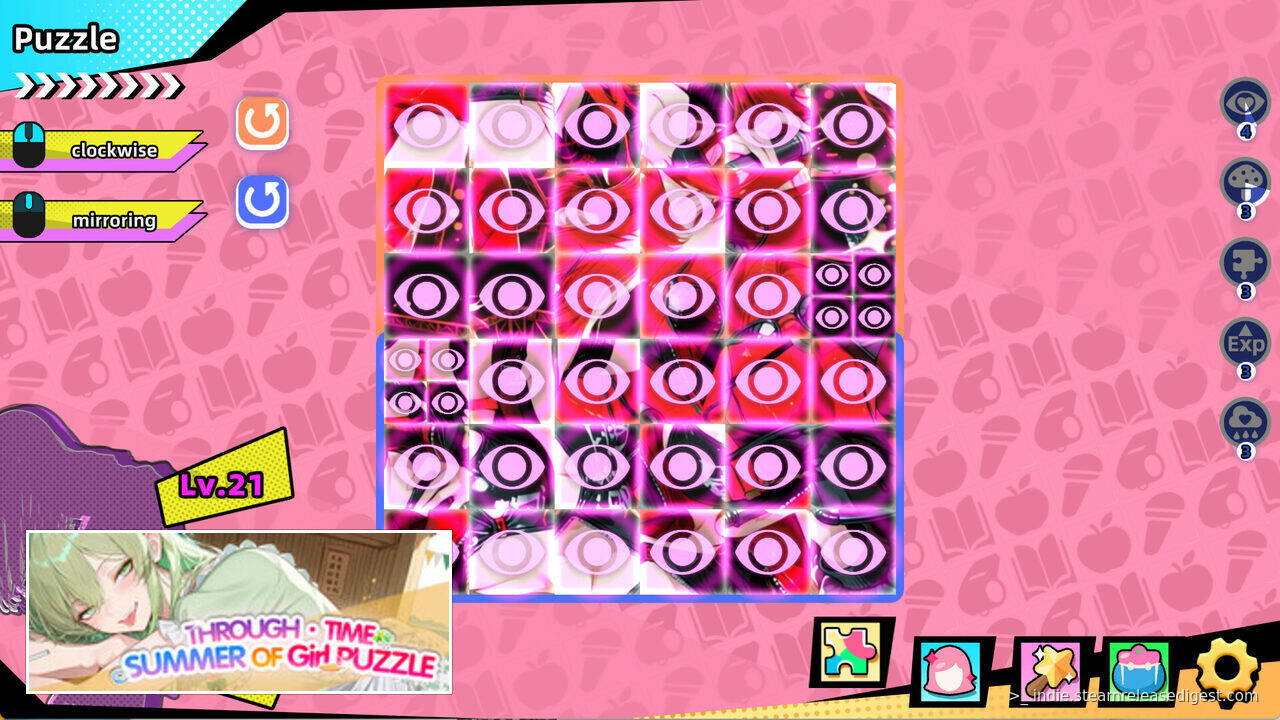
    The core loop combines straightforward tactile puzzle solving with visual novel storytelling. As you spend your summer along the shore, everyday encounters and date snapshots are sliced into jigsaw pieces that you must rotate, organize, and snap together. The difficulty builds at a gentle, unhurried pace, supplemented by active skills that allow you to shuffle, combine, and arrange puzzle pieces when a board gets cluttered. What truly sets the mechanical flow apart, however, is an official secret feature built directly into the puzzle screen: pressing the “A” key instantly auto-completes the active jigsaw. It is an intentional, friction-free quality-of-life inclusion for players who want to bypass the puzzles entirely and focus on the story progression.

    THROUGH TIME·SUMMER OF GIRL PUZZLE gameplay screenshot
    Image courtesy of Pomodoro Lab via Steam

    Reconstructing each image unlocks dialogue scenes and event choices with five distinct heroines, each bringing a different energy to the coastal backdrop. There is Mirei Yamamoto, a 26-year-old vacationer quietly escaping her office job; Sakura Tachibana, a bold red-haired band vocalist; Rin Nanami, a shy seaside girl with bright blue twin braids who loves collecting shells; Aoi Nagisa, a dependable, sun-tanned lifeguard; and Yuzu Shiraishi, a cheerful fruit drink vendor. Choosing how to respond during these conversations alters the tone of your interactions, slowly revealing how each girl feels while unlocking exclusive, fully animated artwork in your gallery.

    With a 98% positive review rating on Steam, player sentiment boils down to appreciating the game for exactly what it claims to be. Community feedback praises the visual polish and full voice acting, with one long-time reviewer neatly summarizing the experience as a “perfect little digital snack.” The game makes no effort to waste your time, offering full mouse-only controls, cloud saves, and the ability to save at any point. Frustration is virtually non-existent because expectations are set clearly from the outset, though anyone lured in by Steam’s broad “RPG” or “Strategy” tags should be warned that the underlying systems are distinctly light and casual. This is not a complex management simulator or a multi-branching epic—it is an unpretentious, cozy puzzle game meant to be enjoyed without stress.

    The Verdict

    This game is tailor-made for players seeking a short, high-quality palette cleanser between massive releases. If you enjoy cozy puzzle mechanics, charming animated CGs, and light romance visual novels that you can casually breeze through in an evening—or complete effortlessly with a single keypress—it is a delightful little addition to your Steam library.

    Key Facts

    • Developer: Pomodoro Lab
    • Publisher: Pomodoro Lab
    • Release Date: May 22, 2026
    • Price: $4.99
  • Terra Dice: Aggressive Property Warfare for Under a Dollar

    Terra Dice: Aggressive Property Warfare for Under a Dollar

    Disabling a rival player’s fully upgraded casino right before they need to collect rent is the exact moment Terra Dice reveals its true character. Holding a perfect 100% positive approval rating across its early Steam reviews, this budget digital board game takes the classic roll-and-move format and guts it for maximum friction. It drops the polite economic waiting game of traditional property trading simulators in favor of targeted strikes, defensive shields, and high-stakes financial triage.

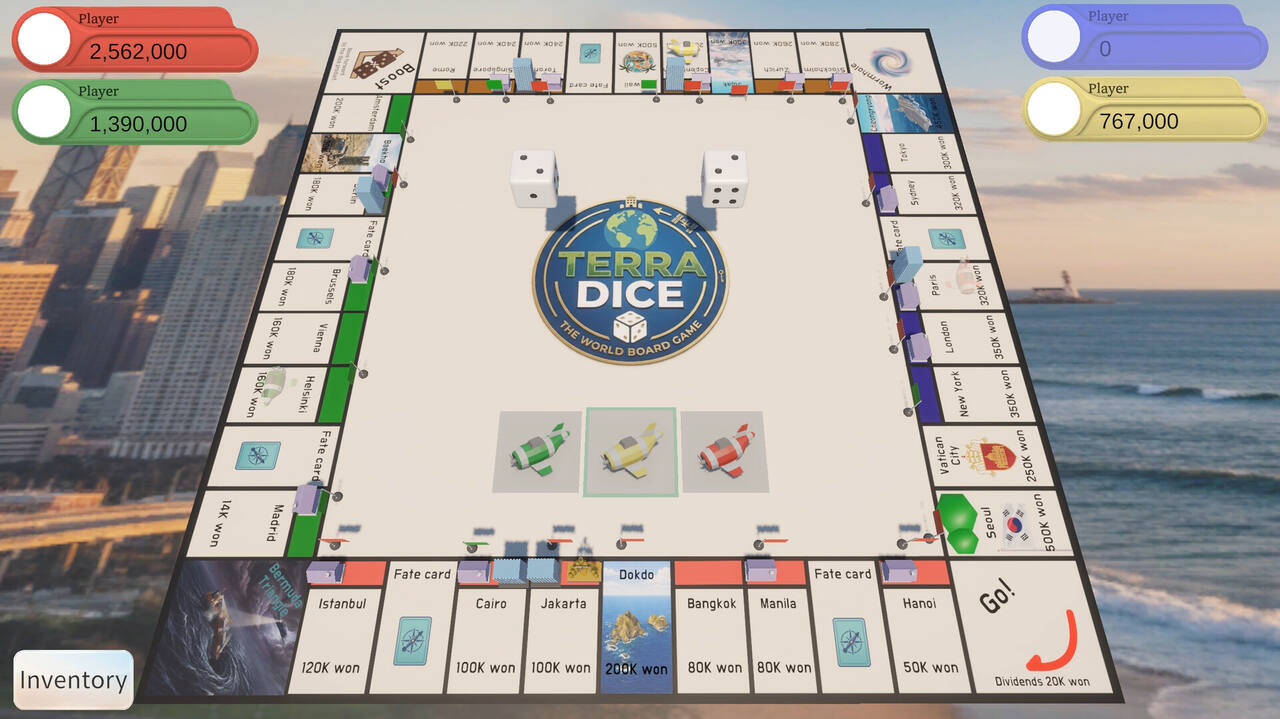
    At its core, Terra Dice operates on familiar grounds inspired by digital board game staples like Blue Marble. You roll a pair of dice to travel across a global map, claiming unowned metropolitan tiles and dropping down structures to build up your territorial grip. Upgrades follow a distinct progression, scaling from modest villas up to towering hotels and high-yield casinos. The primary win condition remains classic economic dominance: drain your rivals’ bank accounts through crippling tolls and targeted attacks until they face total bankruptcy and you stand as the last solvent player on the board.

    Combative Real Estate Mechanics

    Where Terra Dice breaks away from conventional digital board games is in its explicit embrace of direct combat mechanics. Rather than passively waiting for your opponents to land on your high-value properties, the game hands you tactical offensive tools. You can launch targeted strikes directly at enemy cities, placing their key money-makers completely out of commission for multiple turns. A disabled tile generates zero rent, effectively turning a rival’s prized casino into useless dead weight right when their cash reserves are thinnest.

    Terra Dice gameplay screenshot
    Image courtesy of HawaGames via Steam

    To counter this, players must invest in active defensive systems to shield their most valuable holdings from incoming sabotage. This transforms property management from a static exercise in land grabbing into an ongoing arms race. Do you spend your liquid capital expanding your land portfolio to increase overall board coverage, or do you sink those funds into defensive countermeasures to ensure your primary income engine stays operational? When money becomes tight, the game forces tough decisions: you must choose which properties to defend at all costs and which assets to liquidate or sacrifice to keep from going bankrupt.

    Unpredictable Boards and Player Feedback

    The pacing is further disrupted by dynamic board events that prevent any single player from settling into an unassailable rhythm. Landing on or being dragged into the Bermuda Triangle completely reshuffles player positioning, while Golden Cards introduce unpredictable wildcard effects that can instantly alter treasury balances or match momentum. Rolling doubles keeps the action moving quickly, allowing aggressive players to sweep across the board and chain tile purchases together before rivals can set up proper defenses.

    Players praising the game consistently point to its tight pacing and sharp competitive bite. At a baseline price of $0.99, it offers a tight multiplayer loop without forcing players to endure two-hour marathons where the winner is obvious halfway through. Matches move quickly, combat is frequent, and the negligible price tag makes it painless to organize online matches with friends.

    The game is not without its points of frustration, however. Because Terra Dice relies heavily on random dice rolls, Golden Card RNG, and sudden hazard triggers like the Bermuda Triangle, luck can occasionally override superior long-term financial play. If a series of unlucky rolls dumps you directly onto an enemy’s active casino right after your own defensive shields collapse, recovering your bankroll can feel brutally uphill. Furthermore, given its small initial player base, finding public online matchmaking lobbies isn’t guaranteed; you will want to bring your own group or rely on Steam Remote Play and Family Sharing to get the most out of its PvP modes.

    The Verdict

    Terra Dice is a lean, aggressive take on digital board games that strips away fluff in favor of direct conflict and fast-paced economic sabotage. It isn’t trying to reinvent the genre, but by injecting offensive attacks, defensive shields, and unpredictable board hazards into a tight, easily digestible package, it delivers a genuinely fun competitive time. If you have a regular group of friends looking for a quick, ultra-cheap digital board game where you can directly ruin each other’s fake real estate empires, Terra Dice is well worth the dollar entry fee.

    Key Facts

    • Developer: HawaGames
    • Publisher: HawaGames
    • Release Date: Jun 11, 2026
    • Price: $0.99
  • Runerock Arena Proves That a Cursed Halfling and a High-Stat Bow Are All You Need

    Runerock Arena Proves That a Cursed Halfling and a High-Stat Bow Are All You Need

    A halfling recruit with 50 Bow skill and 45 Dexterity appears in the recruitment market, and your entire starter bankroll immediately vanishes to buy him an 8–19 damage weapon. He is small, morally dubious, and fully capable of demolishing rival stables before they even cross the mid-line. It is an unhinged piece of early-game optimization, and it captures the exact spirit of what makes this game tick.

    This turn-based strategy sim is the modern Steam incarnation of a Finnish shareware institution. Created by Seppo Suorsa—the mind behind the long-running Areena series that captured Scandinavian PC gamers in the late 1990s and early 2000s—it strips away modern bloat in favor of clean tactical friction and light management math.

    Managing the Pit

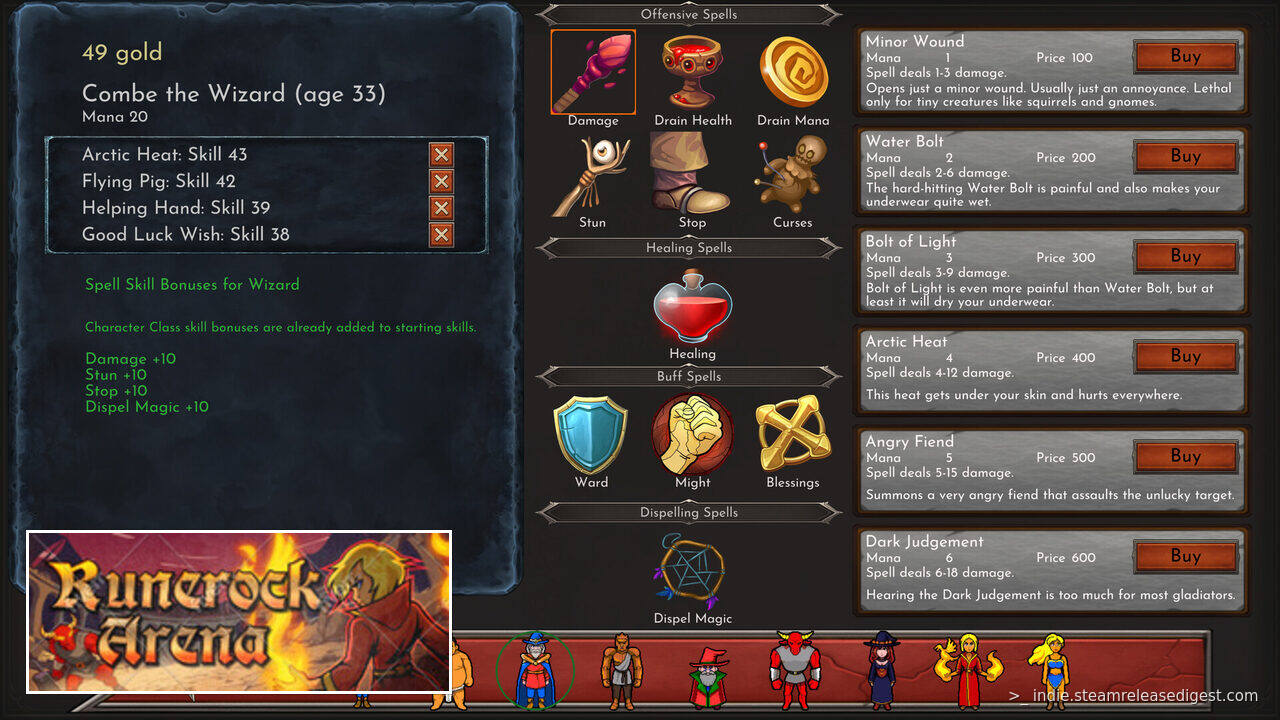
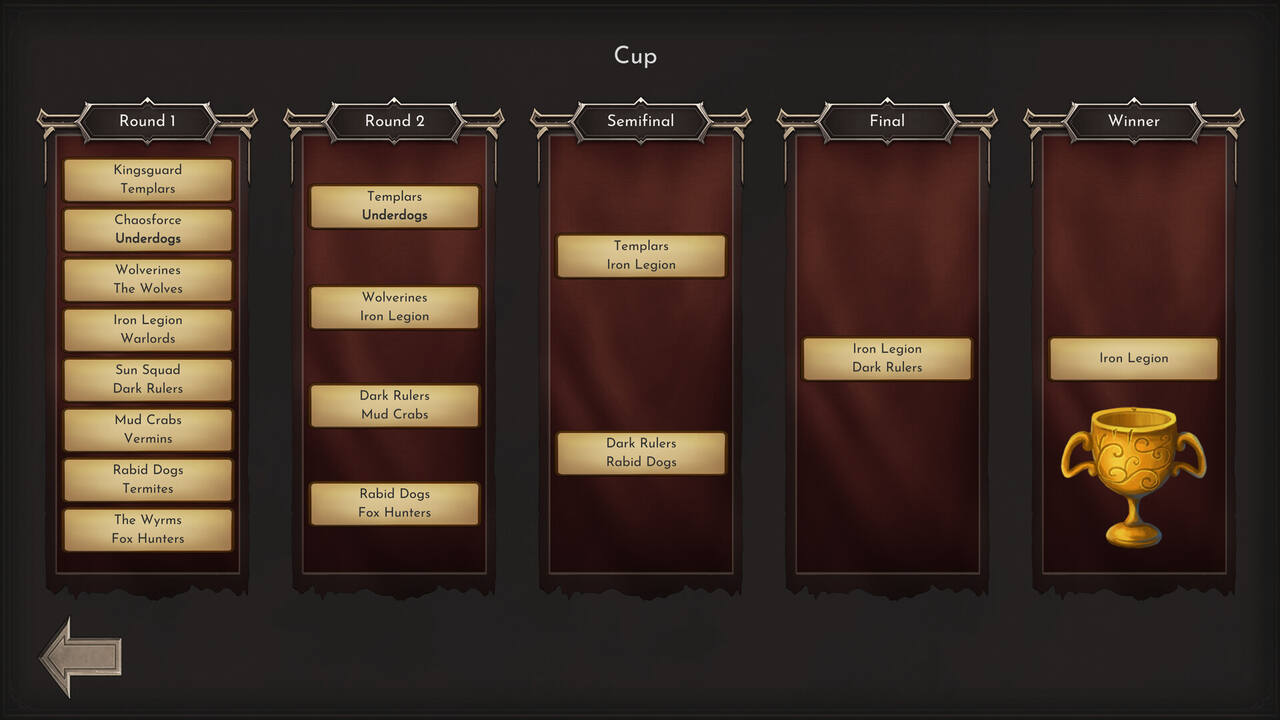
    The structure is intentionally straightforward. You take control of a fledgling gladiator stable at the bottom of the league and attempt to climb the ladder toward the championship. Between matches, you scout upcoming opponent rosters, handle financial overhead like ticket revenues and player salaries, and buy new gear or spells. On the arena floor, combat plays out on a grid where position, line of sight, and spell skills determine who leaves in a stretcher.

    What gives the management layer real texture is its organic progression and built-in mortality. Gladiators do not gain arbitrary experience points to dump into a menu; their skills improve directly through use in battle. Swing a broadsword enough times and your melee stats creep upward; cast flame spells under pressure and your spellcasting skill sharpens. With 36 character classes—ranging from stout Stonemen and bulky Minotaurs to delicate Sorceresses—building a cohesive team requires balancing stats, dodge chances, and magic resistance.

    Runerock Arena gameplay screenshot
    Image courtesy of Areena Games via Steam

    Crucially, nobody fights forever. Age is a real, ticking clock here. Your prize fighter will eventually grow old, lose their edge, and retire, forcing you to constantly maintain a pipeline of cheap, young prospects while spending money on veteran salaries.

    Dopamine and Broken AI

    Steam reviewers who grew up with the original shareware releases describe playing this new entry like stepping back into a childhood bedroom, complete with the brain-tickling satisfaction of big red damage numbers popping up over hit targets. It is an easy game to learn, requiring only mouse controls, and it plays entirely at whatever pace you choose without forcing timed inputs or twitch reactions.

    However, the experience is not without its sharp edges. The primary complaint from seasoned strategy players centers on the artificial intelligence. Opposing managers in single-player do not react intelligently to player-invented meta strategies. Once you figure out how to abuse specific stat combinations—like over-investing in high-dexterity ranged attackers or stacking specific crowd-control spells—the computer fights back with predictable inefficiency. For players looking for a brutal, long-term strategic opponent that continually adapts to their tactics, the AI’s shortcomings undercut long-term replayability.

    The visual presentation is also unapologetically retro. There are no dramatic camera cuts or elaborate animations here; the game relies entirely on functional icons, combat logs, and clean UI elements. If you require flashy visuals to stay invested, this arena will feel sparse.

    The Verdict

    This release is built for strategy purists, stat-nerds, and fans of classic sports-management loops who prefer quick, low-stress tactical decisions over cinematic bloat. If you miss the era of 90s shareware classics like Gladiator Manager or simply want a breezy, highly addictive management game to play at your own pace, it is well worth the asking price. Just do not expect the computer opponent to outsmart your worst impulses.

    Key Facts

    • Developer: Areena Games
    • Publisher: Areena Games
    • Release Date: August 11, 2026
    • Price: $11.99
  • Hidden Pets: 101 Cats in Czech Republic: Dense Art, Sneaky Felines, and a Sudden Volume Blast

    Hidden Pets: 101 Cats in Czech Republic: Dense Art, Sneaky Felines, and a Sudden Volume Blast

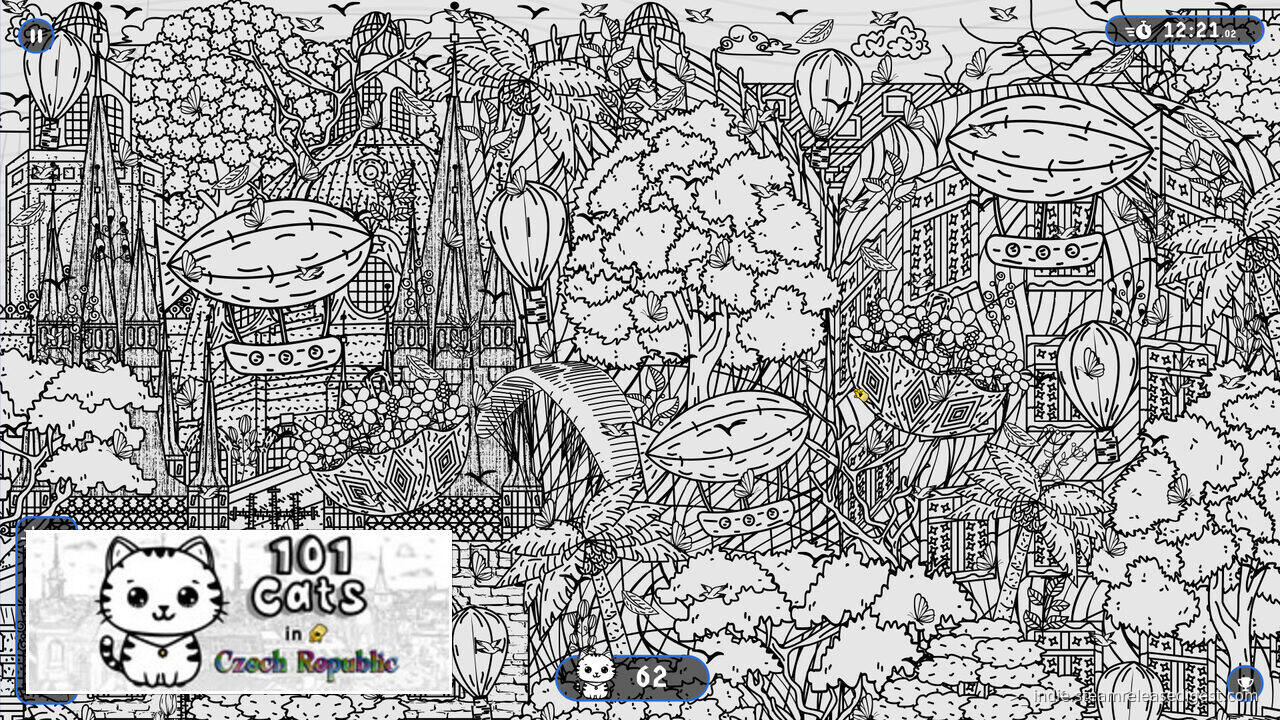
    “There are too many czats in the Czech Republic!” reads one brief, delighted Steam review. It is a cheeky sentence, but it neatly sums up the core premise of NaipSoft’s pocket-sized hidden object game. For ninety-nine cents, the title offers no grand narrative, no elaborate skill trees, and no complex control schemes. Instead, it drops you directly onto a single, hand-crafted canvas inspired by travel through Czech landscapes, crammed to the brim with 101 concealed felines waiting for a mouse click.

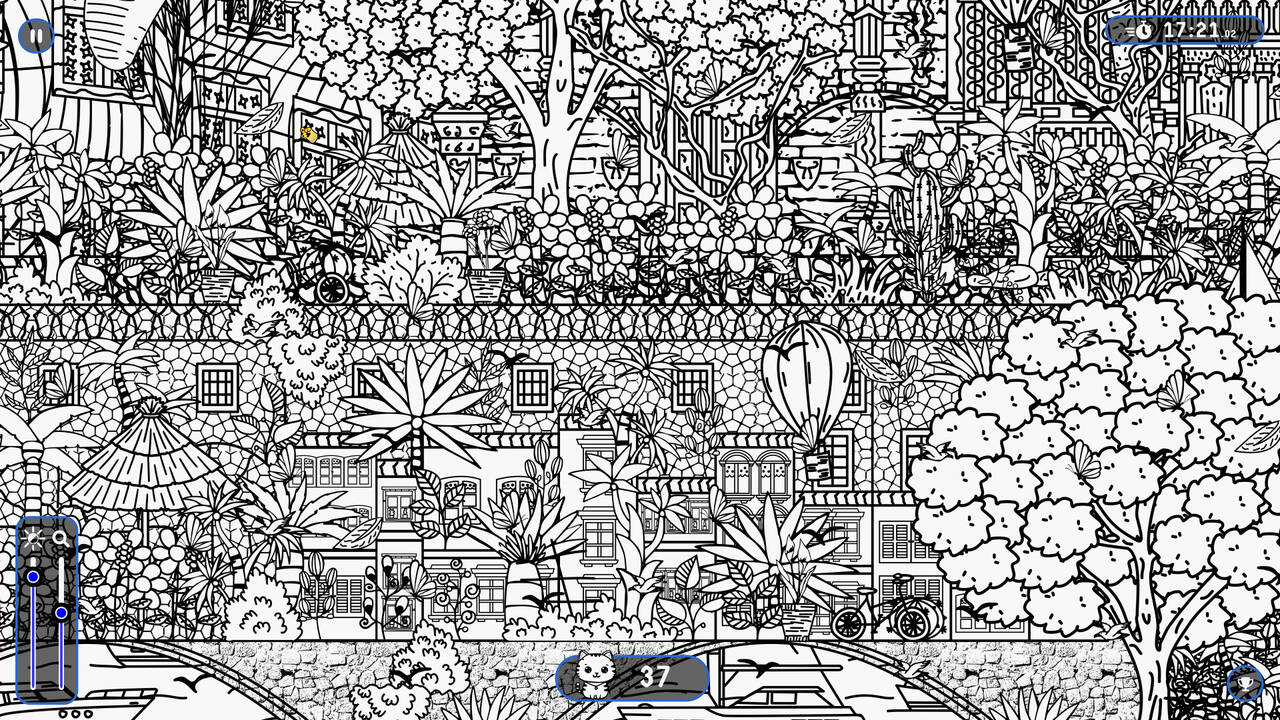
    In a casual subgenre that often suffers from hasty, low-effort releases, this map stands out through its sheer visual density. The hand-drawn scene is packed tightly with village buildings, lush trees, cobblestone streets, and decorative architectural flourishes. Nothing sits in wide-open isolation. Kittens are tucked inside tiny window frames, folded into background foliage, or blended seamlessly into the lines of historical stone structures. Because the canvas is so crowded, searching for your target isn’t just a matter of skimming the screen; it requires methodical scanning and genuine focus.

    To manage that visual density, the mechanical structure relies heavily on a flexible zoom system. Rather than serving as a minor convenience, the zoom tool functions as an essential utility within the core gameplay loop. Panning across the hand-drawn landscape while zoomed in reveals tiny details that are completely invisible from the bird’s-eye view, allowing you to closely examine every chimney stack, fence post, and bush. The developer also included brightness adjustment options, letting players tweak the lighting to make sneaky felines pop against the dark line work. Coupled with mouse-only controls and a complete absence of timed inputs or fail states, the moment-to-moment searching feels distinctly low-stress and self-paced.

    Hidden Pets: 101 Cats in Czech Republic gameplay screenshot
    Image courtesy of NaipSoft via Steam

    Player sentiment reflects an experience that strikes a comfortable sweet spot between casual clicking and active observation. Reviews praise the thoughtful distribution of hidden pets across the map: some cats sit in plain sight to give you easy early wins, while others are disguised so thoroughly within the dense environmental lines that they demand genuine scrutiny to uncover. That balance keeps the hunt engaging without devolving into mindless pixel-hunting. Additionally, the game satisfies completionists by awarding a steady stream of Steam achievements as you unearth every hidden animal, turning a quiet evening scan into an easy achievement sweep.

    That relaxing illusion, however, hits a brief bump the moment you launch the software. A notable point of frustration among early players centers on the game’s audio balancing—specifically upon startup. The background soundtrack launches at an extraordinarily loud default volume, catching unsuspecting players off-guard with a sudden wall of sound before they can even navigate to the main menu options. In a game designed around calm, zen exploration, this initial audio assault feels jarring, making a pre-launch adjustment to your master desktop volume a smart precaution.

    Once you survive that blaring introduction and dial the audio down, the game settles into a cozy, reliable rhythm. It knows exactly what it wants to be and delivers it without unnecessary clutter. There are no microtransactions, no convoluted menus, and no forced gimmicks—just a charming, densely populated map, an absurd number of hidden cats, and a mouse cursor.

    Verdict

    Hidden Pets: 101 Cats in Czech Republic is built for cozy game enthusiasts, casual puzzle fans, and achievement hunters looking for a low-cost, low-stress distraction. If you enjoy hand-drawn scenery and want a peaceful palette cleanser to unwind with over a cup of tea, this dollar release is well worth a look—just be sure to turn down your headphones before double-clicking the icon.

    Key Facts

    • Developer: NaipSoft
    • Publisher: NaipSoft
    • Release Date: Aug 11, 2026
    • Price: $0.99
  • Landscaper Simulator: The Low-Stress Yard Work You Didn’t Know You Needed

    Landscaper Simulator: The Low-Stress Yard Work You Didn’t Know You Needed

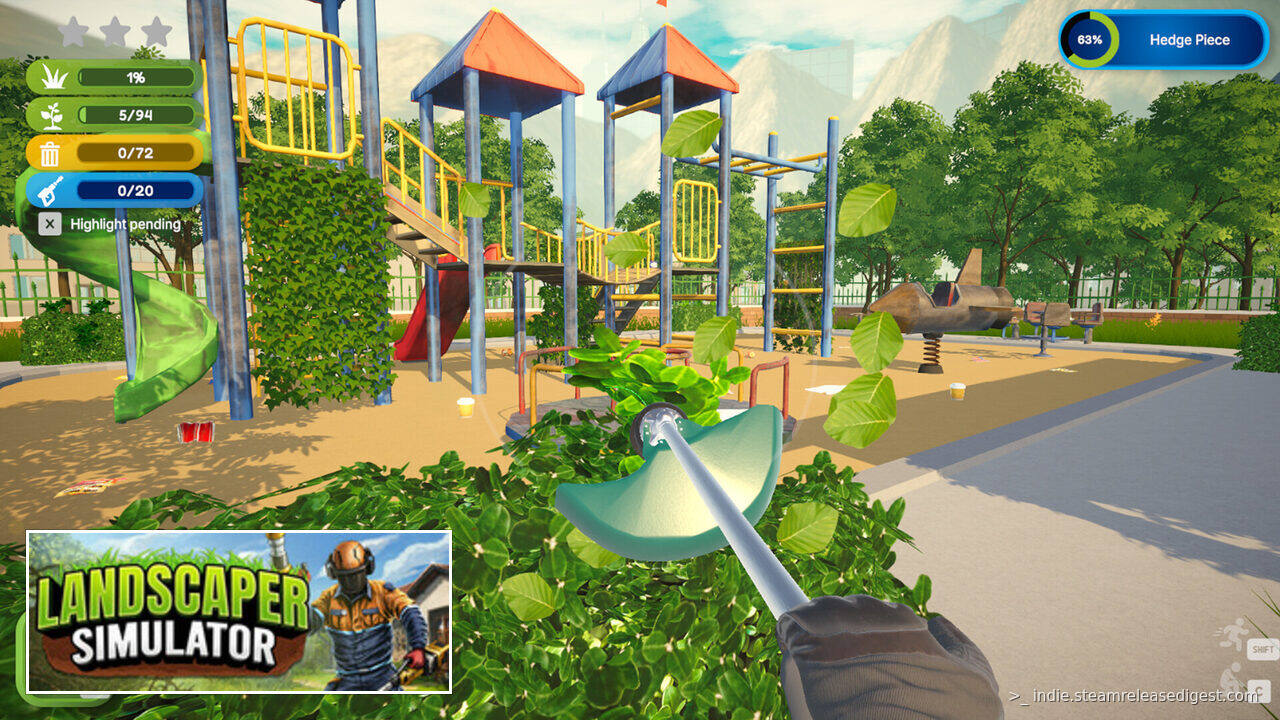
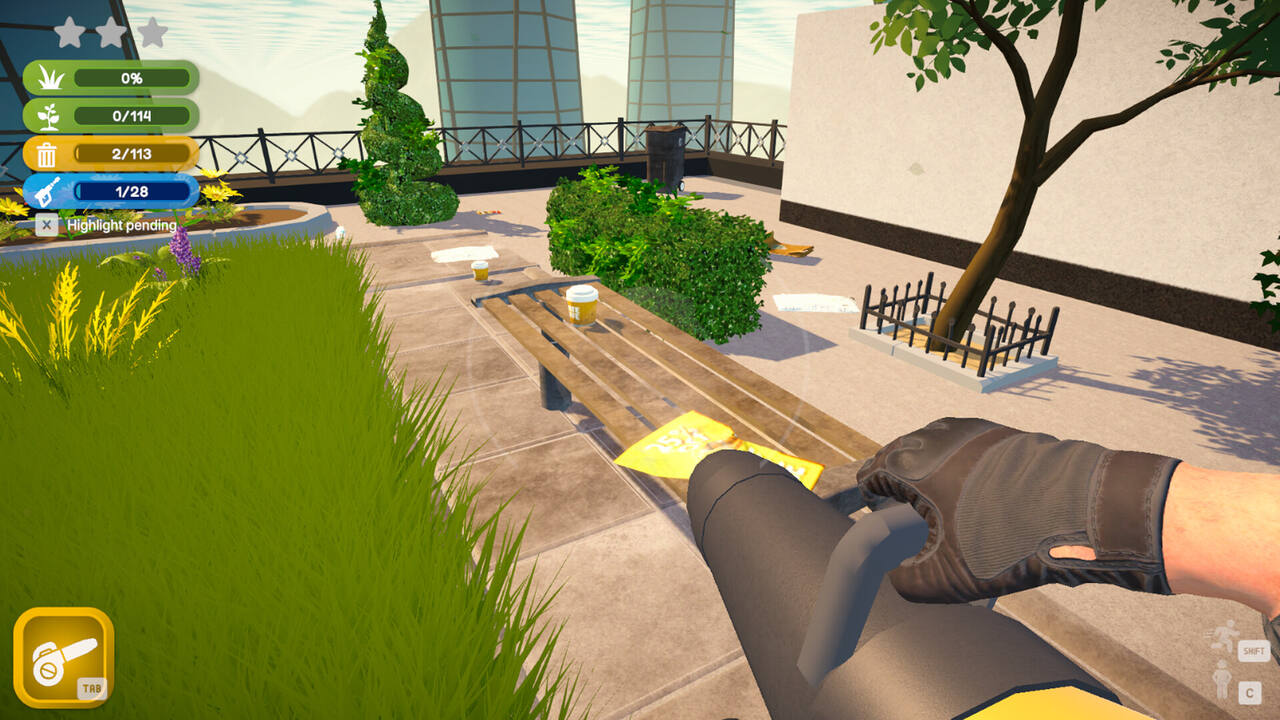
    A thick carpet of overgrown grass and wild weeds swallows the cracked concrete of a forgotten rooftop garden. Squeezing the trigger on the weed whacker sends green blades flying in broad arcs until neat, dark earth appears below. Swapping to the trash vacuum swallows up stray plastic cups and paper wrappers off the pavement in quick succession. Finally, the pressure washer hums to life, stripping years of dark grime from a stone bench in a single, satisfying beam of high-pressure water.

    Midnight Game Studios’ Landscaper Simulator boils the outdoor job sim down to a clean, stress-free triad: trim, vacuum, and wash. Released at a modest $9.99, it bypasses complex business management, gas tank refills, or punishing time limits in favor of direct visual reward. You carry three primary tools—a whacker to cut through tall grass, weeds, and clinging vines, a heavy-duty trash vacuum to swallow scattered litter, and a power washer to blast dirt off fences, walls, and public structures. As jobs are completed, your tools receive straightforward upgrades, letting you sweep through larger spaces with far less effort.

    The campaign shifts between distinct, cozy scenarios that keep the routine moving. One level might ask you to restore order to a cluttered suburban backyard, while the next sends you into overgrown city parks, quiet graveyards, museum entrances, or an outdoor cinema littered with garbage. It is a mechanical loop designed for low-friction comfort, where progress is measured entirely by watching messy, neglected environments slowly turn spotless.

    Landscaper Simulator gameplay screenshot
    Image courtesy of Midnight Game Studios via Steam

    What Players Are Saying

    Sitting at an 88% positive score on Steam across almost two hundred reviews, Landscaper Simulator has found a comfortable niche among players looking for an easygoing evening ritual. Reviewers consistently praise its gentle hardware demands, highlighting how smoothly it runs even on basic laptops. Midnight Game Studios has also earned goodwill by dropping periodic free level updates, giving returning players fresh yards to trim without asking for extra money. Reviews frequently describe the core loop as “consumingly fun” and appreciate how straightforward the tool progression feels—you trim, you vacuum, you wash, simple as that.

    The experience isn’t entirely seamless, however. The game’s most glaring flaw is a motion sickness issue that has left certain players feeling dizzy and nauseous after short sessions. Affected reviewers note a frustrating lack of granular graphic or camera settings to adjust field-of-view or camera bobbing to alleviate the strain. Other players point out that while the game serves as a pleasant diversion, it lacks the sheer depth, structural polish, and precise physics of genre heavyweights like PowerWash Simulator. There are also calls from the community for an endless open-field sandbox mode, as some players simply want to cut infinite grass without level boundaries cutting their session short.

    The Verdict

    Landscaper Simulator does not attempt to reinvent the simulation genre, but it delivers an honest, highly therapeutic cleanup routine at a budget-friendly price. If you enjoyed titles like PowerWash Simulator or Restore Your Island and want a lightweight, simple game to help pass the time, this is a charming option—provided you aren’t prone to first-person motion sickness.

    Key Facts

    • Developer: Midnight Game Studios
    • Publisher: PlayWay S.A., Code Horizon
    • Release Date: Aug 11, 2026
    • Price: $9.99
  • Farming Incremental But With Guns: A High-Caliber Twist on the Cozy Clicker

    Farming Incremental But With Guns: A High-Caliber Twist on the Cozy Clicker

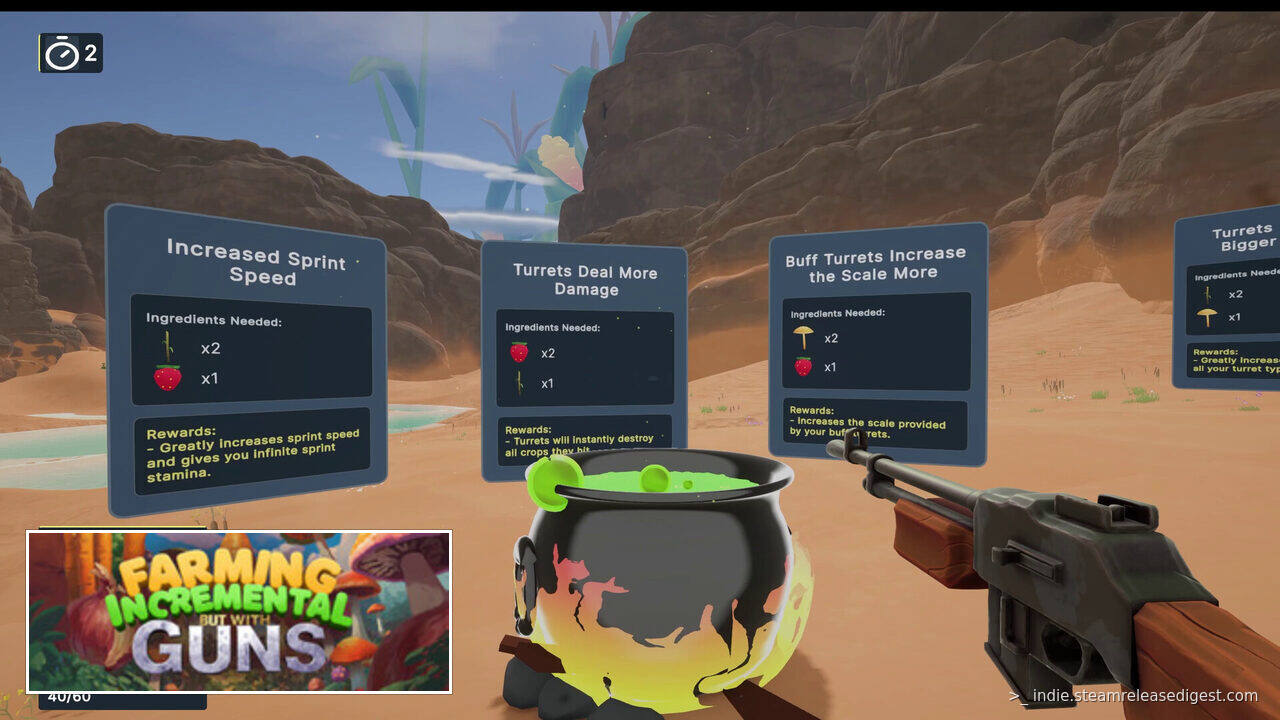
    Harvesting crops in this first-person incremental shooter doesn’t involve tractor blades, watering cans, or gentle hand-picking; it involves racking a shotgun slide and blasting a gargantuan, towering mushroom until a literal avalanche of physical gold coins spills across the soil and buries your boots.

    Coin Avalanches and Weaponized Agriculture

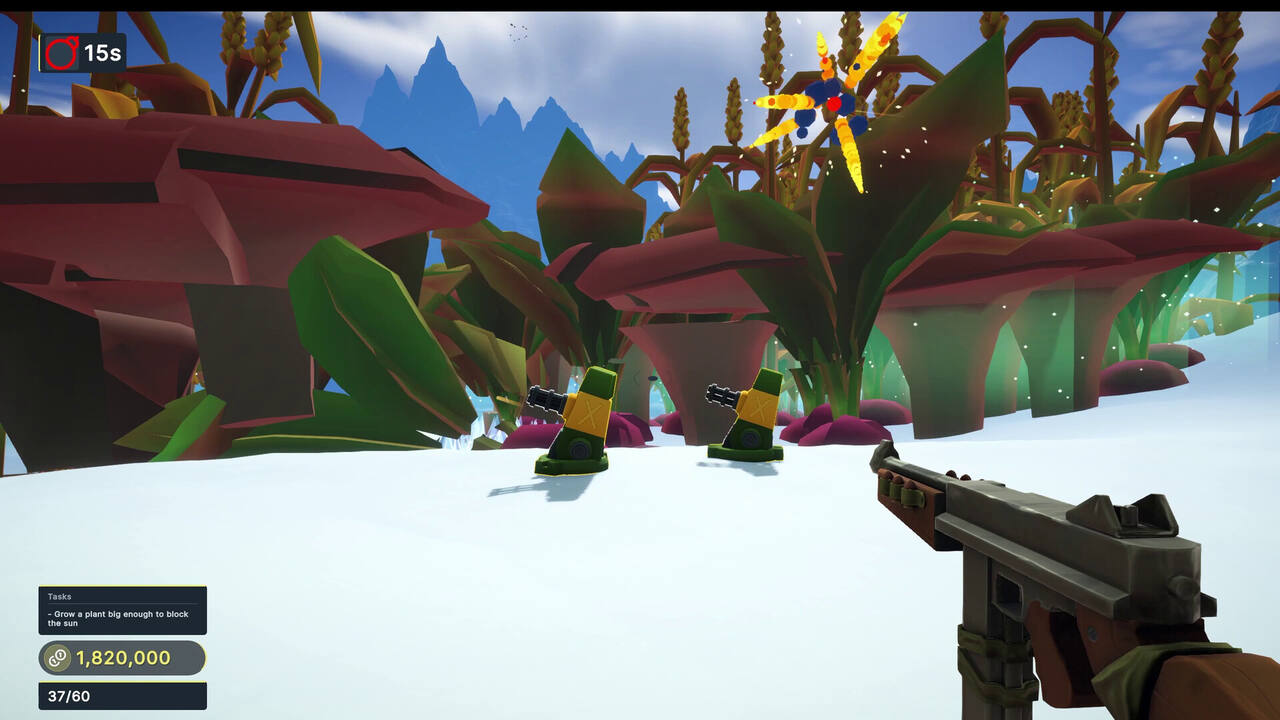
    The game takes the standard math-heavy loop of an active clicker game and translates it into a colorful, physical shooting range. You begin on a modest plot of land, planting crops that physically evolve into absurd, gigantic proportions right before your eyes. Once your flora reaches maturity, you unload your trusty gun into stalks, caps, and stems to break them down into currency. The coins don’t just register as a silent counter at the top of the UI; they physically pile up and overflow across the terrain, giving a tactile weight to your agricultural profits.

    Every dollar harvested goes straight back into expanding your farming operation. You purchase game-breaking upgrades for your arsenal, apply crop enchants to push plant sizes into the stratosphere, and unlock new territory. Progression carries you across diverse biomes, moving from lush green meadows to freezing winter lands and scorching, harsh deserts. Each environment gives you a fresh backdrop against which to cultivate monstrous flora and test out your upgraded firepower. Full controller support—including native DualShock and DualSense features—ensures that running around your fields shooting giant vegetation feels smooth and relaxed.

    Farming Incremental But With Guns gameplay screenshot
    Image courtesy of Clementine Wolf Games via Steam

    What Players Love (and Where the Barrel Runs Dry)

    With an 87% positive rating across 140 Steam reviews, the game has struck a real chord with players looking for an unpretentious, novel distraction. Reviewers repeatedly describe it as an “indie cozy FPS” and a hilarious twist on a familiar genre, with one player memorably summarizing the premise as “HOW AMERICANS HARVEST CROPS.” The opening level in particular receives overwhelming praise for its satisfying progression curve and immediate charm. For a humble $3.99 price tag, players love the sheer absurdity of shooting mammoth mushrooms for cash and watching physical wealth pile up around their feet.

    However, the friction points are impossible to ignore once you push past the opening hours. Most players finish the entire game in three to four hours, leaving many asking “Ya’ll got any more of them there levels?” Content runs dry fast, and the late-game design shows its rough edges. User reviews point out that the third biome feels less like an exciting step forward and more like a rehash of the second zone. Furthermore, a few players dryly noted that the store page’s dramatic promise—that crops grow until their shadows “block out the sun forever”—is purely hyperbolic, as plant scale caps out well before achieving total solar eclipse. When negative reviews or refunds happen, it is almost always from players who loved the core loop so much they were crushed when it ended so abruptly.

    The Verdict

    If you arrive expecting a fifty-hour management sim with deep endgame systems, you will be disappointed. But as a brief, three-hour palette cleanser with a ridiculous premise, solid controller feel, and a bargain-bin price, it easily earns its keep. It is tailor-made for incremental enthusiasts who want to actively participate in the grind, or cozy shooter fans who want the satisfaction of blowing up towering mushrooms without the stress of incoming enemy fire.

    Key Facts

    • Developer: Clementine Wolf Games
    • Publisher: Clementine Wolf Games
    • Release Date: Aug 11, 2026
    • Price: $3.99
  • Sente Takes the Mind Games of Chess and Removes the Waiting

    Sente Takes the Mind Games of Chess and Removes the Waiting

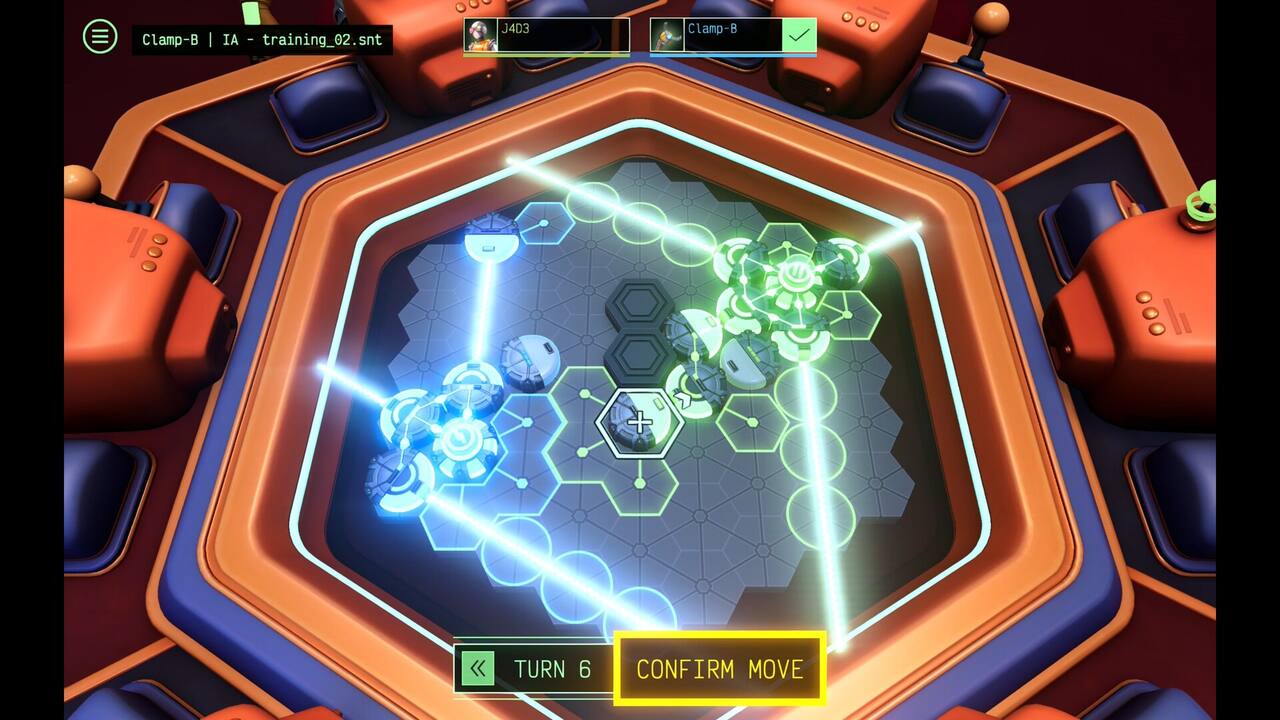
    When you lock in your move in Sente, you are not reacting to an opponent’s piece standing right in front of you. You are placing a node, mapping an energy line across the grid, and committing to that decision at the exact same moment your opponent does. There is no waiting for your opponent to deliberate over a knight move for three minutes. You both lock in, the board resolves both choices at once, and the resulting chain reaction can erase ten minutes of careful network building in a single frame.

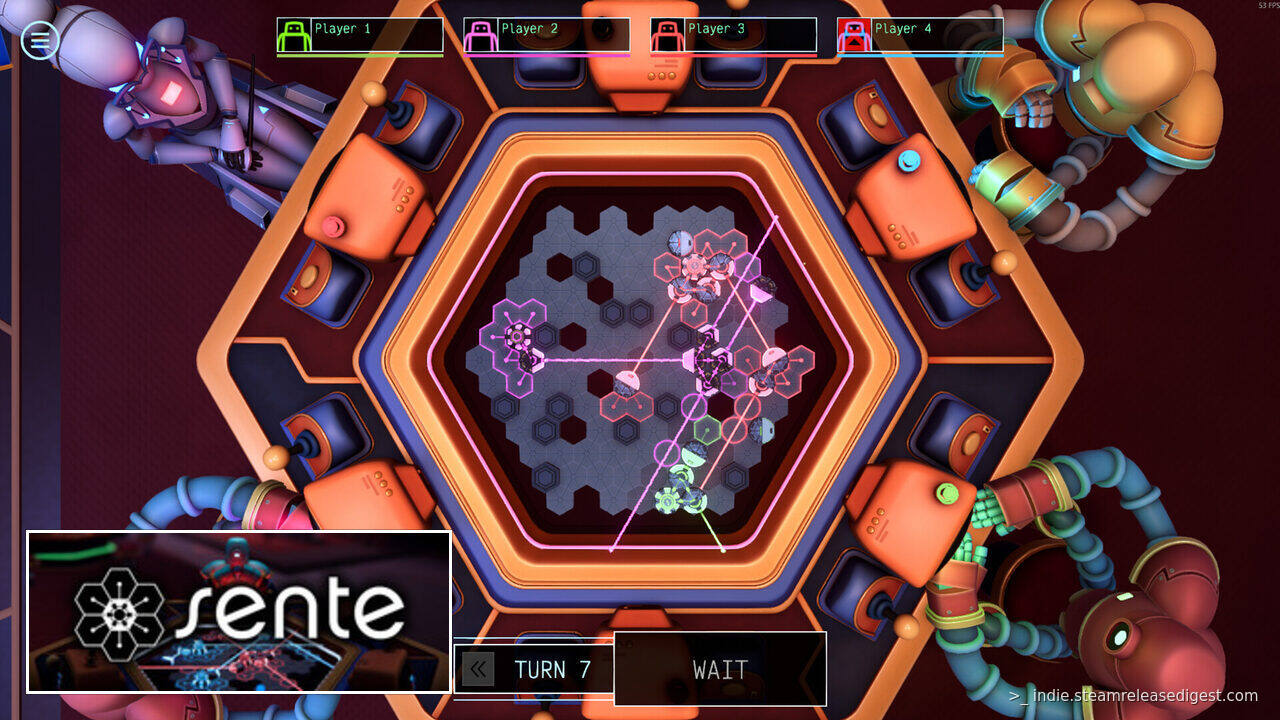
    Developed by Oxobox Games Studios and published by Curveball Games, Sente is an abstract strategy board game built entirely around simultaneous turns and dynamic energy networks. Inspired by the geometric clarity of classics like Chess and Go, it strips away centuries of rigid opening book theory in favor of a completely original ruleset where every match begins on equal footing. Players place nodes across dynamic, semi-randomized boards to extend power lines toward their opponent’s territory. When an energy network connects to an adversary’s core node, it triggers a critical overload—a cascading board-wide reaction that fundamentally alters piece control and board geometry in an instant.

    Tactical Mind-Reading and Flexible Modes

    Because every action happens concurrently, success in Sente depends on prediction rather than sequential reaction. You aren’t just calculating spatial coverage; you are trying to guess where your rival thinks you will place your next node, and planning your overload triggers around their anticipated movements. It turns pure logic into an exercise in psychological reading.

    Sente gameplay screenshot
    Image courtesy of Oxobox Games Studios via Steam

    The game supports anywhere from 1 to 6 players across a surprisingly dense set of modes. Solo players get a structured narrative campaign, dedicated tactical puzzle scenarios designed to teach the mechanics of network overloads, and customizable AI skirmish battles that can be run endlessly. For multiplayer, Sente handles local shared-screen and online play in both 1v1 formats and up to 6-player free-for-all or team-based strategic chaos. A built-in board editor and match replay system round out the feature set, allowing players to analyze their tactical blunders or design custom puzzles for others.

    What Players Are Saying

    Though Sente launched quietly, early player response is sitting at a 100% positive rating across its initial Steam reviews. Players who click with its spatial logic fall hard for it—one reviewer has already logged an astonishing 858 hours in the game, boldly declaring it “the chess of the future.”

    Another player captured the game’s niche tabletop heritage precisely, describing it as answering the question: “what if Khet were designed by Kris Burm, to be played by up to six players with self-actuated pieces?” Invoking Kris Burm—the creator of the celebrated GIPF project series of abstract board games—is high praise, highlighting how cleanly Sente generates deep, emergent complexity from simple foundational rules.

    The main friction point comes from the sheer mental weight of its design. As one user cleanly put it: “I am too dumb for this game, it’s excellent for abstract strategy fans though!” Despite Steam tagging the title under “Casual,” Sente demands serious spatial visualization. Tracking simultaneous turns while predicting multi-node chain reactions can cause immediate mental burnout for players who prefer light, low-stakes digital board games. Furthermore, as a quiet indie launch at a budget price point, players looking for instant public online matchmaking may find the player pool sparse, making the solo puzzle modes, bot skirmishes, and local play with friends the primary ways to enjoy it.

    The Verdict

    At $6.39, Sente is a remarkably sharp abstract strategy game that punches well above its weight class. It is ideal for tabletop purists, fans of spatial puzzle design, and strategy gamers who love the deep mind games of Chess or Go but hate waiting for people to take their turns. If you enjoy predicting an opponent’s intent and watching complex chain reactions unfold, Sente deserves a place in your library.

    Key Facts

    • Developer: Oxobox Games Studios
    • Publisher: Curveball Games
    • Release Date: Aug 11, 2026
    • Price: $6.39
  • Rule or Fall: A $5 Monarch Simulator With Big Ambitions and Flying Courtiers

    Rule or Fall: A $5 Monarch Simulator With Big Ambitions and Flying Courtiers

    When a courtier literally flies up into your throne room ceiling, never to be seen again, you realize Rule or Fall isn’t quite polished to a royal shine. Yet despite its wild bugs—and a price tag hovering at just five dollars—this narrative management sim from co-developers Bad Concept and Retry captures a specific kind of cozy, high-stakes medieval decision-making that keeps players sitting on the throne just a little longer.

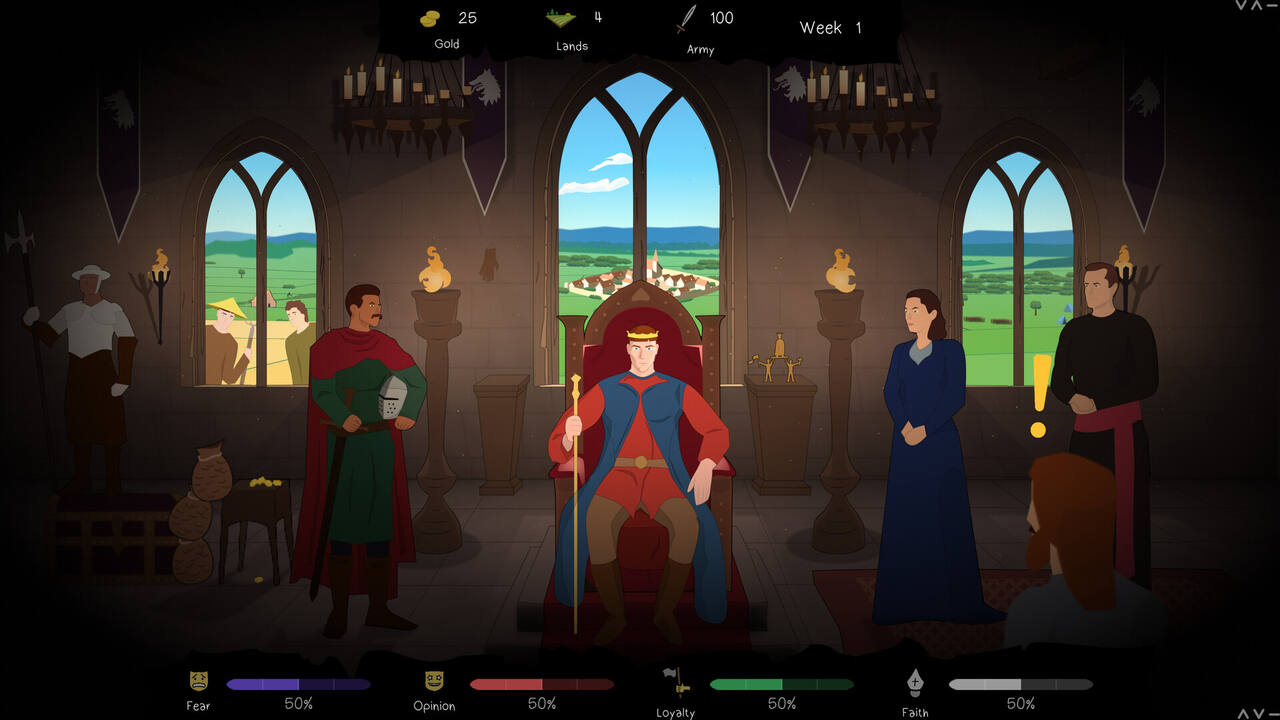
    At its heart, Rule or Fall puts you in the boots of a medieval monarch attempting to navigate a 52-week calendar year without getting overthrown, assassinated, or bankrupted. The core gameplay loop hinges on balancing four primary public gauges—Fear, Subject Opinion, Vassal Opinion, and Faith—alongside three physical resources: your fortune, your lands, and your standing army. Every week presents you with narrative crossroads, forcing you to exercise power with either ruthless cruelty or saintly benevolence. A single decree might bolster your army while terrifying your subjects, or earn the favor of the clergy at the cost of bleeding your treasury dry.

    The appeal lies in this delicate balancing act. With over 100 branching narrative events and multiple endings, the game creates a fast-paced rhythm of crisis management. Will you play as a feared tyrant who keeps vassals in line through sheer intimidation, or a beloved populist monarch who risks getting crushed by neighboring lords? The choices carry tangible weight on your state gauges, making survival to week 52 feel like a genuinely satisfying diplomatic puzzle when the gears line up.

    Rule or Fall gameplay screenshot
    Image courtesy of Bad Concept, Retry via Steam

    However, the community’s 80% positive review rating sits alongside some very vocal frustration, and potential rulers need to know what they are walking into. Rule or Fall suffers from noticeable technical friction. Players report events occasionally rendering as completely blank text boxes, while cost indicators and success percentages appear and disappear seemingly at random. Furthermore, the game’s visual feedback leaves something to be desired. While the base artwork fits the casual medieval tone, player choices leave no visual footprint on the world. Building up immense wealth or commissioning grand holy works won’t upgrade your castle or evolve your town; your kingdom remains visually static regardless of your choices, leaving a gap between the narrative claims and what actually appears on screen.

    Pacing is another point of contention. The game relies on needlessly lengthy transition animations between decisions that simply award a small stat bump like “+ Opinion” or “- Gold.” When you are clicking through dozens of routine decrees, watching these unskippable lulls repeatedly drags down the momentum. Once you have played through a couple of runs and memorized the event pool, the illusion of deep kingdom simulation can wear thin quickly.

    So, who is Rule or Fall actually for? If you are looking for a deep, grand-strategy simulation where you construct detailed fiefdoms and watch cities grow, this isn’t it. But if you enjoy rapid-fire narrative decision games like Reigns, appreciate bite-sized fantasy runs, and don’t mind a healthy dose of budget indie jank, Rule or Fall delivers solid value for its $4.99 asking price. It is a quirky, flawed, but undeniably engaging afternoon diversion—provided you don’t mind the occasional lord floating into the rafters.

    Key Facts

    • Developer: Bad Concept, Retry
    • Publisher: Bad Concept, Retry
    • Release Date: Aug 11, 2026
    • Price: $4.99