Author: sitemill

  • Meat Grinder: Hotdog Simulator Is a Savory Blend of Fast Food Management and Body Snatching

    Meat Grinder: Hotdog Simulator Is a Savory Blend of Fast Food Management and Body Snatching

    Slicing buns, squirting mustard, and frying potatoes under the humming fluorescent lights of a fast-food counter feels almost relaxing until the freezer runs completely dry. In the foggy, retro town of Grimshore, keeping a hot dog stand open isn’t just about managing your morning inventory—it is a matter of carrying a shovel down to the local cemetery after dusk. Developer Panic Panda grounds the experience in this exact trade-off: an honest day’s work in a first-person kitchen, sustained entirely by whatever raw material you can dig up while the town sleeps.

    By day, the core loop plays like a hands-on culinary simulation. You fry sausages, prep buns, manage potato fryers, apply condiments, and wrap up orders before handing them across the counter to Grimshore’s hungry residents. The money earned goes straight back into upgrading and expanding your fast-food shop. The tactile satisfaction of the kitchen rhythm works surprisingly well, offering the comfortable, repetitive loop that job-sim fans enjoy. But when commercial meat supplies run out, the shift changes. You step into the dark streets to harvest fresh ingredients, haul them back to your shop’s meat grinder, and process them before sunrise without asking too many questions.

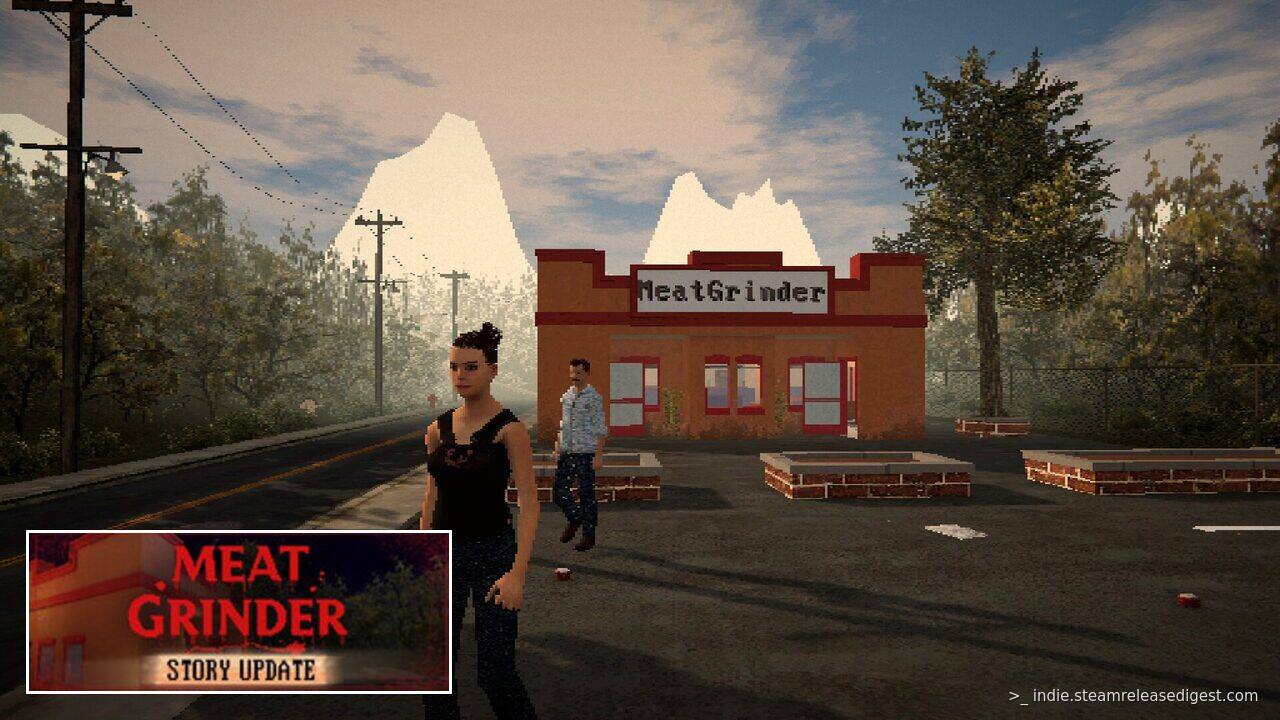
    Beyond the counter and the grave plots, Grimshore holds a surprising amount of narrative weight. Built with chunky textures and lo-fi retro visuals reminiscent of 90s survival horror titles, the town feels damp, grimy, and dense with atmosphere. As you explore the dark open streets between shifts, you take on side quests for eccentric locals, follow dirty secrets buried beneath the sea fog, and slowly piece together your protagonist’s past. It turns what could have been a thin gimmick into an eerie, story-driven adventure with real visual character.
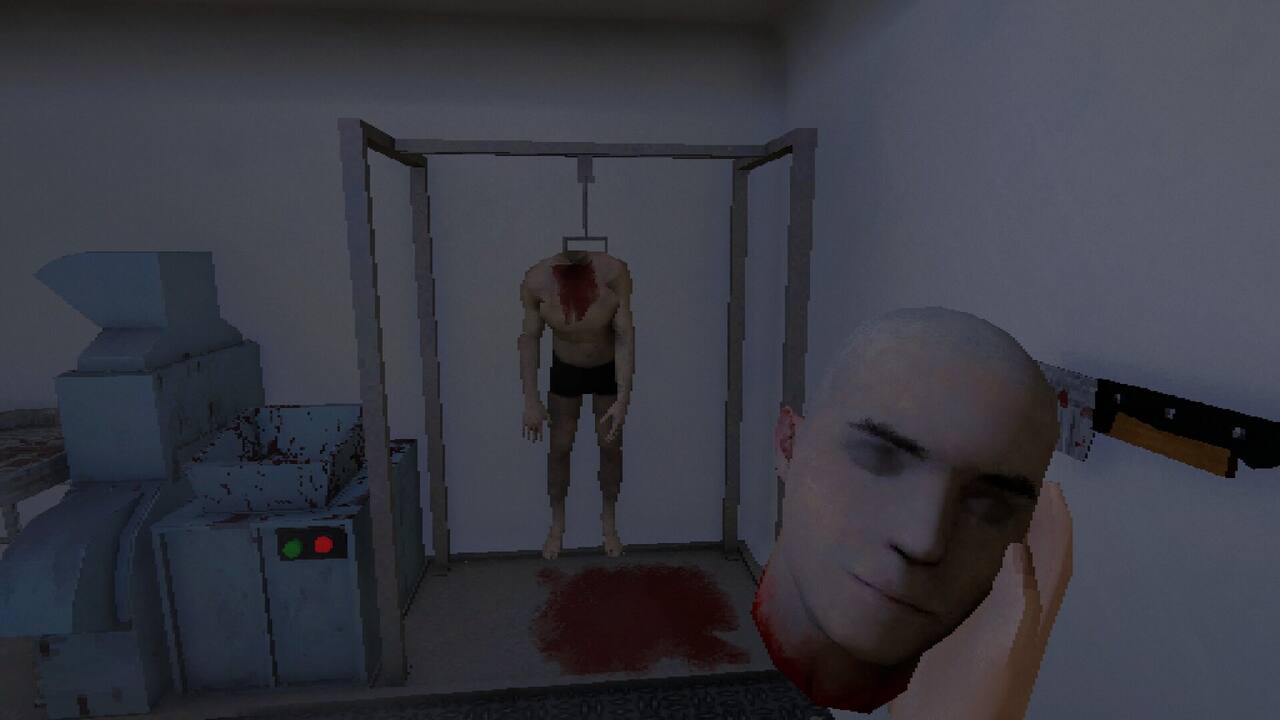
    Meat Grinder: Hotdog Simulator gameplay screenshot
    Image courtesy of Panic Panda via Steam

    With an 81% positive rating on Steam across its initial wave of reviews, the game has struck a chord with players who appreciate a horror twist on mundane job simulators. Player feedback frequently praises the creepy, chaotic atmosphere and the sheer novelty of running a covertly cannibalistic fast-food joint. Reviews highlight how satisfying the core gameplay loop feels, noting that the combination of cozy task management and unsettling story beats keeps them coming back across four to seven-hour playthroughs, with some completionists logging up to 20 hours as Panic Panda continues to drop active updates.

    However, the game’s budget nature means you will encounter some technical rough edges. Physics and collision glitches pop up with annoying frequency. Players report essential kitchen utensils like bread knives clipping through counters and disappearing forever, while collision bugs in the open world can leave you permanently soft-locked behind parking lot fences if an NPC pushes you off course. Achievement tracking is also spotty—one notable bug fails to award an achievement tied to a local priest’s questline, driving frustrated completionists to drop negative reviews despite enjoying the rest of the game. Additionally, players looking for endless replayability note that the story is relatively short, with many calling for co-op multiplayer options or additional branching endings to give the campaign more long-term legs.

    Meat Grinder: Hotdog Simulator is not a massive, polished management sim, nor does it claim to be. It is a stylish, morbidly funny, lo-fi indie project tailored for players who love retro aesthetics, dark humor, and task-based simulator loops. If you don’t mind navigating a few janky physics bugs in exchange for a deeply atmospheric, unusual narrative adventure, this budget-priced excursion to Grimshore is well worth picking up.

    Key Facts

    • Developer: Panic Panda
    • Publisher: Ultimate Publishing, Ultimate Games S.A., PlayWay S.A.
    • Release Date: Aug 11, 2026
    • Price: $7.99
  • Hunt Skeletons Together: A Dollar’s Worth of Grappling Hooks and Calcium Mist

    Hunt Skeletons Together: A Dollar’s Worth of Grappling Hooks and Calcium Mist

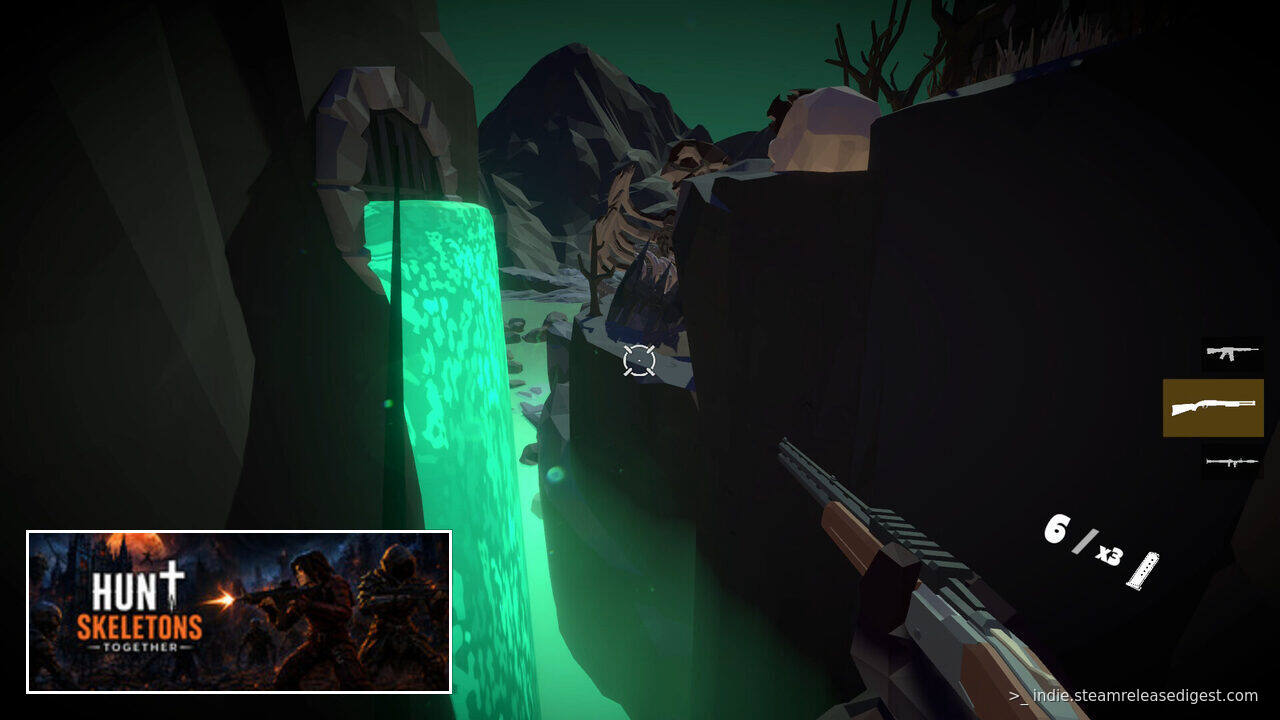
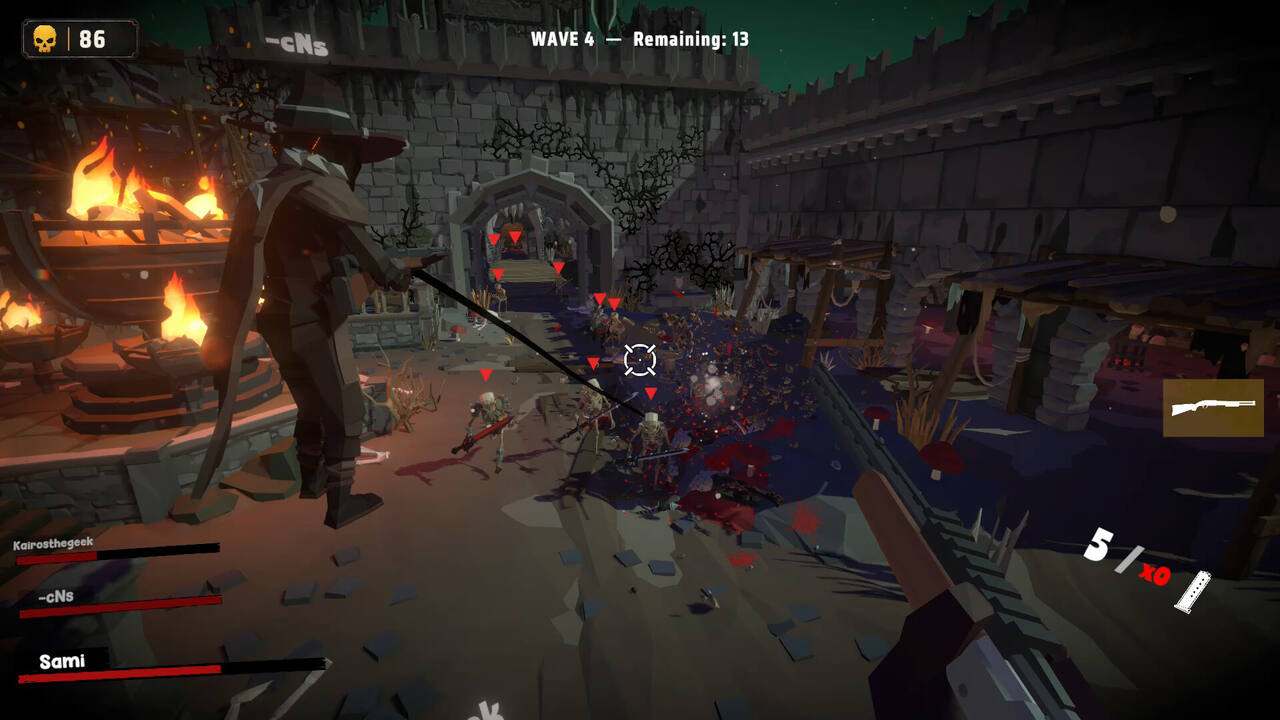
    One player described Hunt Skeletons Together as a great way to “turn skeletons into a calcium mist,” and for less than the price of a vending machine soda, that assessment hits the mark precisely. Launched by developer cnsgames, this dollar-bin wave shooter doesn’t pretend to be an expansive dark fantasy epic. Instead, it offers a fast, physics-heavy arena where up to four players swing from cathedral rafters and shatter animated bone packs into airborne debris.

    The arena itself is a ruined cathedral suspended over Hell, where the damned continuously crawl out of cracked stone floors. You aren’t fighting slow, mindless shamblers here. The enemy horde jumps onto pews, climbs altars, and leaps off broken balconies in coordinated packs. Ranged variants hurl bone shards and hexed stones across the nave, ensuring that standing still on high ground isn’t a safe option for long. Beyond standard skeletal swarms, the game teases larger threats like an ancient bloodlord stalking the dark when the aisles fall quiet.

    To handle the assault, you get a clean arsenal—assault rifle, shotgun, rocket launcher, and bare fists when ammo runs dry—backed by an aggressive movement system. Firing your grappling hook at high arches and wooden beams lets you pull yourself out of a closing swarm in an instant. Mobility acts as an offensive weapon as much as an escape route, especially when paired with the game’s dismemberment physics. Blowing off limbs sends ribs and skulls skittering across the floor, while crippled enemies drag their remaining upper torsos across consecrated stone to keep attacking.

    Hunt Skeletons Together gameplay screenshot
    Image courtesy of cnsgames via Steam

    Whether playing in online co-op, surviving solo, or turning on your teammates in a brutal free-for-all PvP mode, the game prioritizes immediate momentum. Every kill feeds into unlocking cosmetics, and rockets travel with distinct projectile physics synced across all players in the match. It feels intentionally arcadey, right down to dynamic crosshairs and punchy recoil feedback on every shot.

    The Good, the Rough, and the Phonk

    Player sentiment reflects this brief, unpretentious design, sitting at an 81% positive review score across its release period. Reviewers frequently celebrate the fluid grappling hook movement and the hilarious absurdity of sitting in the main menu making their customized avatars headbang. At under a dollar, many feel they easily got their money’s worth of quick, chaotic fun with friends.

    Yet the cracks show quickly. The soundtrack—a short, looping phonk track—draws widespread criticism, with multiple players recommending muting the audio entirely in favor of their own heavy metal playlists. Balancing is another sore spot: players note that once you master the grapple mechanics, even the hardest difficulty settings become predictable and dull. Others point out the lack of content depth, noting that you can comfortably unlock 100% of the achievements within an hour, leaving little reason to return once the initial novelty wears off. Complaints about repetitive gameplay, limited weapon variety, and potential AI asset usage also temper expectations.

    The Verdict

    Hunt Skeletons Together isn’t trying to steal your entire weekend. It is a rough, lightweight arcade distraction best enjoyed as a late-night warm-up game with a few friends. If you go in expecting a deep progression loop or an expansive campaign, you will be frustrated. But if you have ninety-nine cents to spare and want to grapple through a hellish cathedral blowing skeletal limbs off with rocket launchers, it delivers a surprisingly fun hour of pure, unadulterated nonsense.

    Key Facts

    • Developer: cnsgames
    • Publisher: cnsgames
    • Release Date: Aug 11, 2026
    • Price: $0.99
  • The Comeback King: ZX Spectrum Nostalgia Meets the Brutal Math of 1980s Boxing Management

    The Comeback King: ZX Spectrum Nostalgia Meets the Brutal Math of 1980s Boxing Management

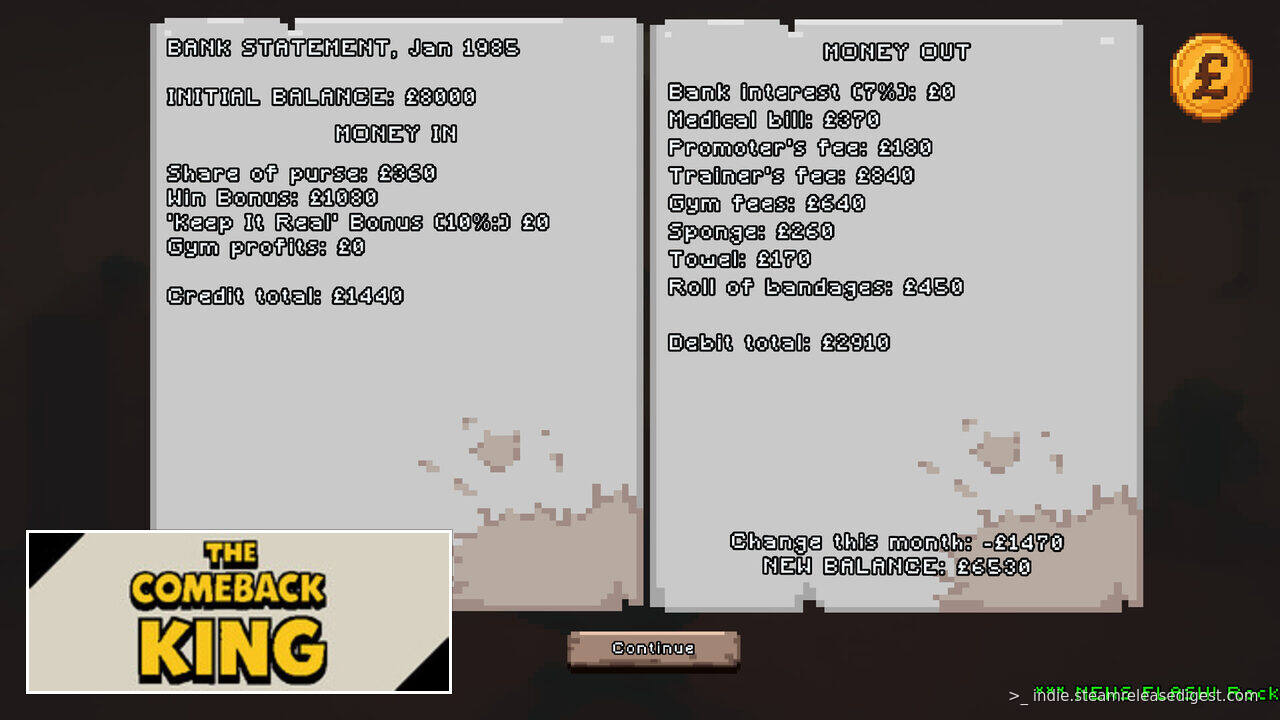
    Buying wildly overpriced sponges, toweling down a battered pixel fighter between rounds, and shouting tactical advice from the corner that your boxer completely ignores—that is the immediate texture of this release. Anyone stepping into this retro British sports sim expecting hands-on arcade punching will quickly find themselves standing strictly behind the ropes, biting their nails as automated bouts unfold in front of them.

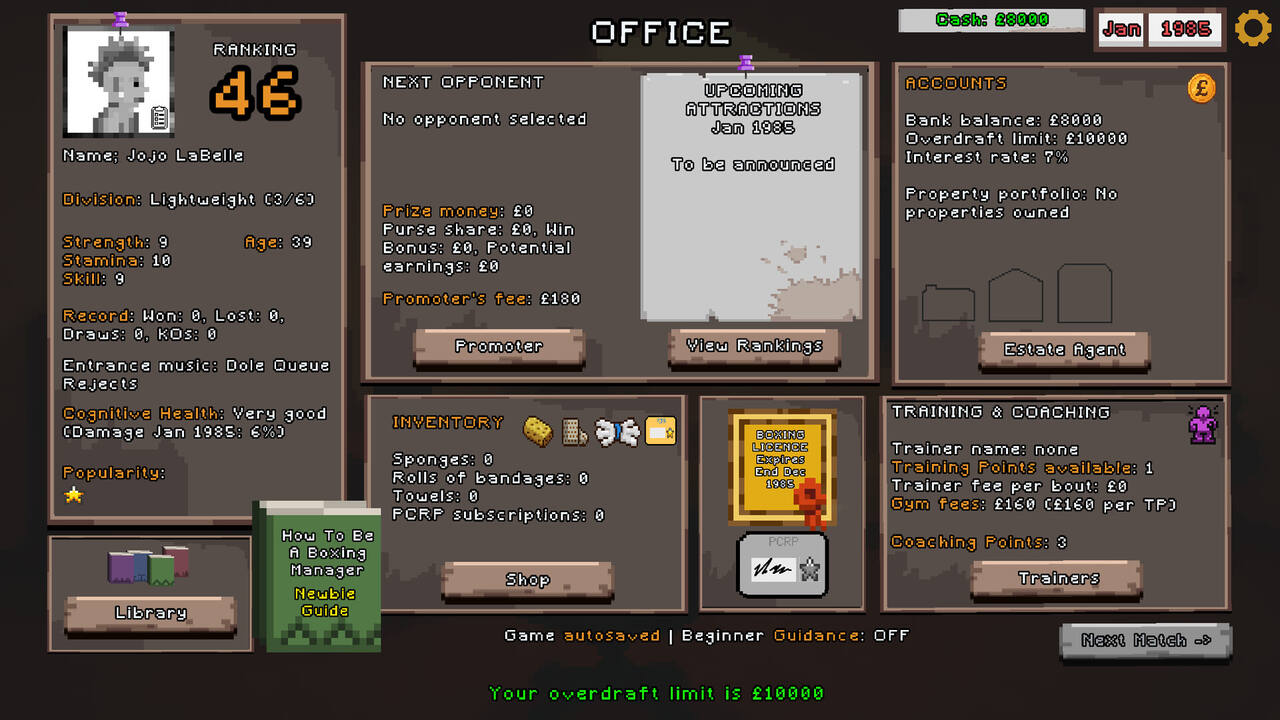
    Set in 1980s Britain, the game casts you as the manager of a washed-up, thirty-something prize fighter trying to scrape his way back to a championship after his previous manager skipped town with his life savings. Conceived as a modernized, polished overhaul of a vintage ZX Spectrum game, solo developer Ian Williams keeps the focus tightly on administrative strategy. You do not throw a single jab yourself. Instead, you balance a modest budget, hire trainers, select gym routines, purchase cut-man supplies like bandages and sponges, and hand-pick opponents as you climb the British rankings.

    Once fight night arrives, the game shifts to a spectator view driven by clean pixel art and a vibrant synth-heavy 80s soundtrack. Your involvement during a round is limited to yelling instructions from the corner—which your boxer may or may not heed based on his tactical training—and tending to his cuts, swelling, and stamina between rounds. It turns every fight into a nervous test of your mid-week preparation and financial discipline.

    The Comeback King gameplay screenshot
    Image courtesy of Ian Williams via Steam

    Early player response across Steam is universally positive, with reviews pointing to a dangerously compelling “just one more match” loop. Players highlight the charming retro atmosphere, excellent music, and the active, responsive presence of the developer in community discussions. For those who grew up on classic 8-bit computers, the game nails the nostalgic pulse of late-20th-century sports strategy without the clunky user interfaces of that era.

    That straightforward design, however, comes with noticeable limitations. Multiple players point out that on normal difficulty, the core loop can drift into a predictable “bigger number beats smaller number” mathematical check, where fight outcomes are mostly clear beforehand unless a sudden injury intervenes. Visual variety is another pain point: the lack of a character generator or opponent customization means you will fight against a recurring pool of identical sprite models as you work through the ranks. Furthermore, stepping up to the higher difficulty settings introduces a steep spike in challenge that can leave players tearing their hair out, prompting calls for deeper management levers, such as more complex dynamic attributes or expanded training systems, to help navigate those razor-thin margins.

    The game is best suited for fans of light retro strategy, retro-gaming archivists, and anyone who enjoys the breezy satisfaction of low-stress management loops that respect your time. If you are looking for a deep, spreadsheet-heavy simulation like Football Manager or an action-heavy brawler, its modest scope may feel overly simplistic. But as a focused, affectionate homage to a bygone era of microcomputer sports games, it delivers plenty of punch for a quick evening session.

    Key Facts

    • Developer: Ian Williams
    • Publisher: Subjunctive Software
    • Release Date: August 11, 2026
    • Price: $10.99
  • Covert X Universe: Anime Air-Dashing and Sandbox Chaos in a Rough-Around-the-Edges MMO

    Covert X Universe: Anime Air-Dashing and Sandbox Chaos in a Rough-Around-the-Edges MMO

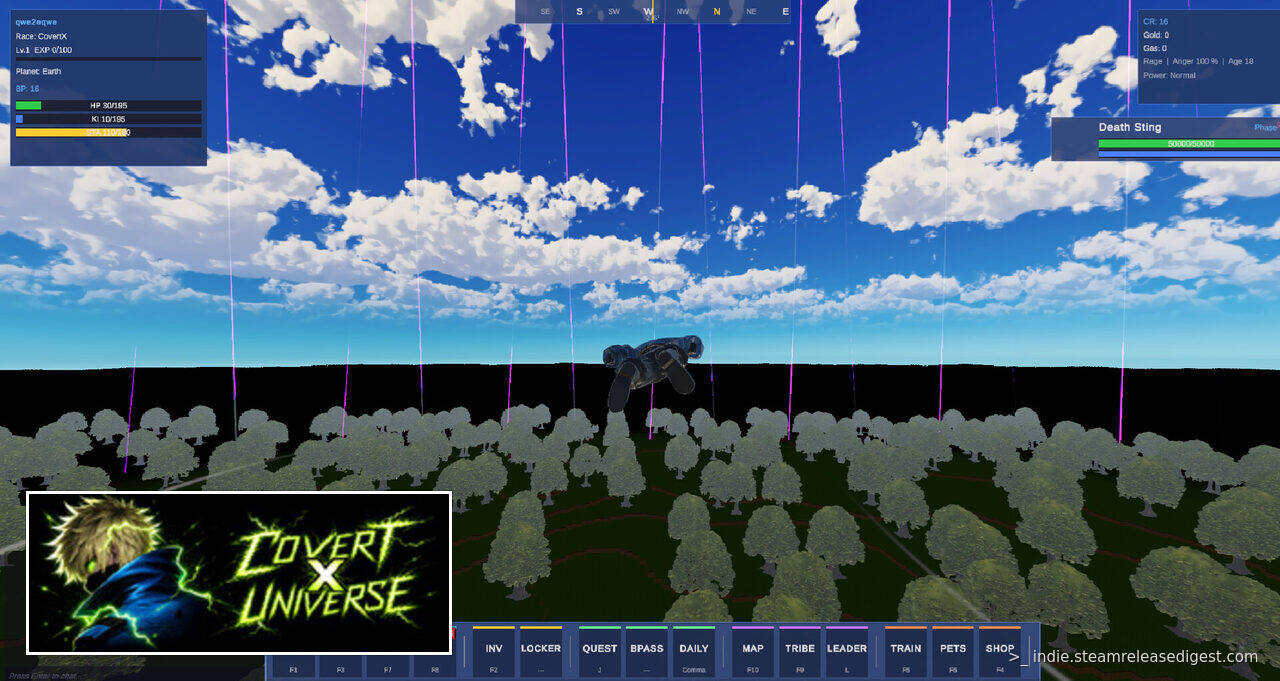
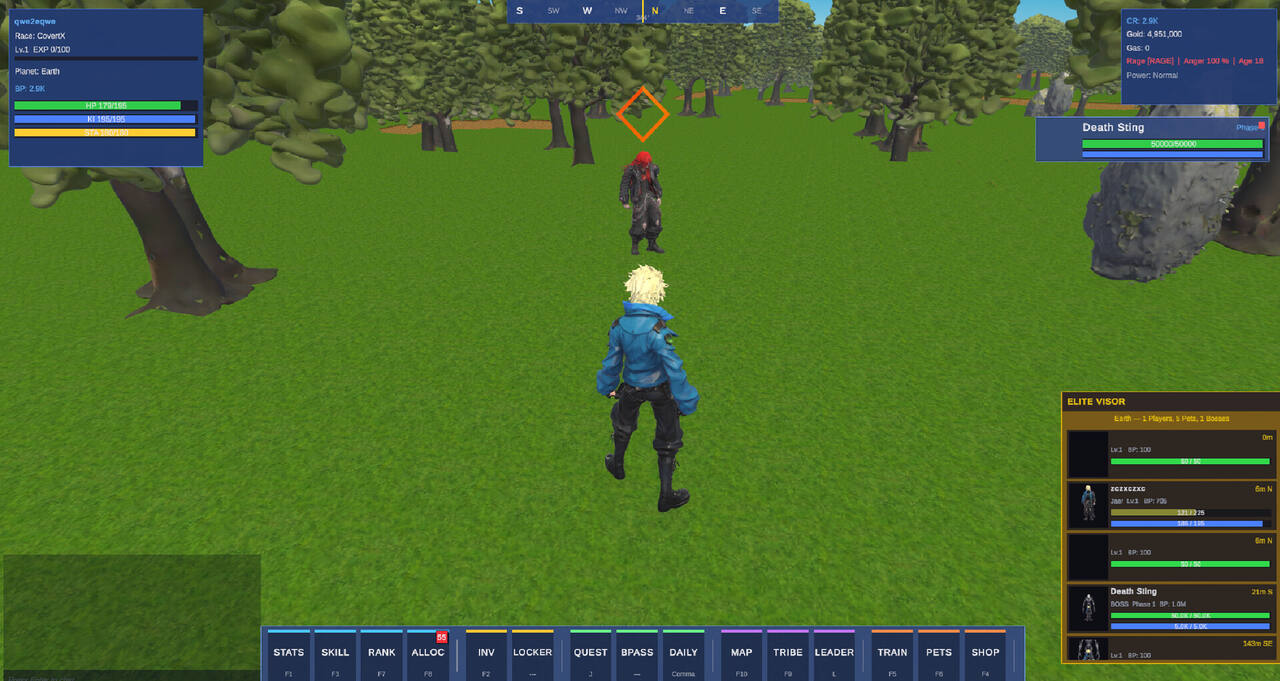
    Punching an opponent, air-dashing across the screen, and finishing them off with a blinding nova blast captures the chaotic, high-energy combat animating Covert X Universe. This online, anime-inspired sandbox MMO throws players into a vast, nine-planet solar system where survival, base building, and raw combat collision dictate your success. It is an ambitious, unpolished project that sits somewhere between the survival loops of Ark, the sandbox freedom of Minecraft, and the planetary scale of No Man’s Sky, held together by a highly kinetic, Dragon Ball Z-style power scaling system.

    At its core, the game challenges you to carve out your own path across a connected universe. You begin by choosing from nine starter races, with the ultimate goal of unlocking up to 64 distinct races as you grow stronger and utilize the game’s reincarnation system. Progress is not about following a linear questline; instead, players are expected to gather resources, craft items, build fortified bases, and form tribes to survive the open-world PvP environment. To travel between the game’s nine distinct planets, you do not just click a fast-travel button—you actually have to launch into the atmosphere and fly through deep space, encountering bosses, harvesting rare resources, and taming powerful Battle Pets that fight alongside you in real time.

    Covert X Universe gameplay screenshot
    Image courtesy of Covert X Gaming via Steam

    For players who have sunk dozens, or even hundreds, of hours into the game, the combat is the undisputed star of the show. Dedicated players praise the sheer physical feel of the encounters, noting that mastering the power scale system allows for incredibly fast-paced, vertical battles. The thrill of aerial mobility, combined with a wide array of skills, items, and competitive environments like universe-wide tournaments and Battle Royale-style events, creates a highly addictive loop. If your idea of fun involves lawless chaos, raiding other players, and engaging in high-stakes PvP, this sandbox offers a wild, permissive playground to do exactly that.

    However, Covert X Universe is heavily divided by technical roadblocks that will test the patience of any player. While some users report smooth performance, others find the game to be an unoptimized hardware hog that pushes CPU, GPU, and RAM consumption to near-maximum capacity while delivering single-digit framerates on competent machines. The game’s settings menu is notoriously finicky, frequently failing to save adjustments and defaulting back to high graphics settings upon restart. The visual presentation and animations are noticeably basic and unpolished, which has led to criticisms that the game relies heavily on a collection of mismatched assets.

    Worse still are the functional bugs currently plaguing the user experience. Players report running into invisible physical hitboxes while exploring, and the user interface is prone to frustrating glitches. Crucial menus occasionally fail to scroll properly, snapping back to the top of the screen and preventing players from reading descriptions or allocating their hard-earned stat points. These rough edges create a steep barrier to entry, transforming what should be a smooth progression grind into a battle against the interface itself.

    Covert X Universe is a game built for a very specific crowd. If you are looking for a polished, narrative-driven MMO experience, you should look elsewhere. But if you have a high tolerance for indie jank, love the lawless freedom of open-world survival, and want a combat system that lets you live out your high-flying anime battle fantasies, this rough-around-the-edges sandbox offers a deeply compelling, chaotic universe worth exploring.

    Key Facts

    • Developer: Covert X Gaming
    • Publisher: Covert X Gaming
    • Release Date: May 30, 2026
    • Price: $14.99
  • Stickforge: Why This Chaotic Ragdoll Arena Has a Secretly High Skill Ceiling

    Stickforge: Why This Chaotic Ragdoll Arena Has a Secretly High Skill Ceiling

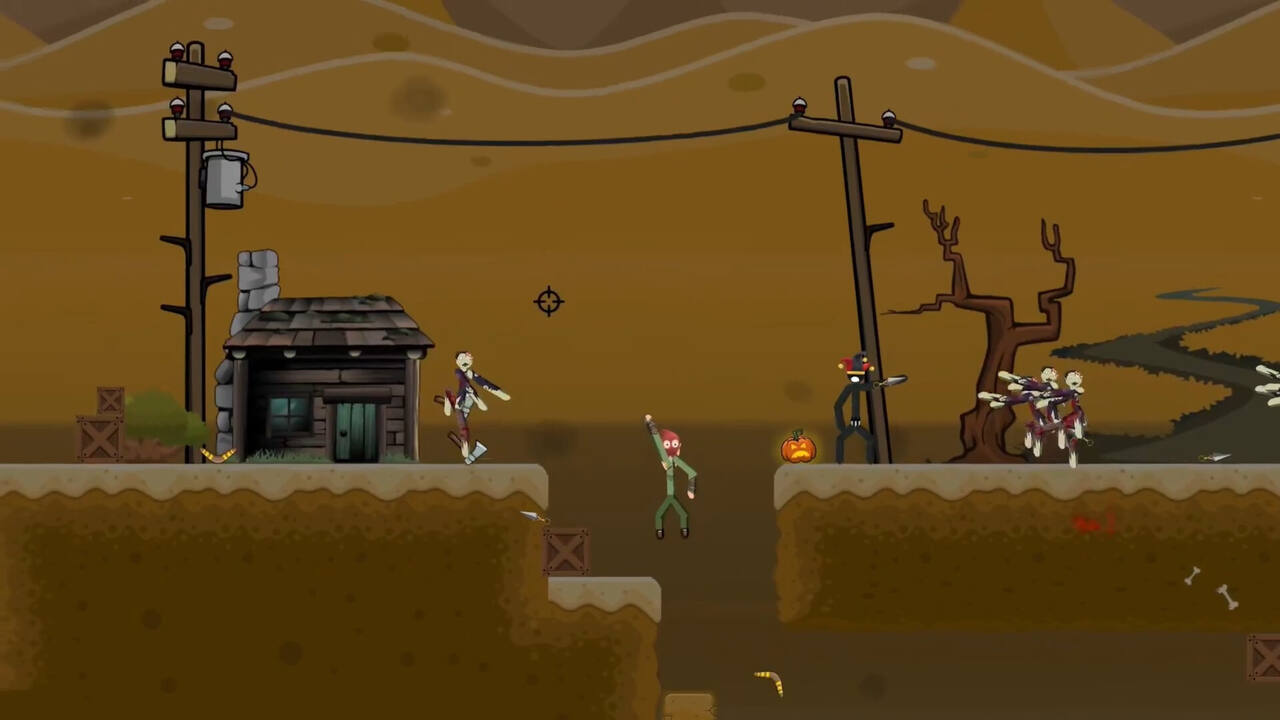
    In Stickforge, players can drop into a flexible ragdoll stance that loosens their stickman’s joints, allowing them to manually shift their character’s body to duck under flying projectiles or slide around platforms with chaotic, physics-driven momentum.

    At first glance, this multiplayer 2D sandbox shooter looks like a relic from the golden era of browser-based Flash games. It features simple stick-figure aesthetics, flat platforms, and a chaotic layout of obstacles. But beneath that minimalist exterior lies a surprisingly sweaty, high-APM (actions-per-minute) competitive arena. While it presents itself as a casual physics playground, the reality of surviving a match in Stickforge requires a deep understanding of its momentum and geometry.

    The Physics of the Fight

    Combat in Stickforge is entirely dictated by weight and gravity. Instead of standard, rigid platforming controls, your stickman reacts dynamically to the environment. When you enter the game’s unique ragdoll state, you gain the ability to contort your character’s limbs and torso on the fly. Good players use this not just to look silly, but to actively dodge incoming fire, slip through tight gaps, and peak over ledges without exposing their entire body to enemy players. It turns every shootout into a tense, high-speed game of micro-positioning.

    The weapons demand just as much calculation. Projectiles—such as bolts from the game’s signature crossbows—are heavily affected by gravity. You cannot simply point and click; you have to calculate the arc of your shots. This mechanic allows for incredibly satisfying indirect fire, letting experienced players lob shots over defensive barriers to hit opponents who think they are safely behind cover. Combined with customizable equipment like helmets and various weapon tiers, the tactical variety is surprisingly robust for a game that costs less than a fancy cup of coffee.

    Stickforge gameplay screenshot
    Image courtesy of Noldo via Steam

    A Creative Sandbox

    When you are not dodging arrows, Stickforge acts as a highly accessible creation engine. Creator Noldo (previously known for BattleStick) has built the game with Steam Workshop support at its core. Players are encouraged to use external, free design tools like the “Tiled” map editor to construct their own battlegrounds, or standard digital painting software like Krita, GIMP, and Photoshop to draw and import custom stickman skins.

    The ultimate vision for the game is highly ambitious, promising the eventual ability to link custom maps together to create sprawling, cooperative open-world games complete with custom NPCs, boss fights, and multiplayer raids. Currently, however, the focus remains firmly on the immediate, physics-based PvP matches hosted on official USA servers.

    What the Players Say

    With an 80% positive review rating on Steam, Stickforge has quickly carved out a dedicated niche, though it is not without its polarizing elements. Enthusiasts praise the game’s unexpectedly high skill ceiling. One player with dozens of hours logged highlighted how the game rewards players with fast fingers, noting that manipulating the character’s physics to find angles makes it a standout PvP experience. Others have praised the nostalgic charm, comparing the graphics and physics favorably to old-school flash games they played during their school days.

    However, the game’s rough edges have caused some frustration. Players looking for a smooth, plug-and-play modern package have found the experience a bit barebones. There are complaints about the lack of native peer-to-peer hosting and the absence of a robust single-player mode, which can make the game feel lonely if you do not have a group of friends to play with or a populated dedicated server to join. Furthermore, the chaotic physics and minimalist presentation can feel a bit too unpolished for players who prefer structured, highly predictable platformers.

    The Verdict

    Stickforge is a game for players who love to master unusual movement systems and do not mind a bit of indie jank. If you have fond memories of early-2000s browser games but want something with enough mechanical depth to reward high-APM competitive play, the high skill cap here is genuinely rewarding. It is also an excellent, cheap toybox for creative players who want to design custom maps and skins with minimal fuss.

    However, if you are looking for a polished, single-player platformer or hate chaotic, physics-based controls, this stickman brawl likely won’t win you over. At its budget price point, it is a specialized tool—one that demands practice to truly master.

    Key Facts

    • Developer: Noldo
    • Publisher: Noldo
    • Release Date: May 27, 2026
    • Price: $4.99
  • Hell’s Bell: The Punchy, Unhinged, One-Hour Brawler You Didn’t Know You Needed

    Hell’s Bell: The Punchy, Unhinged, One-Hour Brawler You Didn’t Know You Needed

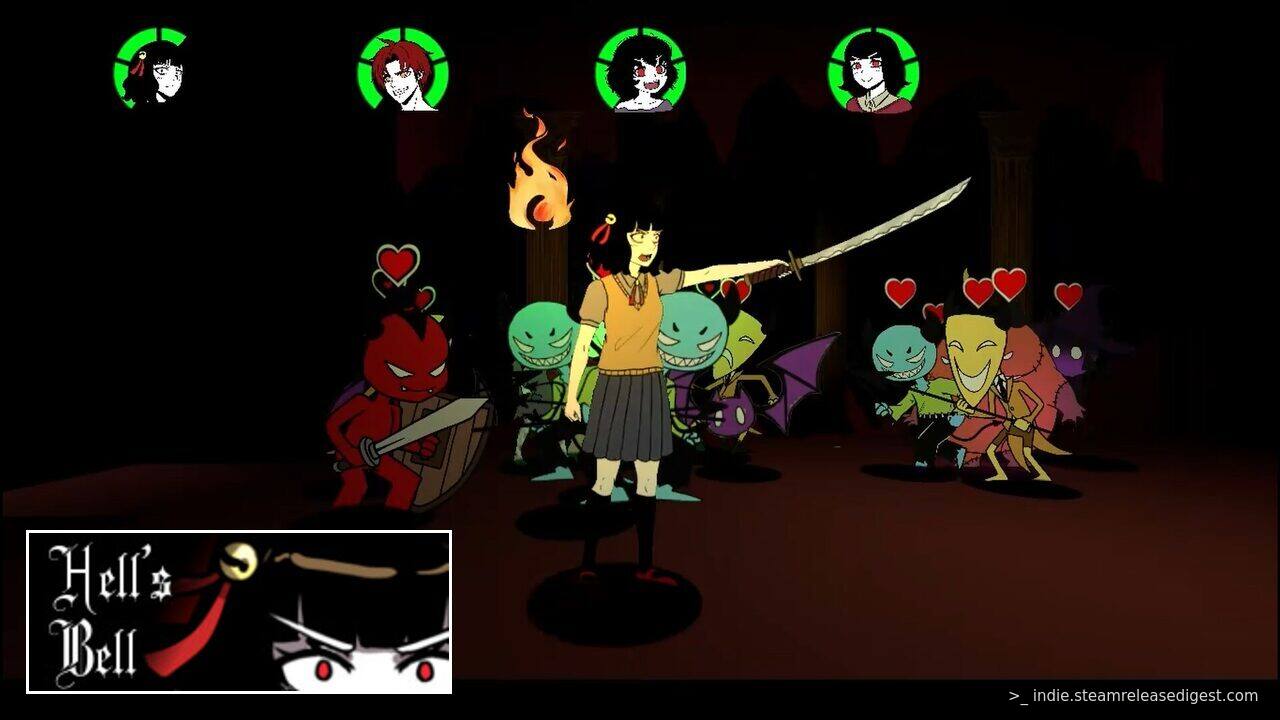
    Bell learns a devastating family secret, descends into the underworld to hunt down her sisters, and immediately starts trading blows with legions of hand-drawn demons. There is no save button, no checkpoint to return to tomorrow, and no branching narrative paths. Horror Shop’s Hell’s Bell is designed to be swallowed whole in a single, breathless, one-hour sitting—a bite-sized punch to the jaw that feels like an afternoon spent at a classic arcade cabinet.

    At its core, the game is a straightforward, arena-style beat-’em-up. You enter a screen, the denizens of hell swarm in, and you teach them a lesson in violence using fast-paced combat mechanics. Once the dust settles on a brawl, you are treated to fully voice-acted, light-hearted cutscenes that push the narrative forward. This snappy pacing makes the game feel less like a modern, bloated campaign and more like binging a highly energetic, slightly chaotic animated show. The combat demands quick reflexes, especially if you step outside of the relatively forgiving Normal difficulty. You are constantly positioning Bell to avoid being surrounded, managing space, and unleashing strikes to clear the screen before the next wave of underworld monstrosities closes in.

    What gives the game its distinct flavor is its aesthetic presentation. Every character, demon, and background is 100% hand-drawn, featuring an art style where everyone looks delightfully unhinged. This quirky visual identity is backed by a stellar original soundtrack and full voice acting that punches well above its weight class. Players have praised this presentation, noting that the sheer amount of love, care, and personality poured into the project makes it feel like a cohesive, high-quality work of art. It is the kind of game where the expressive animations and voice performances carry the simple story, elevating it into something far more memorable than a generic indie asset-flip.

    Hell's Bell gameplay screenshot
    Image courtesy of Horror Shop via Steam

    However, the game’s compact nature and small-scale development mean it comes with some notable rough edges. The most prominent mechanical gripe from players is the lack of customizable controls, which can make the fast-paced action feel unnecessarily rigid for those used to personal layouts. Furthermore, while Normal mode is widely considered a bit too easy for seasoned action game fans, the step up to Hell mode introduces a different kind of frustration. Instead of offering a clean, skill-based challenge, Hell mode often devolves into an RNG-heavy survival test. Players have reported getting instantly stun-locked, randomly one-shot, and overwhelmed by chaotic enemy spawns. Rather than arriving in manageable, timed waves, enemies tend to pile on all at once, meaning a victory on the highest difficulty sometimes feels more like a lucky roll of the dice than a triumph of pure skill. Additionally, the developer notes that the game may run poorly on older or slower computers, a technical hitch to keep in mind if your rig is outdated.

    On the community side, the developer has earned immense goodwill for their hands-on support. When a player reported a critical bug that prevented them from finishing the story, the developer didn’t just patch the issue within twenty-four hours—they also patched in a custom feature allowing players to jump directly back to that specific section of the game so they wouldn’t have to replay the entire hour from scratch. It is the kind of responsive, respectful developer behavior that is increasingly rare in the wider games industry, proving that the team at Horror Shop is deeply invested in the player experience.

    This is a game for players who value their time and appreciate a short, highly focused experience with a ton of personality. If you have an hour to spare on a weekend and want a fast-paced, charming, and slightly twisted story, it is an easy recommendation. However, if you are looking for deep mechanical progression, customizable keybinds, or a perfectly balanced ultra-hard difficulty mode, the rough edges might grate on you. It is also worth noting that the developer has announced the game will likely become free starting October 8, though the current five-dollar entry fee is already a bargain for the sheer craft on display.

    Key Facts

    • Developer: Horror Shop
    • Publisher: Horror Shop
    • Release Date: May 12, 2026
    • Price: $4.99
  • Grief, Journaling, and the Fragile Sanctuaries of Plum Road Tea Dream

    Grief, Journaling, and the Fragile Sanctuaries of Plum Road Tea Dream

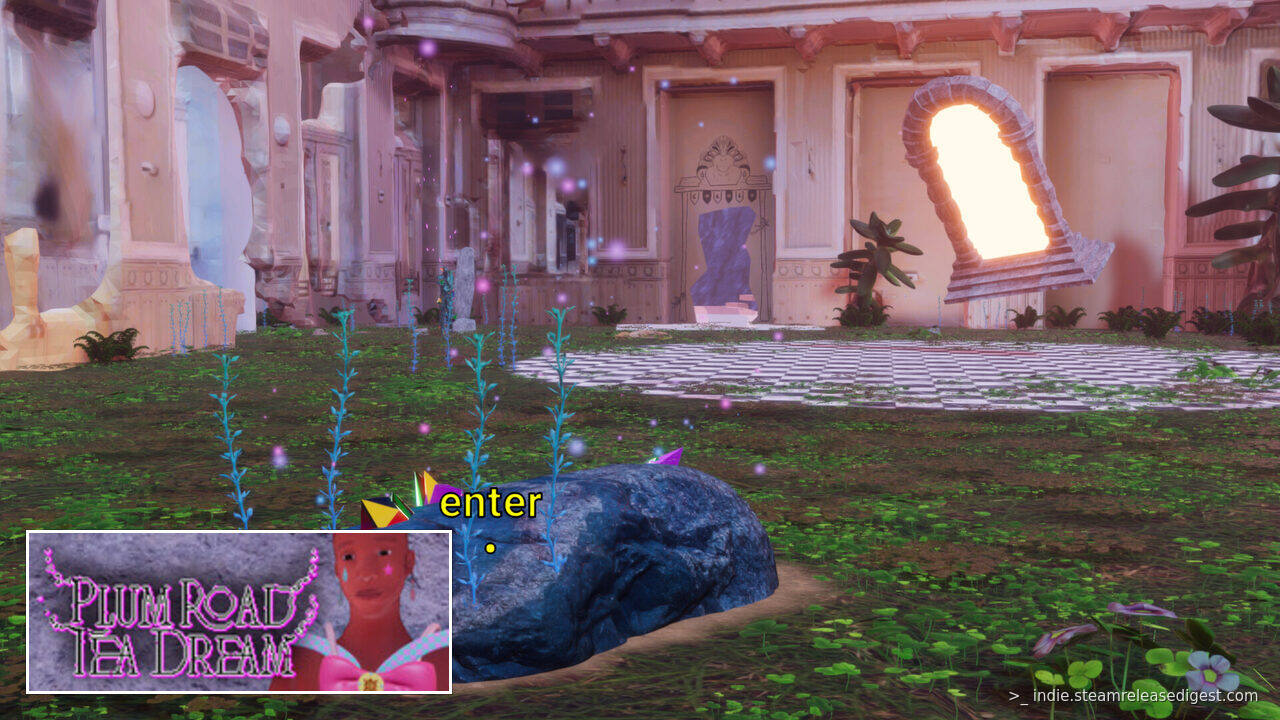
    By walking through raw, 3D-scanned digital spaces, typing into an in-game journal, and assembling animistic gods from scattered tablets, you step directly into the virtual healing ritual of a young, queer game designer of color known only as S.

    An Intimate Tour of Someone Else’s Mind

    This is a semi-autobiographical interactive memoir that functions as a patchwork of digital sanctuaries. Over the course of seven distinct chapters, you navigate a series of surreal spaces built by S. to process profound personal grief and explore identity. The mechanics here are deliberately slow and unhurried: you walk, you sit, you listen, and you read. But the way these simple actions are textured makes the experience feel remarkably tactile and raw.

    Visually, the game is an eclectic collage. It shifts dynamically from hyper-realistic modern environments to the nostalgic, pixelated charm of PSX-era graphics. Crucially, the game makes heavy use of real-world 3D scanning. Rather than walking through perfectly polished, sterile digital assets, you wander through slightly warped, scanned captures of real-world spaces. Within these environments, you engage in abstract mini-games: collecting tablets to construct animistic deities using futuristic machinery, or facing quiet trials of empathy to manifest a weapon called the “Sword of Sadness.” Throughout it all, a personal journal invites you to type out your own thoughts, turning a highly specific autobiographical story into a mirror for your own life.

    Plum Road Tea Dream gameplay screenshot
    Image courtesy of Samuel Baidoo, Reveal Game Studio via Steam

    Where the Magic Lands and Where it Chafes

    Player reception highlights a deeply moving, if polarizing, experience. Those who connect with the game describe it as incredibly “generous.” Players note that while they initially set out to help S. process their grief, the game sneakily carves out a massive, quiet space for the player to confront their own emotional baggage. The implementation of the in-game journal is a particular triumph; players report that the prompt to write appeared precisely when they felt the need to reflect, making the narrative feel deeply collaborative. For many, the gentle direction and raw vulnerability of the writing culminated in a genuinely emotional, tearful ending.

    However, this is a game with sharp, deliberate edges that will alienate some players. It is, unapologetically, a walking simulator with a very slow movement speed and a massive amount of reading. If you do not enjoy slow-paced, text-heavy art projects, you will likely find yourself frustrated. Furthermore, the game’s aesthetic choices have caused some friction. One dissatisfied player criticized the 3D-scanned environments as looking cheap and low-quality, dismissing the game as a collection of poorly scanned empty spaces filled with crude objects. While most players view these glitchy, imperfect scans as a deliberate and beautiful artistic choice that reflects the fractured nature of memory and grief, it is a texture that can easily feel unpolished to those looking for traditional visual fidelity.

    The Verdict: Who Is This For?

    This is a game for players who value emotional resonance over mechanical complexity. If you loved the meta-narrative intimacy of The Beginner’s Guide or the earnest, character-driven heart of Undertale, this game occupies a similar, highly personal space. It is a quiet, contemplative three-hour experience designed to be played slowly, preferably with a warm cup of tea beside your keyboard. However, if you have little patience for slow walking speeds, extensive reading, and the rough-around-the-edges aesthetic of mixed-media indie art, you may want to skip this particular dream.

    Key Facts

    • Developer: Samuel Baidoo, Reveal Game Studio
    • Publisher: Reveal Game Studio
    • Release Date: Jul 27, 2026
    • Price: $9.99
  • Graphite: The Melancholic Roguelike Hidden Inside a Child’s Notebook

    Graphite: The Melancholic Roguelike Hidden Inside a Child’s Notebook

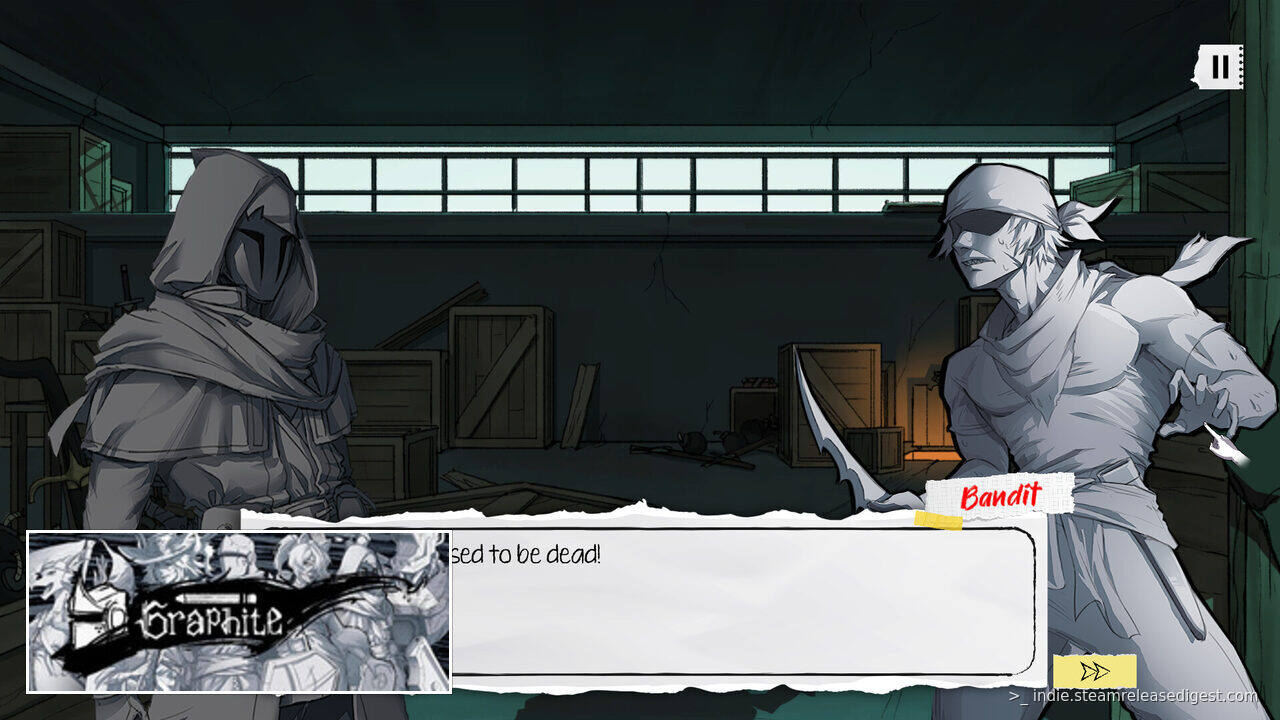
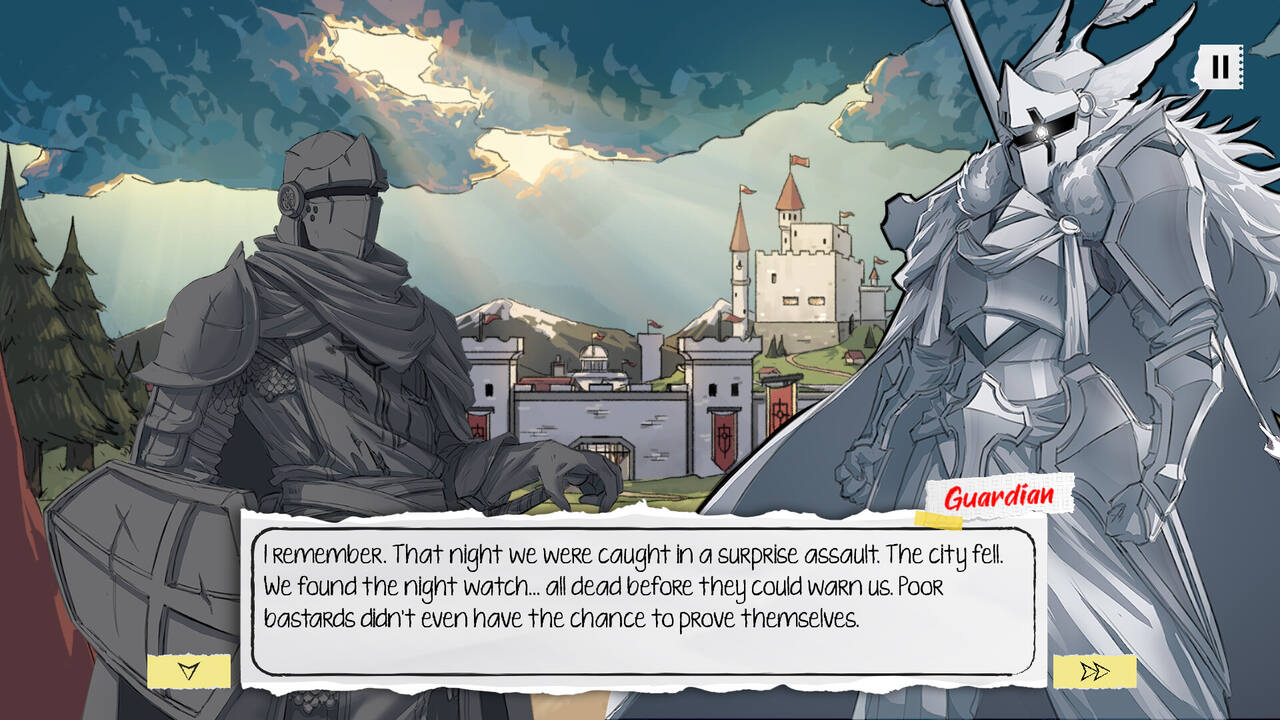
    In Graphite, a character’s level of artistic detail tells you exactly how deeply they have surrendered to a lie. When you first encounter the game’s heroes, they are simple, crude stick-figure doodles scrawled in black ink across blue-ruled notebook paper. But as your party ventures further into the campaign, these raw sketches bloom into highly detailed, beautifully shaded grayscale portraits. This visual transition mirrors the game’s tragic premise: you are playing through a tabletop campaign drawn by a grieving child—known as The Scribe—who is using paper, household junk, and ink to process trauma. The heroes he draws believe their world is entirely real, completely unaware they are merely coping mechanisms for a kid trying to grow up.

    How Graphite Plays

    At its core, Graphite is a lane-based, tactical roguelike RPG where strategic synergy and timing outweigh raw power. You assemble a party of heroes drawn from a roster of seven distinct classes. Each character serves a specific mechanical purpose; players have highlighted combinations like using the Monk and Bard for front-line presence and crowd control, while utilizing the Hunter and Rogue as back-line supports to generate extra gold and utility.

    Progressing through a run means navigating a dynamic timeline. Instead of a standard node map, you draw illustrated pages from a tarot-inspired adventure deck. These cards present narrative “choose-your-own-adventure” scenarios where your current party composition, held items, and past decisions dictate your options. You might choose to help a mysterious stranger, hunt for buried schoolyard treasure, or take a dangerous shortcut. Combat encounters trigger when your choices go awry, pitting your party against hand-drawn monsters that can actually evolve mid-run, forcing you to adapt your strategy on the fly.

    Graphite gameplay screenshot
    Image courtesy of RipRed via Steam

    The combat itself is engaging and demands quick thinking, though RipRed has built in some thoughtful concessions. For players who find the tactical speed a bit overwhelming, there is an toggleable auto-battle option. While player reviews note that the automated AI isn’t nearly as clever or optimal as manual play, it remains a welcome accessibility feature for those who want to focus entirely on the story and build crafting.

    What Players Love

    With an overwhelmingly positive 95% approval rating on Steam, Graphite has quickly won over its quiet pocket of players. The praise centers heavily on the game’s incredible value-to-content ratio. Priced at just $8.99, players are finding an unexpected amount of depth. Several reviews mention putting 30 to 50 hours into the game without yet uncovering the “true ending.”

    The progression loop is highly satisfying. The game starts relatively easy to let players learn the ropes, but the difficulty ramps up in a way that feels challenging yet fair. Players also love the mechanical freedom, noting that the game lets you pull off wild “shenanigans” by breaking the game with creative artifact synergies. Because each of the seven characters features their own distinct narrative arc—complete with a unique, personal second boss fight—every run feels like a meaningful step forward rather than repetitive grinding.

    What Frustrates Them

    Despite the glowing praise for its aesthetics and design, Graphite does have some rough edges that potential players should keep in mind. The most common quality-of-life complaint is the lack of an in-game logbook. Because the narrative is deeply emotional and delivered in fragmented chunks across different character runs, players express frustration at not being able to easily look back and piece the Scribe’s overarching story together in one place.

    Additionally, the game has suffered from minor technical hurdles. Despite its seemingly lightweight 2D notebook aesthetic, some users have encountered unexpected performance issues. One player reported having to refund the game due to high resource usage on an older system, suggesting that the game badly needs an FPS lock or better optimization for modest hardware.

    The Verdict

    Graphite is an exceptional find for strategy fans who love roguelikes like Slay the Spire or Darkest Dungeon but crave a more intimate, character-driven narrative. If you enjoy theory-crafting party builds, appreciate highly original hand-drawn art styles, and don’t mind the lack of a story tracker, Graphite offers an incredibly generous and emotionally resonant experience for less than ten dollars. Just be sure your PC’s hardware is up to date to avoid any performance hitches.

    Key Facts

    • Developer: RipRed
    • Publisher: indie.io
    • Release Date: Jul 27, 2026
    • Price: $8.99
  • Streetlight Syndicate and the Art of the Monochrome Mob Idle Game

    Streetlight Syndicate and the Art of the Monochrome Mob Idle Game

    One of the most satisfying moments in BeagleGuy’s Streetlight Syndicate doesn’t involve complex math, prestige multipliers, or a flashing “Level Up” sign. Instead, it is the silent, gradual evolution of your character’s portrait. As you grind your way up from managing street-corner operations to controlling a sprawling network of illicit operations in Prohibition-era New York, your gritty, down-on-their-luck avatar slowly morphs into a sharply tailored Don. It is a small, purely aesthetic detail, but in an incremental genre often defined by spreadsheet-like dryness, this touch of thematic commitment is precisely what makes the game stand out.

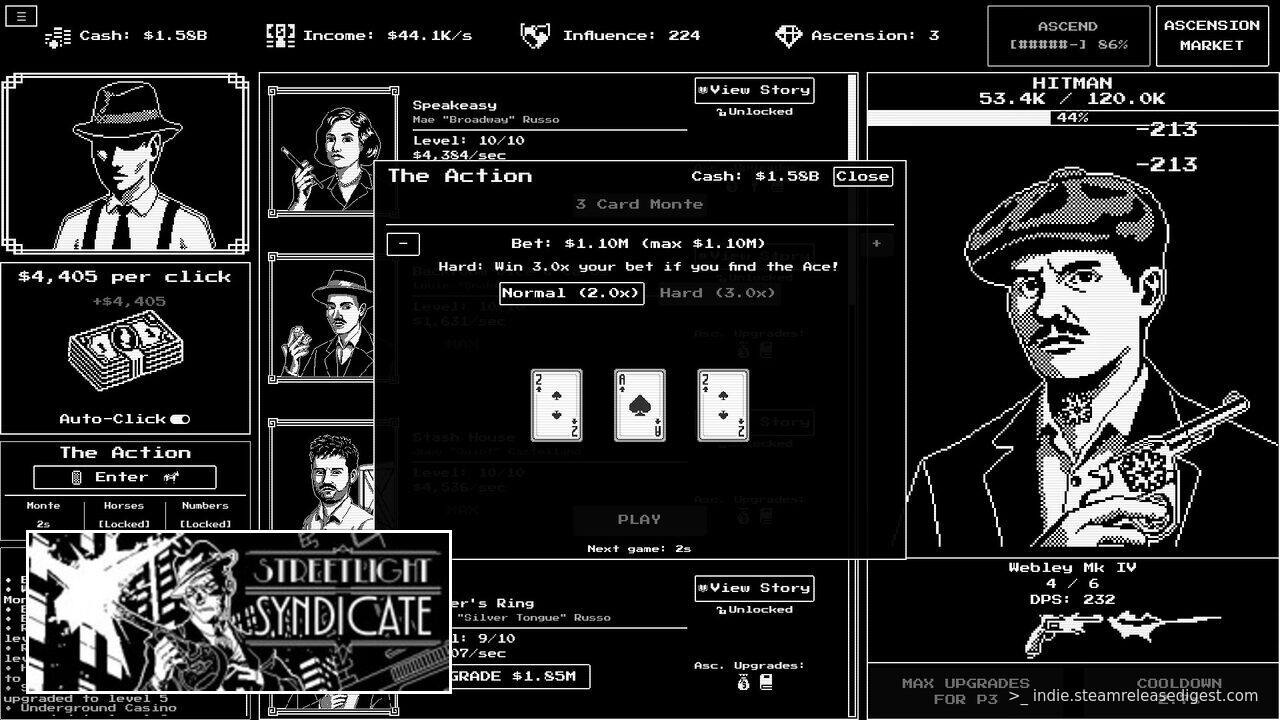
    At its heart, Streetlight Syndicate is a narrative-driven incremental game that strikes a deliberate balance between active play and passive waiting. You begin your criminal career with nothing but a few dollars and an empty ledger. From there, you invest in and upgrade up to 20 different rackets—ranging from neighborhood speakeasies and smuggling rings to high-stakes gambling halls and protection operations. Unlike most idle games where upgraded buildings are just silent cash generators, every racket in this game is run by a unique character. By spending Influence, you can unlock their individual backstories and personal dialogue, weaving a 5,000-word narrative tapestry directly into your financial progression.

    When the passive income slows to a crawl, the game introduces its prestige mechanic: Ascension. Reaching the limits of your current operation forces a reset, wiping your active rackets but rewarding you with permanent Notoriety. This resource is spent across four distinct skill trees: Composure (which automates your collections and helps identify profitable opportunities), Connections (which protects your hard-earned cash and expands your network), and Capo (which strengthens your crew). With 10 narrative ascensions to push through, each reset brings new cutscenes and shifts the story toward one of several ending paths, after which players can transition into an endless “Empire Mode.”

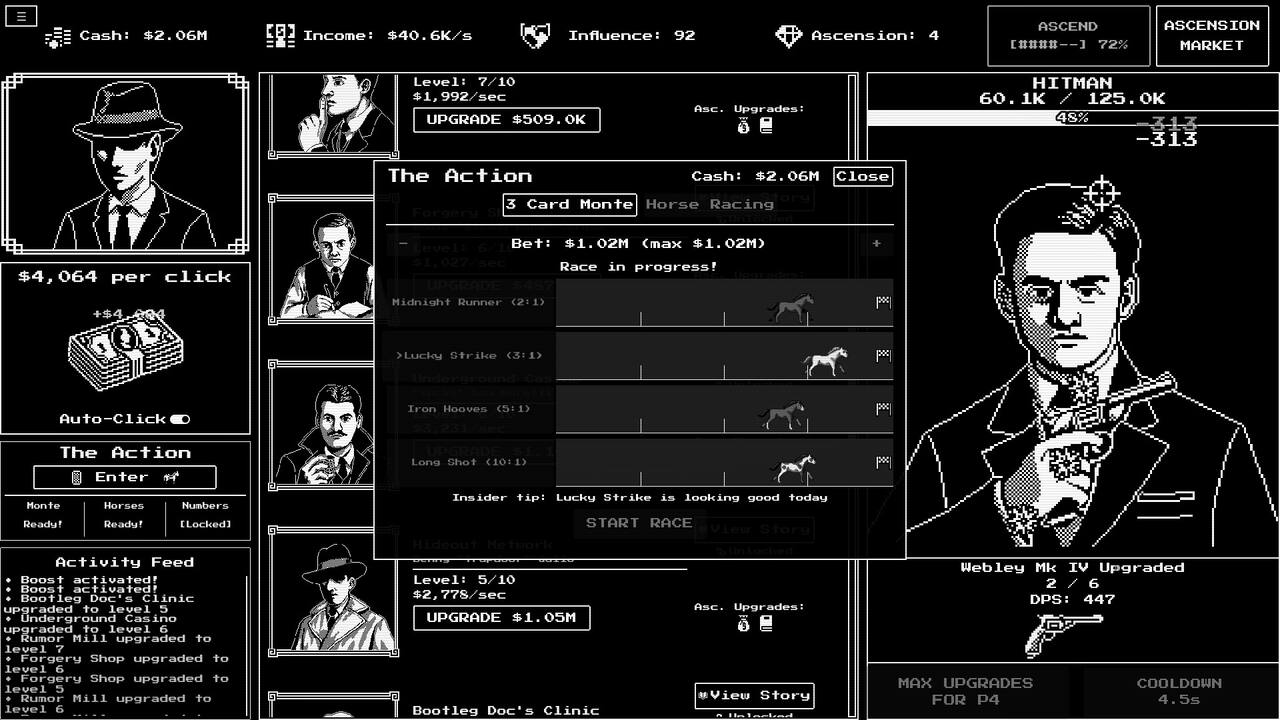
    Streetlight Syndicate gameplay screenshot
    Image courtesy of BeagleGuy via Steam

    For players who prefer to keep their hands dirty rather than sitting back and watching the numbers climb, Streetlight Syndicate offers “The Action.” This is a dedicated hub for gambling minigames that unlock as your influence grows. You can track the Ace in a game of Three Card Monte, work the horse tracks using insider tips to tilt the fixed odds in your favor, or eventually run your very own Numbers Racket. Far from being a simple resource sink, playing these minigames smartly can rapidly bankroll your next major racket expansion, offering a highly active alternative to standard idle progression.

    Steam player reviews highlight a clear divide between those charmed by the game’s atmosphere and those looking for deep, infinite mechanical complexity. On the positive side, players frequently celebrate the game’s exquisite art direction and immersive jazz-age soundtrack. The black-and-white pixel art and the slow-burn noir writing are widely praised for giving the game a distinct personality that most color-coded idle titles lack. Many players appreciate that the game can be comfortably completed over a single weekend, making it a refreshing, self-contained experience rather than a perpetual time sink.

    However, the game is not without its rough edges. Even some of its biggest fans admit that the core progression mechanics are relatively standard for the genre, with one reviewer candidly noting that the “gameplay is mid” despite loving the overall presentation. More critical reviews point out that the game can feel somewhat barebones beneath its stylish coat of paint, relying on very familiar idle tropes. A particularly frustrating issue raised by players who invested dozens of hours is the endgame save-handling, with one player warning that the game’s final transition can feel like a forced save-wipe that complicates completing remaining achievements.

    Ultimately, Streetlight Syndicate is not designed for players seeking an endless, mathematically complex idle simulator to run in the background of their PC for six months. Instead, it is a highly atmospheric, story-focused piece of interactive noir. If you are looking for a relaxing, stylish incremental game with a defined beginning, middle, and end—and you don’t mind a fairly traditional mechanical loop—this low-cost trip to the 1920s underworld is well worth your time.

    Key Facts

    • Developer: BeagleGuy
    • Publisher: BeagleGuy
    • Release Date: Jul 27, 2026
    • Price: $6.99
  • 180°: Facing the Dread of Walking Backward

    180°: Facing the Dread of Walking Backward

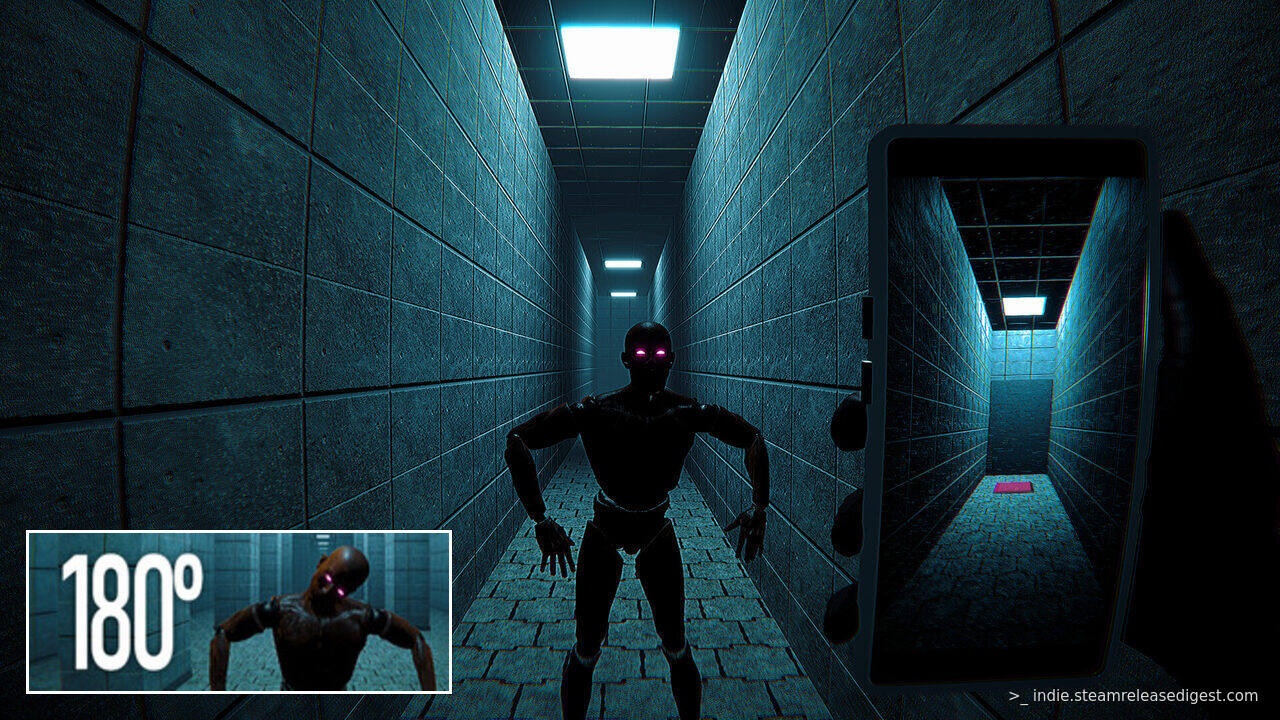
    When you blink in 180°, the screen cuts to black for a fraction of a second. In that tiny window of darkness, the gap between you and the silent entity pursuing you shrinks. Players diving into this minimalist game might expect a typical parade of loud, cheap jump scares designed to startle streamers. Instead, they find a quiet, mechanical exercise in spatial awareness and restraint where the primary way to survive is simply walking backward.

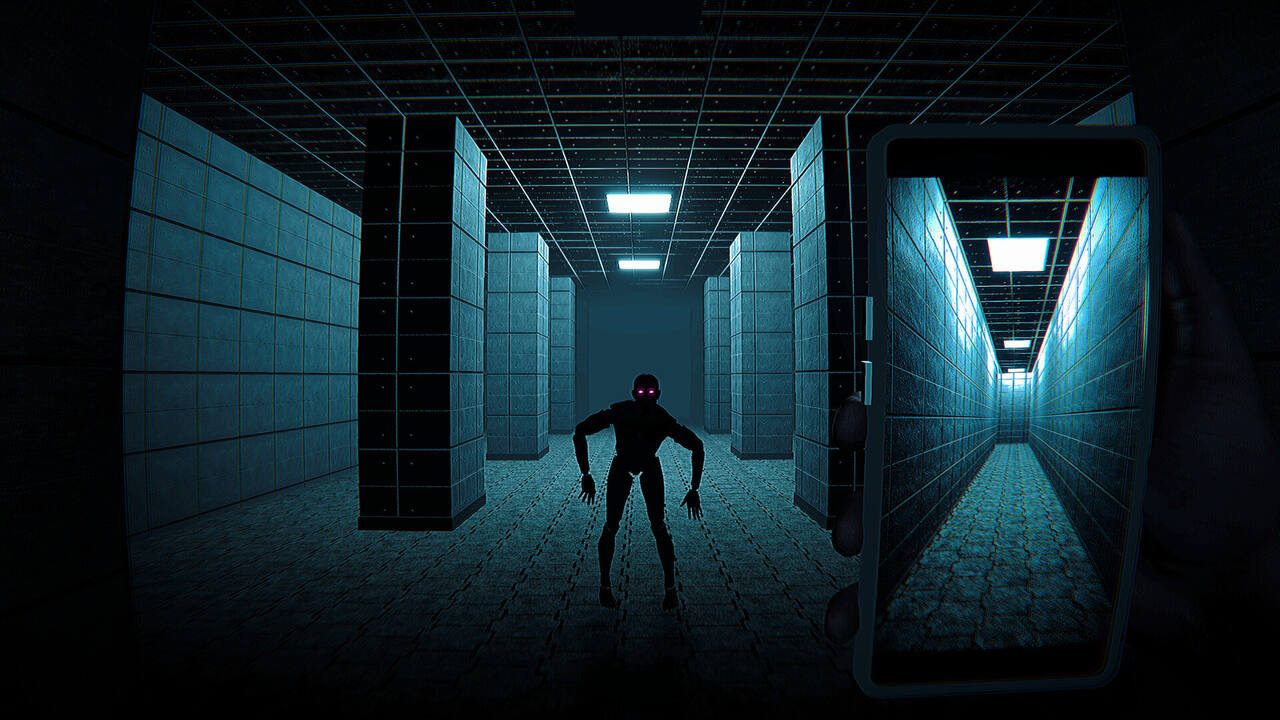
    The core gameplay loop of 180° is built around a classic piece of sci-fi and horror folklore: the monster that cannot move while you are looking at it. You wake up in a sterile, unsettling environment with absolutely no in-game text, tutorial prompts, or lore dumps. The rules of the space must be learned through direct, tense interaction. If you keep your camera trained on the entity, it remains frozen like a statue. But because you need to navigate through hallways and rooms to find an exit, you cannot stare forever. You must constantly make a physical 180-degree turn, scurry forward a few paces, and then whip back around before the creature closes the distance.

    This push-and-pull is complicated by the automatic blinking mechanic, which forces brief moments of vulnerability even when you are staring the monster down. The game also introduces simple environmental puzzles to disrupt your rhythm, most notably a black-out room that strips away your vision entirely, forcing you to rely on memory and spatial tracking to navigate while the creature creeps closer in the dark.

    180° gameplay screenshot
    Image courtesy of ABKB。 via Steam

    Player reception sits at a fascinating crossroads. While 180° currently enjoys a 100% positive rating on Steam, the actual written reviews reveal a community that is highly appreciative of the concept but honest about its limitations. Players widely praise the game’s tense, unsettling atmosphere. Going into the game blind pays off; players note that the lack of cheap, constant jump scares allows a deeper psychological tension to build naturally. The implementation of the “Weeping Angel” mechanic feels physical and immediate, making a 30-to-45-minute playthrough feel remarkably intense.

    However, players are equally vocal about the game’s rougher edges. For some, the central gimmick is almost too simple. Once you realize the optimal strategy is often just walking backward in a straight line, the fear factor dissipates, leaving a game that feels slightly too easy. Furthermore, players pointed out a noticeable lack of ambient sound. Without a subtle audio landscape to back up the visuals, some rooms can feel empty and quiet in a way that feels more “boring” than terrifying. The prevailing sentiment is a desire to see this developer take these exact mechanics and expand them into a larger project with tougher puzzles, more complex environments, and a variety of enemy behaviors.

    Ultimately, 180° is a bite-sized experimental piece. It is not for players looking for a deep, mechanically complex adventure or a narrative-heavy horror game. It is a 30-minute mechanical exercise. If you are a fan of micro-horror, appreciate clean, text-free game design, or simply want a tense visual puzzle to solve over a cup of coffee, this minimalist title is well worth the pocket-change asking price.

    Key Facts

    • Developer: ABKB。
    • Publisher: ABKB。
    • Release Date: Jul 10, 2026
    • Price: $3.20