Author: sitemill

  • 东北往事: A Gritty, Flawed, and Fascinating Live-Action Journey Into China’s 1980s Underworld

    东北往事: A Gritty, Flawed, and Fascinating Live-Action Journey Into China’s 1980s Underworld

    In the opening scenes of 东北往事, you are thrust directly into the cold, concrete streets of 1980s Northeast China, navigating high-stakes underworld conflicts where your choices split the live-action footage down vastly different narrative paths. This is not a polished, computer-generated cinematic, but a full-motion video (FMV) experience featuring the original cast of a classic 2012 Chinese television series, complete with heavy regional dialects and intense, choreographed physical combat. It immediately sets a tone that is distinct, raw, and unapologetically specific to its time and place.

    The Life of Zhao Hongbing

    At its core, 东北往事 plays out as an interactive crime epic where you step into the shoes of Zhao Hongbing. Based on a novel series that sold over 40 million copies, the game tasks you with navigating twenty years of gang disputes, shifting alliances, and survival in a volatile era of economic transition. Structurally, it functions as a branching visual novel, but the medium is entirely live-action video. Every decision you make—whether to stand fiercely by your brothers or swallow your pride to survive—can fundamentally alter the trajectory of the story, leading to wildly different narrative branches and multiple high-stakes endings.

    While many interactive movies rely entirely on dialogue options, this game integrates active combat sequences into its FMV framework. Players have noted that these action scenes are surprisingly well-executed, injecting a sense of physical danger and urgency into what could otherwise be a passive viewing experience. The tension isn’t just in what you say, but in how you react when the fists start flying.

    东北往事 gameplay screenshot
    Image courtesy of 二狗科技 via Steam

    Where the Game Shines, and Where It Stumbles

    The game’s greatest strength lies in its performances and character writing. Every main character is written with distinct motivations, distinct personalities, and emotional arcs that successfully make players care about their fates. The voice acting is standout, delivering emotional performances that give weight to both the quiet, heartbreaking moments and the explosive confrontations. For an interactive movie, having a cast that can actually carry the dramatic weight is make-or-break, and 东北往事 largely succeeds here.

    However, the adaptation process has left some noticeable scars. Because the developers condensed a 23-episode television series into a single game, significant narrative cuts were inevitable. Players familiar with the original 2012 TV show have pointed out that this compression hurts the pacing. Specifically, the romance subplots suffer; Gao Huan, who was the primary female lead in the television series, is heavily sidelined here in favor of Mao Qin, leaving players with very little screen time to build an organic emotional connection with her.

    There is also a mechanical hurdle that might test your patience. To progress to certain chapters and unlock the game’s full narrative map, you must trigger highly specific, almost Byzantine sequences of choices. Some players have found this flow frustrating, describing it as a tedious process of trial and error that takes a long time to navigate. Furthermore, the game is heavily reliant on its native cultural context. If you do not understand Mandarin, the experience can be deeply frustrating; the regional slang, historical nuances, and character dynamics do not translate easily, leaving non-speakers struggling to follow the plot’s rapid twists.

    The Verdict

    东北往事 is not a casual, breezy visual novel, nor is it a polished Hollywood-style blockbuster. It is a highly specific, culturally rich piece of interactive media that rewards patience and cultural curiosity. If you are a fan of gritty crime dramas, have a soft spot for the FMV genre, and understand Mandarin, this game offers an incredibly unique and dramatic experience for its modest price. However, if you are looking for smooth, intuitive progression or require a localized experience to enjoy a narrative, the structural hurdles and language barrier may make this underworld journey more frustrating than it is worth.

    Key Facts

    • Developer: 二狗科技
    • Publisher: 二狗科技
    • Release Date: Jun 22, 2026
    • Price: $8.99
  • Severed Limbs, Chill Vibes, and a Hungry Zombie: Why You Need to Play LIMBY

    Severed Limbs, Chill Vibes, and a Hungry Zombie: Why You Need to Play LIMBY

    A great puzzle platformer should make you sweat just enough that victory feels earned, and one player summed up that exact loop by admitting that playing LIMBY made them “want to bite chuncks out of my drywall.” Developed by Puddle Dog Studios, this quirky indie title manages a strange and delightful double-act: it pairs brain-scrambling mechanical challenges with an spiral of undeniably chill, cozy atmosphere.

    The Art of Self-Dismemberment

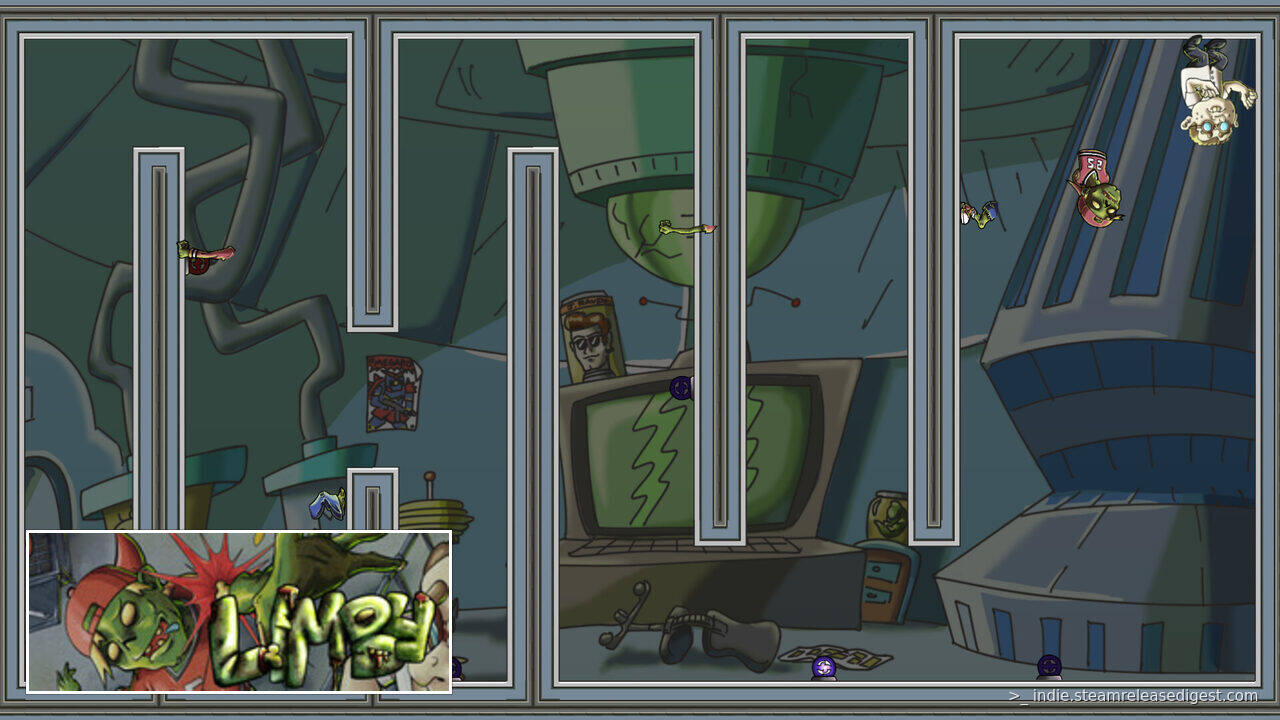
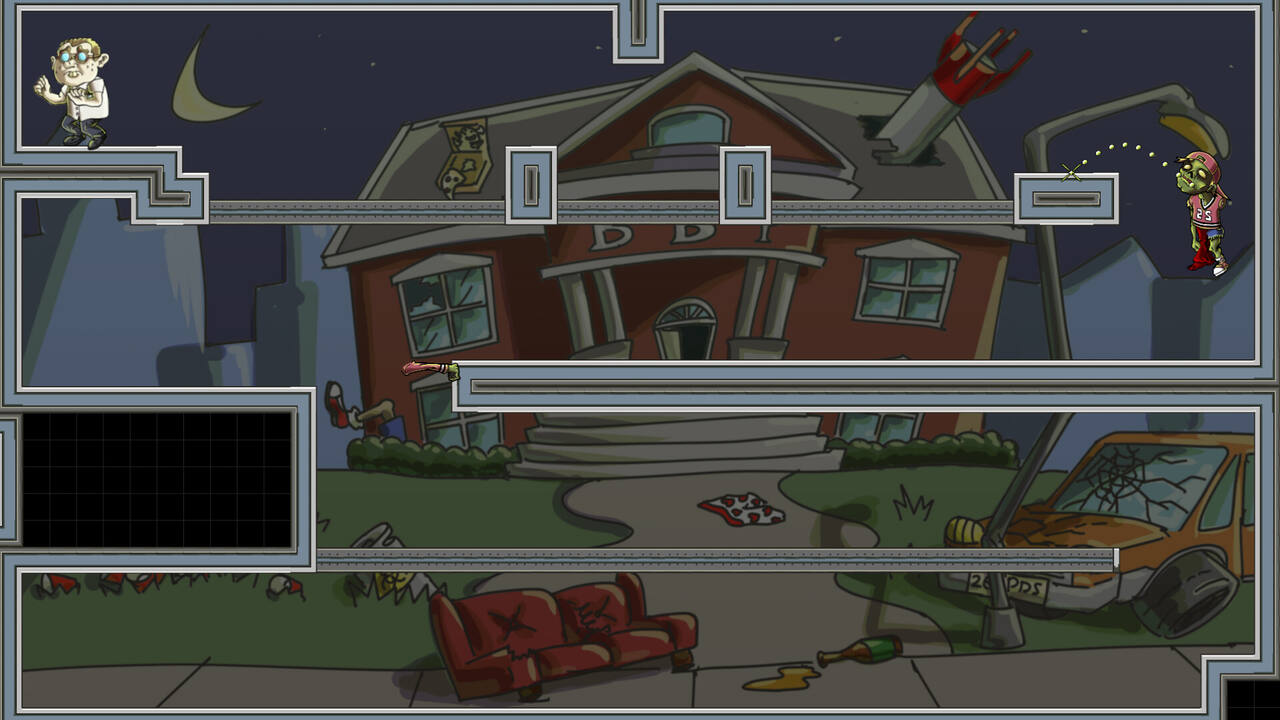
    At its core, LIMBY is built around a brilliantly absurd premise. You play as Limby, a former frat bro who has met an untimely end and returned as a zombie. Your ultimate goal throughout the game’s 30 levels is simple, clear, and hilariously petty: Devour. The. Nerd. To get to your target, however, you have to navigate complex, vertical levels that cannot be solved by simple jumping alone.

    This is where the game’s central mechanic comes in. To traverse the environment, trigger switches, and reach otherwise inaccessible heights, Limby must rip off his own severed limbs and use them as platforms or tools. It turns navigation into a resource-management puzzle. Deciding when to shed a leg or an arm to bridge a gap—and figuring out how to progress once you are physically diminished—is the core loop that drives the entire experience. It is a grim concept on paper, but in practice, it is delivered with a lighthearted, cartoonish touch.

    LIMBY gameplay screenshot
    Image courtesy of Puddle Dog Studios via Steam

    What Players Love (and What Hurts)

    With a flawless 100% positive rating on Steam, LIMBY has clearly struck a chord with its early audience. Players frequently point to the game’s aesthetic as a major highlight. For a game about a zombie eating people, the visual style is widely described as “cute” and “beautiful,” complemented perfectly by a relaxed, lo-fi soundtrack that players love to vibe to while they work through the puzzles. The community has also praised the developer’s care and presentation, calling it a peaceful experience overall, despite the moments of high difficulty.

    That said, it is not a walk in the park. While many enjoy how the game gets your “problem-solving abilities going,” the level design does have its friction points. Players have noted that certain stages featuring fast-moving obstacles can be highly frustrating, requiring tight execution and multiple attempts to bypass. It is the kind of game where you will likely hit a wall, get stuck on a moving hazard for “a good while,” but ultimately feel immensely satisfied when you finally coordinate your movements to get around it.

    For those who do conquer the main 30 levels, the game does not just end there. Players have happily highlighted the inclusion of post-game bonus levels, offering extra, highly challenging content that extends the life of the game well past the initial campaign. There is a real sense of generosity to the package, with the community actively looking forward to future updates and projects from the team.

    The Verdict

    So, who is LIMBY for? If you are looking for a highly original puzzle-platformer that balances head-scratching level design with a relaxed, low-stress audio-visual vibe, this is an easy recommendation. It is perfect for players who want to sit down with a hot drink, put on some headphones, and spend a few hours figuring out how to throw their own leg onto a pressure plate. At its incredibly accessible price point of $3.99, it is a micro-budget gem that respects your time, tests your brain, and delivers a highly satisfying, limb-tossing good time.

    Key Facts

    • Developer: Puddle Dog Studios
    • Publisher: Puddle Dog Studios
    • Release Date: Jun 22, 2026
    • Price: $3.99
  • Nestify: Cozy Design and the Joy of the Perfect, Skewed TV Stand

    Nestify: Cozy Design and the Joy of the Perfect, Skewed TV Stand

    When you first boot up a cozy decorating simulator, you usually expect a rigid grid system and a limited catalog of pre-fabricated assets. You prepare yourself for the inevitable frustration of not finding the exact media console you want, or being unable to squeeze a plant into a tight corner because of an invisible collision box. But in Nestify: Cozy Design, players are finding a level of structural freedom that goes far beyond the typical digital dollhouse. When one player couldn’t find a dedicated television stand for their flat-screen TV, they didn’t have to give up on their vision. Instead, they took a completely unrelated piece of furniture, stretched its length, flattened its height, skewed its depth, and transformed it into a custom-built console. It is this willingness to let players break, bend, and warp its assets that elevates the game from a simple casual pastime into a surprisingly deep creative sandbox.

    Creative Freedom Without the Grid

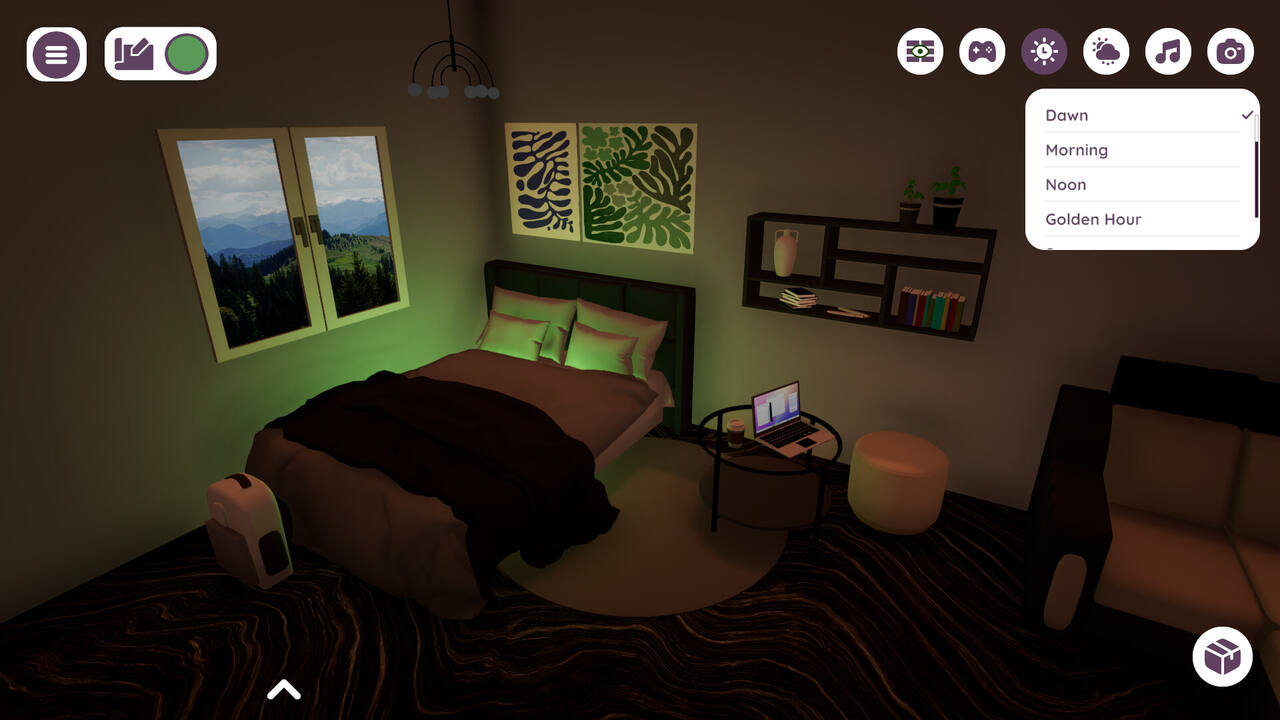
    At its heart, Nestify: Cozy Design is about building your own space entirely on your own terms. The experience starts with the “Make a room plan” mode, which allows you to draw out the footprint of your room from scratch. Unlike games that lock you into your initial architectural choices, Nestify lets you change the layout, expand the walls, and add windows at any point in the design process—even if you have already fully furnished the interior.

    Once your walls are up, the real tinkering begins. Every object in the game’s catalog can be moved, rotated, and flipped with absolute precision. There are no artificial grid constraints to force your hand; if you want a chair rotated at a slight, organic angle to make a room look lived-in, you can do it. More importantly, the game features a robust scaling and skewing tool. You can enlarge or shrink any item, or change its dimensions independently along different axes. This means a single table asset can become a massive dining table, a small bedside nightstand, or a thin decorative shelf depending on how you stretch it.

    Nestify: Cozy Design gameplay screenshot
    Image courtesy of Kinetic Vision Studio via Steam

    The game also solves one of the most persistent headaches of the decorating genre: rearranging complex setups. If you spend an hour carefully placing books, candles, and plants onto a desk, Nestify treats objects placed on top of one another as a single group. You can move the entire desk, and every carefully positioned knick-knack will move with it, saving you the hassle of rebuilding your composition from scratch.

    Light, Weather, and the Atmosphere

    Designing a space isn’t just about placing furniture; it is about capturing a specific mood. Nestify hands you full control over the environmental atmosphere. With a click, you can change the view outside your windows and the weather itself, switching between cozy rain, bright sunshine, thick fog, a bustling night city, or a warm morning dawn.

    This environmental control works hand-in-hand with an interactive lighting system. You can turn individual lamps, neon signs, and light fixtures on or off, adjusting their colors and brightness to fit your aesthetic. Whether you want the clean, bright look of a minimalist Scandinavian studio or the moody, RGB-soaked glow of a late-night gaming den, the lighting engine allows you to paint your space with color and shadow.

    What Players Love (and the Learning Curve)

    Steam reviews for the game are unanimously positive, with players highlighting the incredibly relaxing, low-stress nature of the gameplay. There are no timers, no budgets, and no artificial objectives to rush you. The combination of a calm soundtrack, the sound of rain outside the window, and the slow, tactile process of placing furniture makes it a highly effective tool for unwinding after a long day.

    However, players also note that this level of freedom comes with a learning curve. Because Nestify gives you precise control over object scaling, rotation, and dimensions, the interface requires some patience to master. It is not an experience where you simply click a button and watch a room auto-decorate; you have to actively explore the toolset, learn how the scaling handles work, and experiment with repurposing items to get the most out of it. It is a game that rewards players who enjoy the process of tweaking tiny details over those who want quick, pre-packaged results.

    The Verdict

    Nestify: Cozy Design is an excellent fit for virtual interior designers who find other decorating games too restrictive. If you are the type of player who gets frustrated when a game won’t let you place a mug on a windowsill or stack books on the floor, Nestify’s open-ended tools will feel like a breath of fresh air. It is a slow-paced, atmospheric canvas for creative minds who want to spend hours perfecting a single corner of a room.

    Key Facts

    • Developer: Kinetic Vision Studio
    • Publisher: Kinetic Vision Studio
    • Release Date: Jun 22, 2026
    • Price: $5.99
  • SHED: Recreating the High-Stakes Tension of Kitchen-Table Card Games

    SHED: Recreating the High-Stakes Tension of Kitchen-Table Card Games

    You have three face-down cards sitting on the virtual table, and you have absolutely no idea what they are. You’ve played through your hand, you’ve exhausted your face-up cards, and now your entire match rests on a blind guess. This is the exact moment of simulated panic that defines SHED. While many players might boot up a budget-friendly digital card game expecting a shallow, throwaway Solitaire clone to pass ten minutes, this game delivers something far more chaotic and engaging. It translates the raw, tactile tension of a classic pub game into a digital format that manages to feel both nostalgic and incredibly fresh.

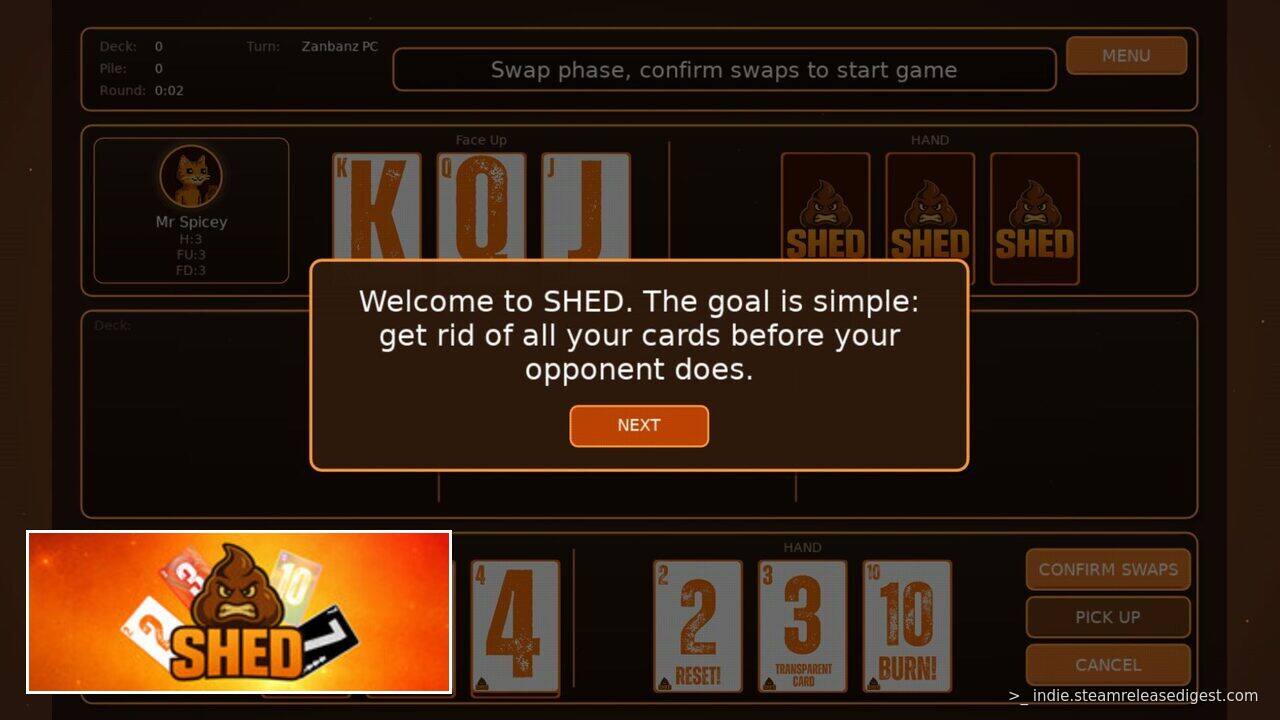
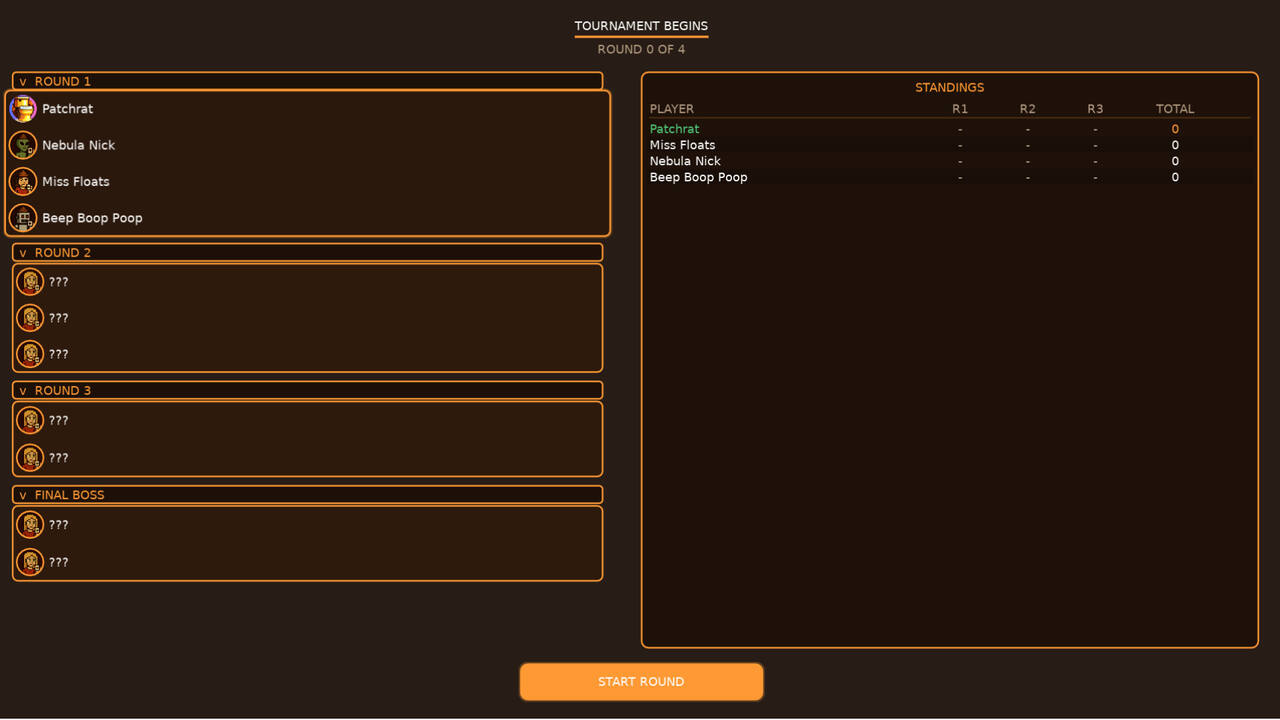
    The core of the game is based on the traditional shedding card game, which many players will recognize from real-life gatherings. The setup is simple but mathematically brutal: you start with three cards face-down, three face-up on top of them, and three in your hand. On your turn, you must play a card of equal or higher value than the one currently on the discard pile. If you ever have fewer than three cards in your hand, you draw from the deck to replenish them. But if you cannot beat the active card, you must pick up the entire discard pile—a moment of pure, agonizing defeat that can instantly ruin a carefully planned strategy.

    SHED gameplay screenshot
    Image courtesy of Patchrat via Steam

    The dynamic shifts constantly thanks to four “magic” cards that disrupt the basic math. A 2 resets the pile, a 3 acts as a transparent card (forcing the next player to beat whatever card lies beneath it), a 7 demands the next player play lower than seven, and a 10 burns the entire pile to grant you an extra turn. Once the draw deck runs out, players must transition to playing their face-up cards, and finally, take the ultimate gamble of playing their face-down cards completely blind.

    Real player feedback highlights how well this digital translation works. Veterans of the physical card game praise SHED for capturing the exact feel of playing in real life, complete with the same frantic energy and strategic pivot points. Players are particularly fond of the game’s customizability, noting that you can scale the experience by adding more decks or bots to dramatically alter the length and tactical considerations of each match. There is also plenty of praise for the progression system: with over 70 achievements and dozens of unlockables like custom decks, avatars, and visual themes, the game rewards continued play without ever resorting to microtransactions.

    However, the game is not without its potential points of frustration. The tactical depth required to consistently win can be surprising to newcomers, who might expect a simple game of luck. Because the final phase of the game relies on the blind draw of your face-down cards, a commanding lead can evaporate in seconds due to pure RNG. This high-variance swinginess is a core part of the design, but as one player humorously noted, the high-stakes losses will make you wish the game had a physical “table flip” button for when a perfect run collapses at the very last second.

    SHED is an excellent pickup for anyone who grew up playing backyard, schoolyard, or pub card games and wants to recapture that social energy. It is perfect for groups of friends looking for a fast-paced multiplayer title—supporting up to eight players in standard, bullet, or tournament modes—but it also holds up remarkably well for solo players thanks to its challenging bot matches, boss trials, and a relaxed lofi soundtrack that keeps your blood pressure down when the cards don’t go your way.

    Key Facts

    • Developer: Patchrat
    • Publisher: Patchrat Games
    • Release Date: Jun 23, 2026
    • Price: $5.28
  • Dawn Bell: Finding Heart, Tropes, and Maddening Clock Puzzles in a Silent Fortress

    Dawn Bell: Finding Heart, Tropes, and Maddening Clock Puzzles in a Silent Fortress

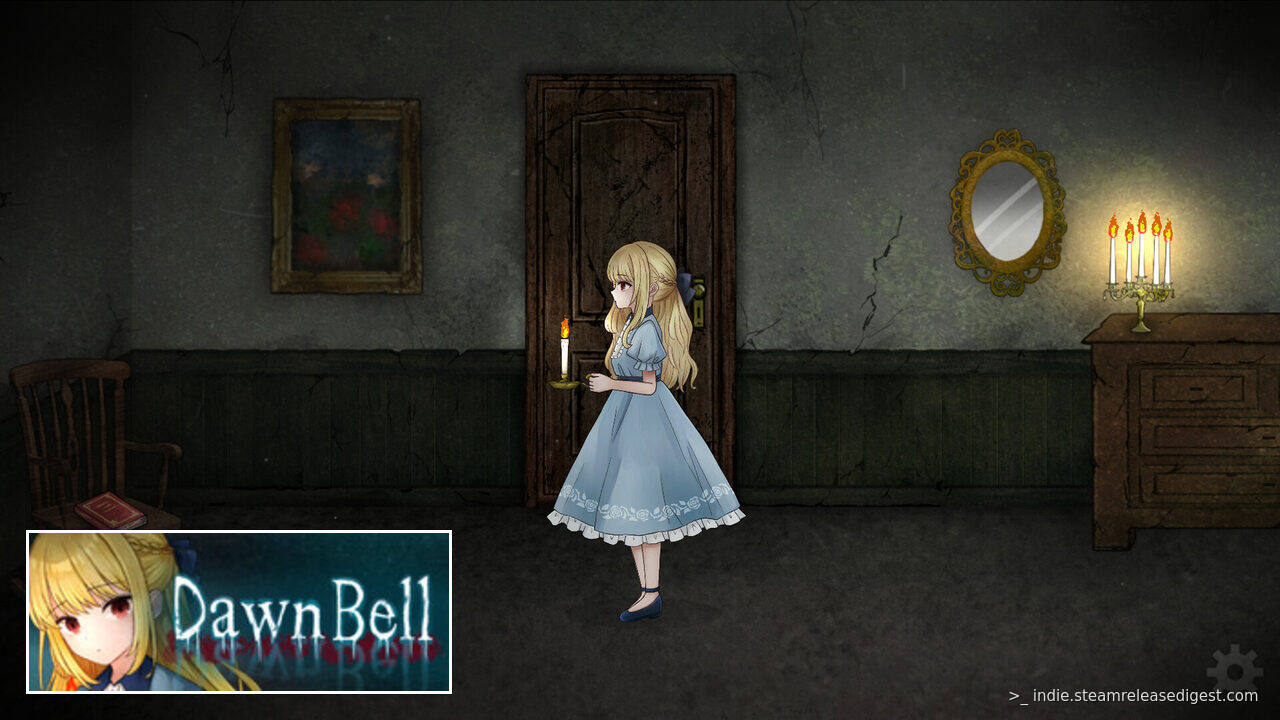
    You guide an amnesiac girl and a mysterious companion through the chilly, hand-drawn corridors of a side-scrolling stone fortress, combining forgotten clues and inventory items to unlock both literal locked doors and the characters’ own wiped memories.

    Developed and published by USAGI STORE, this brief, atmospheric adventure is built on a classic gothic setup. The protagonist wakes up on a cold, silent floor with no memory of her name or how she arrived. Soon, she crosses paths with a boy who is similarly blank-slated. Together, they must navigate the quiet rooms of an unfamiliar castle, solving environmental puzzles to find an exit. It is a traditional setup, but one executed with a distinct sense of intimacy and melancholy.

    The moment-to-moment gameplay relies heavily on classic adventure-game logic. You wander back and forth across 2D planes, searching for keys, notes, and items that trigger progression. What keeps this exploration from feeling sterile is the game’s visual presentation. Using Live2D technology, the characters are animated with a fluid, expressive breathing quality that lends a sense of fragile life to the dreary stone backgrounds. Coupled with an original soundtrack composed by staff member Sasane, the game conjures a gentle, mild horror vibe. It is spooky and lonely rather than terrifying, making it an easy entry point for players who usually shy away from intense jump-scares.

    Dawn Bell gameplay screenshot
    Image courtesy of USAGI STORE via Steam

    The Heart and the Friction

    A game of this scale lives or dies by its puzzles and its narrative, and here, player experiences diverge in interesting ways. On the positive side, this short adventure has struck a surprisingly deep emotional chord with its player base. Despite a run time that clocks in at just under two hours for most players to see all four endings, several reviews note that the story is genuinely moving, with one player admitting the narrative arc “moved me to tears” and left them wishing for a paid DLC artbook just to spend more time with the characters.

    The presence of multiple endings encourages you to experiment with your choices. Because the game is tightly paced—taking only about 70 to 120 minutes to fully exhaust—hunting down the alternative paths never feels like a repetitive chore. You can snag two of the endings relatively quickly, while the remaining conclusions require a bit more thorough exploration and puzzle-solving.

    However, it is not without its rough edges. The narrative leans heavily on familiar anime and gothic horror tropes, with some players describing the plot as “rather silly” even as they recommended it. Additionally, some of the puzzle design can hit a brick wall of frustration. In particular, a notorious clock-themed puzzle has left players scratching their heads in anger, with one reviewer lamenting the restrictive, mind-bending rules of only being able to move the clock hands five minutes at a time. It is the kind of specific, old-school adventure game friction that will either delight puzzle purists or send you straight to a community guide.

    The Verdict

    If you are looking for a groundbreaking survival horror experience or a deep, mechanics-heavy epic, this is not it. But at a modest five-dollar price point, it is a highly digestible, beautifully animated evening of gothic mystery. It is a game designed specifically for players who love collecting multiple endings, appreciate gentle melancholy over blood-and-guts horror, and do not mind a few trope-heavy narrative beats along the way. It is a short, sweet, and occasionally tear-jerking detour well worth a single evening of your time.

    Key Facts

    • Developer: USAGI STORE
    • Publisher: USAGI STORE
    • Release Date: Jun 23, 2026
    • Price: $4.99
  • Neofold: Turning Your Desktop Into an Infinite, GPU-Powered Menagerie of Weird Little Guys

    Neofold: Turning Your Desktop Into an Infinite, GPU-Powered Menagerie of Weird Little Guys

    A new creature arrives on your desktop on the hour, every hour, shuffling across your background to the beat of an MP3 you imported yourself. For some players, this has become the background rhythm of their entire workday. ChromaTactic’s Neofold isn’t a traditional game with win states or bosses; instead, it is an interactive desktop companion that uses your local GPU to generate an endless stream of digital lifeforms that range from the deeply unsettling to the undeniably adorable.

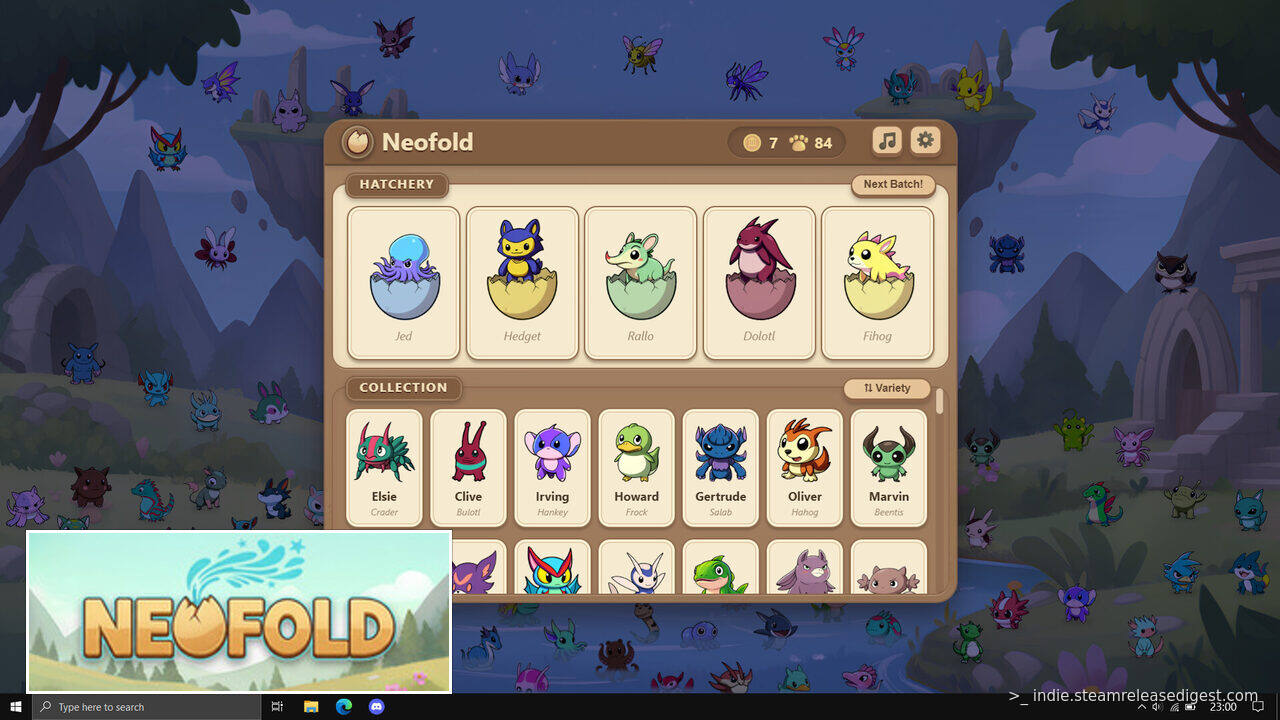
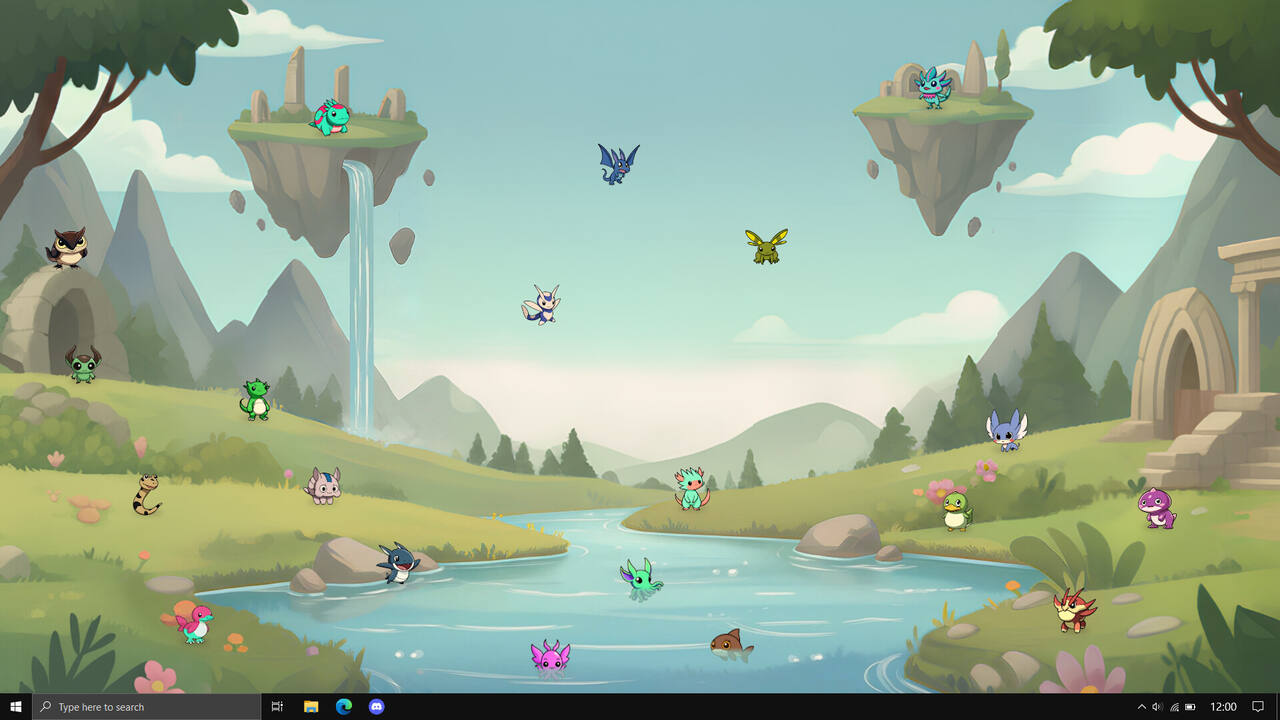
    At its core, Neofold is a virtual sanctuary that replaces your desktop wallpaper with a living, breathing ecosystem. The central loop revolves around hatching. Every so often, eggs on your screen will begin to shake. Tapping them speeds up the process, eventually presenting you with a batch of five generated newborns. You are faced with a choice: you can only keep one. You pick your favorite, name it, and release the other four back into the wild. From there, your new pet joins the ranks of your sanctuary, moving around its designated biome—whether that is floating in the air, crawling across the ground, or swimming through the water zones of your screen.

    What makes Neofold distinct from the dozens of passive idlers on Steam is how it leverages generative technology. Rather than pulling from a static library of pre-made sprites, the game uses your computer’s graphics card to generate entirely unique creatures in real-time. If your machine isn’t up to the task of live-rendering these entities, the developer has included a backup library of over 1,500 pre-generated pets. Crucially, the entire process is offline. There are no accounts to make, no subscriptions to pay, and no internet connection required. The sprites generated on your machine belong entirely to you.

    Neofold gameplay screenshot
    Image courtesy of ChromaTactic via Steam

    Steam reviews highlight a fascinating, highly tactile relationship between the players and their digital pets. Because the game allows you to customize and edit your creatures, some players have bypassed the game’s basic built-in editing sliders entirely. By selecting a creature, pressing Ctrl+C, and pasting it directly into external editing programs like GIMP, players can manually repaint their pets before copying and pasting them right back into the active world. It is a level of open-ended flexibility that feels reminiscent of early-2000s freeware, giving players true ownership over their virtual pets.

    However, Neofold is not without its rough edges, and its unique tech stack comes with a couple of major caveats. Chief among them is the storage footprint. If you choose to install and update the “infinite engine” that powers the local AI generation, the game’s folder can balloon up to a staggering 18 gigabytes. For what is essentially a passive live wallpaper, that is a massive ask for players who are already struggling to manage space on their solid-state drives.

    Furthermore, prospective buyers need to understand exactly what they are paying for. If you go into Neofold expecting a deep mechanical loop akin to Pokémon or Palworld—both of which the developer cites as inspirations—you will likely walk away disappointed. There is no combat, no stat-optimization, and very little active engagement. The currency system, used to unlock new features, currently feels a bit limiting and slow to progress. There were also some initial launch hitches where users spent up to half an hour just trying to generate their initial worlds, though player reviews heavily praise the developer for pushing out rapid, same-day hotfixes to resolve these technical bottlenecks.

    So, who is this for? Neofold is a perfect fit for remote workers, songwriters, and programmers who want a low-maintenance, highly charming digital companion running in the background while they work. If you miss the era of virtual desktop buddies or enjoy the harmless, creative novelty of watching your GPU spin up a brand-new pixel-art weirdo every hour, it is an absolute steal for four dollars. Just make sure you have the hard drive space to spare before you start hatching.

    Key Facts

    • Developer: ChromaTactic
    • Publisher: ChromaTactic
    • Release Date: Jun 22, 2026
    • Price: $3.99
  • Neon Pulsefire: Why This $3 Budget Bullet Heaven Deserves a Spot in Your Steam Deck Rotation

    Neon Pulsefire: Why This $3 Budget Bullet Heaven Deserves a Spot in Your Steam Deck Rotation

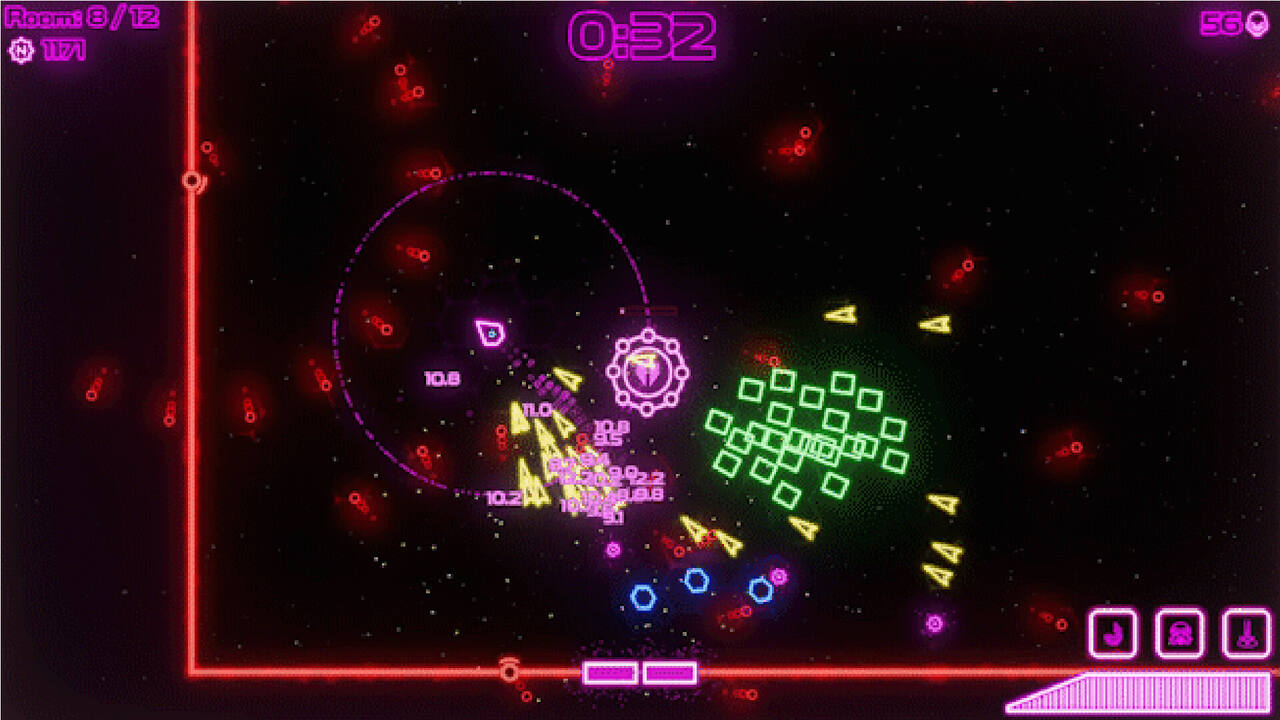
    With zero ship momentum and pixel-precise hitboxes, the gameplay in Neon Pulsefire lets you pull off the kind of split-second, needle-threading dodges that make you feel like an absolute gaming god. While many space-themed survival shooters introduce a floaty, inertia-driven drag to your ship, this minimalist roguelite opts for immediate, digital responsiveness. You stop the exact microsecond you let go of the analog stick, allowing you to weave effortlessly through dense, overlapping clouds of hostile projectiles and aggressive swarms without fighting your own controls.

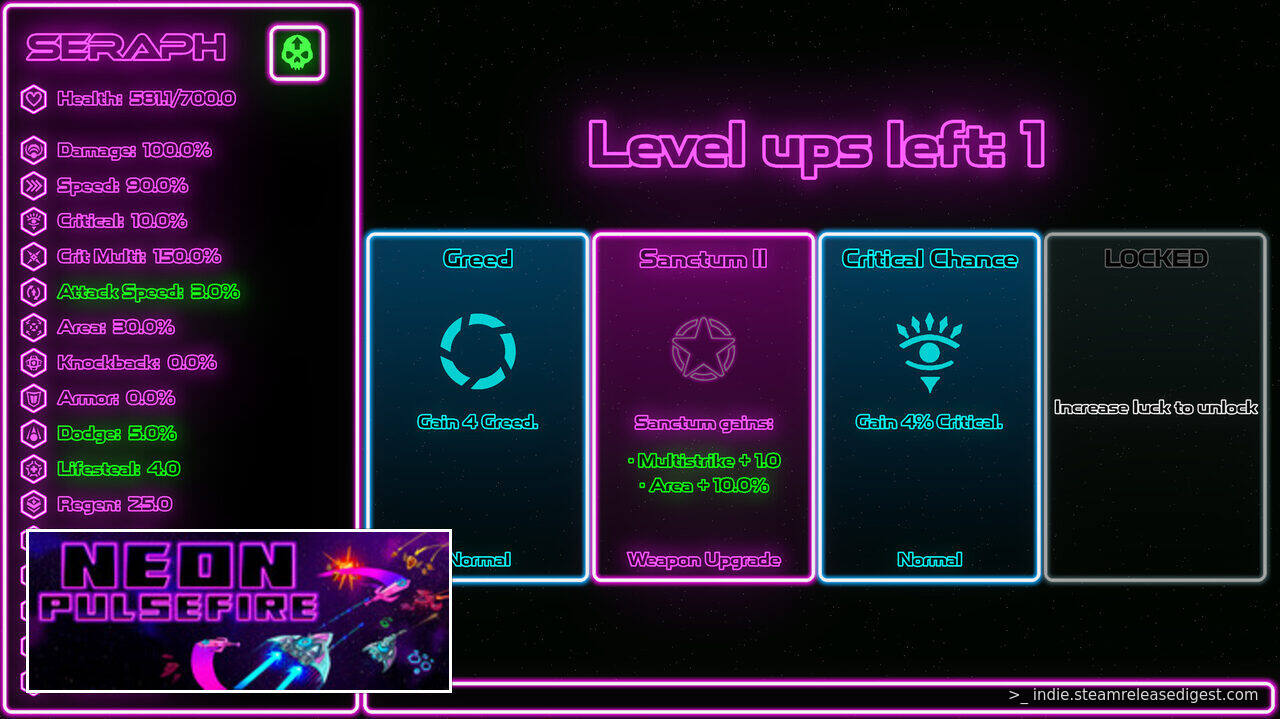
    At its core, this is a tight, fast-paced bullet heaven designed around bite-sized, 10-to-20-minute runs. You select from ten distinct ship classes—such as the defensive Aegis, the industrial Forge, or the mysterious Baron—and drop into a series of increasingly hectic arena floors. Your vessel automates the shooting, firing up to three distinct weapons simultaneously. This leaves you to focus entirely on positioning, dodging, and collecting the glowing Neon shards dropped by vaporized enemies. Between waves, you visit a shop stocked with over a hundred items, spending your Neon to tailor your build. It is a system that allows you to chase hyper-specific synergies, balancing traditional offensive upgrades like Crit and Haste with deeper utility stats like Luck, Greed, and Wisdom.

    Neon Pulsefire gameplay screenshot
    Image courtesy of Marian Kunz via Steam

    What players are celebrating most is how successfully these mechanics feed into a compulsive, “just one more run” loop. The progression system feels meaningful rather than padded; there are over 40 in-game achievements that directly unlock new classes, weapons, and items to expand your pool of options. The difficulty scaling is also a high point. Rather than just making enemies bullet sponges, the game’s seven difficulty tiers introduce active hazards, special enemy variants, and projectile assaults that force you to completely adapt your defensive strategy on the fly. On top of that, it has quickly become a quiet darling for handheld players, running at a locked 60 FPS on the Steam Deck OLED at a meager 10W TDP.

    However, this is a solo-developer project with a budget-friendly price tag of $3.19, and it wears those development constraints plainly on its sleeve. The user interface and menu aesthetics are barebones, crying out for a visual polish. On the battlefield, the enemy AI is remarkably simple; as one player pointed out, enemies largely use basic pathfinding that simply dictates they march directly toward your coordinates. This can make early waves feel somewhat repetitive, and players have expressed a desire for more complex enemy behaviors, such as foes that actively lay mines or fire counter-projectiles. There is also a frustrating, recurring bug reported by some players where the game crashes immediately after defeating the boss, cutting a successful run short before the rewards can be fully savored. Thankfully, the solo developer has been highly praised by the community for transparency and a swift approach to squashing bugs.

    The Verdict

    If you are looking for a highly polished, big-budget spectacle, the spartan presentation here might underwhelm you. But if you want a laser-focused, mechanically sound challenge that respects both your time and your wallet, this is an absolute steal. It is tailor-made for bullet heaven veterans who crave precise movement, quick gameplay sessions, and deep build craft without the fluff. For the price of a cheap coffee, it is an easy recommendation to add to your daily handheld rotation.

    Key Facts

    • Developer: Marian Kunz
    • Publisher: MKBW Games
    • Release Date: Jun 22, 2026
    • Price: $3.19
  • Beach Defense: Zombie Invasion and the Satisfying Chaos of Backpack Warfare

    Beach Defense: Zombie Invasion and the Satisfying Chaos of Backpack Warfare

    You have a towering, hammer-wielding giant, a pirate loaded with naval mines, and a horn blower who exists solely to whip your troops into a musical frenzy. The problem is, you only have a tiny grid of inventory squares to fit them all into. Rotating a Swordsman into a tight corner, squeezing a Cleric into a two-by-one vertical gap, and sliding a Fisherman into the remaining edge is the difference between holding the shoreline and being completely overrun. This is the frantic, tactile puzzle at the heart of Beach Defense: Zombie Invasion.

    The Core Loop: Inventory Management Meets Bullet Hell

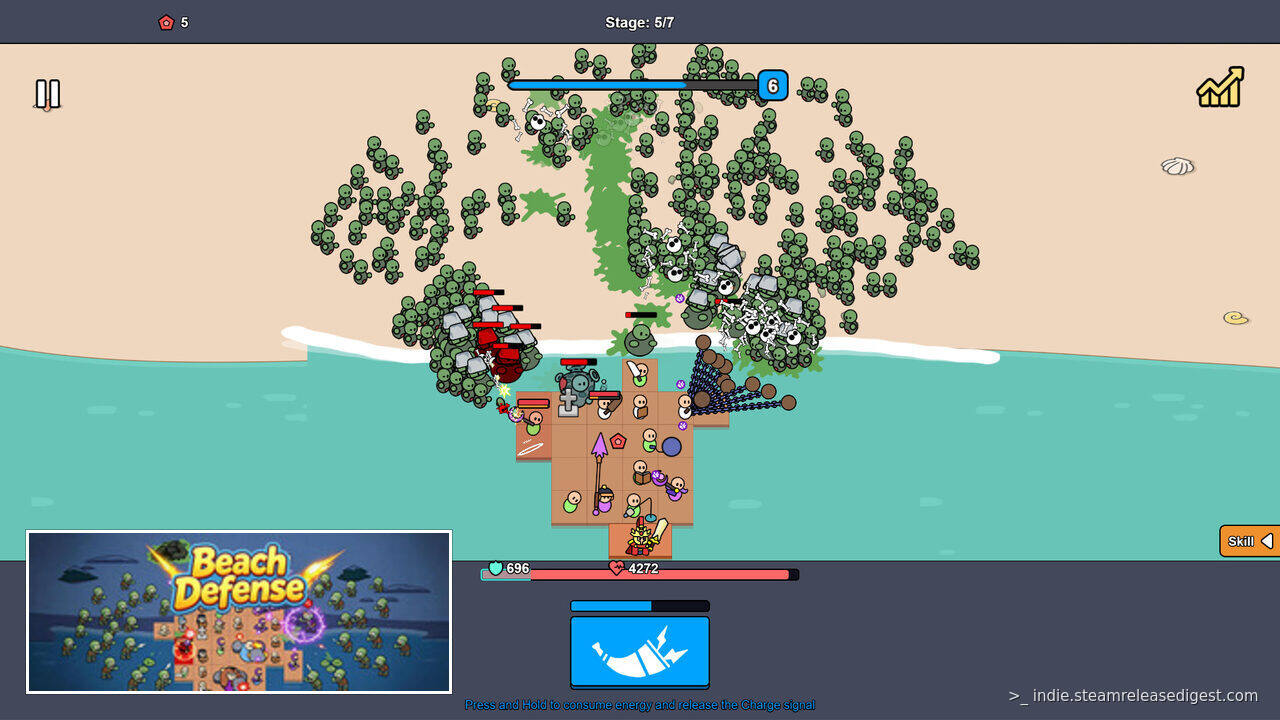
    The game splits its action into two distinct phases. The preparation phase plays like a cozy puzzle game. You are given a grid—your “backpack”—and a pool of soldiers, each occupying a specific configuration of blocks. With over 12 unique unit types, your layout determines your strategy. Do you prioritize a tanky front line with high-HP Giants and Hammer-Shield Bearers, or do you dedicate precious grid space to economy-generating Fishermen and healing Doctors? How you pack your bag dictates how you fight.

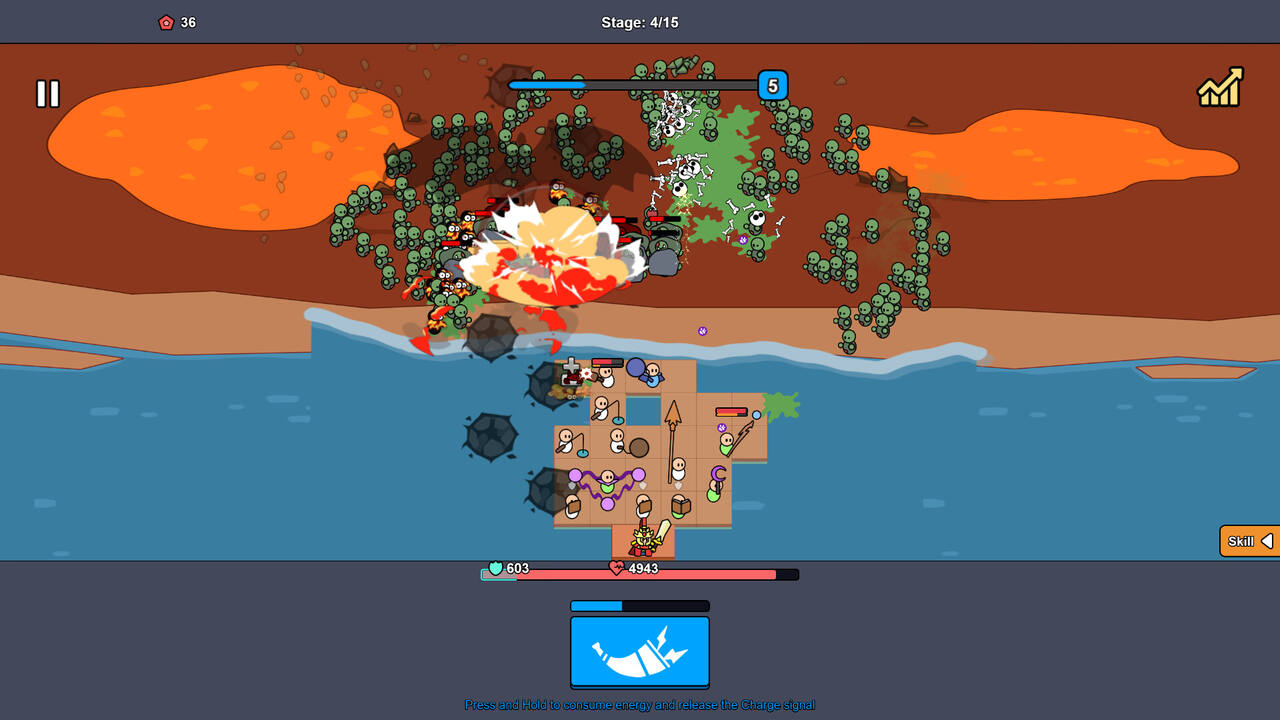
    Once you lock in your layout, the battle begins, and the game shifts gears entirely. Your carefully packed soldiers automatically deploy their attacks, creating a dense, screen-filling bullet hell firing net. Waves of zombies surge from the ocean onto the sand. When your defensive line is properly optimized, the game transforms from a quiet puzzle into an incredibly satisfying “lawn-mowing” simulator, where hordes of the undead dissolve into pixels before they can even touch your barricades.

    Beach Defense: Zombie Invasion gameplay screenshot
    Image courtesy of Only Fun Games via Steam

    Success rewards you with resources, chests, and soldier shards used to upgrade your roster. As you scale through the game’s eight difficulty levels, you transition your units from basic grey recruits to legendary, orange-rarity powerhouses. This steady drip of progression keeps the formula feeling rewarding, offering a clear power spike with every successful run.

    What Players Love (And What Frustrates Them)

    The reception among players highlights a game that excels at scratch-pad, low-stress fun, but struggles with some technical rough edges. On the positive side, players frequently praise the addictive nature of the “backpack meets tower defense” mashup. There is a specific, tactile joy to finding the perfect configuration of units, and players note that triggering a Horn Blower’s speed buff alongside high-tier, orange-rarity units provides an immensely satisfying rush of visual feedback. At a price point of just $3.99, many find it to be an easy recommendation for quick, relaxing play sessions.

    However, the game is not without its flaws, particularly on the technical side. Steam reviews point out a frustrating lack of basic PC settings. There is currently no built-in windowed mode, no graphics settings, and—most critically—no FPS limiter, which has led to high CPU usage on some systems. Additionally, some players have noted that the game does a poor job of explaining its deeper mechanics, leaving you to figure out unit synergies through trial and error. For those who dive in for longer sessions, the core gameplay loop can begin to feel highly repetitive, and the late-game character progression can feel slow and grindy if you are playing for hours at a time rather than in short bursts.

    The Verdict

    Beach Defense: Zombie Invasion is not a deeply complex tactical simulation, nor is it a polished, high-budget affair. Instead, it is a charming, lightweight hybrid that understands the simple joy of organizing things and watching numbers go up. If you enjoy inventory management puzzles, casual tower defense, and the visual satisfaction of clearing screens of enemies, it is a brilliant little distraction to play while listening to a podcast or during a quick lunch break. Just be prepared for a bare-bones options menu and a bit of a grind if you plan to conquer all eight difficulty levels.

    Key Facts

    • Developer: Only Fun Games
    • Publisher: Only Fun Games
    • Release Date: Jun 11, 2026
    • Price: $3.99
  • Imago Season: The Quiet Brilliance of a Bite-Sized, Bug-Infested Narrative RPG

    Imago Season: The Quiet Brilliance of a Bite-Sized, Bug-Infested Narrative RPG

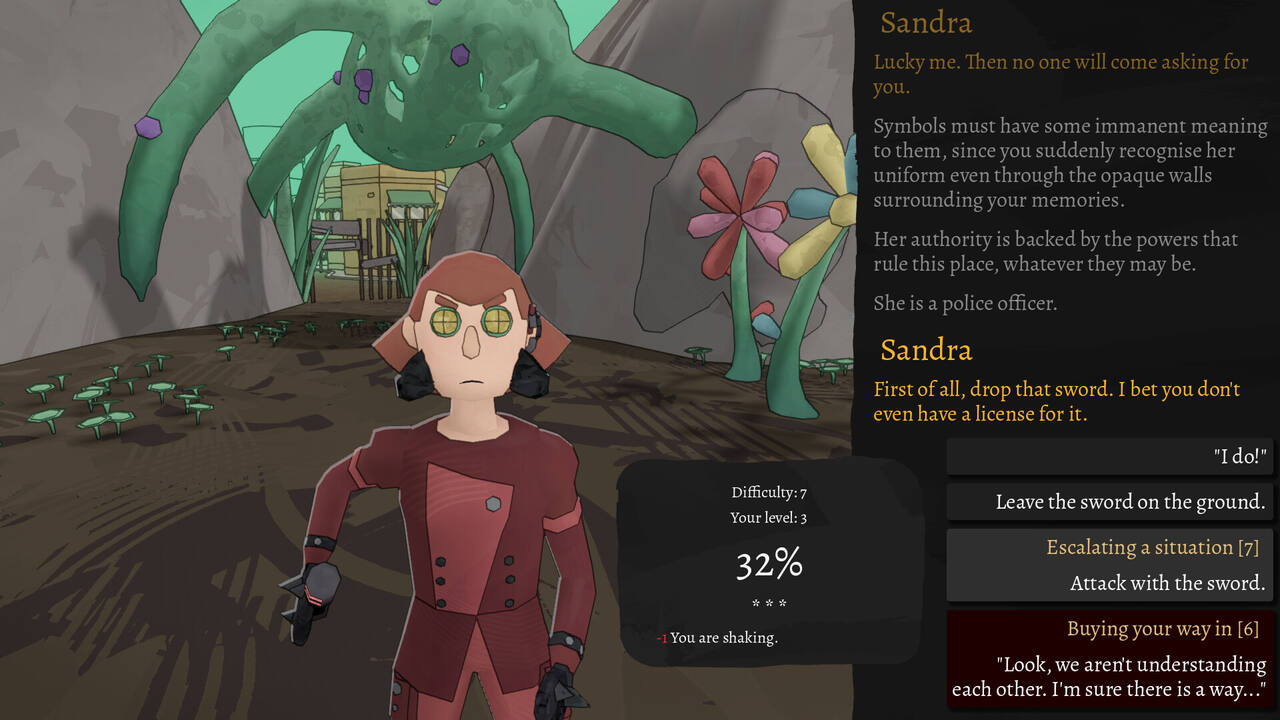
    You navigate the tense political factions of a human-insect hybrid city by rolling dice to bluff, threaten, or bribe your way through conversations, occasionally mutating your own body with ant feelers or dragonfly wings to unlock new dialogue paths.

    A Miniature Sci-Fi Masterpiece

    This combat-less narrative RPG drops you into a cold cave with a splitting headache and absolutely no memory of who you are. When you stumble out into the light, you find yourself in the City—a small, densely packed open world populated by bizarre, mutated insect-people who are on the brink of an ideological civil war. The worldbuilding here punches far above its weight class, drawing heavy, welcome inspiration from the sci-fi classics of Ursula K. Le Guin and the surreal, desert-punk aesthetics of Moebius. The City is caught in a three-way ideological tug-of-war: do they ally with a distant space Union, accept the cold rule of a “benevolent” supercomputer, or fight for true, chaotic self-liberation?

    Instead of swinging swords or firing plasma rifles, your only weapons are your stats and your silver tongue. You explore the streets in a highly immersive first-person perspective, which makes the town feel incredibly intimate compared to the isometric viewpoints typical of the genre. You can break into houses, attend high-society palace balls, or end up locked in a police cell, all while using your skills to coax information out of the suspicious locals. To help you adapt, you can structurally modify your character, grafting insectoid appendages onto your body to permanently upgrade your capabilities and alter how the world reacts to you.

    Imago Season gameplay screenshot
    Image courtesy of Lunar Finch via Steam

    What Players Love (and Where It Pinches)

    Steam reviews are overwhelmingly warm, sitting at an 87% positive rating, with players frequently celebrating the game as a brilliant “bite-sized Disco-like.” One of the most praised features is a clever quality-of-life UI choice: a small pop-up that explicitly tells you exactly how and why you unlocked a specific dialogue option. Players have found this incredibly rewarding, as it makes your character’s background and past choices feel tangible and mechanically active in real-time.

    However, the game’s modest scope has divided its audience. Because it is the debut project from a small studio, the budget limitations are visible. Players looking for a massive, sprawling epic will be disappointed. While some dedicated completionists managed to squeeze seven to eight hours out of the mystery by searching for every hidden diary page, others found themselves watching the credits roll after just ninety minutes. Additionally, because the gameplay is almost entirely reading and dialogue-based, players who prefer active, visual set-pieces found themselves disengaged, with one reviewer noting that it “plays like a book” and failed to hook those who aren’t already fans of text-heavy roleplaying.

    The Verdict

    If you are looking for a deep, action-packed RPG to lose eighty hours of your life to, this is not it. But if you have a weekend to spare and love the idea of a smart, incredibly creative, and highly focused sci-fi mystery, it is an absolute must-play. It understands the core strengths of the narrative RPG genre, delivering sharp writing and a genuinely memorable setting without overstaying its welcome.

    Key Facts

    • Developer: Lunar Finch
    • Publisher: Haunted Publishing Syndicate
    • Release Date: Jun 11, 2026
    • Price: $9.50
  • Axom: Conquest: Bowling Balls, Purple Goo, and the Chaos of Physics-Driven Tower Defense

    Axom: Conquest: Bowling Balls, Purple Goo, and the Chaos of Physics-Driven Tower Defense

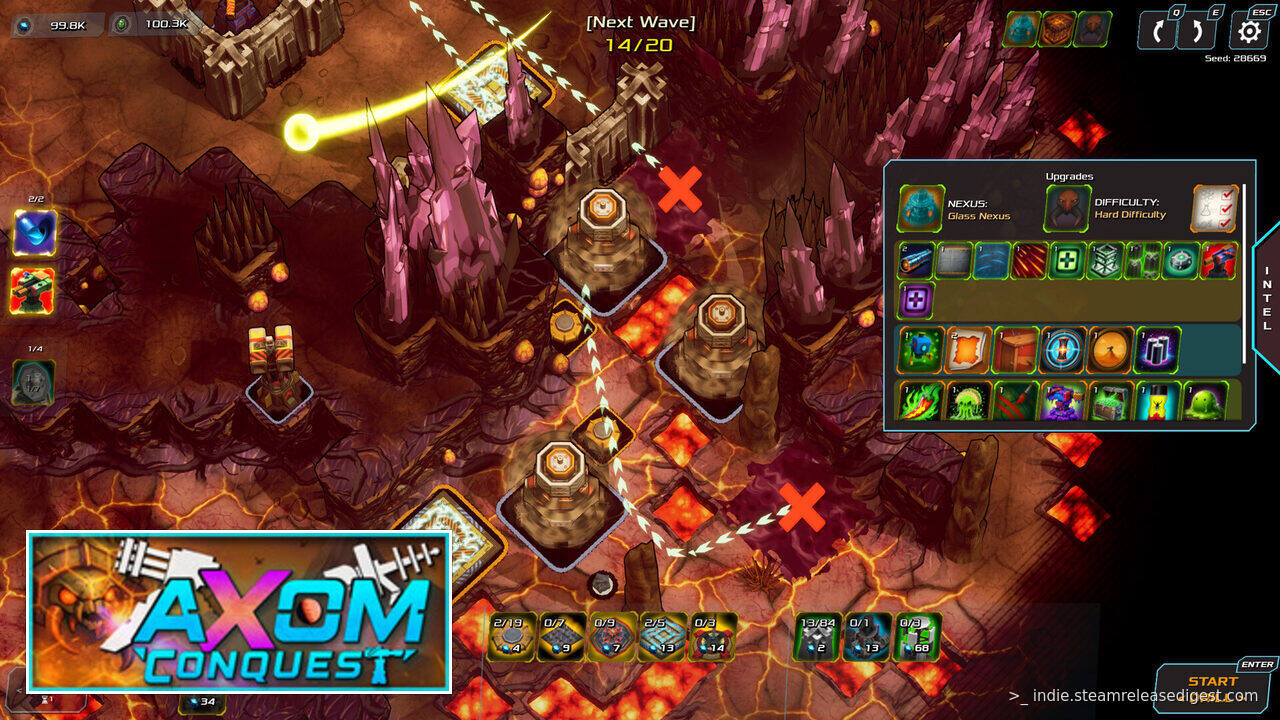
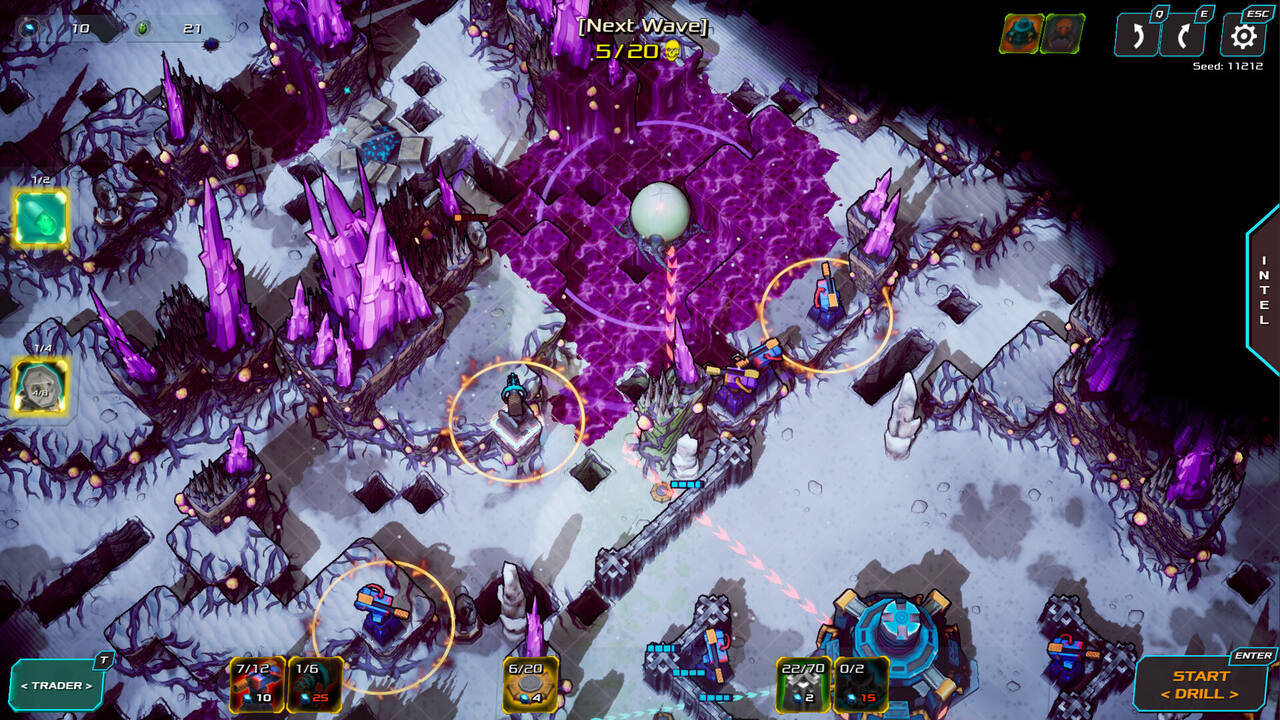
    When you drop your first Nexus Drill onto the surface of Axom, you might expect the tidy, grid-based pathing of a traditional tower defense game. Instead, you are immediately greeted by thousands of physics-driven alien bugs tumbling over cliffs, sent flying by knockback traps, and physically colliding with your barricades. This game takes the rigid mathematics of the genre and injects a heavy dose of chaotic physics and rogue-lite unpredictability, transforming what looks like a clean sci-fi base-builder into a frantic, reactive scramble for survival.

    The Smash-and-Grab Survival Loop

    At its core, the game sets up a simple, high-stakes premise: you land on a procedural alien world, deploy your central drill, and attempt to extract valuable resources. The local wildlife—a highly aggressive, zerg-like species called the Centurax—takes immediate offense to your presence. To survive, you must quickly establish a perimeter, build up an economy using refineries, and deploy an arsenal of defensive structures.

    But this is not a game where you build a single maze and sit back to watch the simulation run. The physics engine turns every wave into a spectator sport. Enemies do not just walk along designated paths; they crowd, push, and bounce off one another. This allows you to utilize highly unconventional weaponry, such as towers that launch giant bowling balls to plow through swarms, nuclear-tipped ammunition, and a tiny defensive robot named Jeff. The game encourages you to break the balance with overpowered, branching upgrade paths, turning your humble outpost into a screen-shaking powerhouse.

    Axom: Conquest gameplay screenshot
    Image courtesy of Hairy Penguin via Steam

    Adding to the tension is the “Alien Infection” mechanic. As you drill, the planet itself fights back. Purple infected tiles grow gradually across the map, threatening to overrun your position. If you let this goo spread too far, it destroys your existing structures and locks out tiles, preventing you from building new defenses and forcing you to actively balance offensive pushes with territorial containment.

    What Players Love (And What Frustrates Them)

    With an 82% positive review rating on Steam, the game has clearly struck a chord with indie strategy fans, though it is not without its rough edges. Players praise the sheer variety and replayability on offer. Between the starting Nexus variants—which act as character classes that shape your initial strategy—the branching tower upgrade paths, and game-changing consumables, no two runs feel identical. For a budget-friendly title, players find the core gameplay loop highly addictive, describing it as a fantastic “time burner” that offers excellent value for its price point.

    However, the game’s ambitious physics and massive swarms come with a cost. The most common complaint centers on late-game performance. Several players have reported that once you reach wave 30 and beyond, the sheer volume of enemies and projectiles can cause framerates to plummet to single digits, rendering the game nearly unplayable on weaker setups. Interestingly, some player reviews note that these performance drops and crashes appear to disproportionately affect users with AMD graphics cards, while others on different hardware report relatively smooth performance even with huge hordes on screen.

    Other critiques focus on balance and polish. While the 3D physics-driven pathing is a welcome novelty, it can occasionally feel “cheesy,” with enemies jumping erratically around cliffs or getting stuck. Some players also find the meta-progression research tree a bit too grindy, noting that some relics and upgrades feel like filler. Finally, those expecting traditional tower defense mazing might be disappointed to learn that walls in this game do not redirect enemy paths; instead, the swarms will simply smash directly through them.

    The Verdict

    This game is a chaotic, rough-around-the-edges gem that is perfect for strategy fans who prefer reactive, high-stress survival over meticulous puzzle-solving. If you love the idea of fighting back alien swarms with bowling balls and nukes, and you do not mind some late-game performance hiccups or a bit of indie jank, it offers a refreshing twist on the tower defense genre.

    Key Facts

    • Developer: Hairy Penguin
    • Publisher: Hairy Penguin
    • Release Date: Jun 9, 2026
    • Price: $9.99