Saint of Chains nails the exact flavor of early-2000s survival horror where the protagonist’s emotional ruin is as heavy and oppressive as the rusted iron pipe clutched in his hands. Developed by a two-person team at MystiveDev, this first-person nightmare doesn’t try to reinvent the genre; instead, it digs its fingers deep into the soil of classics like Silent Hill and Condemned: Criminal Origins to pull up something raw, dirty, and surprisingly affecting.
The Anatomy of a Retro Nightmare
At its core, the game is a descent. You play as a father navigating shifting, bleeding corridors—from grim apartment complexes to weeping sewers—in a desperate bid to reach the family he neglected in pursuit of his career. It is a psychological rescue mission where the environment refuses to stay still, warping and transforming as your character’s psychological state deteriorates.
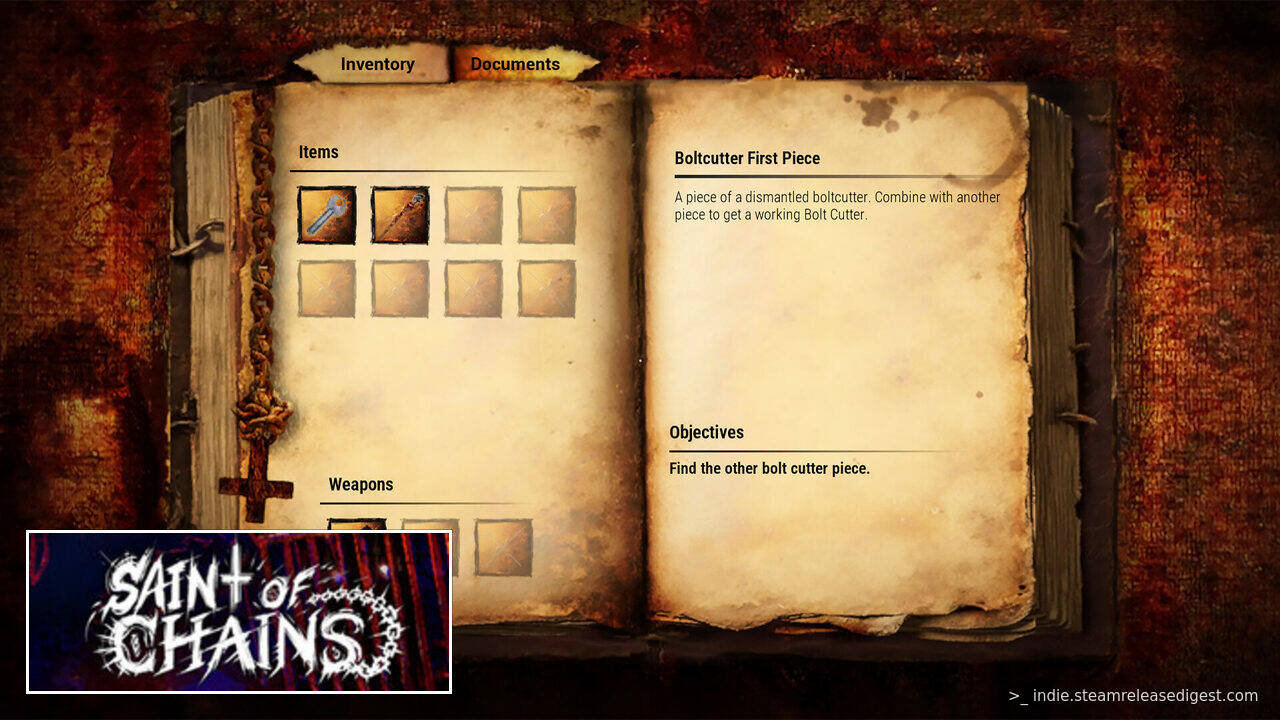
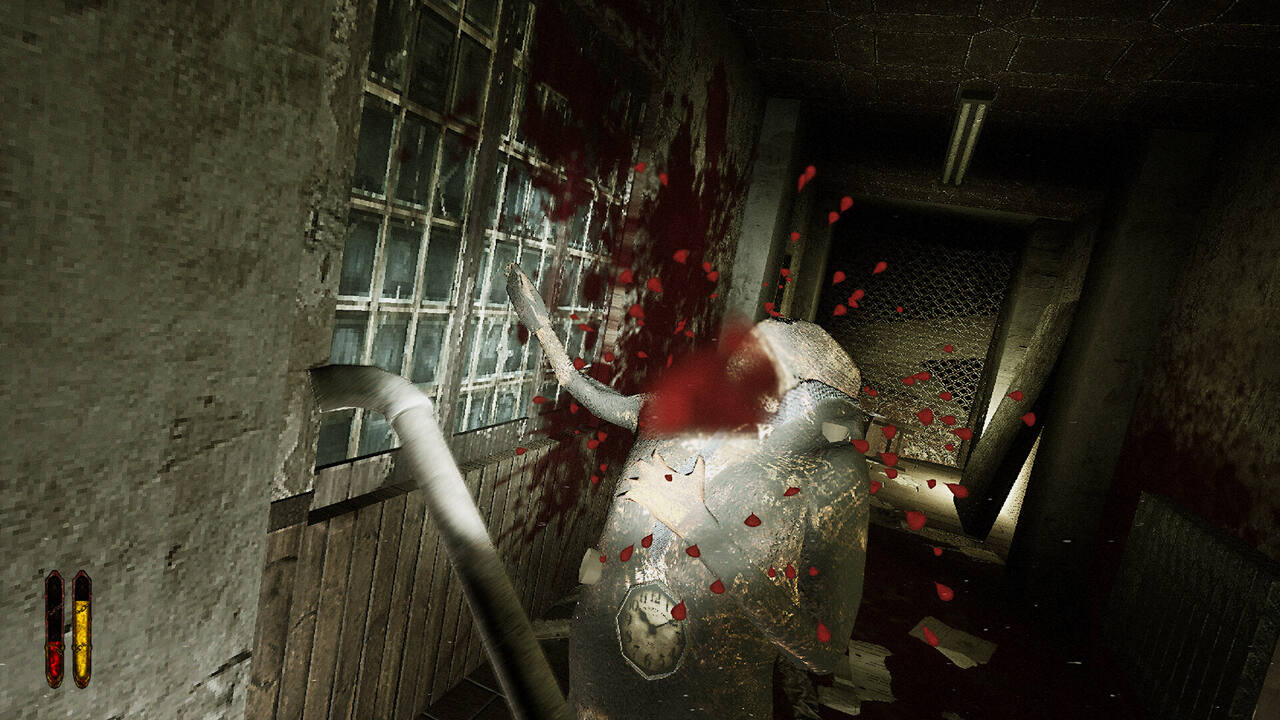
The combat in Saint of Chains is a frantic, close-quarters scramble. You will find yourself swinging pipes, bats, knives, and cleavers at grotesque entities that feel like the physical manifestations of broken promises. While firearms do exist, ammunition is exceedingly scarce. Every bullet is a luxury, forcing you to make split-second calculations about whether to stand your ground or flee. This desperation is compounded by a classic, restrictive inventory system. Space is at a premium, and you will constantly find yourself agonizing over what to keep: a vital puzzle piece, a healing item, or a weapon that might break on your next encounter.
What Players Love
The reception among horror veterans has been remarkably warm, sitting at an 84% positive rating on Steam. Players who grew up on the psychological weight of Team Silent’s work have praised Saint of Chains for genuinely understanding what made those games special. It isn’t just about the retro visual filter; it is about the “feeling of burden” and the thematic weight of loss that hangs over the entire narrative.
The sound design is a particular standout, earning praise for its ability to build thick, suffocating dread in the quiet moments between encounters. The monster designs are described by players as genuinely horrifying, and the jump scares are deployed with a surgical restraint that keeps players on edge rather than causing cheap exhaustion. For those who pay attention to environmental storytelling, the narrative offers an exceptional, multi-layered depth that lingers long after the credits roll.
The Rough Edges
True to its indie roots and retro inspirations, Saint of Chains has some rough edges that might deter players accustomed to modern quality-of-life features. The most prominent hurdle is the complete lack of a checkpoint system. The game requires you to manually save at designated spots; fail to do so, and a single mistake can wipe out hours of progress.
Some players have also noted that the levels, while atmospheric, are highly linear and can feel somewhat barren. There is little incentive to explore off the beaten path, as the puzzles are relatively straightforward—usually requiring you to simply find a key or an item that is already on your path. Additionally, minor technical hiccups have been reported, including a frustrating bug where picking up a sledgehammer completely locked a player’s inventory screen, forcing a hard restart. Finally, a few players felt the game leaned so heavily on its inspirations—particularly Cry of Fear—that it occasionally struggled to establish its own unique identity.
The Verdict
Saint of Chains is a highly specific game made for a highly specific audience. It is not a polished, high-octane modern action-horror game. It is a slow-burn, atmospheric, and emotionally heavy piece of interactive dread. If you miss the era when horror felt dangerous, clunky, and deeply personal, this short and intense journey is well worth your time—just remember to save your game often.
Key Facts
- Developer: MystiveDev
- Publisher: MystiveDev
- Release Date: May 12, 2026
- Price: $9.74